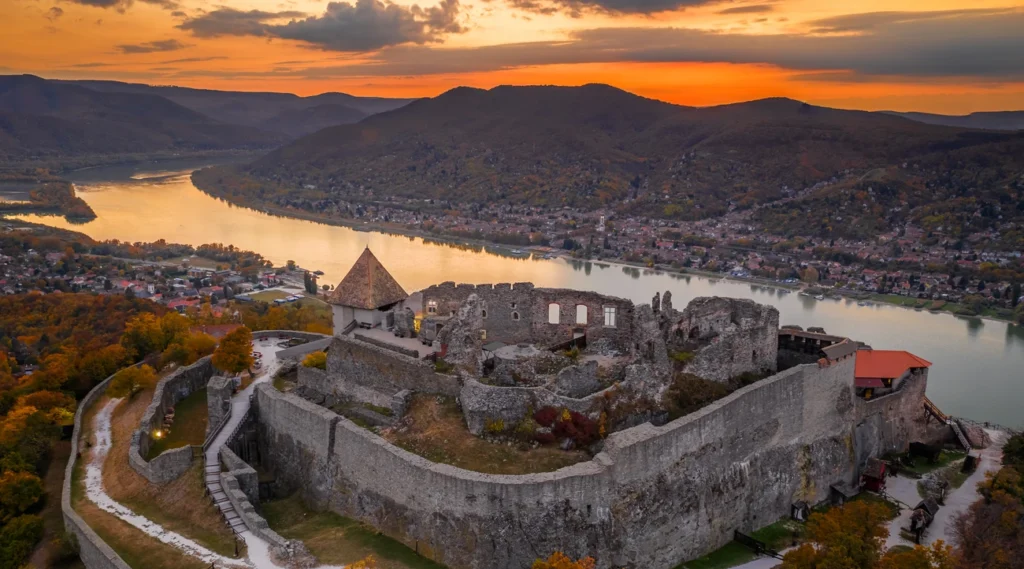
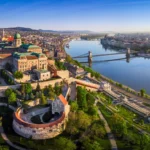
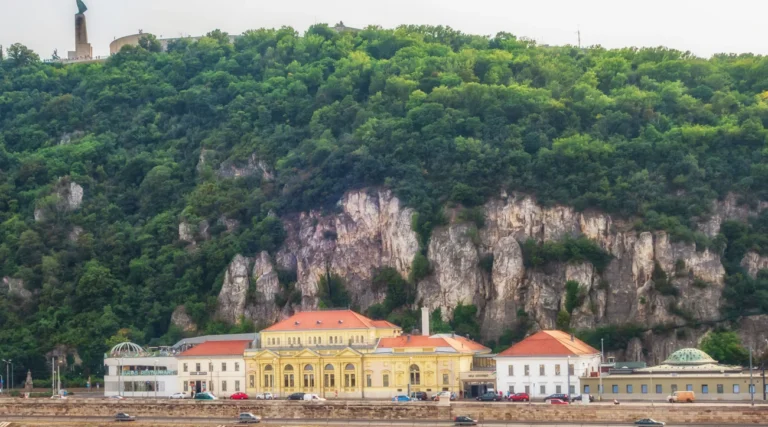
Gellért Hill rewards a little breathing space. Look across the river, follow the changing line of the bridges and let the hilltop be a pause rather than another photograph to collect. The Citadella gives the summit a historic focus, but an enjoyable outdoor visit does not require an exhibition ticket.
Choose the approach around your energy and the weather. A bus arrival reduces the climb; a longer walk makes the ascent part of the day. Leave enough time at the top to enjoy the view before thinking about the route down.
Free hilltop park or the exhibition: plan the right visit
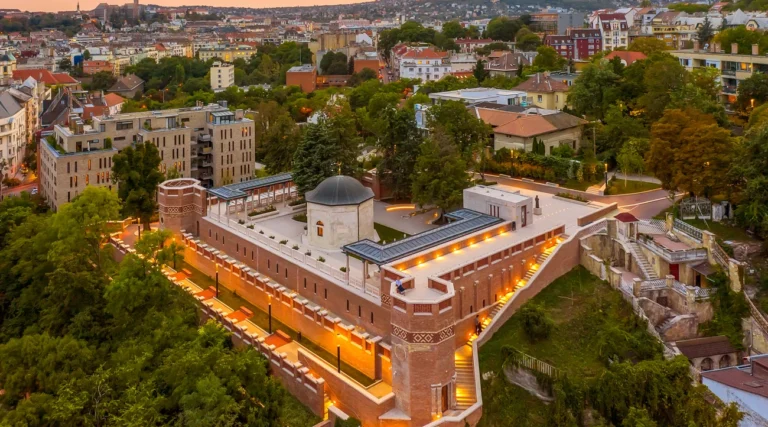
The park and the exhibition have separate access arrangements. The free route includes the Liberty Statue and outdoor viewpoints. The Bastion of Liberty exhibition also gives access to Roof Garden 360 and the Round Bastion Terrace. Its timed ticket starts a 20-minute entry window; arrive at the beginning. Last exhibition entry is 16:40, or 18:40 on Friday.
A panorama that changes as you move around the hilltop
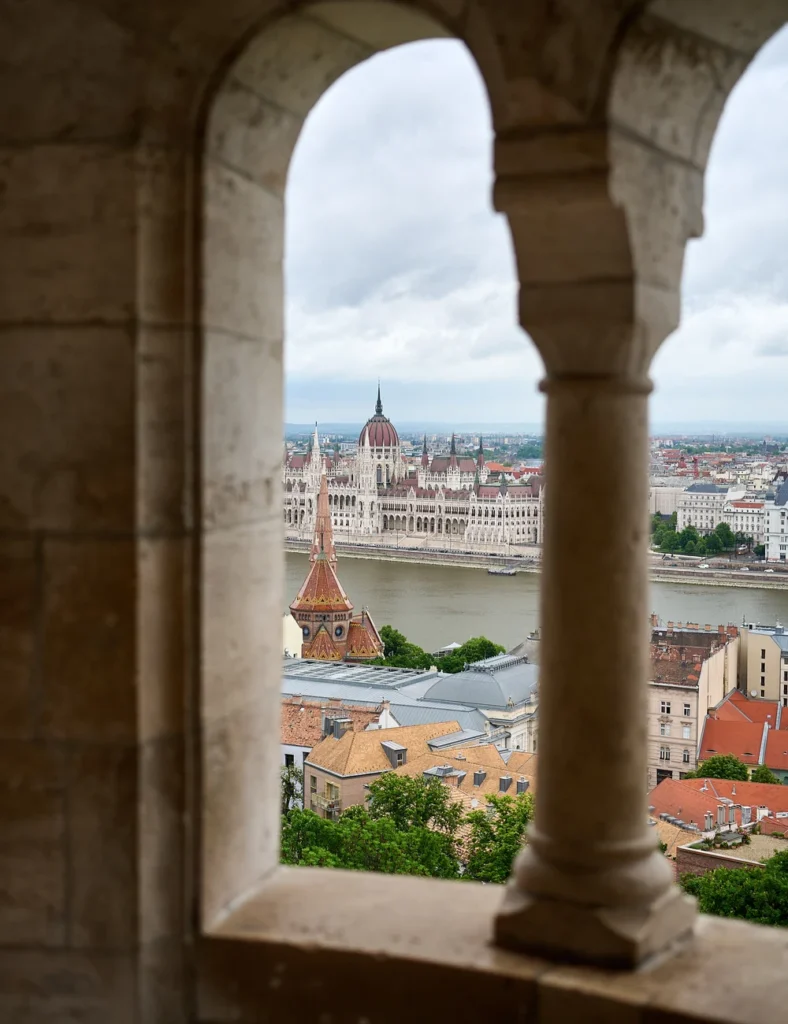
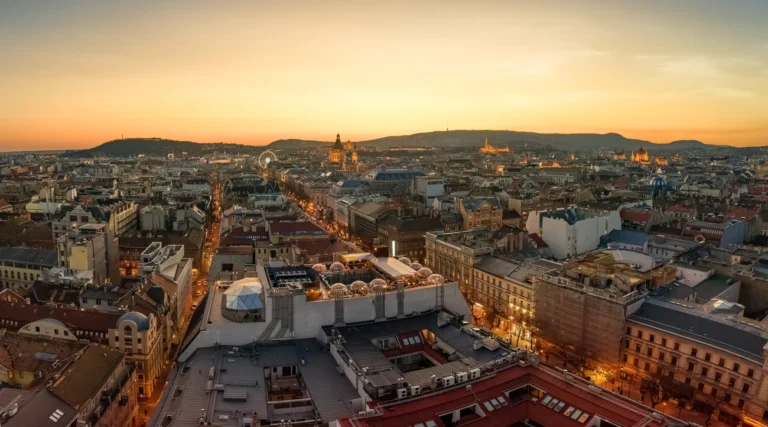
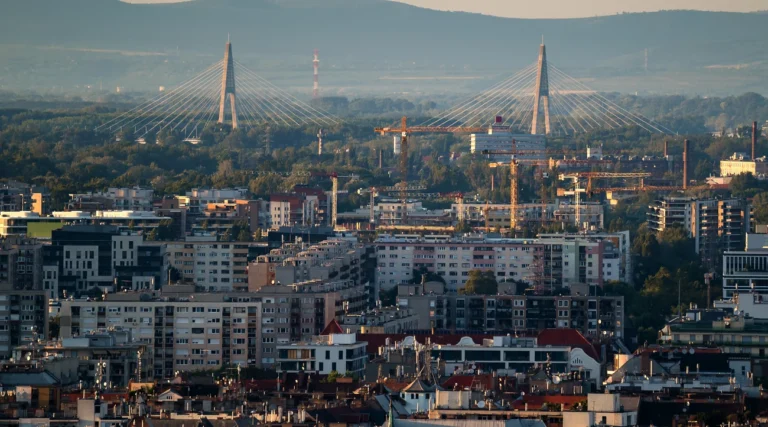
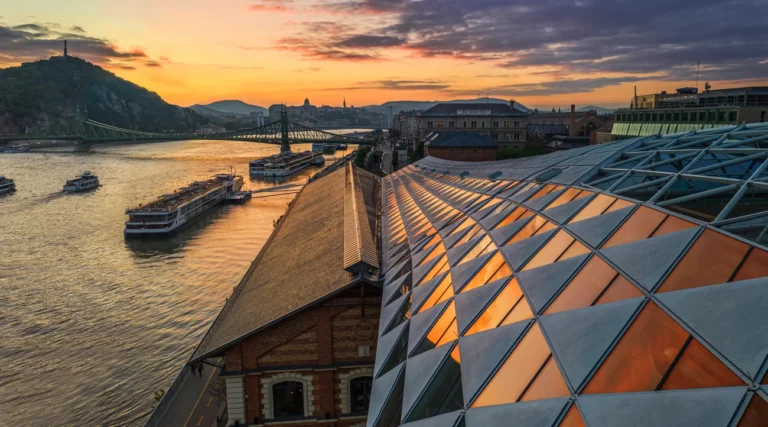
Start with a broad look across the river before choosing details. Bridges give the panorama its rhythm; the contrast between the flatter Pest side and the Buda hills helps explain the shape of the city. Move between viewpoints rather than waiting for one supposedly perfect spot.
Choose clear daylight or the softer end of the afternoon
Visibility matters more than a fixed “best hour”. Clear daylight helps you read the city below; softer afternoon light gives the walk a different atmosphere. Haze, clouds and the season can change the view, so keep your plans flexible.
If staying until dusk, allow for the descent as well as the photograph. Wear shoes suited to hill paths, carry a layer and choose a route you are comfortable using after dark. You can enjoy a complete visit in daylight without waiting for the city lights.
The Bastion of Liberty: a separate indoor chapter
The exhibition occupies the Western Round Bastion and presents Hungarian history through an account of struggles for freedom. Cinematic displays and a sequence of historical periods make it a different kind of visit from an outdoor circuit. The presentation gives particular attention to women’s roles in that history.
Choose it if you want an indoor historical narrative alongside the panorama. Keep the exhibition’s interpretation distinct from your own reading of the fortress and its changing symbolism. Allow a separate block of time instead of trying to fit it into a brief viewpoint stop.
- The free park and ticketed exhibition are separate visits.
- Check the seasonal park hours before an early or late arrival.
- A bus approach still ends with a walk.
- Keep the return journey in your plan, especially near dusk.
- Use comfortable shoes for the hill paths.
- Allow time to stop rather than rushing the ascent.
- Carry water and a layer for an exposed viewpoint.
- Choose one main panorama stop instead of overloading the day.
Bus 27 or a hill walk: choose your approach
The operator recommends bus 27 from Móricz Zsigmond körtér to Búsuló Juhász (Citadella). A walk of about 500 metres along Szirtes Road then leads towards the northern entrance. Use BudapestGO for the journey on your actual travel date.
Build the rest of the day around the hill, not a checklist
After a long climb, leave space for a slower next stop. A riverside walk offers a change of pace, while an indoor visit can be useful when the weather turns. Choose around how the day feels rather than trying to join every Buda landmark into one continuous route.
Castle Hill and Gellért Hill are separate outings. If you want both, account for the journey between them and the energy needed for two elevated sites. A single hilltop visit with time to sit can be more memorable than two hurried ascents.
From imperial fortress to a public hilltop
Construction of the Citadella began in 1850, after the defeat of the Hungarian War of Independence, and imperial troops occupied the completed stronghold in 1854. Its commanding position above the city made the fortress a powerful symbol as well as a military structure.
The summit had already held an observatory, opened in 1815 and badly damaged during the 1849 siege of Buda. The fortress was built around the remains of that earlier scientific site.
Its military role declined after the 1867 Compromise. When troops withdrew, residents began dismantling parts of the resented structure, although complete demolition did not follow. The surviving walls carry that tension between control and civic space.
The Liberty Statue, created by Zsigmond Kisfaludi Strobl, rose on the hill in 1947. Later political changes altered Soviet references around the monument. Today, viewing the statue and walking the renewed park can sit alongside a more questioning look at how the summit’s meaning has changed.
Continue with a river experience or compare wider city passes
Gellért Hill and Citadella visiting questions