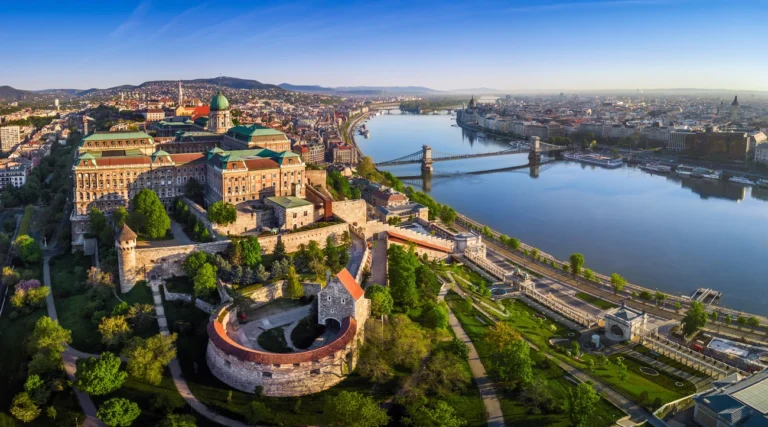
City Park (Városliget) works best when you leave room between its landmarks. The castle and lake make an inviting first circuit, but the gardens, playgrounds and tree-lined paths are reasons to stay rather than hurry back to the metro. Pick one indoor visit or a bath session if you want one; the park itself needs no admission ticket.
Start at Heroes’ Square for the lake and castle, or nearer the Main Playground for a family outing.
Vajdahunyad’s historic-looking buildings were created for the millennium celebrations, rather than surviving here from the Middle Ages.
The House of Music’s public areas and the Museum of Ethnography’s roof garden are distinct from their ticketed exhibitions.
Keep playground time separate from a Széchenyi visit: the baths do not admit children under 14 for ordinary leisure visits.
Begin at the lake, then leave the landmark circuit
For a first outdoor visit, allow roughly 1½–2½ hours as a planning estimate. Begin near Heroes’ Square, walk towards the lake and cross towards Vajdahunyad Castle. After the architectural views, choose either the House of Music and gardens or the southeastern playground area. These are flexible directions, not a timed tour you must finish.
If you have only an hour, stay with the lake and castle surroundings. If you have a half-day, add one museum, a concert or a long playground stop. A thermal-bath session is substantial enough to become the main event, with a shorter park walk around it.
Vajdahunyad: a castle made of architectural stories
Towers, a church portal and palace-like façades give the castle group a fairytale quality, especially when the lake catches the light. Look more closely and the changing styles become the point: architect Ignác Alpár assembled references to historic architecture for the millennium exhibition. Enjoy the exteriors without confusing them with a medieval royal residence.
Gardens and birds: find a quieter side of Városliget
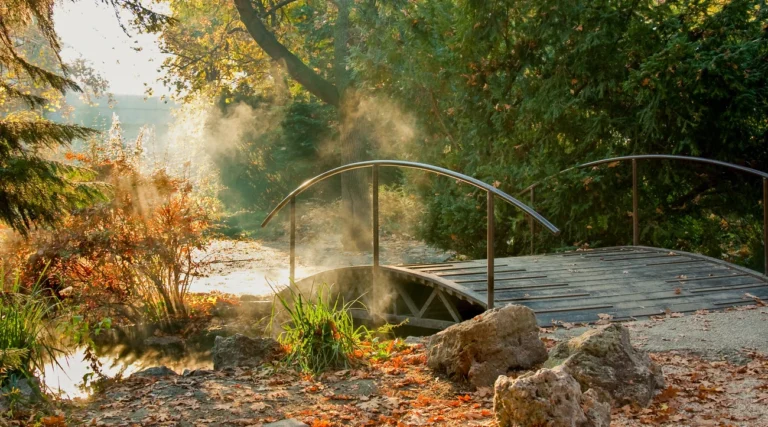
When the lake circuit feels busy, let the planted parts of the park set a slower pace. The Mihály Mőcsényi Botanical Garden brings smaller-scale planting, ponds and a stream into the larger landscape. Look for the labelled plants and changing textures rather than expecting every flower bed to be at its peak throughout the year.
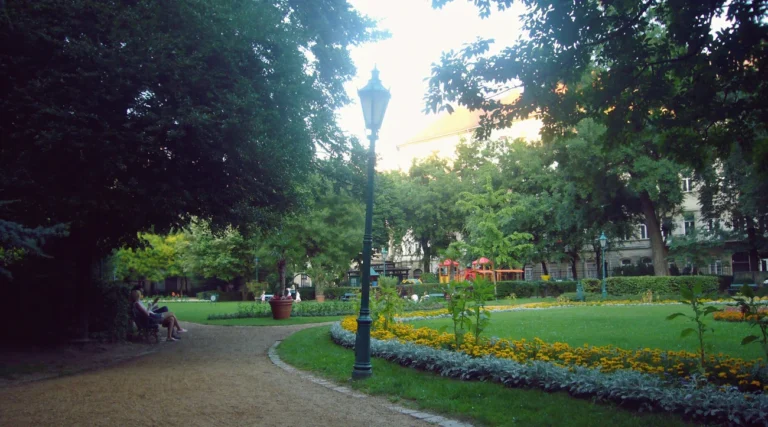
Near Királydomb and the Main Playground, the birding trail adds another reason to stop. Its information stations encourage you to notice the birds using this managed urban habitat. A park bench and a few quiet minutes can be more rewarding than trying to turn wildlife into another sight to tick off.
Choose one indoor visit: music, objects or art
The park’s cultural buildings offer different kinds of attention. Choose the one that interests you, then leave the rest of the day flexible. A view of a building and entry to its exhibition are different things.
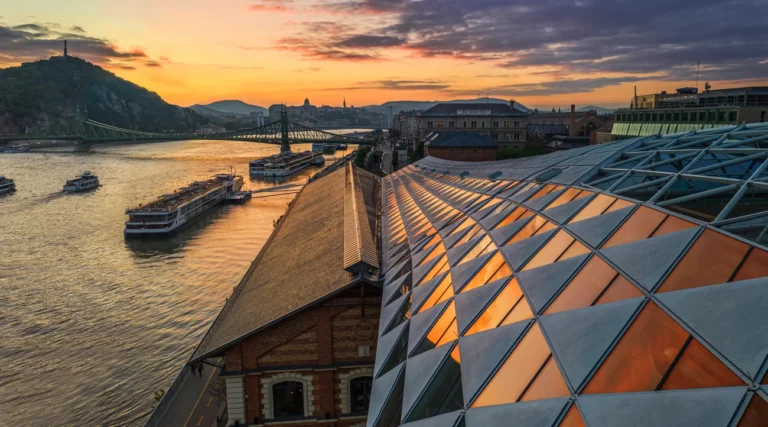
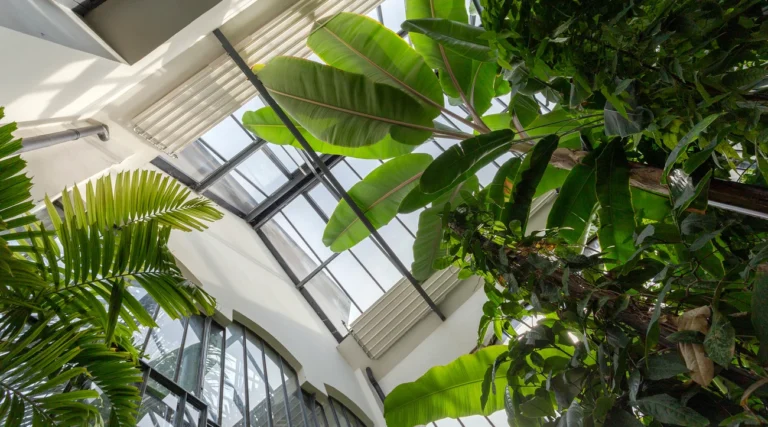
House of Music Hungary: its undulating roof, glass walls and leafy ceiling make the public areas worth a look. Exhibitions and concerts require their own tickets; do not treat access to the building as admission to every programme.
Museum of Ethnography: the collection is a separate museum visit. Its freely accessible roof garden is approached from outside and gives a different view over the park and Heroes’ Square; follow the open routes and weather-related instructions.
Museum of Fine Arts and Műcsarnok: these flank Heroes’ Square at the park’s edge. Decide between their collections or exhibition programmes before committing a large part of the day indoors.
With children: let the playground shape the visit
The Main Playground is in the southeastern part of the park, near Dózsa György út and Ajtósi Dürer sor. Its fenced layout brings together equipment for different ages and abilities, including the distinctive balloon climbing structure. It is far enough from the lake that a family visit benefits from choosing this side deliberately.
The operator lists opening from 08:30 until dusk. Water play is seasonal, so promise climbing, swings and a park outing rather than a particular water feature. Toilets and changing facilities are available; free use may depend on Liget+ membership, so do not assume every service is included without registration.
For a shorter play stop nearer the House of Music, consider the musical playground. Keep a closer eye on children around the lake, crossings and busy shared paths. Széchenyi Baths are a separate plan for visitors aged 14 and over, not the natural swimming extension of a young child’s playground day.
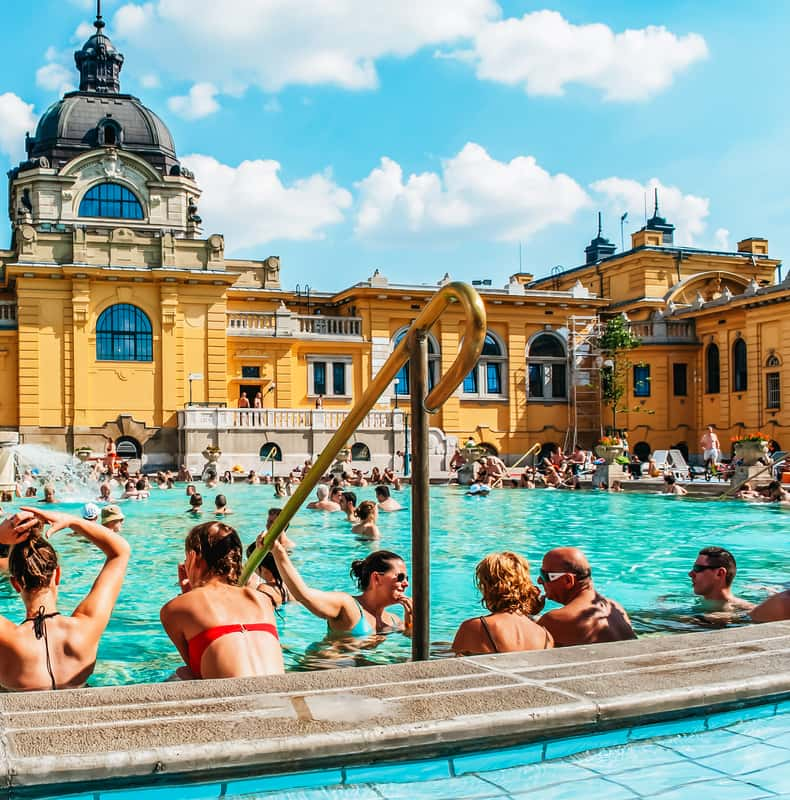
Make Széchenyi Baths a separate part of the day
The yellow bath complex sits within the wider park setting, but a bathing session has its own entry, changing arrangements and timetable. The options below are bath admissions, not tickets to City Park. Compare the locker or cabin included and any extras; a premium Palm House package is a different purchase from ordinary admission.
The park remains a good choice if you do not want to bathe. For families with younger children, stay with the playgrounds and outdoor route: ordinary Széchenyi admission excludes children under 14. Bring swimwear, a towel and the required slippers if you do plan a bath visit.
Park access is free; exhibitions, bath entry and seasonal activities are separate.
The Main Playground opens from 08:30 to dusk; particular features can be seasonal or unavailable.
The Museum of Ethnography’s roof garden is entered from outside, with weather and safety restrictions.
Dogs are excluded from marked areas including the botanical garden, Main Playground and sports grounds.
Choose your entry and exit around the part of the park you actually want to use.
Leave time to sit by the water or follow a garden path instead of filling every hour.
Treat boating and skating as seasonal options with separate operating arrangements.
Check the bath’s exact entry window and changing option before adding it to your day.
Getting to the part of City Park you want
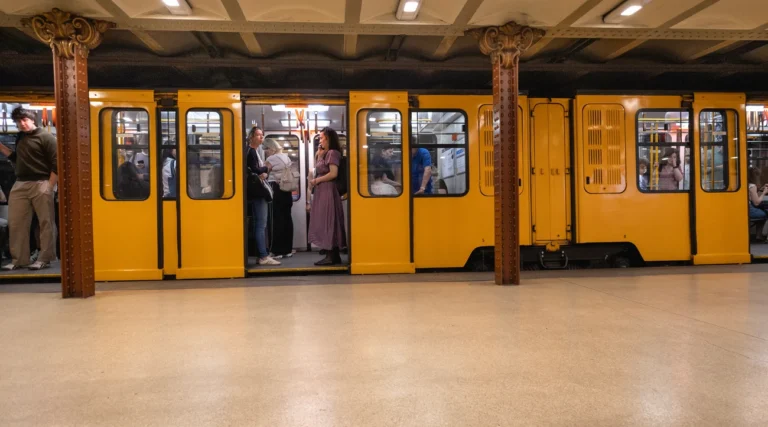
M1 Hősök tere suits Heroes’ Square, the lake and castle approach. M1 Széchenyi fürdő is useful for the bath side of the park. Choose the station for your actual first stop: a large park is not a single meeting point.
A base between central Pest and the park
If City Park will be a regular part of your stay, compare the Andrássy Avenue, Oktogon and Opera areas. They put different distances between you, central Pest and the park: an Opera address is not the same as a room beside Heroes’ Square. Our area guide helps match the base to your daily routes.
From a landscaped retreat to a place for culture and play
City Park is a designed landscape rather than a surviving patch of untouched woodland. Tree planting and improvement began before the nineteenth-century plans associated with Christian Heinrich Nebbien. The design competition announced in 1813 helped turn the idea of a public leisure ground into an ambitious park project.
As Pest grew, the park became a setting for recreation, public entertainment and exhibitions. The millennium exhibition of 1896 left one of its most recognisable architectural legacies: Vajdahunyad’s historical building group. Ignác Alpár used references to several styles to make architecture itself part of the exhibition’s story.
That origin explains the contrast visitors still notice today. A scene that looks like a centuries-old castle stands within a park repeatedly reshaped for new public uses. The nearby bath, museums and performance spaces belong to different moments in that continuing history.
The recent House of Music and Museum of Ethnography add another layer, alongside renewed gardens and play areas. You can read the changes in the landscape without turning the whole visit into a museum tour: a castle view, a contemporary roof and a quiet planted path tell different parts of the same park’s life.
Bath admission and city routes around your park visit
City Park visiting questions