












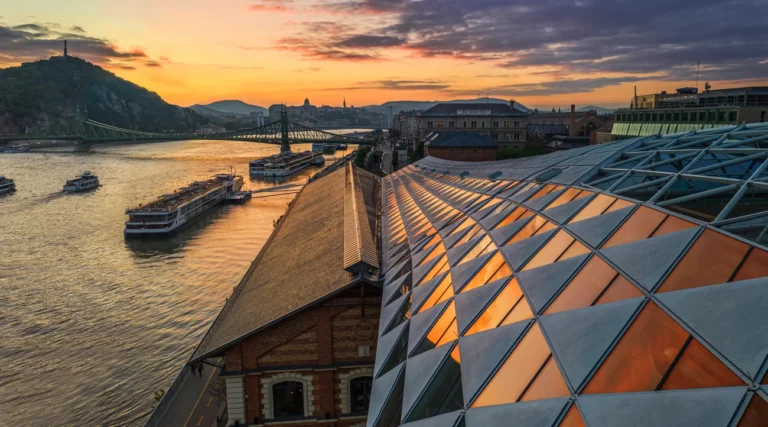









Trams
Follow useful riverside and city routes, with stops and ticket advice.



Royal landmarks and bridges
along the Danube

Grand squares and boulevards
on both sides of the river

Historic churches, sacred art
and panoramic terraces
Sculptural fountains and water
features across the city

Hungarian art and history
in museums and galleries

Island paths and leafy parks
for a slower city break
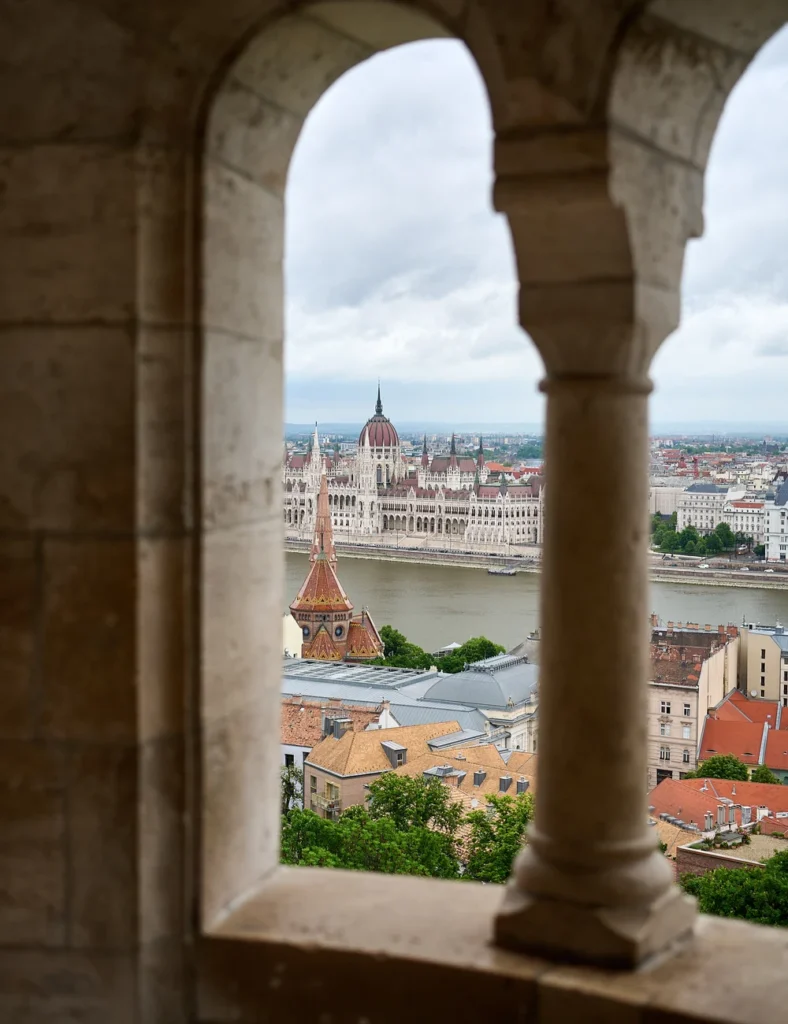
Explore the Castle District, follow the Danube riverfront and discover Budapest’s museums, historic churches, squares and parks.
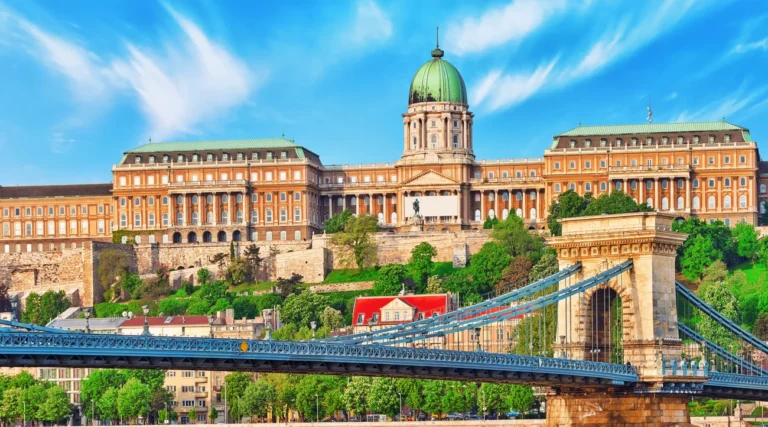
Choose a manageable route between Buda and Pest, allow time for hills and bridge crossings, and plan the bookings that matter for your first stay.
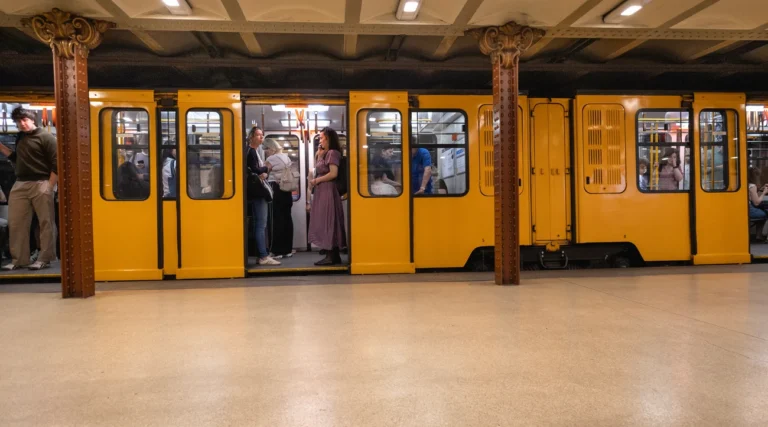
Plan journeys around Budapest by metro, tram and bus, and check the ticket and airport connection that fit your route.
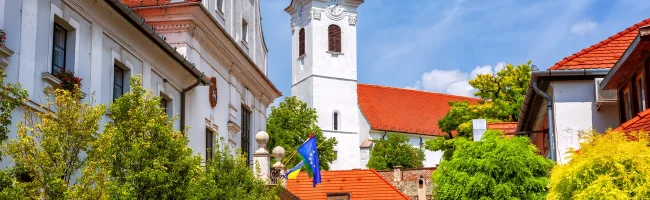
Painted façades, ceramic art and Danube walks
by H5 or a guided day trip
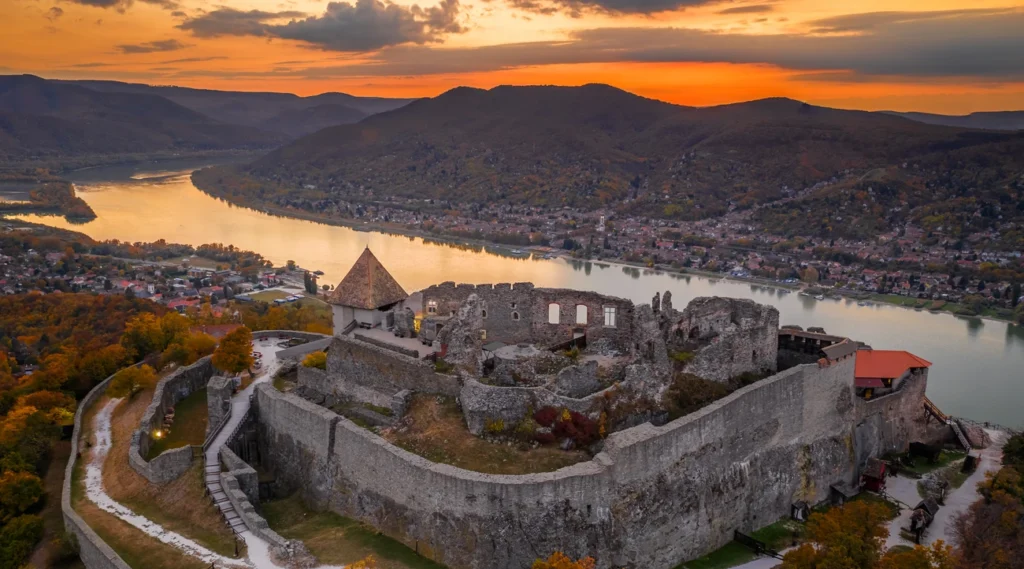
Basilica visits and hilltop castle views
around Esztergom and Visegrád

Explore the Danube Bend, historic towns and royal residences beyond Budapest. Compare the route and time available before choosing an independent trip or organised excursion.
Home › Plan your visit › Budapest transport
Start with the journey from the airport or railway station to your accommodation. Then group your visits around Buda, central Pest and the Danube, using the metro, trams and buses where they save a long walk. The 100E Airport Express has its own fare arrangements.
Liszt Ferenc Airport is not a city-centre railway station. Choose between the direct 100E bus, a 200E connection and a taxi before deciding what city ticket to buy. For rail arrivals, check whether your train uses Keleti, Nyugati, Déli or another station.
Compare 100E with 200E and onward connections. Check the final walk to your address, especially with luggage or a late arrival.
Match the station on your ticket with the onward metro, tram or bus. Ferihegy railway station is separate from airport Terminal 2.
Check the official pickup arrangements, metered tariff and any airport-specific conditions before entering the car.
Choose by coverage and transfers, not just the name of the product. BKK travelcards cover repeated urban journeys during their validity period. The 100E is a separate case; a 24-hour travelcard is not a qualifying pass for the discounted airport add-on.
| Your journey | What to check | Planning detail |
|---|---|---|
| Metro, tram and ordinary city buses | A suitable ticket or valid travelcard | Validate single tickets correctly; allow for transfers. |
| 100E Airport Express | A dedicated airport ticket or eligible pass plus add-on | Ordinary city travelcards do not cover this bus. |
| 200E plus metro or night services | Coverage for each part of the journey | The 100E airport ticket is not valid on 200E. |
| HÉV or trains beyond Budapest | The city boundary and onward fare | Do not assume an urban travelcard covers a day trip outside the city. |
| Sightseeing cruise or guided outing | The commercial booking and boarding point | These are separate experiences, rather than ordinary city transport. |
For a short visit, compare your actual journeys before choosing single tickets or a travelcard. Keep the start time, validation method and airport leg in mind.
The metro connects major hubs, trams keep you at street level and buses can make a hill or cross-city connection easier. Use the individual guides for useful stops, ticket rules and practical route choices.
Check the entire journey if you need step-free access: the station entrance, interchange, vehicle and final pavement all matter. A short route on the map can still involve stairs or a steep approach on Castle Hill.


Check arrival stations, suburban boundaries and the onward airport connection.
Check the return journey too. A late cruise finish, evening concert or early train may require different services from those you used during the day.
Keep airport validity, riverbank geography and accommodation connections separate when making your choice.
The 100E requires its own airport shuttle ticket or the add-on used with an eligible pass. A 24-hour Budapest travelcard does not cover 100E. The 200E uses ordinary ticket and pass arrangements; plan the onward connection as well.
Keep Castle Hill stops together, then plan central Pest and the Basilica as another part of the day. Choose the bridge or metro crossing that fits the next stop. Check a cruise’s actual dock rather than assuming every departure is near your hotel.
Compare the exact address with a useful metro, tram or bus stop, the airport connection and your evening return. On the Buda side, check whether the final approach is uphill; near busy nightlife streets in Pest, consider both convenience and noise.