A tram journey can be part of the visit as well as a way to reach it. The Pest riverbank gives you a changing view of Buda, while the Grand Boulevard links several useful interchange points. Choose the line for your destination and check the actual departure before heading to the platform.
- Tram 2 is the classic Pest-side riverside ride; get off for a closer look at the waterfront.
- The Grand Boulevard corridor connects Nyugati, Oktogon and several metro interchanges.
- A single ticket is one ride. Getting off for a sightseeing stop and boarding again needs another ticket or a suitable travelcard.
- Check works and low-floor departures. A familiar route number does not guarantee the same vehicle or boarding point every day.
Choose a riverside ride or a useful connection
Start with the part of Budapest you want to cross. A riverside tram is useful for the Danube panorama; a boulevard line is useful for changing between neighbourhoods and metro lines. The routes below describe their usual role, with current works checked separately.
The line number alone is not enough. Match the destination and platform to your journey, especially where several services share tracks. A tram replacement bus may stop beside the road rather than on the tram platform.
Tram 2: a moving view of the Pest riverbank
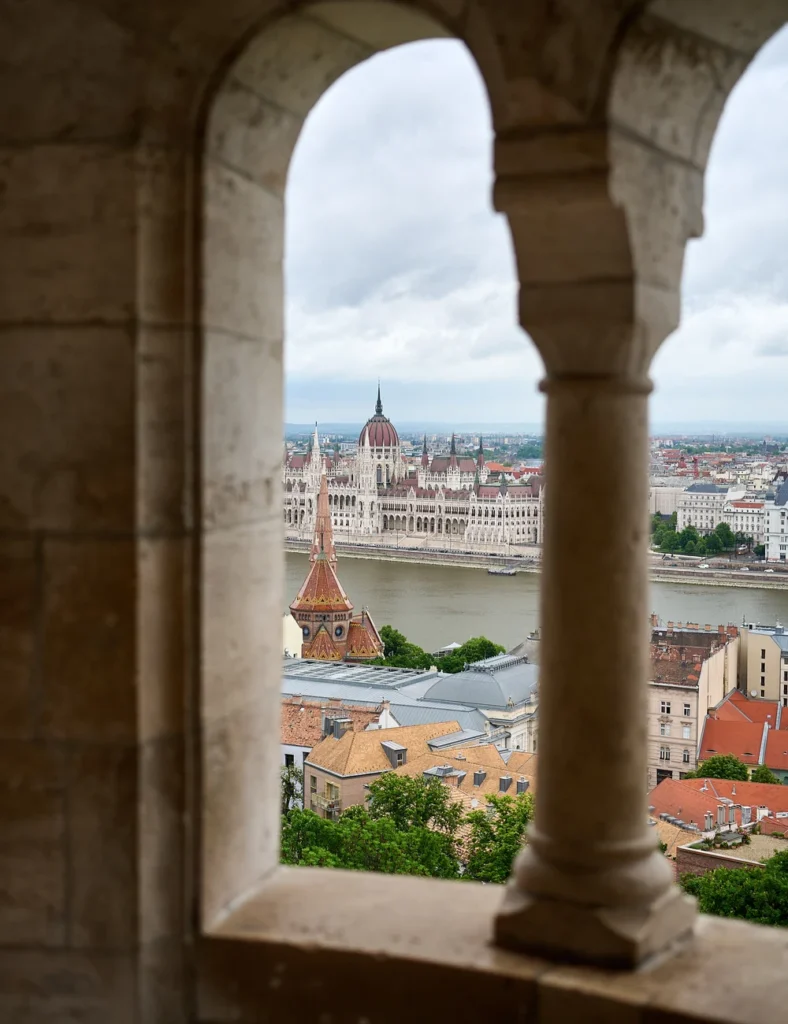
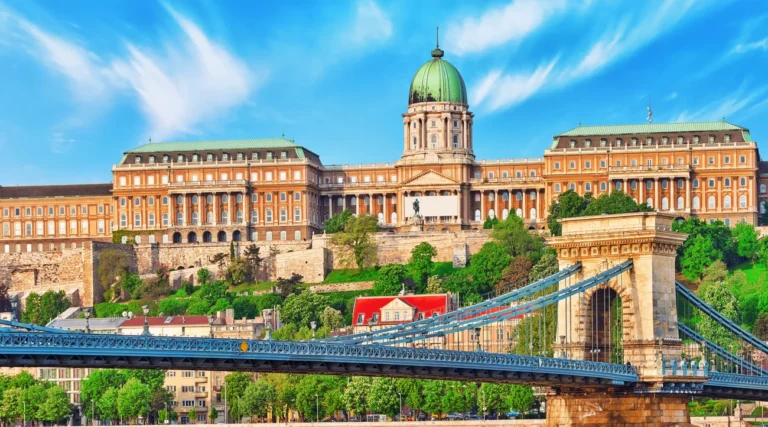
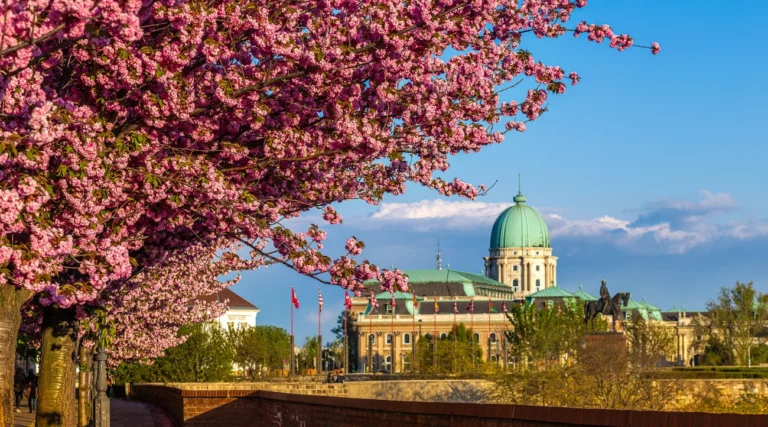
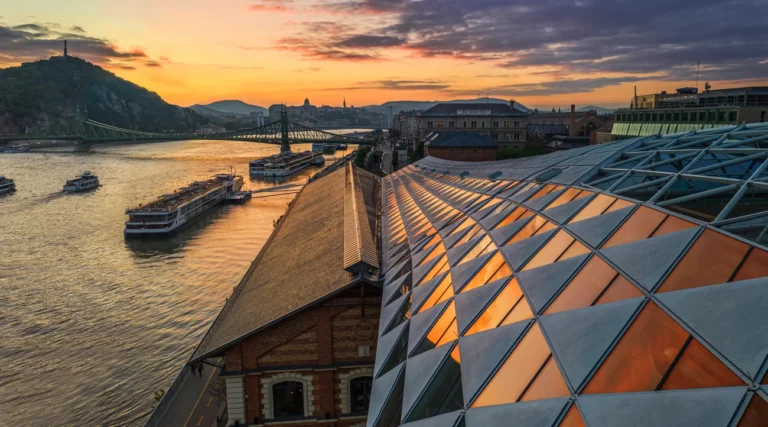
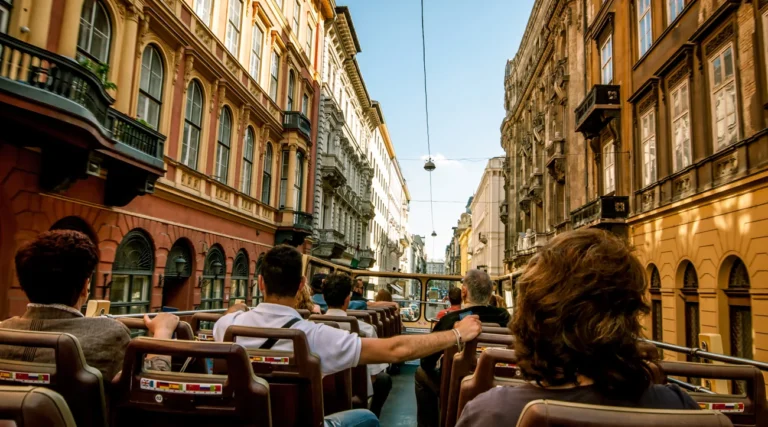
Use tram 2 for a stretch of the Pest waterfront, then continue on foot. Parliament, the Chain Bridge area and Vigadó tér offer different views across the Danube. The pleasure is in the changing perspective: castle slopes, bridges and riverside buildings seen from street level rather than from an underground carriage.
Stay aboard for a continuous ride, or make a deliberate stop and walk. An ordinary single ticket does not become a hop-on, hop-off ticket because the route is scenic. Keep the doors and aisle clear when taking photographs.
Tickets for one ride, changes and repeated journeys
Buy a fare for the way you intend to travel. An ordinary single ticket covers one uninterrupted tram ride. A change to another tram, bus or metro needs another single, or a valid timed ticket or travelcard that covers the connection.
These are standard adult BKK fares in Hungarian forints. Buy before boarding, using a ticket machine or a supported product in BudapestGO. Do not assume that the tram has a driver ticket sale or a bank-card terminal that sells a fare when you tap it.
- Paper single: stamp it immediately after boarding and keep it for inspection.
- Digital single or timed ticket: follow the app’s QR/NFC validation process for that boarding.
- Travelcard: travel during its specified validity and keep the product available to show.
- A sightseeing break ends an ordinary single-ticket ride; boarding again needs another valid fare.
- Validate a timed digital ticket again when changing to another surface vehicle within its time window.
- A ticket bought in advance is not automatically a validated paper single.
- Keep your phone charged and the app product accessible throughout the journey.
From the platform to your next stop
Choose the correct platform and read the vehicle destination. At a busy interchange, the opposite direction may be on another island platform or across a road. Use the marked crossing to reach it and wait behind the platform edge.
- Check the next service. Match the line, direction and any replacement notice.
- Let passengers get off. Board through an available door without blocking the platform.
- Validate and keep your ticket. Stamp a paper single immediately or complete the digital process for your boarding.
- Prepare for your stop. Follow the next-stop display, use the door-opening control where provided and watch the gap when leaving.
Hold on when standing and move away from the doors once aboard. If the service becomes too crowded for a comfortable scenic ride, wait for another departure or walk part of the waterfront instead.
Grand Boulevard: useful connections and temporary changes
The Grand Boulevard is a chain of useful connections. Nyugati connects with M3, Oktogon with M1, Blaha Lujza tér with M2 and Rákóczi tér with M4. Margaret Bridge also provides an approach to Margaret Island. These are practical interchange points, rather than a single sightseeing destination.
Current works affect the usual 4/6 pattern. BKK’s Karinthy Frigyes út renewal runs from 28 September to 22 November 2026. A combined 4–6 tram serves the Grand Boulevard to Újbuda-központ, with changes affecting the usual Móricz Zsigmond körtér branch. Check your exact stop and departure rather than relying on the ordinary line diagram.
Late trams and replacement buses
Plan the late journey for the actual night. The usual overnight tram 6 corridor can have maintenance substitutions. During the current works, a 4–6 replacement bus runs on nights leading into working days; Friday and Saturday night arrangements differ. Check the journey planner before leaving a concert, dinner or river dock.
A replacement bus can use roadside stops instead of the rail platform. Read the temporary signs for your direction and allow time for the walk to the replacement stop. Do not wait on the tram island simply because that is where you boarded earlier in the day.
Low-floor departures and the right platform
Check the individual low-floor departure and the stop access. Budapest’s tram fleet includes different vehicle types. A modern-looking line diagram does not promise step-free boarding on every service, and the platform approach can be as important as the vehicle.
With a wheelchair, mobility aid or pushchair, choose an accessible journey in BudapestGO and check for temporary stop changes. Allow space for boarding and keep the designated area clear. For a scenic riverbank ride, have an alternative walk or accessible route ready if the departure does not suit your needs.
Combine a tram ride with a walk
A short tram segment works well with a focused walk. Choose one waterfront stretch, get off near the place you actually want to explore and continue at street level. Trams carry everyday passengers; guided commentary and attraction admission are separate bookings.
A short trial line became part of the city
Budapest’s first electric tram began running on 28 November 1887. The experimental line linked Nyugati railway station and Király utca along the Grand Boulevard. Its short route helped test a form of transport that would become a familiar part of the city’s streets.
The trial line was roughly one kilometre long. It belonged to a period when Budapest was expanding and transport companies were trying new ways to move people through the growing city.
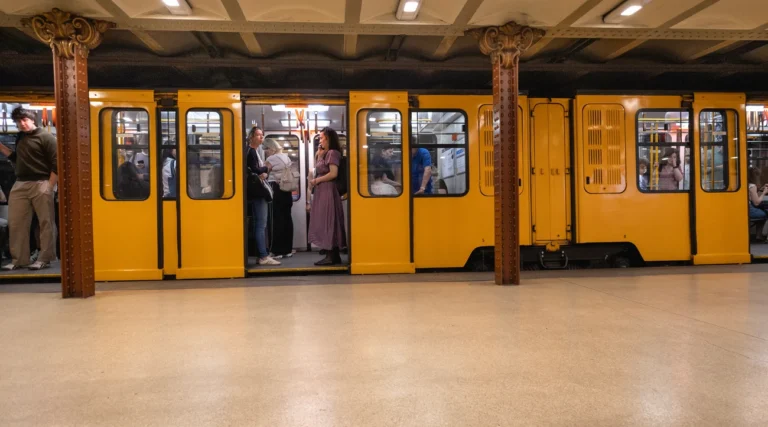
Today, a tram ride still reveals a different scale of Budapest from the metro: junctions, shopfronts and the river remain in view. The history adds context, while current timetables, fares and works determine how you make the journey.
Plan the visit beyond the tram stop
The tram fare and the day’s booked activity are separate choices. Compare a city pass only for benefits you will use, or choose a guided Castle District walk for the hilltop visit. Check the stop-to-meeting-point walk when combining either with a tram journey.
Frequently asked questions