Ferencváros combines a food-street walk with a different view of the Danube. Start around Kálvin tér and Ráday Street, pause at Bakáts Square, then turn towards the river and the glass curve of the Bálna. This inner part of District IX is easy to explore in a few stages. The Ludwig Museum and Müpa farther south are a separate cultural extension, best planned around an exhibition or performance rather than squeezed into the same short stroll.
Choose the inner streets, riverfront or a cultural extension
Ferencváros is District IX, south of central Pest. For visitors, its useful sections are quite different: the inner streets near Kálvin tér and the market, the Danube side around Bálna and Nehru part, and the larger cultural buildings farther downriver. Choose one compact area before adding the next.
The district is much bigger than the restaurant stretch of Ráday Street. A hotel described simply as “Ferencváros” can be convenient for one route and less useful for another; compare its actual address and transport stop.
- Ráday Street and Bakáts Square make a compact inner walk.
- The Bálna gives the riverfront a distinctive modern landmark.
- Ludwig Museum and Müpa are farther south: allow a separate visit.
- Ordinary public streets and park paths do not require an attraction ticket.
- The whole of District IX is not one small sightseeing cluster.
- Museum admission and performance tickets are separate purchases.
- Check the entrance and operating hours of each indoor stop.
- Use marked crossings where the route meets the Grand Boulevard and busy riverside roads.
Six anchors from Ráday Street to contemporary art
Use these six places as choices, not a compulsory checklist. Ráday Street, Bakáts Square and the riverfront form the core of a short outing. Add the market according to its opening day, or reserve a longer cultural visit for the Ludwig and Müpa area.
Ráday Street: put a proper meal into the walk
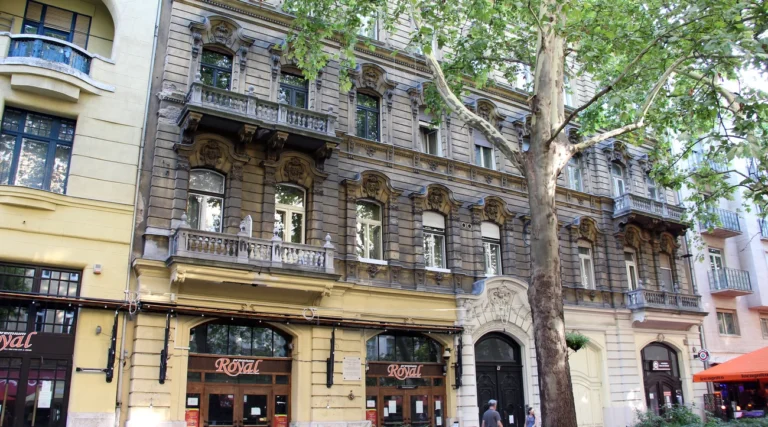
Ráday Street is the natural place to put a meal into the walk. It leads away from Kálvin tér towards Bakáts Square, with restaurants and cafés giving you reasons to stop. Compare the actual menu and service charge before sitting down; the district name is not a guarantee of a budget meal.
Look beyond the tables towards doorways, upper façades and side streets. The local history connects this corridor with the old road south from Pest and with inns serving merchants and livestock traders. Food and hospitality are a long-standing part of the neighbourhood story, even though individual businesses change.
Bakáts Square: a quieter pause around the parish church
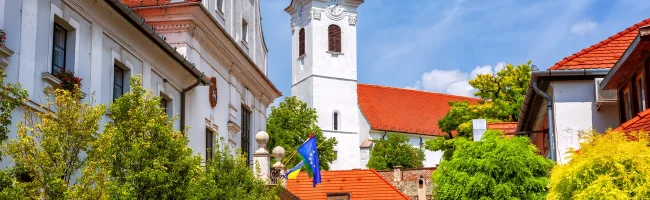
Bakáts Square gives the inner walk a clear focal point. The parish church, surrounding façades and more open space change the pace after the narrower restaurant street. Pause outside before deciding whether to continue towards the river or return through the residential streets.
A church entrance is a separate decision from walking across the square. Check worship, visitor access and any notice at the door, and avoid treating the building as an unrestricted sightseeing hall. The square works as a route anchor even when you do not go inside.
Bálna and Nehru part: open skies beside the Danube
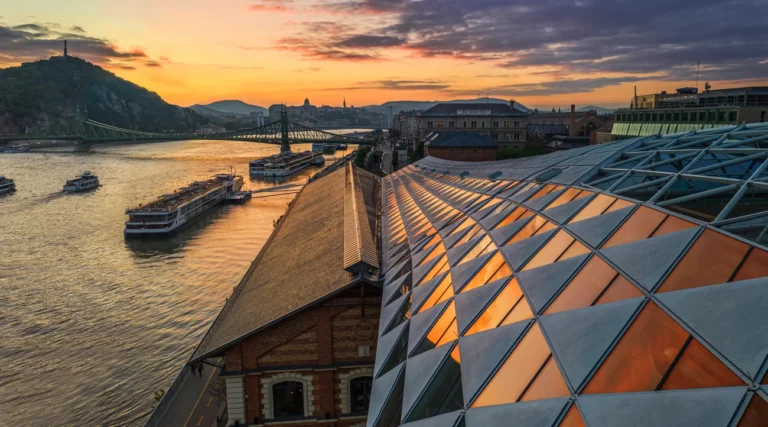
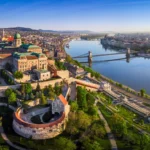
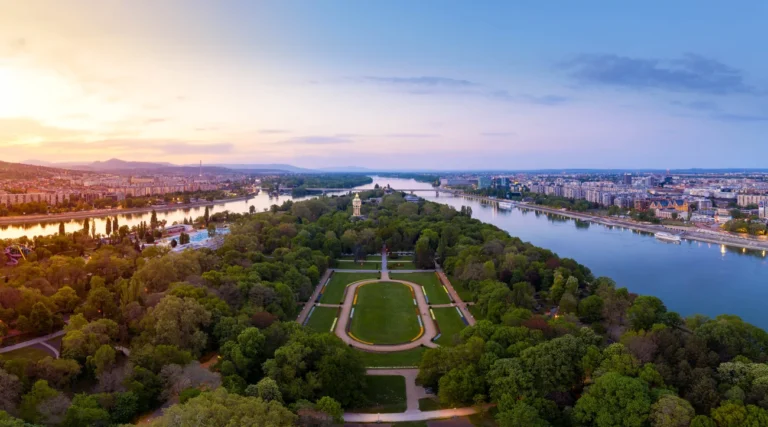
The riverfront is where this walk opens out. The Bálna’s curving glass structure stands beside older brick architecture, with views across the Danube towards Buda. Continue towards Nehru part if you want a greener pause rather than another indoor attraction.
Choose the time for the view you want. Later light can warm the river-facing buildings; wind and exposed paths can make the same stretch feel colder than Ráday Street. A short riverside pause can be enough before returning to the inner streets for dinner.
- Do not treat Ráday Street and the Ludwig Museum as neighbouring doors.
- Keep a museum or concert booking separate from a casual walk.
- Do not assume every market stall or restaurant opens on the same schedule.
- Leave enough time to find the correct performance entrance and return transport.
- Start at Kálvin tér, walk Ráday Street and pause at Bakáts Square.
- Turn towards the Danube for Bálna and a riverside break.
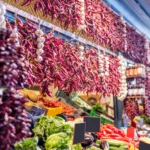
- Add the Great Market Hall only when it is open.
- Use public transport for a longer cultural extension if you want to save walking time.
Kálvin tér, Fővám tér and Boráros tér: choose the right approach
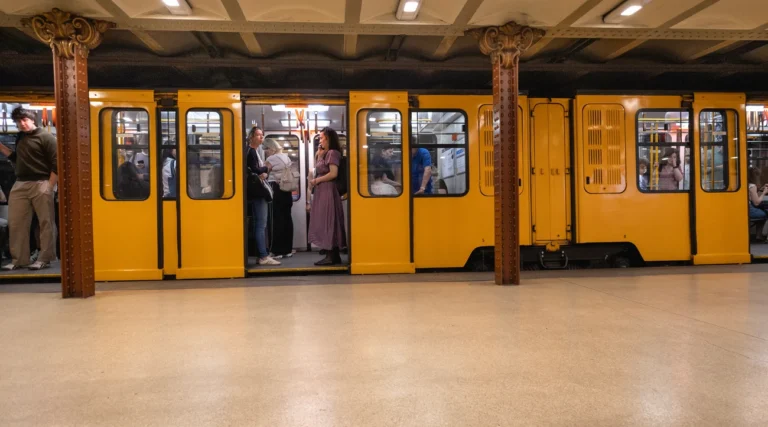
Kálvin tér on M3 and M4 is a useful start for Ráday Street. Fővám tér on M4 suits the Great Market Hall and the Bálna side of the riverfront. Boráros tér connects with the Grand Boulevard trams and the southern part of the inner district. Choose the stop for your actual first destination.
The river corridor continues towards the Ludwig Museum and Müpa; plan that leg using the current transport map rather than assuming the short restaurant-street walk covers it. Check temporary works and the last connection if you finish after a performance.
Ludwig Museum and Müpa: plan the longer cultural extension
The Ludwig Museum turns the southern extension into a visit with a purpose. Its contemporary-art collection and changing exhibitions deserve time indoors, while Müpa’s performances have their own dates, tickets and admission arrangements. Choose the programme first, then work the riverside route around it.
If you prefer a short outing, stop after the inner streets and Bálna. A Danube cruise is another way to see the waterfront, but boarding points vary by operator; a river view beside a building does not mean your booked boat departs there.
Plan a separate city-pass visit or a Danube cruise
Trade, the 1838 flood and the growth of an industrial district
Ferencváros grew outside the old southern gate of Pest. Inns and trade shaped the early development around today’s Kálvin tér and Ráday Street. The district received the name Ferencváros in 1792, honouring King Francis I. Later industry, railways and food production changed its scale and character.
The devastating flood of 1838 destroyed much of the developing district and prompted rebuilding and street regulation. During the later nineteenth century, industry expanded along the southern Danube corridor while inner Ferencváros became more urban and residential.
That contrast still helps make sense of a visit: the smaller streets around Ráday and Bakáts form one experience, while larger riverside buildings and cultural destinations form another. Take the neighbourhood in sections instead of expecting a single uniform “old town”.
Ferencváros: questions before exploring District IX