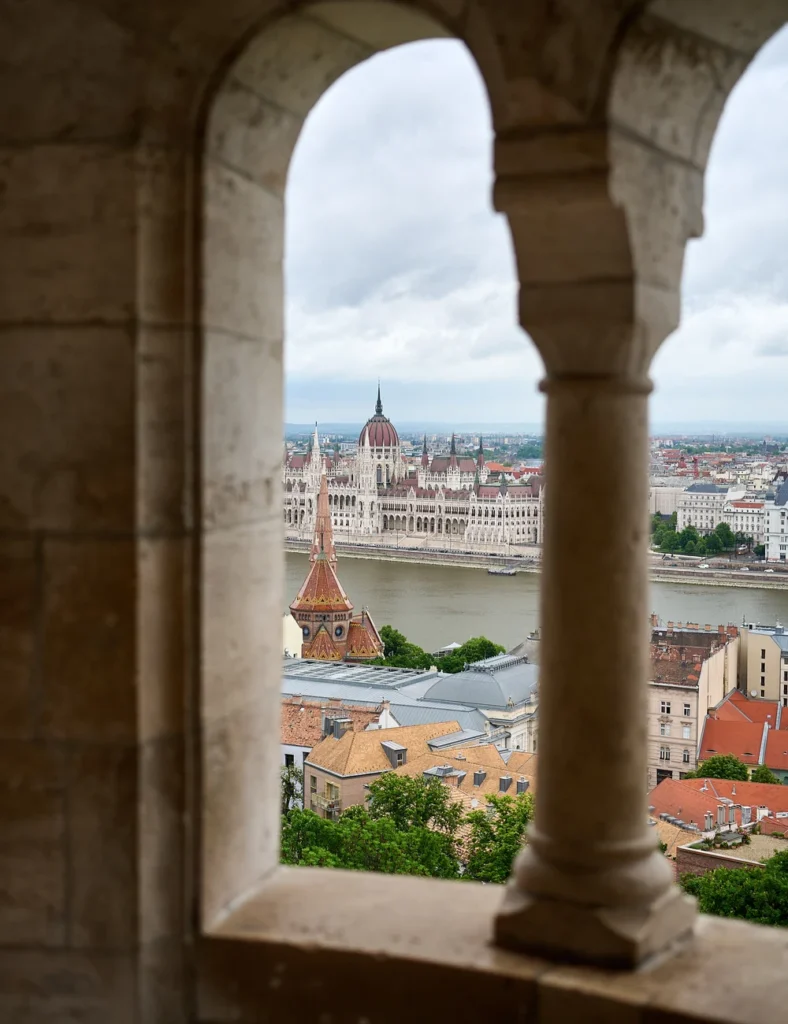
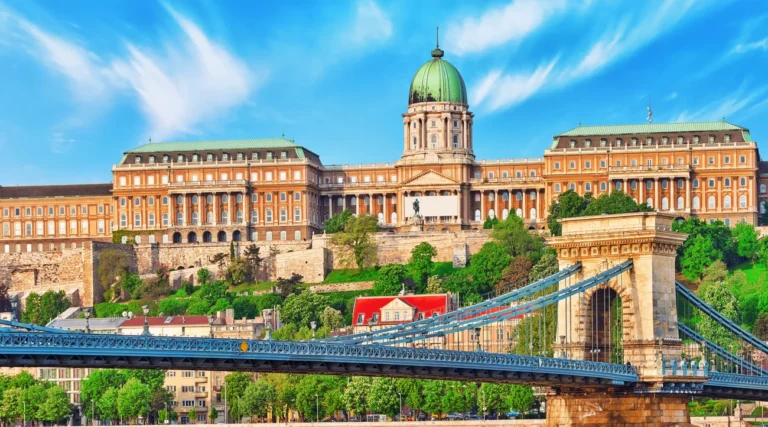
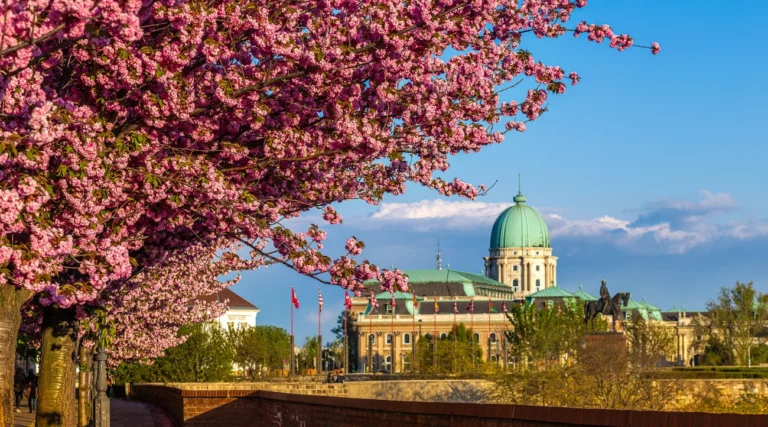
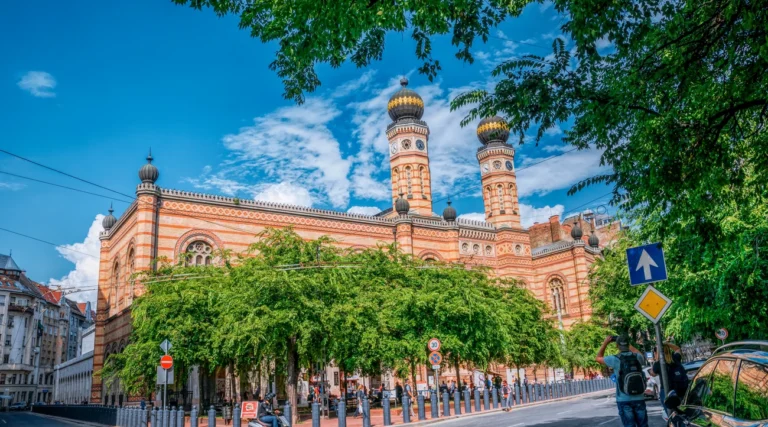
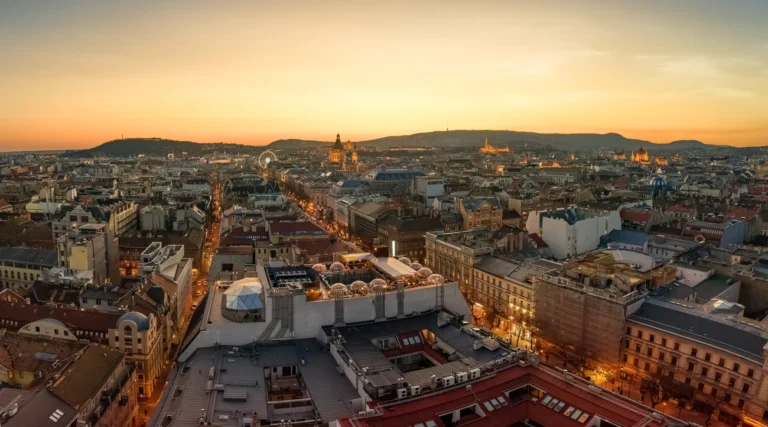
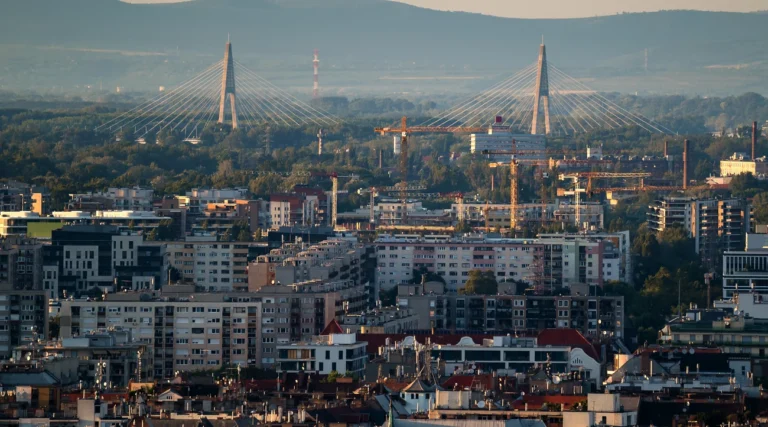
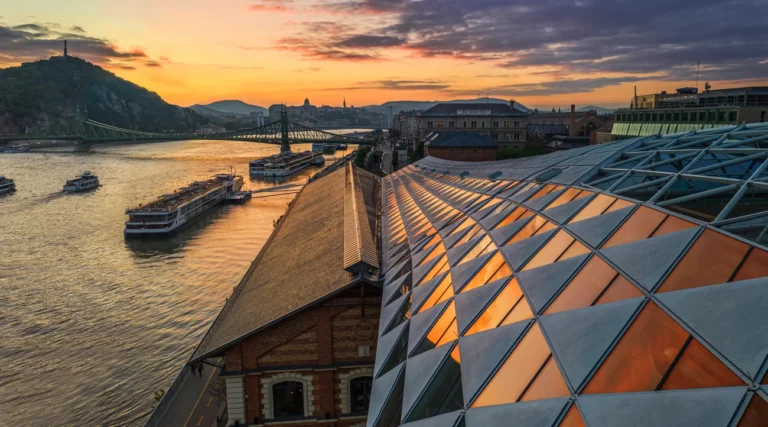
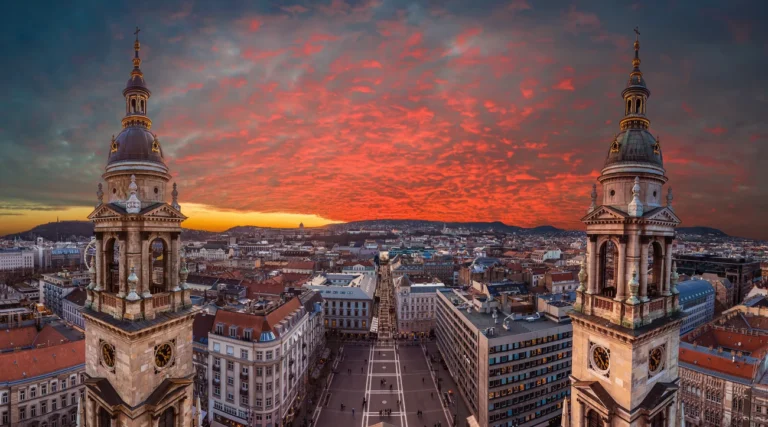
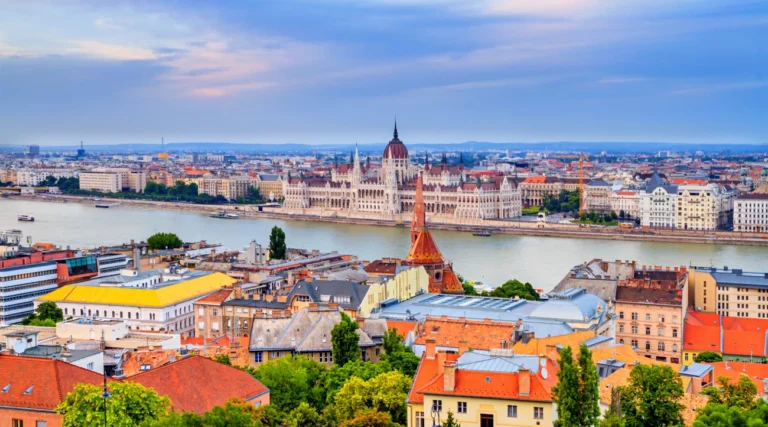
Central Pest is best enjoyed by alternating a landmark with an ordinary street. Walk beside the Danube for the Buda panorama, then turn inland towards the Basilica, a leafy square or a café table. Belváros and Lipótváros together make up District V, but a visit here does not need to become one long checklist of major sights.
- Choose a riverfront stretch and a short inland loop.
- Book individual interiors separately from the neighbourhood walk.
- Leave time for a square, a shop window or a coffee between landmarks.
Two sides of central Pest: Belváros and Lipótváros
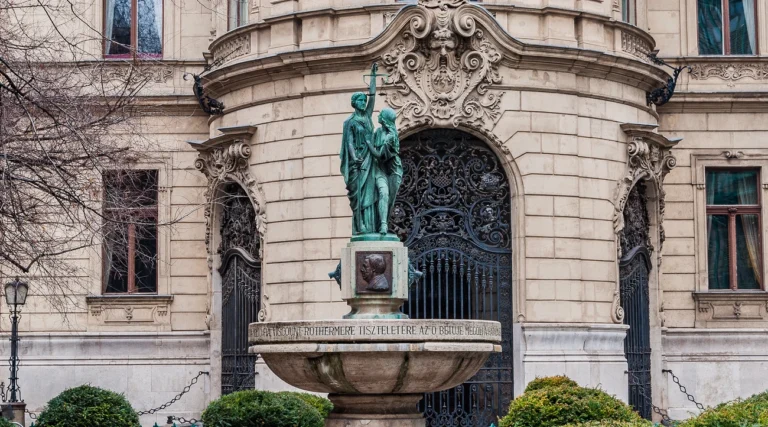
Belváros is the older inner-city area; Lipótváros extends the central story north towards Parliament. For a visitor, the useful distinction is how the streets feel. The southern part offers the Váci utca pedestrian axis, smaller cross streets and the promenade; further north, broader squares and imposing public buildings frame a different kind of walk.
Use the two names to understand your route rather than to draw a hard sightseeing border. The Basilica, Liberty Square and Parliament can form one inland sequence, while a shorter Belváros walk can concentrate on Vörösmarty tér, the river and the streets around Ferenciek tere.
- River panoramas and central landmarks within one area.
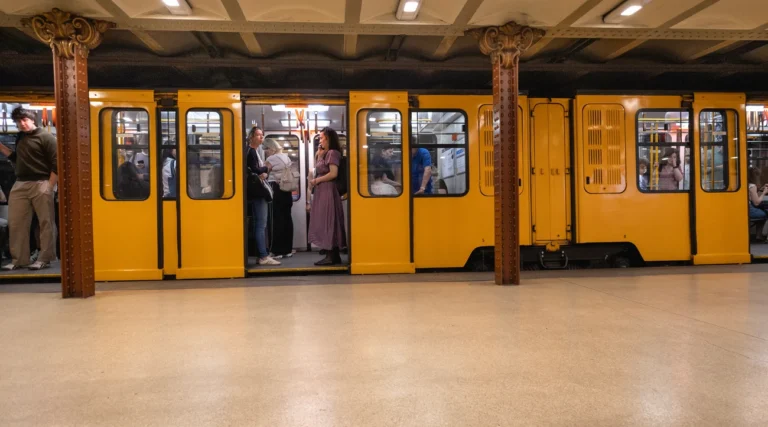
- Several metro stations for beginning or shortening a walk.
- Public streets alongside separately ticketed attractions.
- “Central” can still mean a substantial walk between stops.
- Riverfront roads and tram tracks need proper crossings.
- A pedestrian shopping street is only one part of the neighbourhood.
Six places to build a flexible central walk
Pick three or four of these, then leave the rest for another day. A route that starts near the Basilica and ends by the river works well when you want to mix an interior with open-air time. Reverse the sequence around your booking or the light rather than rushing north and south between appointments.
Turn inland when the riverfront gets busy
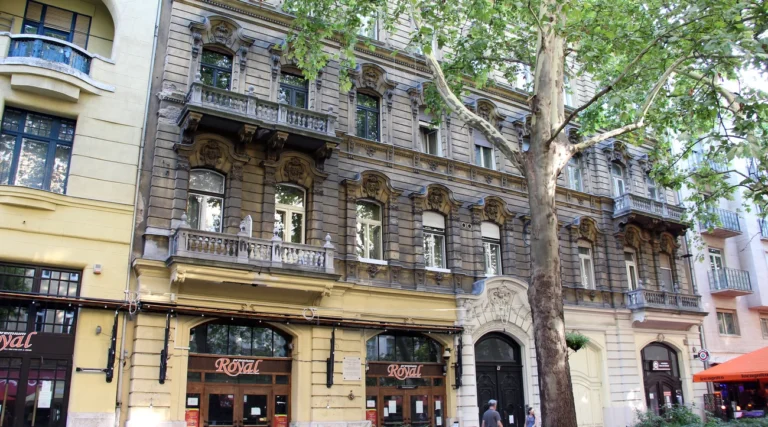
The best change of pace is often one turn away from the main axis. Between the Basilica and Liberty Square, use the smaller connecting streets to notice entrances, stonework and the scale of the buildings. Around the southern centre, alternate the Váci utca axis with cross streets instead of retracing the same stretch.
This is a walking approach, not a promise that every side street is quiet. Deliveries, cafés, offices and residents are part of the district. Enjoy open public spaces without treating a residential doorway or courtyard as an attraction you are entitled to enter.
Coffee, lunch and the street you choose
Choose the pause as carefully as the next landmark. A café works best when it fits the walk you are already making; there is little advantage in crossing the centre twice to tick off another famous address. For lunch, look at the actual menu and what the displayed price includes, especially on the busiest visitor routes.
A terrace facing a square, a smaller indoor café and a quick bakery stop serve different purposes. Decide whether you want a rest, a substantial meal or something to carry, then choose accordingly. Our food guide provides a wider introduction to Hungarian dishes and market meals.
Choose one interior and leave room around it
A neighbourhood walk does not have one entrance ticket. The Basilica and Parliament each have their own visiting arrangements. Choose the interior that matters most to you and make that appointment the anchor of the day; the streets and river views can fill the time around it.
If you prefer a guided introduction, compare the route in our walking-tour guide. Check whether the selected outing remains outdoors or includes a particular interior. A general city walk should not be treated as Parliament admission.
- Do not mistake a city walk for an interior ticket.
- Compare the route with the time you actually have.
- Use designated crossings at riverfront roads and tracks.
- Read menus and service charges before ordering.
- Keep one timed visit as the fixed point.
- Alternate busy streets with a square or a side street.
- Leave time to enjoy the river instead of only photographing it.
- Choose a shorter loop if the weather turns.
Arrive near the part of the centre you want to explore
There is no single station for the whole of central Pest. Deák Ferenc tér is a useful starting point for the Basilica-side streets, Vörösmarty tér for the southern shopping and promenade area, and Kossuth Lajos tér for Parliament. Pick the arrival around your first stop and use another station to finish, rather than returning to the beginning simply because that is where you arrived.
Staying in central Pest: choose the street, not just the district
A central address is useful when it fits the journeys you expect to make. Compare Basilica-side streets, the Parliament end and southern Belváros rather than treating District V as one identical location. Room position, the entrance and the walk from your arrival stop can affect the stay more than the neighbourhood label.
Our Central Pest accommodation guide separates the main bases and compares hotels, guesthouses and apartments. Use it for the booking decision; keep this guide for exploring the neighbourhood.
From the old inner city to a new civic centre
Lipótváros grew beyond Pest’s older inner city on a planned grid of streets. Its early nineteenth-century character was followed by the larger civic and residential buildings that helped make this part of the city a national centre.
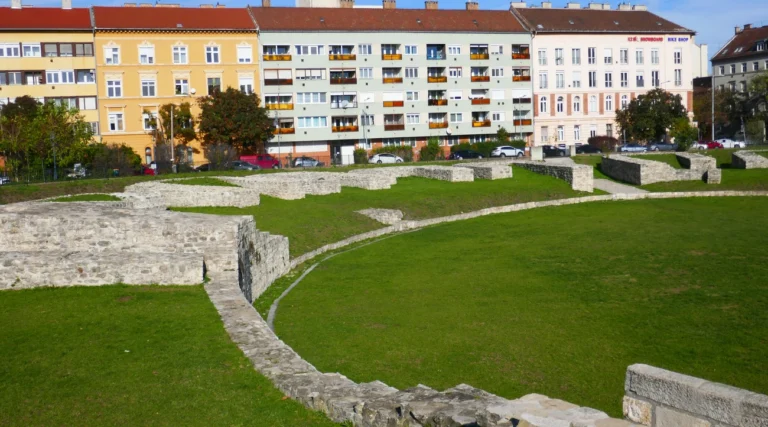
After the 1867 Compromise, development increasingly displaced industrial uses in the northern area. Parliament and major administrative buildings became part of its monumental townscape. The large military New Building was demolished in 1897–98; Liberty Square took its place.
Belváros and Lipótváros were later joined within District V. On a walk today, that layered development is a reason to look beyond the most familiar façade: the streets between the landmarks are part of the story too.
Explore Basilica admission and guided city walks
Belváros and Lipótváros visiting questions