The Hungarian National Gallery gives the royal palace an artistic life. Inside Buda Castle, its collections move from painted saints and carved altarpieces to nineteenth-century scenes, modern experiments and art made after 1945. Come for the paintings and sculpture, then treat any dome visit as a bonus that depends on access and weather.
Choose a few artists or periods before you begin. The Gallery covers a great deal of ground, and a small route leaves more time to look closely than a quick march through every room.
Tickets and hours: permanent collection or temporary show?
Decide which exhibition you want before choosing a ticket. A temporary-exhibition ticket also includes the permanent displays on the same day. A permanent-collection ticket does not automatically cover a separately ticketed temporary show. Leave enough time before the last admission rather than arriving shortly before closing.
Gothic altarpieces: look for the original church setting
The medieval rooms reward a slower start. These painted panels and wooden figures were made for church interiors, where their position and religious purpose mattered. Look at a whole altar before moving closer to the faces, carved details and small background scenes.
From Munkácsy to Csontváry: choose a few paintings
For a first visit, begin with a handful of names and let the differences between them guide you. Munkácsy, Szinyei Merse, Ferenczy and Csontváry offer very different encounters with interiors, people, light and landscape. The following works feature in the Gallery’s own suggested route; loans and exhibition changes can move individual pictures.
Modern Times: painting meets furniture and design
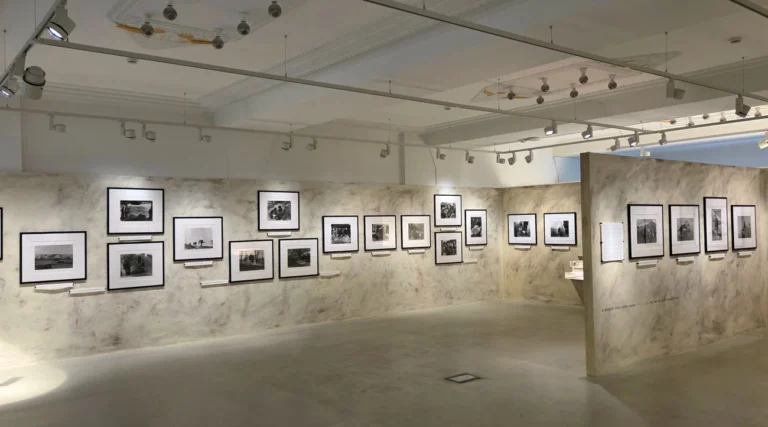
The Modern Times display explores Hungarian art around the turn of the twentieth century and into the inter-war period. Artists associated with the Nagybánya colony, The Eight and the Bauhaus appear within a wider story of changing artistic ideas.
Look beyond paintings alone. Furniture, ceramics and archival photographs help connect art with domestic interiors and design. The Schiffer Villa section, for example, brings together works associated with a home completed in 1911.
If this period interests you most, give it a substantial part of your visit rather than leaving it until you are tired. Visitors interested in later developments can continue to the Gallery’s displays of art after 1945, checking the current arrangement on arrival.
The dome: a view to add when access allows
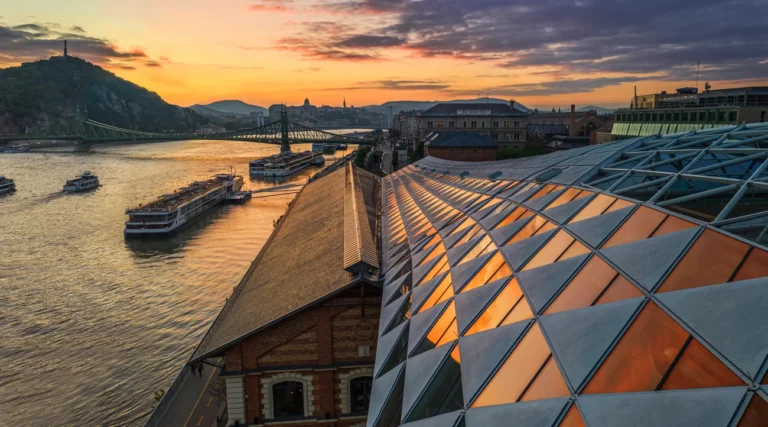
The dome provides a different perspective after the galleries. The museum lists access with an exhibition ticket between10:00 and 17:00, weather permitting, with 54 steps from the top floor and a maximum of 15 visitors on the terraces at once.
Ask about access on the day. Some official pages still carry temporary closure notices, so treat the climb as an optional extra rather than the reason to buy a museum ticket. If it is closed, keep time for the public river-facing terrace outside instead.
Visiting with a city pass: compare the wider itinerary
A single museum ticket is the straightforward choice if the Gallery is your only paid visit. A Budapest Card can make sense when you will also use its other included attractions and transport. Compare the complete plan rather than buying a city pass for one museum alone.
The Gallery lists one included visit to the permanent exhibition for holders of a valid Budapest Card. Present your entitlement at the ticket desk to collect the admission ticket. Temporary exhibitions and specialist visits need their own conditions checked.
- The Gallery is an art museum, not a general tour of furnished royal apartments.
- A ticket for a temporary exhibition also covers the permanent displays that day.
- Last entry is 17:00, even with a ticket already purchased or free entitlement.
- The dome and individual rooms can close; check with staff before making them the focus of your visit.
- Begin with one period or a few works that interest you.
- Allow around 1½–3 hours for the permanent collection, as the museum recommends.
- Ask where your priority painting is currently displayed.
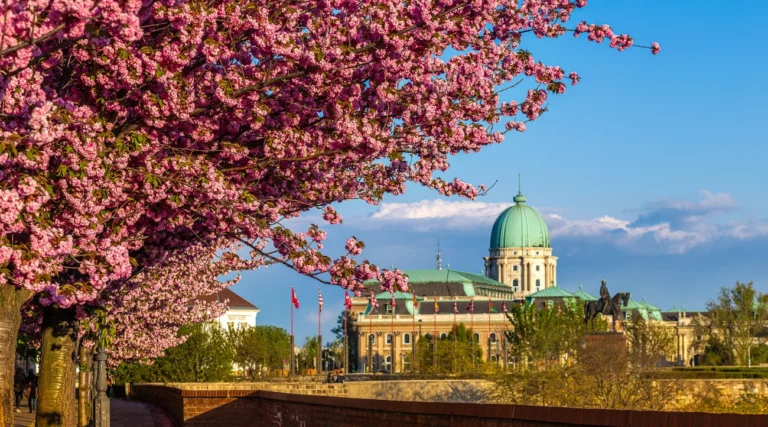
- Leave time outside for the palace setting after your museum visit.
Getting to the Gallery entrance on Castle Hill
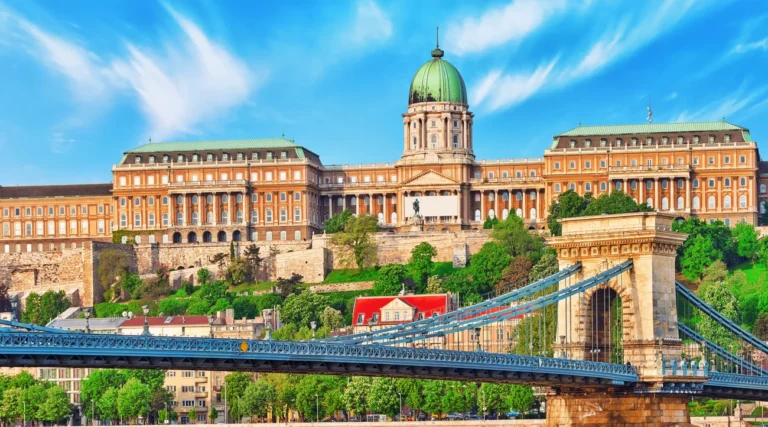
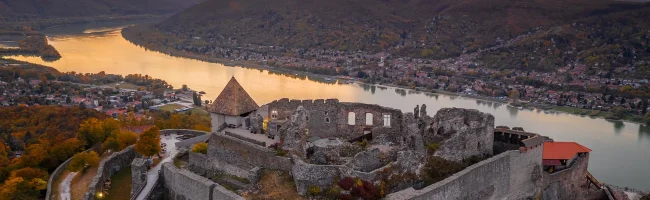
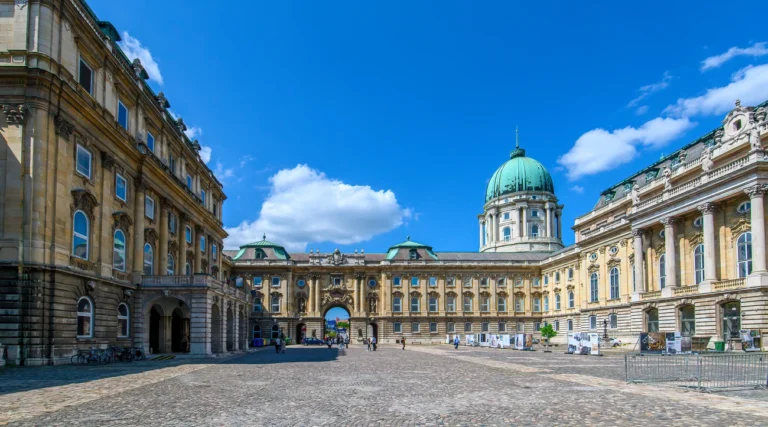
The Gallery occupies part of Buda Castle Palace at Szent György tér 2. Leave time to walk between your arrival point on the hill and the museum entrance, particularly if temporary works divert the usual route.
How a national collection found its home in the palace
The Hungarian National Gallery was founded in1957 to present art from Hungary as a collection in its own right. Its first home was the former Supreme Court building on Kossuth Square. The move to Buda Castle brought the artworks into a very different setting.
The Gallery opened in the rebuilt palace in 1975, occupying wings adapted for museum use. The addition of older Hungarian material allowed visitors to follow a much longer artistic story, from medieval works onwards.
Later permanent displays developed that story further. The winged-altarpiece exhibition opened in the former throne room in 1982, giving objects made for sacred settings a new context within the former royal residence.
The museum’s collections and displays have continued to change. That is a reason to use the current exhibition plan, rather than assuming that an older list of rooms or a historic photograph describes today’s visit.
City passes and guided walks around the palace
Frequently Asked Questions - FAQ