The Shoes on the Danube Bank is a Holocaust memorial, not an attraction to hurry through for a photograph. The cast-iron footwear recalls the Jewish victims murdered beside the river by Arrow Cross militiamen in 1944–45. Pause, read the plaques and leave space for other people who have come to remember.
- The memorial stands on the Pest embankment south of Parliament.
- There is no admission charge or ticketed entrance.
- Allow a quiet stop within a riverfront walk.
Photo: kallerna / Wikimedia Commons, CC BY-SA 4.0. Cropped and resized; the photo adaptation is shared under the same licence.
A free, open-air memorial on the Pest riverbank
You do not need an entrance ticket to visit the memorial. It occupies a public stretch of the embankment on Id. Antall József rakpart. An independently made visit is distinct from a paid guided walk that may discuss the surrounding city’s history.
Daylight makes the details easier to see. The public setting has no museum reception, cloakroom or indoor exhibition attached to the shoes; plan the rest of your visit separately.
What the different shoes ask you to notice
Men’s, women’s and children’s shoes appear together. Their ordinary shapes bring the subject back to individual lives rather than an abstract monument. Look at the size and style of the footwear, then read the plaques instead of judging the site only by the river view behind it.
Make room for remembrance, including in your photographs
Give the memorial a moment before taking out your camera. Read, look and let other visitors stand without being hurried. If you take a photograph, avoid posing on the shoes, stepping between them or moving flowers, candles and stones left by others.
This is a recommendation for a considerate visit, not a request to perform a particular ritual. You can simply stand quietly. With children, explain the meaning in age-appropriate words before approaching, so the objects are understood as a memorial rather than something to climb on.
Why shoes became the memorial’s central image
The footwear refers to the victims being forced to remove their shoes before they were shot into the Danube. Shoes were valuable possessions in wartime. The installation’s everyday objects evoke the people whose lives were taken, without reconstructing the violence itself.
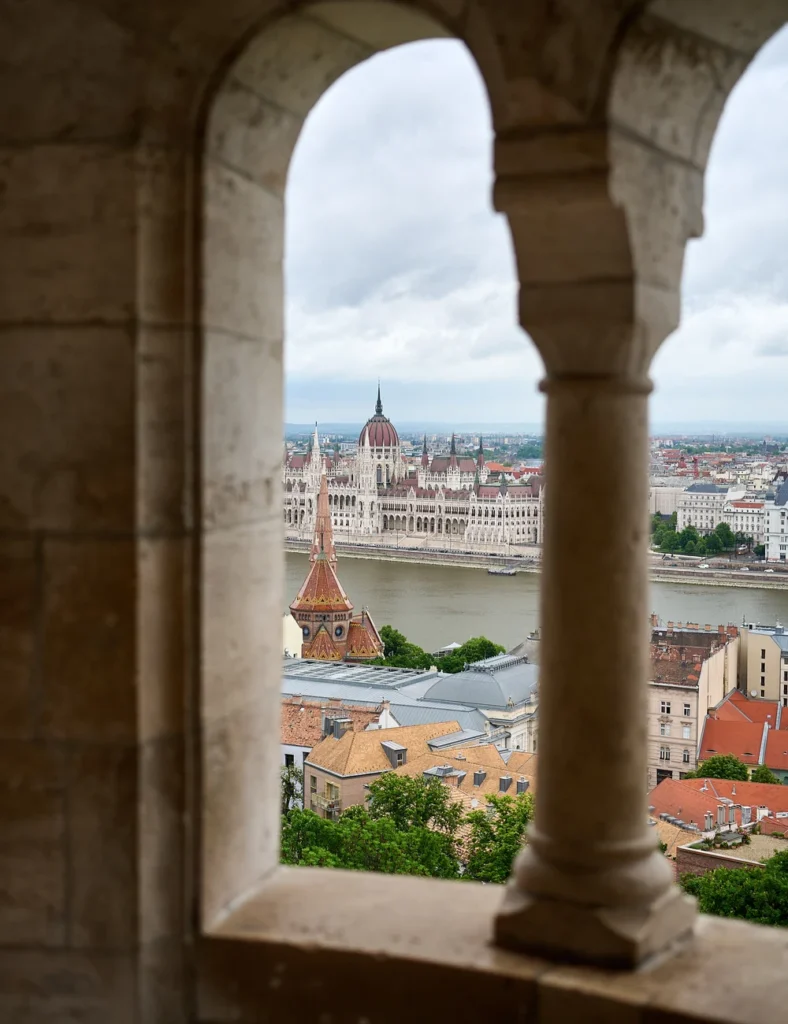
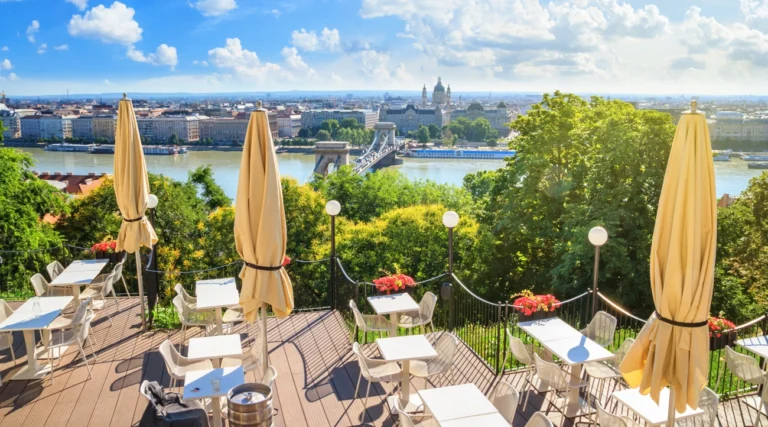
Keep that meaning separate from a picturesque riverside scene. The Parliament building and Buda panorama help you locate the memorial, but the reason to stop here is remembrance.
- No ticket or pass is needed to visit the shoes.
- The plaques provide the dedication in three languages.
- The location is on the Pest side, south of Parliament.
- Nearby interior visits have separate arrangements.
- Use daylight if you want to read and see the small details.
- Leave space around people who are reflecting.
- Keep children close beside the river edge.
- Continue your walk at a pace that allows a proper pause.
Approach from Parliament or the central Pest riverfront
Kossuth Lajos tér is a useful transport point for the memorial. From the Parliament area, continue south along the Pest side to the shoes. A longer central walk can bring you from the Chain Bridge end of the riverfront; use proper crossings when passing roads and tram tracks.
Continue the historical context in the Jewish Quarter
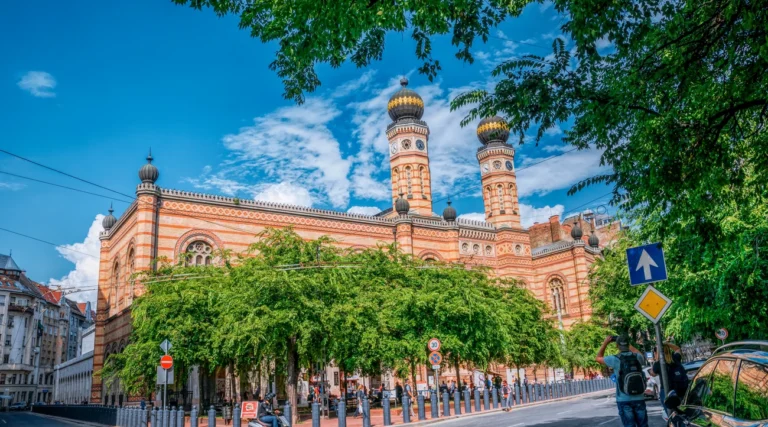
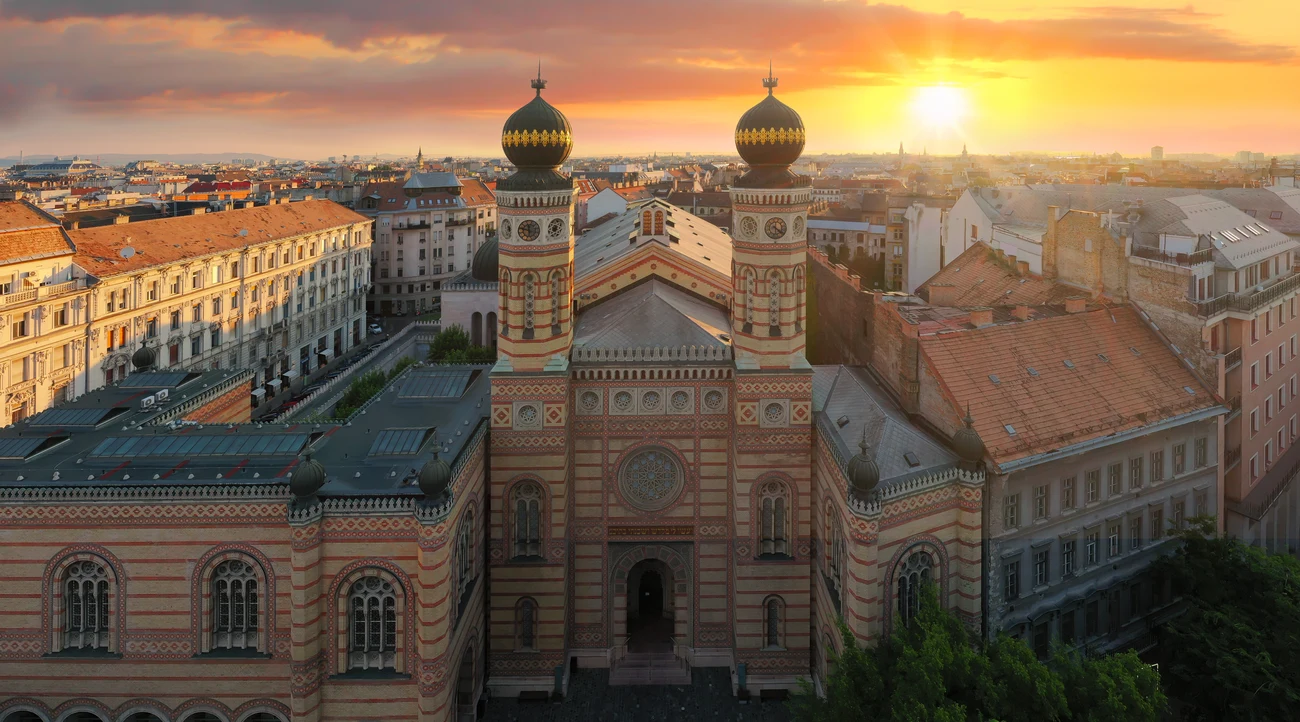
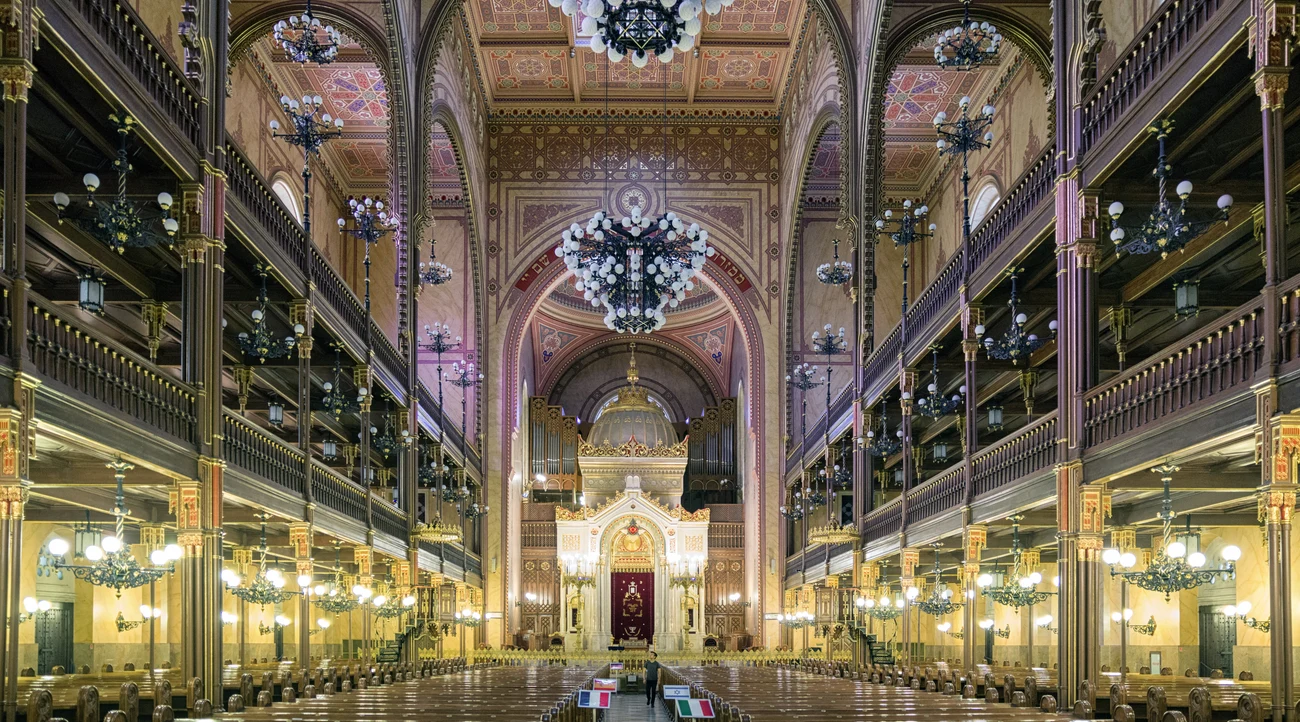
The riverside memorial and the Jewish Quarter offer different ways to understand the city’s Jewish history. The shoes form an open-air act of remembrance; a synagogue or museum visit adds a different setting and more material to explore.
They are separate stops, not adjacent parts of one attraction. If you want both, leave enough time for the journey, the chosen interior’s visiting hours and a pause between emotionally demanding subjects. Our Jewish Quarter guide explains the streets and synagogue settings in more detail.
A memorial created by Can Togay and Gyula Pauer
The installation was dedicated on 16 April 2005. Film director Can Togay and sculptor Gyula Pauer created the work to remember the victims shot into the river by Arrow Cross militiamen during the final months of the Second World War.
The 60 pairs of cast-iron shoes recall styles worn in the 1940s. Rather than placing a heroic figure above the visitor, the work leaves ordinary objects at ground level, asking people to look down and imagine the absence behind them.
The multilingual plaques identify the victims and the perpetrators. Reading that dedication is an essential part of understanding the work; the shoes should not become an anonymous symbol detached from the Holocaust in Budapest.
For a separate synagogue visit or Jewish-history tour
Shoes on the Danube Bank visiting questions