Füvészkert is a living botanical collection tucked into Józsefváros. Visit for the contrast between outdoor paths and tropical glasshouses, the small details of unfamiliar plants and a quieter pace than a landmark-heavy sightseeing day.
- Go to the glasshouses before the end of the visit: they close 15 minutes before the garden.
- Choose ordinary daytime entry for the botanical collections; special events have their own prices.
- Read the plant labels and follow the paths: conservation and university teaching are part of the garden’s purpose.
Opening hours, admission and the glasshouse closing time
The garden normally opens every day, including public holidays, on a seasonal timetable. The ticket desk closes 30 minutes before the garden and the glasshouses close 15 minutes before it. Events, filming or private use can alter access, so check the current opening notice before making a special journey.
These are ordinary daytime prices in Hungarian forints, with approximate euro equivalents. Event admission, guided activities and photography arrangements can differ.
Inside the glasshouses: a different climate behind the door
The glasshouses give the visit its strongest change of atmosphere. Compare the structure of the plants, not just their flowers: broad tropical leaves, climbing growth and the compact shapes of dry-climate species reveal different ways of living.
The collections include palms, orchids, bromeliads, carnivorous plants and succulents. Treat these as collections to explore according to what is open and on display, rather than a promise that every species will be flowering on your date.
Outdoor collections: trees, herbs and a slower circuit
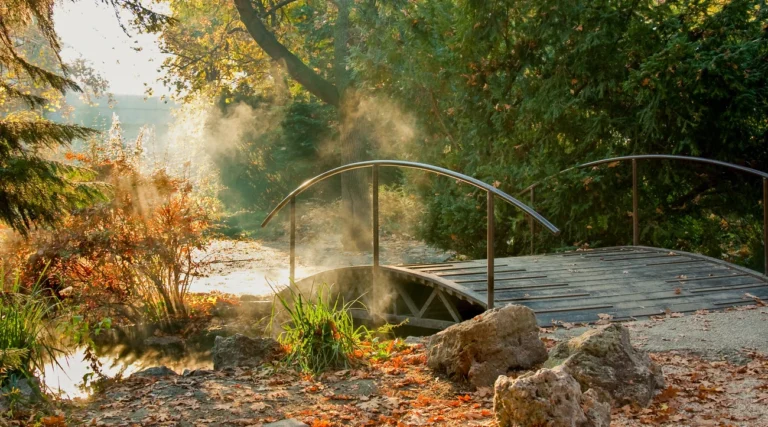
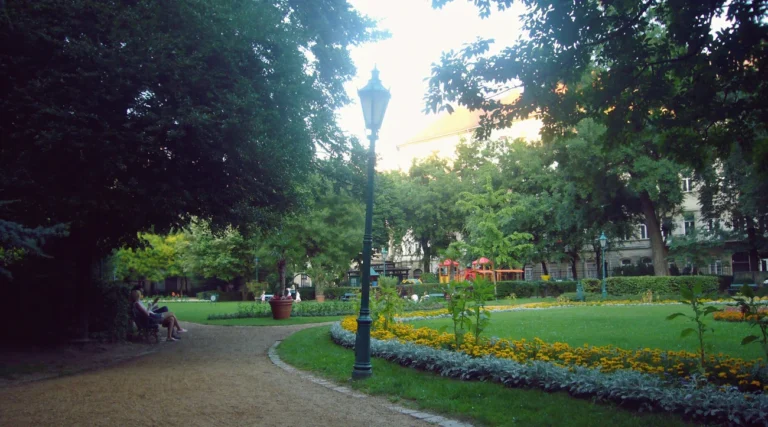
The outdoor garden is more rewarding as a series of small observations than as a route to rush. Its collections include trees and shrubs, hardy subtropical plants, native flora and useful plants associated with medicine, flavouring and dyes. Follow the paths between these areas and allow time to compare them.
Season changes the balance of the visit. Spring flowers, summer foliage and autumn colour each reveal something different; in winter, the glasshouses become a more important part of a short garden outing. Flowering depends on the season and plant cycle, so leave the visit open to what is interesting that day.
The Paul Street Boys: a literary layer among the plants
Ferenc Molnár’s The Paul Street Boys made the Füvészkert familiar far beyond botany. The garden is an important setting in the novel, and that literary association gives the walk another point of entry even if you have never studied plant names.
Keep the historic setting and today’s garden distinct. The grounds lost much of their former area as university clinics expanded; the landscape described in the story is not a plan of the present garden. Read the atmosphere of concealment and discovery as a literary connection, rather than searching for an unchanged scene.
Ordinary garden entry, guided walks and special events
Decide whether you want a botanical visit or a particular event. The ordinary entrance ticket covers a daytime visit, while seasonal programmes can use different prices and arrangements. Specialist guided walks can add context, but their date, language and booking conditions need checking separately.
Private plant photography has a listed photo ticket of 600 HUF (≈ €1.64). Portrait, wedding, family and commercial-style shoots have separate rules and fees; buying ordinary admission does not automatically authorise a planned photo session. Ask the garden which category applies before setting up equipment.
- Glasshouses close first: finish indoor visits 15 minutes before the garden closes.
- Entry ends earlier: the ticket desk closes 30 minutes before closing time.
- Special use: events and filming can alter opening or admission.
- Young children: the published registration ticket for children below school age is 200 HUF (≈ €0.55).
- Visit the glasshouses early enough to enjoy them without watching the clock.
- Keep plant displays for looking, without picking leaves or collecting material.
- Ask about photography categories before organising a portrait session.
- For mobility requirements, confirm the current routes and glasshouse entrances with the garden.
Getting to Illés utca in Józsefváros
The entrance is at Illés utca 25. The garden lists M3 Semmelweis Klinikák and Nagyvárad tér as metro approaches, followed by a walk. Bus 9 and trolleybus 83 to Kálvária tér provide another way into the area.
Use the actual gate as your destination in BudapestGO, rather than a pin somewhere in the collection. Street parking nearby is paid, and a metro or trolleybus arrival avoids making parking part of a short garden visit.
Keep the rest of the day on the Pest side
A garden visit works well as one unhurried part of a Pest-side day. Return towards the centre for another cultural stop, or leave the afternoon open rather than making a long cross-city transfer immediately afterwards.
The Hungarian National Museum is a separate visit farther towards the centre, with its own exhibitions, ticket and timetable. Use the guide below to decide whether to combine the two; it is not part of garden admission.
From medical teaching to a garden in Józsefváros
Jakab Winterl founded the university’s botanical garden in 1771 in Nagyszombat, now Trnava in Slovakia. It supported medical and pharmaceutical teaching while also studying the region’s flora. Several moves followed before the university acquired the Festetics estate in Józsefváros in 1847, the garden’s home today.
The nineteenth century brought major additions, including the palm house built in 1864–65 and the Victoria House in 1893. The garden’s scientific collections developed alongside its growing public and literary identity.
Expansion of the university clinics reduced the grounds substantially before the First World War. The Second World War caused further losses, followed by restoration and new glasshouses. The garden was declared a protected natural area in 1960. Its present role joins education, research and conservation with the pleasure of a garden visit.
City passes and guided walks for the wider visit
Füvészkert visiting questions