Liberty Square (Szabadság tér) is a useful pause between the Basilica and Parliament, but its memorials reward more than a quick photograph. Trees and grand façades frame several different accounts of Hungary’s past. Read them separately, then leave time simply to enjoy the neighbourhood.
- The public square is free; it is not an attraction with a general entrance ticket.
- The Soviet memorial and the German-occupation memorial commemorate different events.
- The personal objects and messages beside the latter belong to a counter-memorial, not a decorative display.
- A garden or playground pause can make this a worthwhile stop even without a long historical visit.
Start with a circuit, then choose where to linger
Rather than going straight from one statue to another, begin with a slow circuit of the paths. Notice the buildings around the green centre, then return to the memorials you want to understand. Allow 30–45 minutes as an editorial planning estimate; reading, a playground stop or a café break can easily extend it.
Two memorials that tell different stories
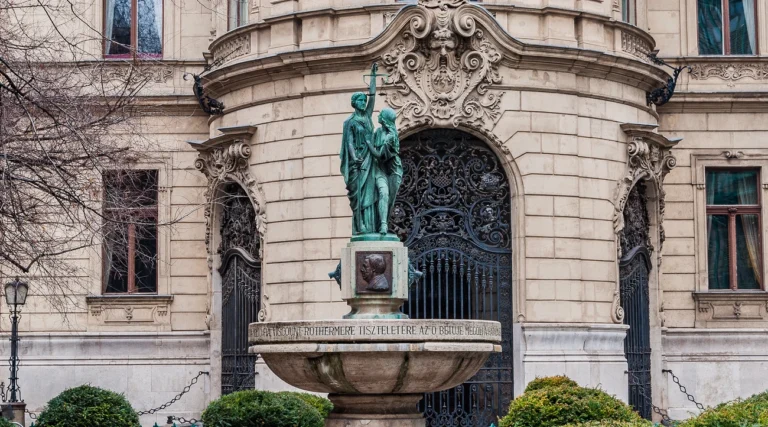
The Soviet war memorial recalls the Red Army soldiers associated with the battle for Budapest. The monument to the victims of the German occupation addresses a different part of the Second World War. Their presence on one square does not make them a single memorial or a simple, agreed account of the past.
Near the occupation monument, the Living Memorial developed through personal photographs, messages and everyday objects. Researchers describe it as a challenge to the state monument’s portrayal of Hungary solely as a victim, with particular attention to the persecution of Hungarian Jews. Give those testimonies space: read what is displayed and leave objects where they are.
Look beyond the statues to Lipótváros’s grand façades
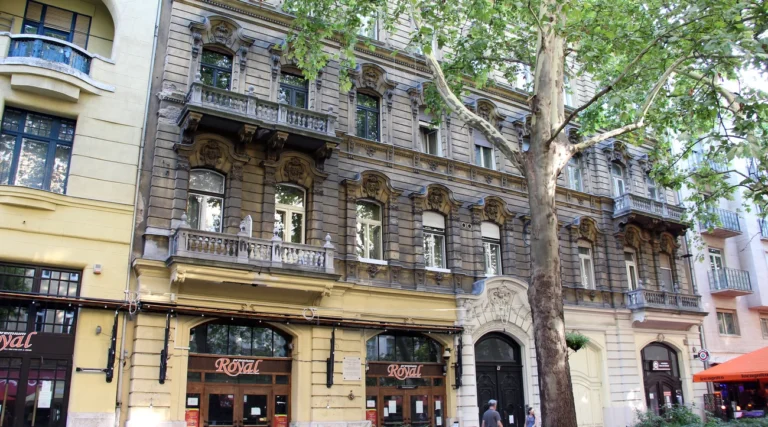
Step back from the memorials and look at the scale of the surrounding buildings. The Hungarian National Bank headquarters, built in 1905, belongs to the square’s grand institutional setting. An exterior view is different from visiting an interior: do not assume that the buildings around the square operate as walk-in attractions.
For photography, a wider view from the garden paths often explains the relationship between architecture and green space better than standing directly beneath a façade. Keep entrances and pedestrian routes clear.
Gardens and a playground pause with children
The southwestern playground gives families a practical reason to stop. The district renewed it with equipment for different ages and some accessible features, including a partly accessible sand area. It is fenced and closes for the evening, so follow the gate notices rather than assuming the playground shares unrestricted square access.
For an easier family visit, alternate a short look at the square with time to play. The memorial objects deserve care; the playground is the better place for climbing and energetic activity.
- The square is free; nearby interiors are separate.
- Memorials address different events and viewpoints.
- Leave photographs and objects at the counter-memorial in place.
- The fenced playground has its own access arrangements.
- Start with a circuit before choosing detailed stops.
- Use daylight for façades and inscriptions.
- Keep entrances, paths and remembrance areas clear.
- Allow extra time if combining the square with Parliament or the Basilica.
Walk here from the Basilica or Parliament
Arany János utca (M3) and Kossuth Lajos tér (M2) are useful metro approaches for different sides of this central Pest walk. Choose the stop around your route rather than making a special journey just to cross the square. For a visit from the Basilica, walk through the surrounding streets; towards Parliament, continue along Vécsey utca.
A base around the Basilica and central Pest
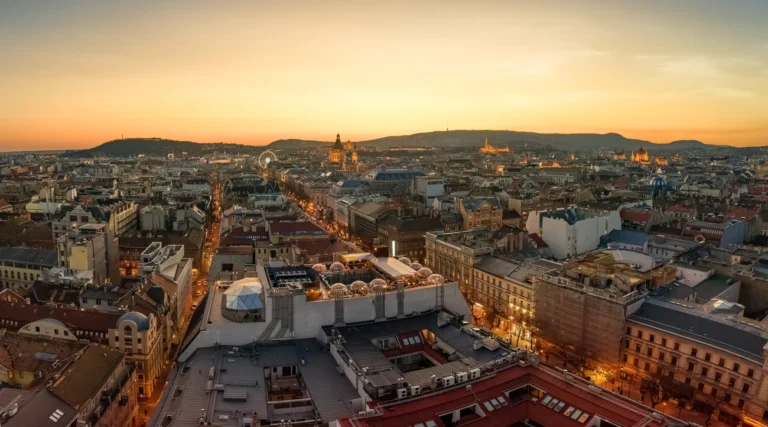
If your plans centre on the Basilica, Parliament and the Pest riverside, compare accommodation in central Pest. Check the exact street and evening surroundings: being close to several sights does not make every room equally quiet. A useful base is one that suits your nights as well as your daytime route.
A public square shaped by changing memories
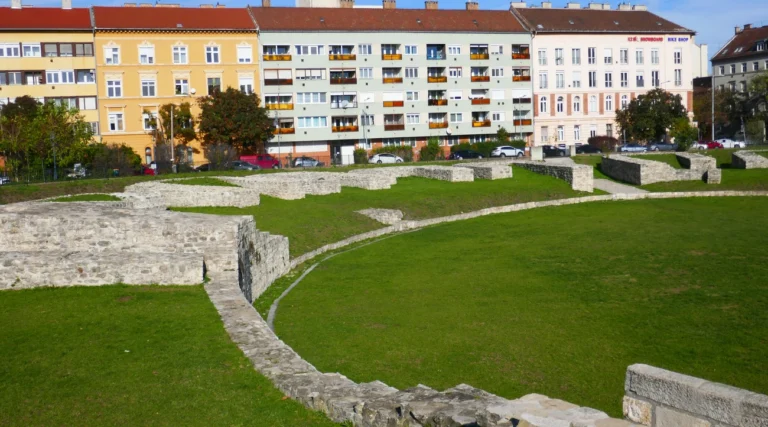
The square occupies a site once dominated by a large Habsburg barracks and prison complex. Its later public form brought gardens and institutions into a space already marked by political history. Today’s memorials add further layers rather than replacing that past with a single story.
The proximity of Soviet commemoration, American figures and the contested occupation monument makes this an unusually concentrated place to consider public memory. Their dedications come from different moments and circumstances. Reading them together is useful, provided each is understood in its own context and personal testimony is given the same attention as monumental stone.
Basilica admission and a wider guided city walk
Liberty Square visiting questions