Plan the complete journey, from your room to the room you want to visit. Budapest has useful step-free metro connections and adapted museum entrances, alongside hills, older stations and routes that still need a different approach.
- Check the exact station entrance and current lift operation.
- Ask the attraction about its visitor route and any assistance you need.
- Choose accommodation by room and bathroom details, not a general accessibility label.
Start with Pest, Castle Hill and the journey between them
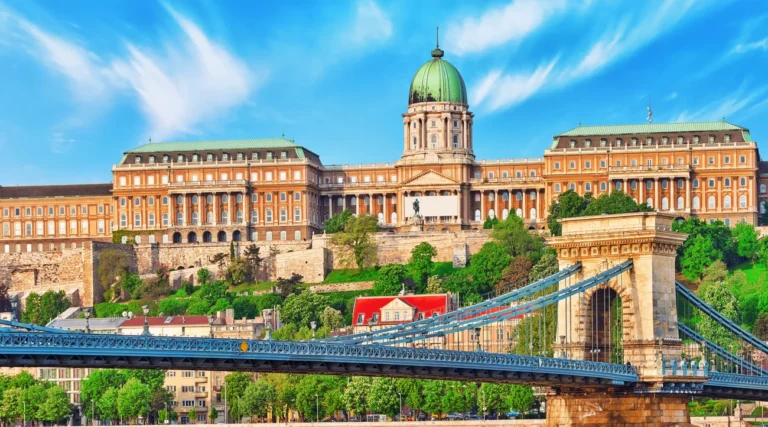
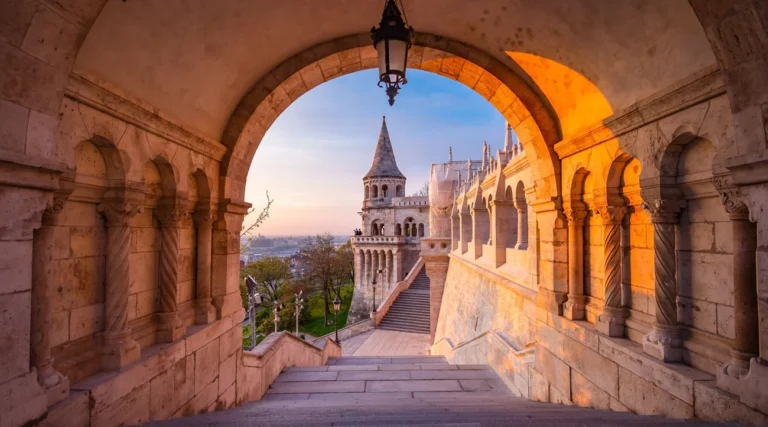
A river-level arrival is not the same as reaching the palace. Start with a manageable area and one main visit. A Pest-based day can avoid repeated hill journeys; a Castle Hill visit needs its own approach, entrance and return plan.
Describe the access you need when contacting a venue: the mobility aid you use, whether steps are possible, the support you want and the spaces you intend to visit. A general answer about the front door may leave important parts of the outing unresolved.
Ask for a concrete route. “Which entrance should I use, and how do I get from there to the exhibition and toilet?” is more useful than asking whether an entire historic building is accessible.
Four places where the final approach matters
A gallery courtyard, an underground platform, an airport arrival and a bridge crossing involve different checks. These examples help you separate the building or vehicle from the journey to it.
Metro, tram and bus: check the whole connection
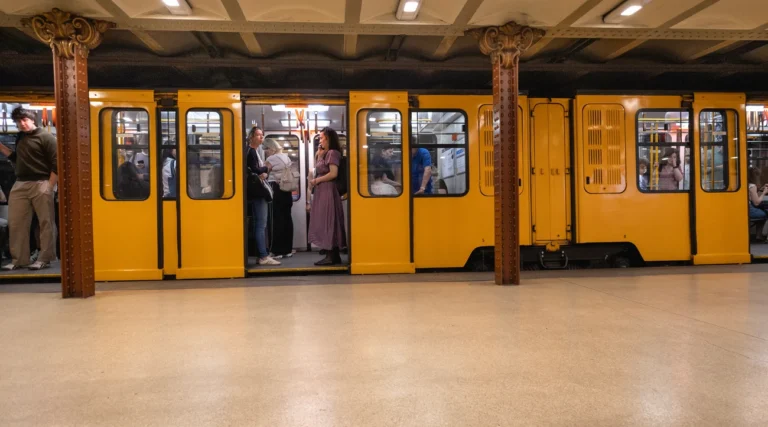
Use BudapestGO’s accessible-journey settings and examine the selected service. BKK distinguishes low-floor vehicles from the stop and platform arrangements. Check both ends of the journey and current service changes.
- Use the exact entrance named by the museum or operator.
- Keep time for staff assistance and the final journey from transport.
- Check current lift and service information before setting off.
- Do not treat an accessible vehicle as proof that every stop works for you.
- Do not buy a standard tour before confirming the route and assistance.
- Do not infer step-free access from an attractive building photograph.
At the National Gallery, separate collection access from the panorama
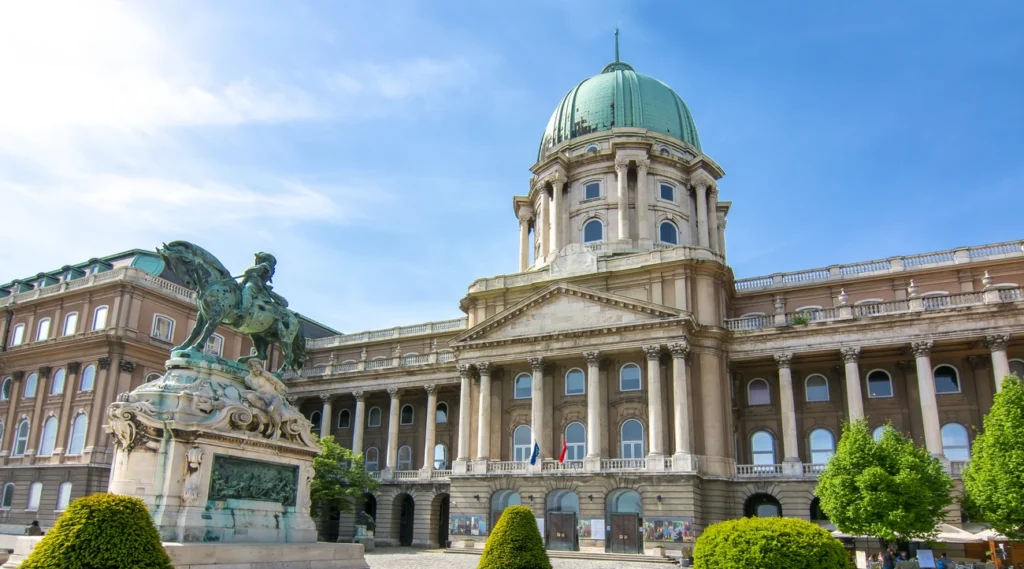
Choose the collection spaces you want to see. The Gallery provides lifts in its main building and has a limited number of wheelchairs to borrow. Its folding stools are for permanent-exhibition halls. Ask staff what is available for your visit rather than relying on equipment being free when you arrive.
The dome, crypt, temporary exhibitions and outdoor terraces can have different arrangements. Confirm the areas that matter to you before buying admission. If you may qualify for a concession or companion ticket, check the eligibility evidence and ticket-desk process directly; a commercial admission is not a substitute for that enquiry.
Historic interiors, boats and sensory needs require separate questions
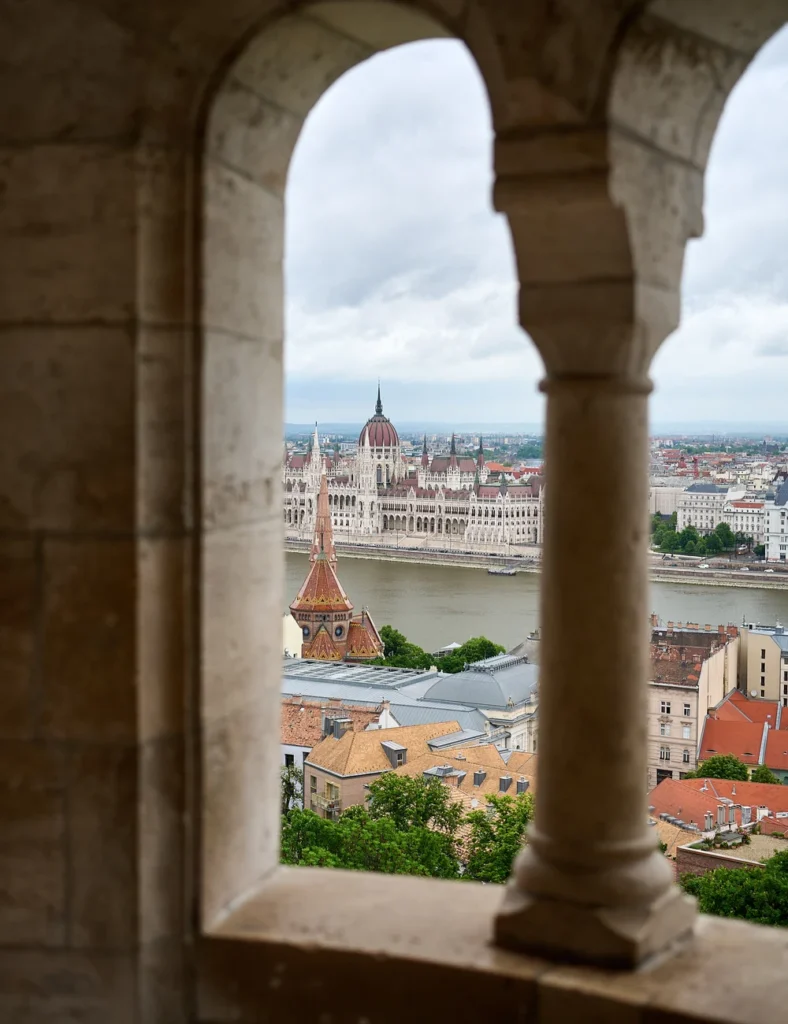
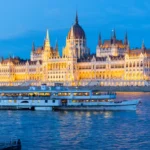
Name the experience rather than a general landmark. For Parliament, ask about the confirmed interior visit, its language, the visitor entrance and the assistance required. A walking tour that discusses the exterior is a different outing.
For a river cruise, confirm the vessel, boarding ramp, wheelchair space and toilet, including the conditions at the actual dock. For immersive art, ask about flashing light, sound levels and the option to leave the room. These are different requirements; an adapted entrance alone does not answer them.
Compare admissions and tours after confirming access
These pages compare museum admissions and Parliament visit formats. A booking listing is not a confirmation of access. Resolve the venue’s route, assistance and any companion entitlement first, then select an offer that matches those arrangements.
Choose your base by the room, bathroom and journey outside
Ask the property for the details you need in writing. Check the entrance, lift dimensions, doorway widths, bed transfer space, shower arrangement and toilet supports. Confirm that the room with those features is the one being reserved.
Central Pest can reduce repeated hill journeys, while a Castle Hill address may suit a trip focused on Buda. The exact property and street matter more than the neighbourhood label. The map below compares locations; it does not certify an accessible room or route.
Questions about planning an accessible Budapest visit