Zugló combines City Park, major museums and Széchenyi Baths. Choose one indoor priority, then let the park connect the rest. A public park walk needs no combined ticket; museums, exhibitions and baths have separate admission arrangements.
Separate City Park from the wider district
Use City Park as an introduction, not a synonym for every part of Zugló. The visitor cluster around Heroes’ Square and Városliget makes a coherent outing. An accommodation address elsewhere in the district needs its own journey check; a district label alone does not tell you how far you will walk to the park.
This guide is about exploring the neighbourhood. For a bed, room type or accommodation comparison, use the separate City Park and Zugló stays guide. That keeps a walk through the area distinct from the practical decision of where to spend your nights.
- A public park walk can be the main visit.
- M1 serves Heroes’ Square and the Széchenyi side of the park.
- Museum architecture can be enjoyed separately from paid exhibitions.
- Zugló is much larger than the City Park visitor cluster.
- A bath and several substantial museums will not fit a short afternoon.
- Széchenyi does not admit under-14s for ordinary leisure visits.
Six anchors around City Park
These are alternatives for shaping a day, not six entrances to book. Use Heroes’ Square and the park to connect the museum or bath that interests you most.
Heroes’ Square gives the visit a clear starting point
Begin at Heroes’ Square if you want an easy transition from a formal city space into a greener outing. Pause at the square before choosing a museum or continuing into the park. The Museum of Fine Arts is a separate indoor visit, not an automatic part of a walk past its building.
For a short visit, choose the square and a park loop. If art is the priority, reserve more of the day for the museum and leave the rest flexible. This is more realistic than trying to fit several substantial collections around a fixed lunch and a bath booking.
Choose music or ethnography for an indoor focus
The House of Music Hungary and the Museum of Ethnography offer different kinds of visit. Choose music for a sound-led experience, or ethnography for objects and cultural perspectives. Read the exact exhibition or programme description before reserving; a building visit and a paid exhibition are not interchangeable.
The House of Music can also be appreciated from the park through the relationship of its roof, glass walls and trees. That architectural stop does not itself include a concert or exhibition. At the Museum of Ethnography, the City Park Visitor Centre on the Heroes’ Square side is useful for orientation and information about the day’s park programmes.
Keep Vajdahunyad and the park as breathing space
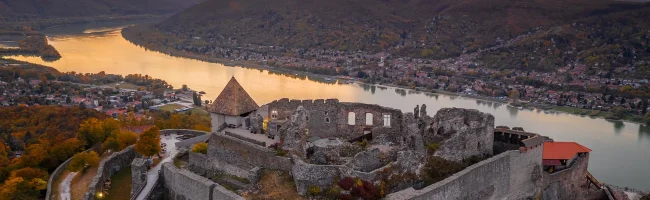
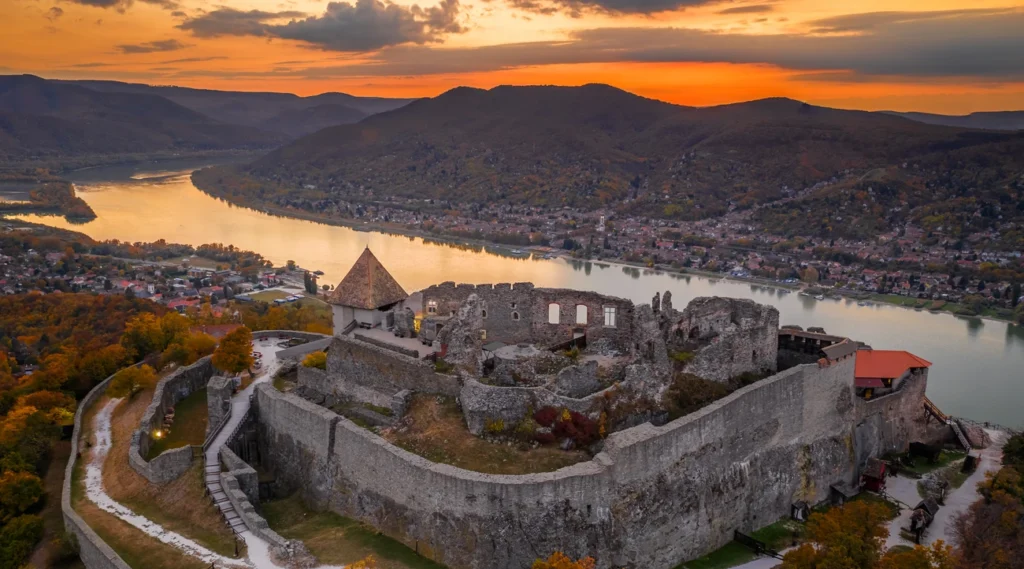
Vajdahunyad gives an outdoor walk a strong visual destination. Decide separately whether you want the courtyard and views or an indoor museum visit. Keep time for the paths between buildings, rather than measuring the outing only by the number of entrances used.
Families can make the park itself the main activity. The free City Park with Kids guide develops that version of the day, without assuming that every child needs a museum ticket or an adult bath visit. Choose a comfortable turnaround point and preserve time for a rest before travelling back.
- Do not interpret a district hotel label as a guarantee of walking distance to the park.
- Do not assume a building visit includes its paid exhibitions.
- Do not plan an ordinary Széchenyi visit with children under 14.
- Choose Hősök tere for a square-and-museum start.
- Keep the paths around Vajdahunyad as a break between interiors.
- Use the dedicated City Park with Kids guide for a playground-led outing.
Plan the approach and the way back
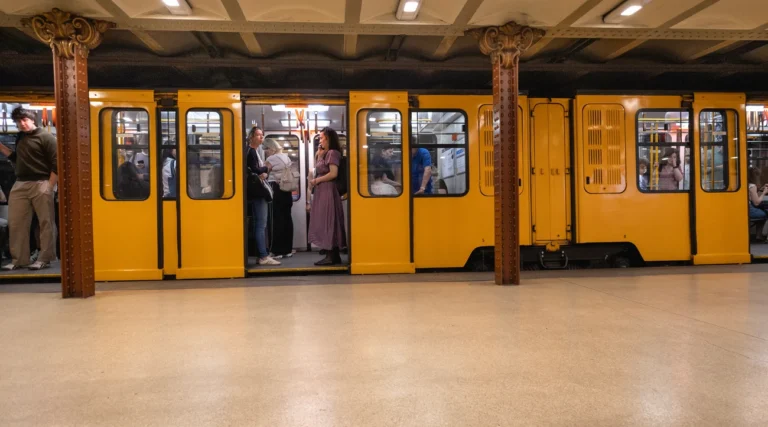
M1 is the useful metro corridor for the Heroes’ Square and Széchenyi side of the visit. Choose the stop for your first destination rather than arriving at the park and walking back across it. Use the metro guide and current journey planner for service changes and connections.
If you are staying elsewhere in Zugló, check the actual street address and the final approach. Do the same before booking an evening programme: a nearby venue on a district map can still require a different return journey from the one you used in the morning. Keep a rainy-weather alternative to a long outdoor loop.
A Széchenyi booking changes the shape of the day
If bathing is the priority, give it a proper block of time. Use the dedicated Széchenyi guide to compare the locker, cabin and entry arrangements relevant to your selected ticket. Do not squeeze a bath visit into the space left after several museums.
A park walk can sit before or after the bath, but the bath is not a substitute for a family pool suitable for every age. The operator excludes visitors under 14. Groups with younger children should plan a different activity instead of assuming that an accompanying adult makes admission possible.
City Park’s older collections and newer cultural buildings
The Museum of Ethnography’s connection with City Park reaches back to the Millennium Exhibition of 1896. Its collection was shown in the exhibition’s Ethnographic Village and later in the park’s Industrial Hall. The present museum therefore adds a new building to a much older local connection.
Marcel Ferencz’s contemporary museum uses two rising, planted forms joined below ground. The roof and the façade’s patterns make the outside part of the architectural visit, while the galleries lead into the collection itself.
Nearby, the House of Music Hungary brings another relationship between landscape and culture: glass walls and a perforated roof sit among the trees. Read the park as a succession of different cultural settings rather than one attraction with a single ticket.
Compare bath admission or choose a guided city walk
Zugló: questions before visiting