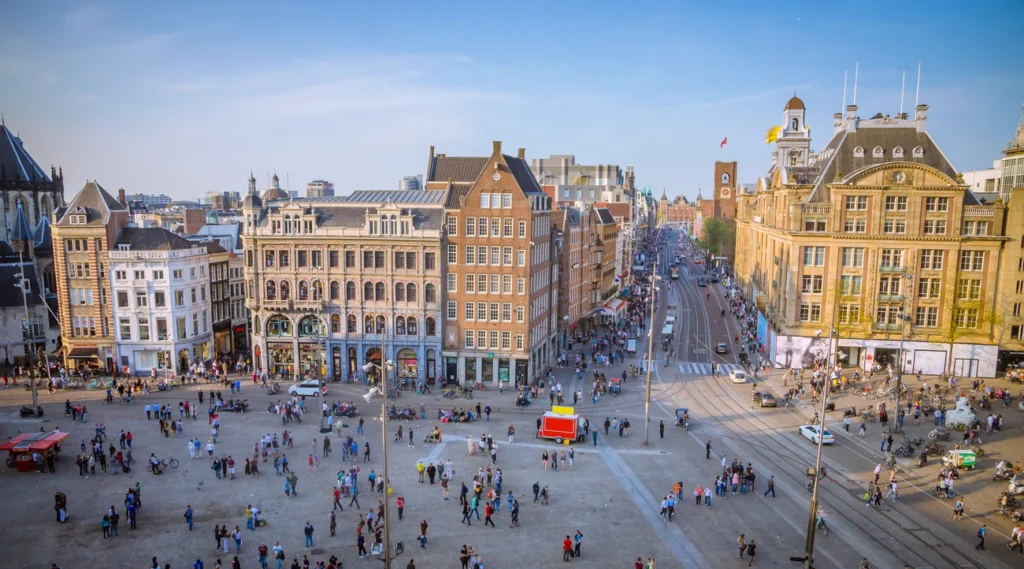
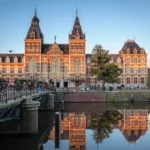
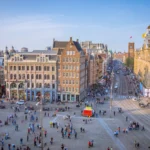
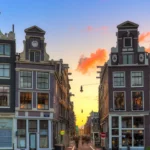
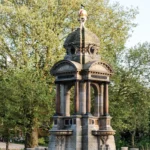
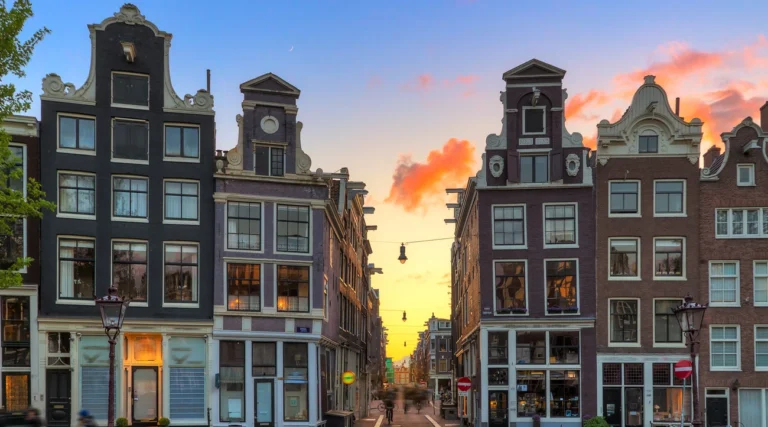
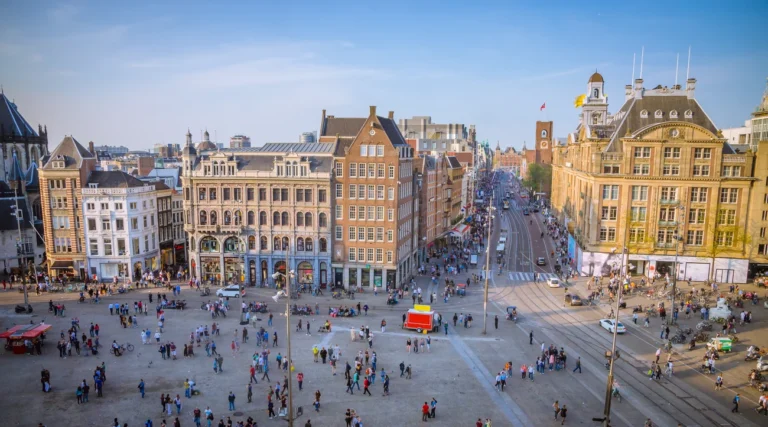
Rembrandtplein changes character through the day. In daylight, the painter’s statue overlooks terraces and people crossing between the old centre and the Amstel. Later, the square becomes one of Amsterdam’s familiar nightlife meeting places. Its earlier name, Botermarkt, recalls a very different life as a butter market.
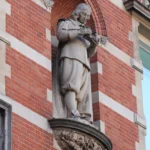
Find Rembrandt’s monument by Louis Royer.
Compare a quiet daytime stop with the busier evening atmosphere.
Continue towards Thorbeckeplein and the Amstel.
Treat café, club and guided-activity bookings as separate from free square access.
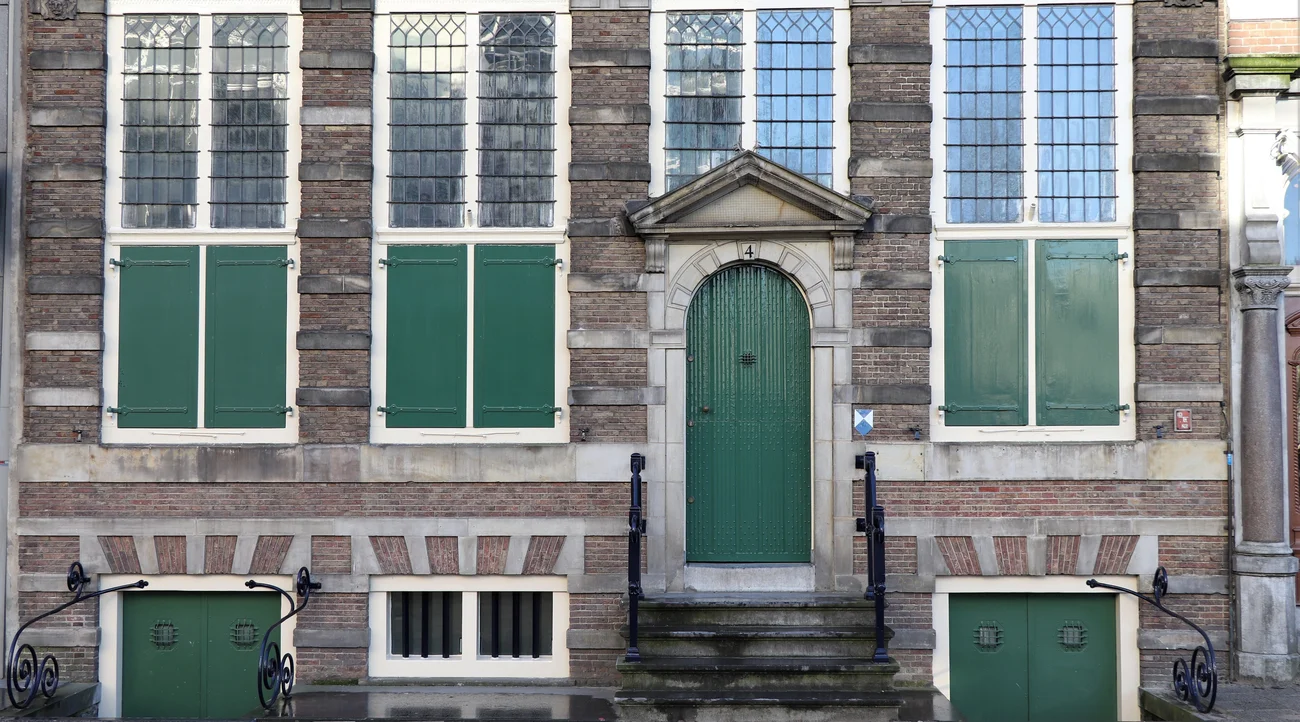
The square is not the location of Rembrandt’s former home.
The perfect stop from daylight to evening
A short daylight pause lets you see the monument and understand the square’s layout before the evening crowds arrive. Sit at a terrace if you wish, or use the square as a link between the southern old town, Utrechtsestraat and the river.
What to see around Rembrandtplein
Begin with the painter’s monument, then explore the edges of the square. Rembrandtplein is best enjoyed as a social urban space with several onward walking choices, rather than a large collection of ticketed sights.
Quick summary of a Rembrandtplein visit
Allow a short architecture and orientation stop, or longer for refreshments. Daytime is generally the better fit for visitors interested in the monument; an evening visit has a different rhythm and requires its own transport plan.
Explore Rembrandt’s city or the square’s nightlife
Rembrandtplein is free to explore. The three optional experiences below connect it with different interests: a self-guided city audio route, a Rembrandt-focused museum-and-neighbourhood walk and a pub crawl ending in the Rembrandt Square area.
The audio route has no live guide. The Rembrandt walk combines a wider route with the separate Rembrandt House Museum, away from this square. The pub crawl is an adult nightlife activity: check its selected route, minimum age, meeting point and club conditions. None is a general admission ticket to Rembrandtplein.
Square access is free; venues and booked activities have separate conditions.
Rembrandt’s former home is on Jodenbreestraat, not on Rembrandtplein.
Older photographs may show the Night Watch figure group that was removed in 2020.
Nightlife can bring noise, queues and changes to pedestrian flows.
Choose daylight for a clear view of the monument.
Compare menu prices before sitting at a terrace.
Arrange a precise meeting point rather than simply naming the square.
Check your late-night journey home before an evening out.
How to reach Rembrandtplein
Rembrandtplein lies south of the medieval centre, near Reguliersbreestraat, Utrechtsestraat and the Amstel. Tram services use the surrounding streets; Rokin and Waterlooplein are alternative metro approaches followed by a walk. Check GVB for your current route and any evening diversions.
From butter market to the painter’s square
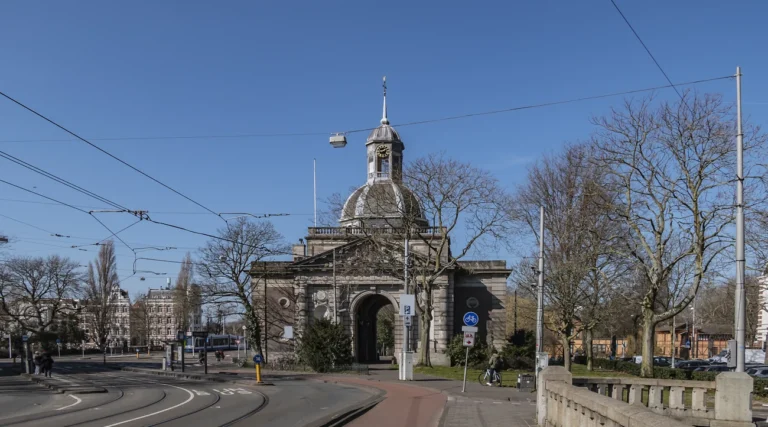
Before its association with the painter, this area was known as the Botermarkt. Market trading and entertainment shaped its identity. The former Regulierspoort became part of the expanded city rather than a gate on its edge, and served the dairy trade as a weighing house.
In 1852, a monument to Rembrandt by Louis Royer was unveiled on the Botermarkt. The statue made the painter a permanent presence in a public space that he had not given his name to during his lifetime.
The square was renamed Rembrandtplein in 1876. Changes to the market and the position of the monument helped create a more ceremonial urban setting, while cafés and entertainment gradually strengthened the area’s reputation for leisure.
The square continues to change. The large sculptural group inspired by the Night Watch, familiar from many older travel photographs, was removed in 2020. The Rembrandt monument remains the central historical reference. A contemporary visit should distinguish this public memorial from the museum collections and the artist’s former home elsewhere in Amsterdam.
Details behind the Rembrandt monument
A market name came first: Botermarkt means butter market.
The Rembrandt monument was unveiled before the square took his name.
The monument is cast iron; avoid assuming every dark public statue is bronze.
The painter’s house and the square are separate places with different visiting arrangements.
Rembrandt House tickets and Amsterdam walking experiences
Find your stay near Rembrandtplein
Staying near Rembrandtplein, the Amstel or Utrechtsestraat places you close to central walks and evening venues. Compare room orientation and sound insulation carefully: proximity to nightlife can mean late noise. Check stairs, lift access and the exact transport approach before booking.
Rembrandtplein visiting questions
More activities and experiences in Amsterdam