
































Spui: Bookshops, Markets and the Spirit of Het Lieverdje

Explore the bookshops and markets of Spui, its café culture and the stories of Het Lieverdje and the Provo movement.

In short

Spui is one of central Amsterdam’s most appealing places to slow down with a book, a café stop or a look at the surrounding façades. Its small statue, Het Lieverdje, connects everyday street life with the city’s history of protest. The name preserves an older relationship with water, even though the square and connecting street are now on dry land.

  • Look for Het Lieverdje, the square’s small but symbolic statue.

  • Browse the bookshops and check the market calendar.

  • Look at the Maagdenhuis façade and entrance.

  • Continue towards the nearby Begijnhof with respect for its residents.

  • Combine the square with the Singel and Rokin approaches.

☰ Table of content

The perfect stop for books, cafés and city stories

Spui works well as a pause between the shopping streets and canal belt. Look above the shop windows, find the statue and leave time to browse. A market day offers a different experience from a quiet morning, while cafés make the square a useful meeting point throughout a central-city walk.

  • Recommended stop time 20–30 min

    For the statue, façades and an orientation walk; add time for bookshops, markets or refreshments.

  • Local customs

    Ask before handling books or photographing people, leave market aisles clear and keep nearby residential courtyards quiet.

What to see around Spui

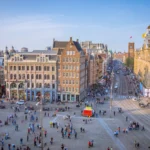
The square’s character comes from the combination of books, cafés, architecture and public life. Begin outside, then choose whether to browse a shop, explore a market or continue into a nearby courtyard when visitor access permits.

1

Het Lieverdje Must see

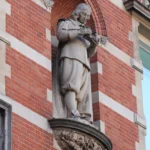
Find Carel Kneulman’s small statue and consider its connection with the city’s countercultural history.

2

Bookshops and book market

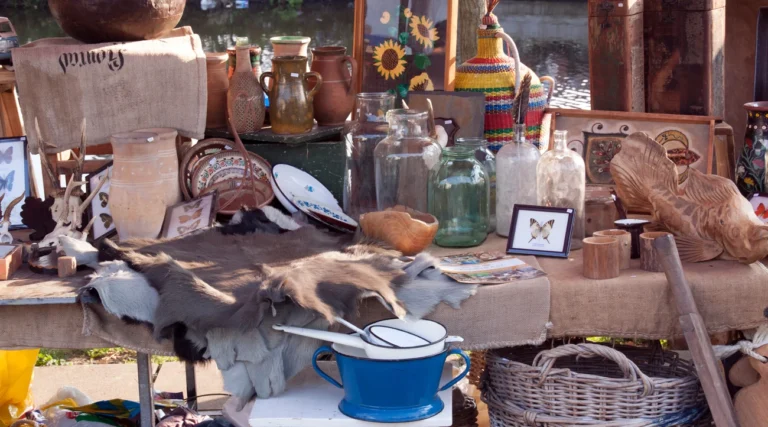
Browse the surrounding shops; the usual Friday market offers a separate outdoor browsing experience.

3

Maagdenhuis façade

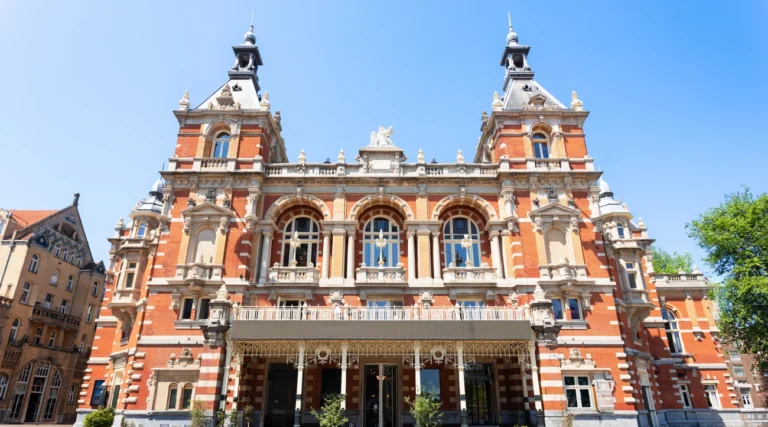
Look at the brick front and decorated entrance from the square, without assuming public access inside.

4

Art market

On scheduled Sundays, artists present their work on the square. Check the season and weather arrangements.

5

Begijnhof approach

Continue towards the courtyard only during permitted visiting times and follow its quiet residential rules.

Quick summary of a Spui visit

Allow a short orientation stop or a longer browse on market days. Bookshops, cafés and the Begijnhof have separate opening arrangements. Spui itself has no general admission charge, and no paid activity is required to enjoy the square.

Explore Spui on history and food walks

These optional guided walking activities include Spui within a wider Amsterdam route. One focuses on cultural history, another offers a city sightseeing route, and the food walk passes the square and nearby Hoppe while connecting several tasting stops.

Check the selected language, format and meeting point. Food is not included simply because a general sightseeing tour passes a herring stall: the dedicated food tour has its own inclusions and dietary conditions. A stop at Spui does not guarantee entry to the Maagdenhuis, every bookshop or the Begijnhof.

Guide Theresa with a group of tourists

Amsterdam: Cultural Highlights + UNESCO Canals in EN/DE/ES/FR/IT

Discover the absolute highlights of Amsterdam on an entertaining 2-hour walking tour through the center of the city. Learn more about the city's history, culture and its current…
Amsterdam Sightseeing Tour + Hidden Gems + Tastings + PDF guide

Amsterdam Sightseeing Tour + Hidden Gems + Tastings + PDF guide

This is not just a sightseeing tour — it’s the ultimate Amsterdam combo experience! In one inspiring walk, you'll explore iconic landmarks, discover hidden places locals love, and…
10 Tastes of Amsterdam Food Tour: Small Group, Full Meal & Drinks

10 Tastes of Amsterdam Food Tour: Small Group, Full Meal & Drinks

Escape the tourist trail! Replace your breakfast, lunch or dinner with a full Dutch meal and then some: 10+ tastings and 2 drinks at 5 beloved local gems…

Good to know

  • Different market days: the book market and art market are separate events.

  • Friday is the usual book-market day; check current arrangements before a special trip.

  • The Sunday art market is seasonal and weather-dependent.

  • The Begijnhof is a residential place with visitor rules, not an extension of the café terraces.

Practical tips

  • Keep time for unplanned browsing rather than scheduling every minute.

  • Ask before photographing people or handling market items.

  • Check café menus and any food-tour dietary requirements before booking.

  • Leave entrances, market aisles and cycle routes clear.

How to reach Spui

Spui connects the Rokin and Singel sides of the city centre, beside the Begijnhof and near Kalverstraat. Rokin metro station and central tram connections provide practical approaches; check the current GVB planner for the best stop and any diversions.

Metro

Rokin is a useful metro approach. Check the station exit and walking route towards Spui.

Tram

Use the current GVB planner for the Spui and Nieuwezijds Voorburgwal area; route numbers and stopping patterns can change.

Walking

Allow roughly 5–10 minutes from Dam Square, 5–10 minutes from the Bloemenmarkt and 15–20 minutes from Leidseplein, depending on crossings, crowds and your starting point.

From waterway to literary and protest square

Spui’s name refers to water regulation. This was once a waterway linking the Rokin and Singel sides of the city. Filling was completed in 1882, changing a waterside setting into the street and square visitors recognise today.

Trams and increasing city traffic reshaped the area after the water disappeared. Bookshops, publishing and cafés later helped form its literary and social reputation.

Het Lieverdje, by sculptor Carel Kneulman, has stood on Spui since 1960. Its youthful figure became associated with a different kind of public gathering: the happenings around Robert Jasper Grootveld and the Provo movement in the 1960s.

The square’s scale makes this history unusually immediate. A modest statue, a book stall and a café terrace can share the same small urban space. Today’s Spui is best visited as a living meeting place, where reading, shopping and conversations continue alongside the reminders of earlier change.

Small details with a larger Spui story

  • A watery name on dry ground: the former waterway explains the name Spui.

  • Het Lieverdje is much smaller than many visitors expect from its place in Amsterdam’s protest history.

  • The book market and art market use the same square on different days.

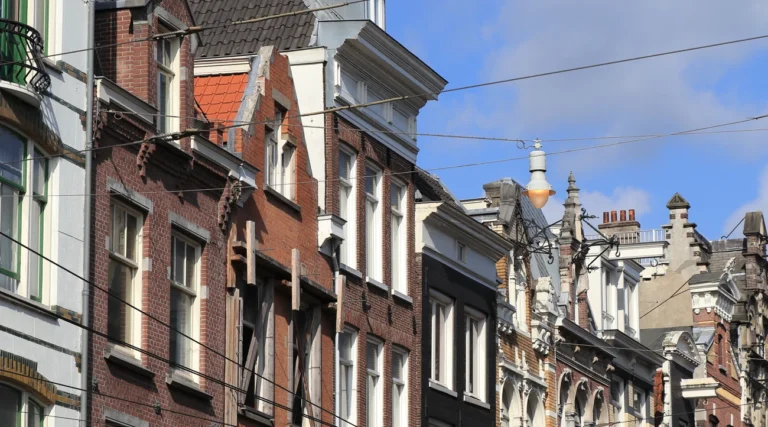
  • The Maagdenhuis entrance and surrounding façades reward looking above street-level signs.

Canal history tickets and Amsterdam food tours

Find your stay near Spui

Accommodation near Spui, Rokin and the Singel can suit visitors who want central walks and shopping close by. Compare room orientation, stairs, nighttime noise and tram access before booking. The map is centred on Spui in Amsterdam, rather than the similarly named square in another Dutch city.

Spui visiting questions

Is Spui free to visit?

Yes. The public square has no general admission charge. Shopping, refreshments and optional guided tours are separate expenses.

Friday is the usual book-market day. Check the current calendar, conditions and any holiday changes before making a dedicated visit.

Art Amsterdam Spui normally takes place on Sundays from March through December, weather permitting. Check the scheduled date before travelling.

It is Carel Kneulman’s small statue of a young Amsterdam figure, installed on Spui in 1960 and associated with the countercultural happenings of the 1960s.

Yes. Its name comes from water management, and filling the former waterway was completed in 1882.

The Begijnhof is nearby, but visitor access follows its own opening times and rules. Respect residents, remain quiet and do not assume a tour guarantees courtyard access.

No. A general sightseeing walk may pass food stalls without including purchases. Check the dedicated food tour’s listed tastings, dietary conditions and chosen option.

Around 20–30 minutes suits an orientation stop. Allow longer for shops, a market, refreshments or a separately booked guided walk.

More activities and experiences in Amsterdam

You might also be interested in...

The journey continues…

Historic Herengracht 386 canal house in Amsterdam, photographed in daylight before it became the Museum of the Canals
Dam Square and Damrak in Amsterdam in daylight, with historic buildings and pedestrians
Surinamese chicken-curry broodje with cucumber, an illustrative sandwich photograph taken in The Hague
White timber lifting structure of the Magere Brug over the Amstel in Amsterdam under a blue daytime sky
Customer making a contactless card payment at a bar while enjoying drinks with friends
Munttoren clock tower beside the Amstel in Amsterdam on a bright day, with boats and historic canal buildings

Must-Do Activities & Tours

Share:
Prev
Waterlooplein: Flea-Market Finds and Jewish Quarter History
Next
Museumplein: Art Museums, Open Lawns and Concertgebouw Views

Explore all cities