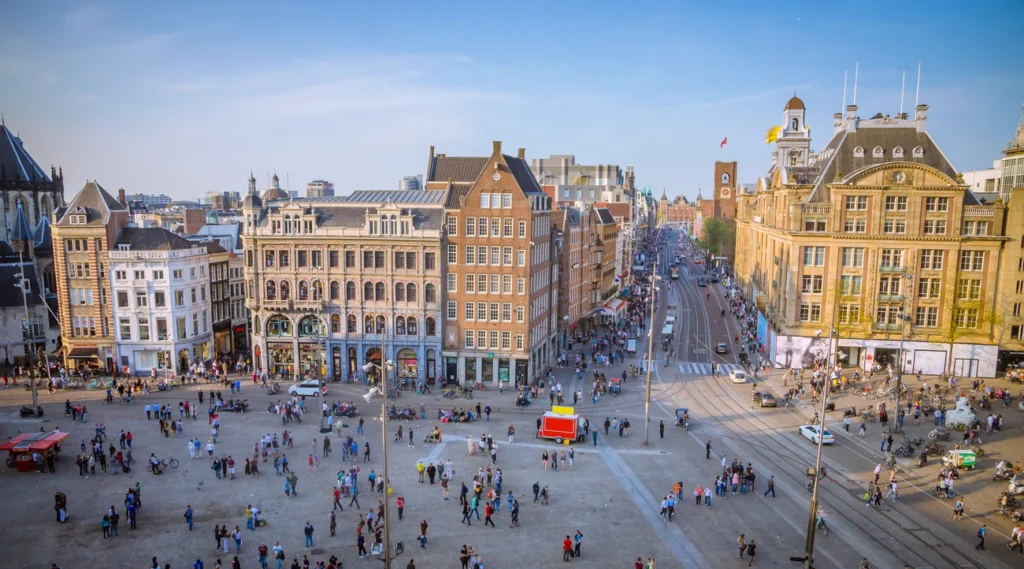
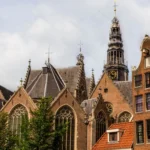
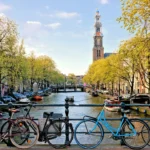
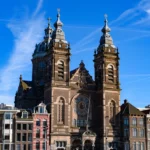
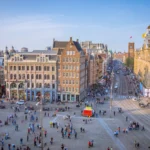
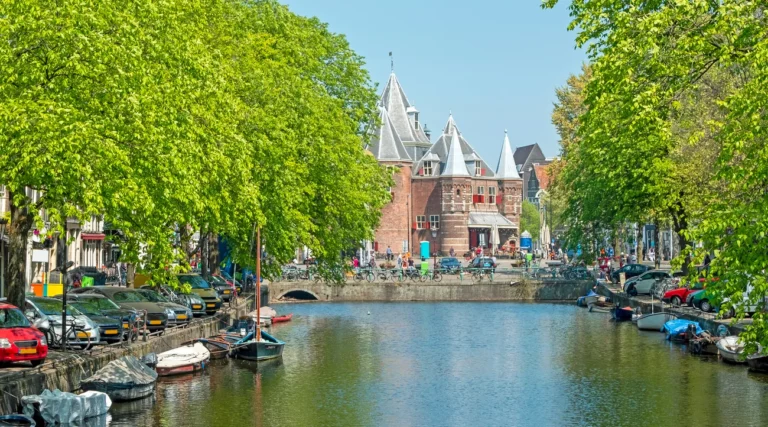
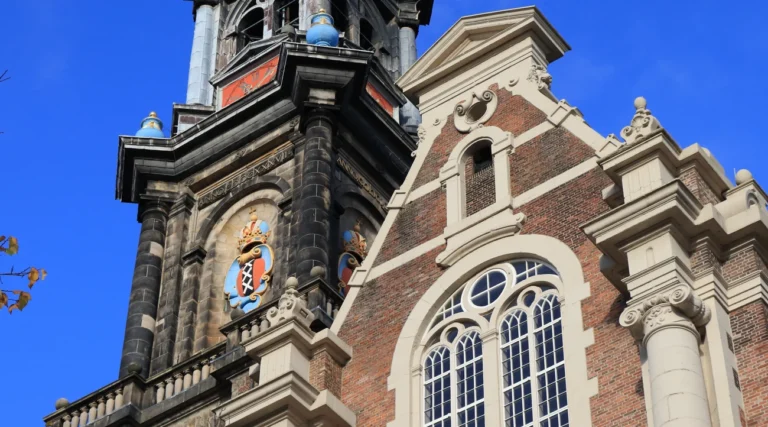
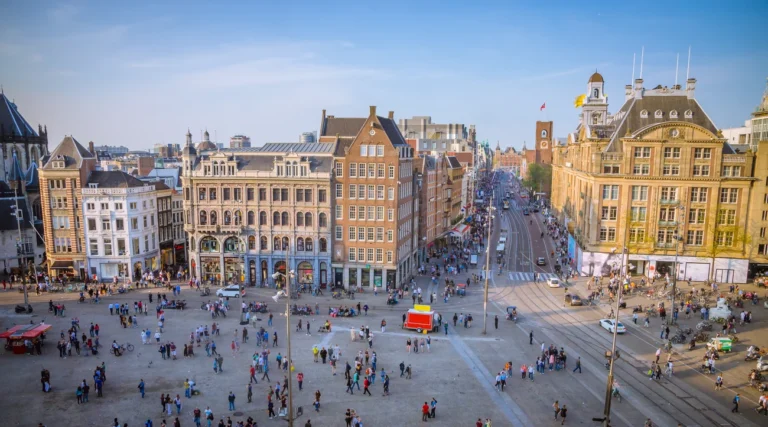
Nieuwmarkt gathers several versions of Amsterdam around one square: the medieval towers of De Waag, market stalls, café terraces and routes into the old town. The square took shape in 1614 when water around the former city gate was covered or filled. Its name means “new market”, but its landmarks reach further back.
Walk around De Waag, once the Sint Antoniespoort.
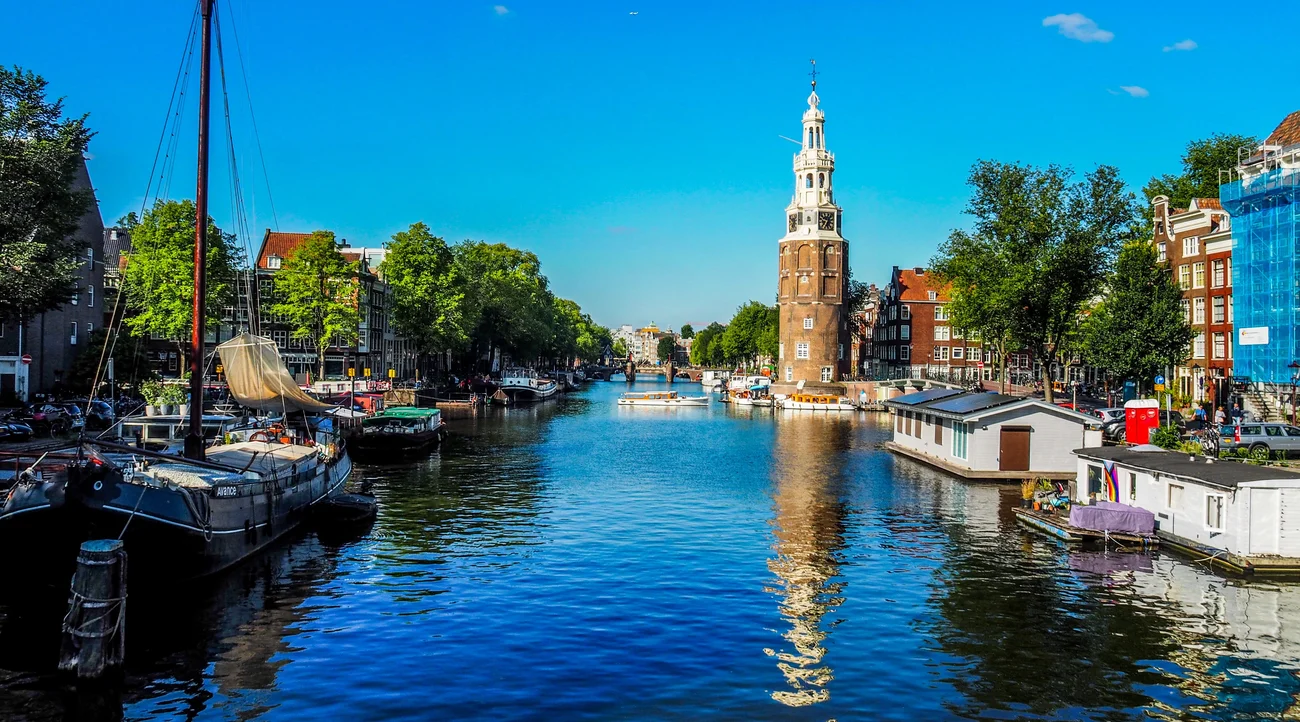
Look along the Kloveniersburgwal for a different view of the towers.
Combine the square with a short walk towards Zeedijk.
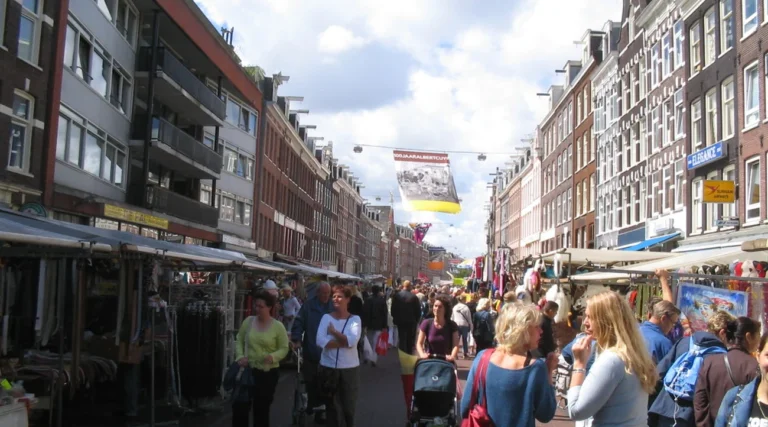
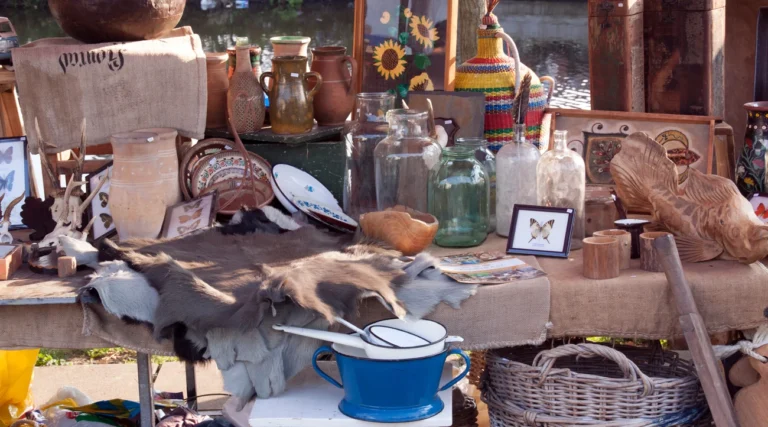
Enjoy the market atmosphere without assuming every stall trades every day.
Explore a living neighbourhood with respect for residents.
The perfect stop around De Waag
Pause beside the square rather than in a cycle route, then look back at De Waag from more than one angle. Terraces and stalls make this a social stop, while the canal approaches help explain why a city gate once stood here.
What to see around Nieuwmarkt
Use De Waag as your landmark and explore the edges of the square. The most rewarding short walk combines the building’s exterior with the canal to the south and the lanes towards Zeedijk to the north.
Quick summary of a Nieuwmarkt visit
Nieuwmarkt suits a relaxed half-hour stop, longer if you browse stalls or sit at a café. The square is free; food, drinks, guided activities and visits to nearby attractions are separate choices.
Explore Nieuwmarkt with an old-town guide
The public square is free to explore. The three optional activities below offer a private historical walk, a self-guided smartphone audio route and a guided history walk with a stroopwafel tasting. Each lists Nieuwmarkt or De Waag within a broader old-town itinerary.
The audio route has no live guide. These bookings do not provide general admission to De Waag or a ticket to the market. Check the current route, language, meeting or starting point and inclusions; a stop in the area does not establish interior access.
Market day and square access are different: public access does not guarantee a full set of stalls.
Saturday is associated with the organic market; check current arrangements before a dedicated shopping trip.
De Waag is not a general walk-in museum; restaurant and other uses have their own conditions.
Keep entrances, terraces and cycle routes clear.
Walk south along Kloveniersburgwal for the view back towards the towers.
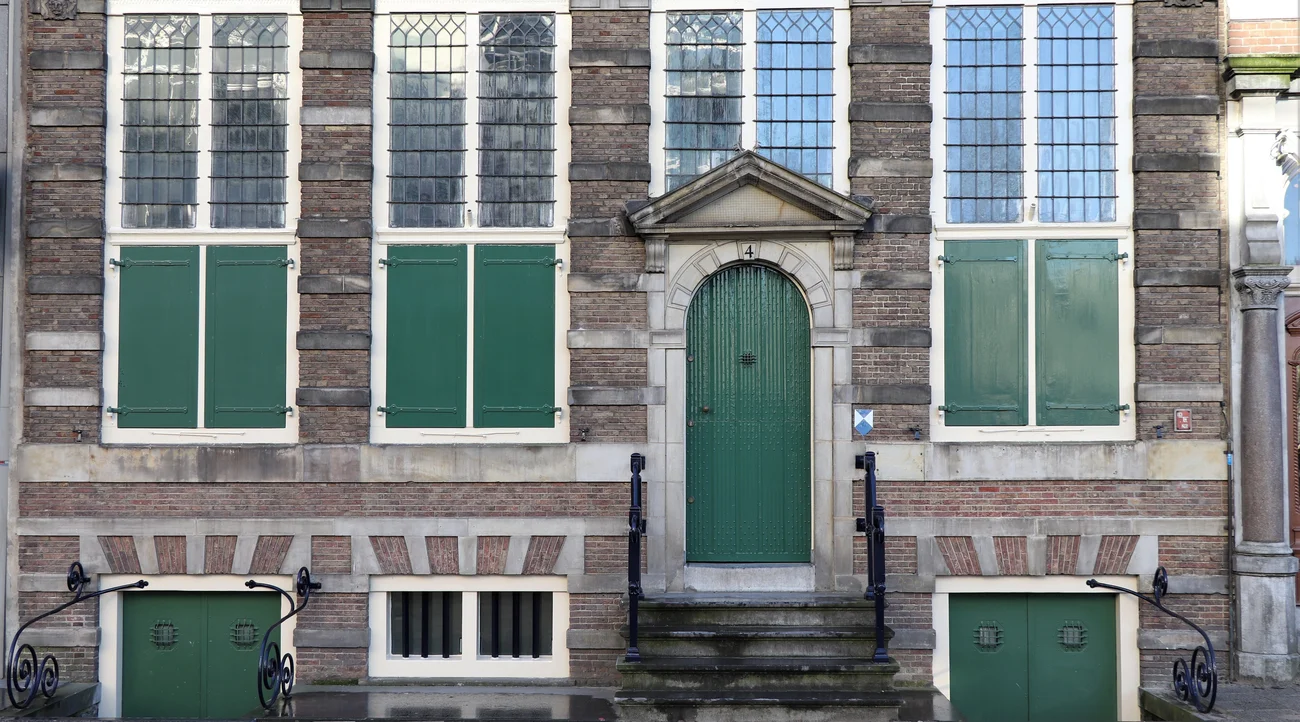
Combine your stop with nearby Rembrandt House if you want a separately ticketed museum visit.
Check the exact meeting point when booking an old-town walk.
Avoid photographing residents or patrons at close range without permission.
How to reach Nieuwmarkt
Nieuwmarkt metro station serves the surrounding area, while Amsterdam Centraal is within walking distance. Check the current GVB route and the station exit that suits your approach. Walking through the old centre is often the simplest way to combine Nieuwmarkt with nearby landmarks.
A new market around an old city gate
The square developed around the Sint Antoniespoort, a late-medieval gateway in Amsterdam’s defences. As the city expanded, the gate lost its original position on the edge. Work in 1614 turned the surrounding water into a new market space.
The gate was adapted as De Waag, a public weighing house, in the early seventeenth century. Guilds also used rooms in the building, linking its towers with the practical business and professional life of the growing city.
The surrounding streets later carried many layers of community history, including Jewish life and the area now associated with Chinatown. Visiting Nieuwmarkt is a chance to notice these overlapping stories rather than describe the district through a single period.
In 1975, demolition and metro construction brought intense conflict to the Nieuwmarkt neighbourhood. Protests and clashes became a defining episode in debates about urban renewal. The metro exists today, but the struggle over the neighbourhood remains part of its identity.
Details behind the square’s familiar towers
“New market” is a seventeenth-century name: the former gate is older.
The towers mark a former city boundary, now surrounded by the centre.
Water beneath and around the square helps explain its unusual setting.
The Nieuwmarkt protests connect this historic place with modern planning debates.
Rembrandt House tickets and guided old-town walks
Find your stay near Nieuwmarkt
Staying near Nieuwmarkt, Lastage or the eastern old town gives you walking access to many central sights. Compare evening noise, stairs, lift access and the exact approach from public transport. The map is centred on Nieuwmarkt, rather than a generic city location.
Nieuwmarkt visiting questions
More activities and experiences in Amsterdam