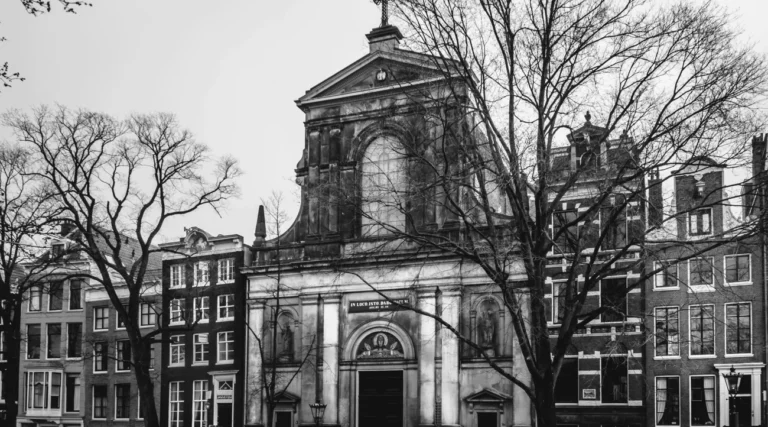
The Dutch Resistance Museum, or Verzetsmuseum, explores the choices people faced under German occupation. Personal accounts and objects connect everyday life with persecution, resistance and collaboration. The visit also looks beyond the European Netherlands to war and its consequences in the former Dutch colonies.
Dutch Resistance Museum prices and hours
Regular opening is daily 10:00–17:00. The museum lists closures on 1 January, 27 April and 25 December. Check your date and leave enough time for the permanent displays, rather than arriving just before closing.
Adult entry starts from €17.50 on the official price list and selected Tiqets offer checked 23 October 2026. Official admission for ages 7–17 starts from €9.50; under-7s enter free. Museumkaart, I amsterdam City Card and ICOM have free-entry categories, subject to validity. Audio interpretation is included.
What to explore at the Dutch Resistance Museum
The permanent presentation follows life in the occupied Netherlands, using individual experiences to make large historical events more concrete. A separate section examines the former Dutch colonies, including the movement from war toward independence. The temporary exhibition Hella de Jonge – Closer to Their Souls is listed from 18 September 2026 to 7 February 2027.
Quick summary of your museum visit
Allow around 1.5–2 hours as a planning range, with more time for Junior, the colonial-history section or a temporary exhibition. Use the audio rather than trying to rush through every object. This is an emotionally demanding subject, so leave room for a pause and discussion afterwards.
How to visit the Dutch Resistance Museum
The selected offer covers museum entry with an audio guide for an independent visit. The museum lists Dutch, English, German, Spanish, Portuguese, Italian and French audio, plus Dutch Sign Language. The Junior route has Dutch and English interpretation.
The related Tickets guide compares the available admission channels. The linked Anne Frank and Jewish Quarter walks are separate neighbourhood experiences: they do not automatically include this museum or entry to Anne Frank House. Check each activity’s actual route, inclusions and meeting point.
Junior is designed for children from age 9, despite younger admission categories existing.
The museum is wheelchair accessible, with two Junior areas identified as inaccessible in its access guidance.
Sound effects, dark areas and school groups can affect the sensory experience.
An essential companion may enter free under the museum’s conditions.
Follow a few personal stories closely instead of trying to skim every display.
Leave time for the former-colonies section as part of the wider wartime history.
With children, discuss the themes before choosing the Junior route.
Plan a quiet break afterwards rather than another demanding visit immediately.
How to reach the museum in the Plantage
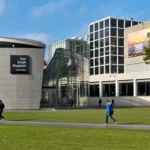
The address is Plantage Kerklaan 61, 1018 CX Amsterdam, diagonally opposite ARTIS Zoo’s main entrance. Use the current transport planner and navigate to the museum’s own doorway. Nearby attractions have separate admissions and should not be mistaken for parts of this ticket.
Preserving stories of resistance for new generations
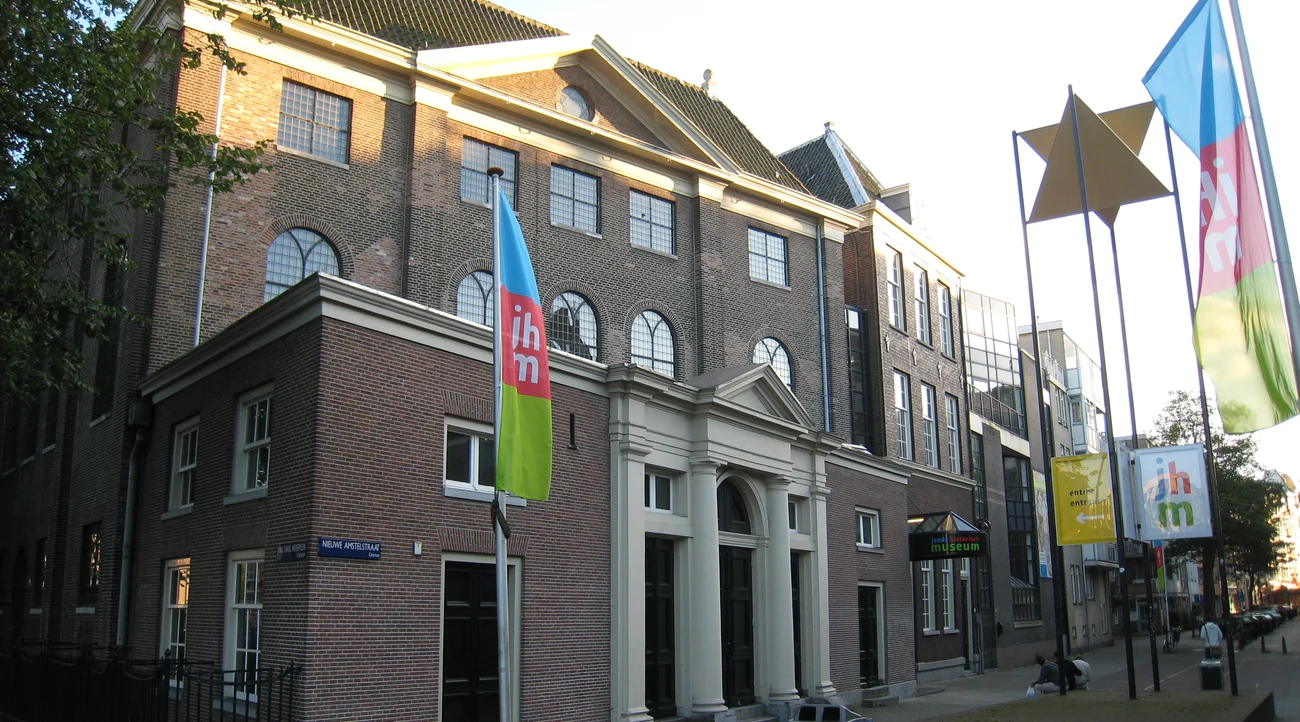
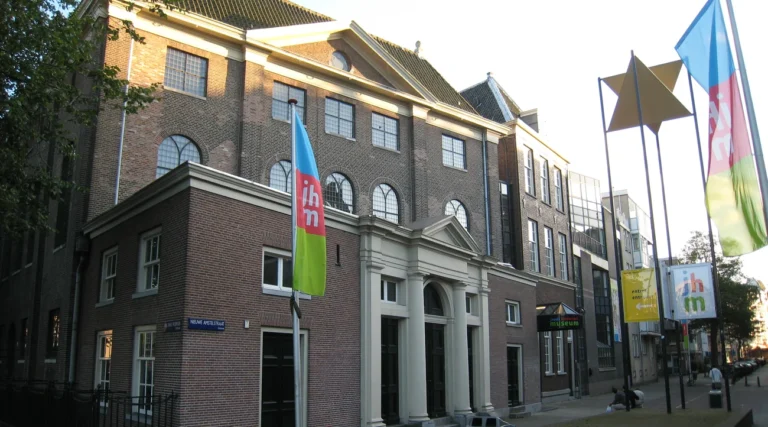
The museum foundation was established in 1984 by people connected with the resistance movement. The museum opened in November 1985 in a former synagogue on Lekstraat. Sharing eyewitness experience with younger generations was central to the project from the beginning.
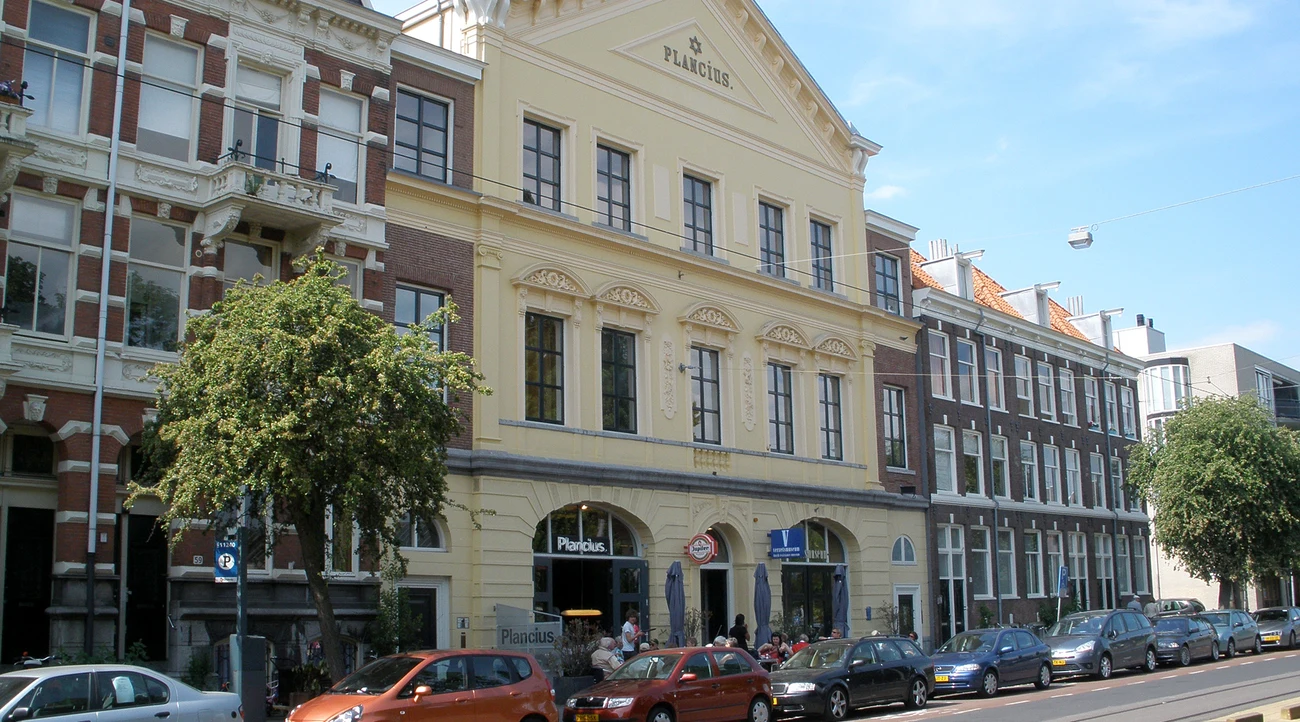
Growth made the first premises increasingly restrictive. The museum acquired space in the Plancius building in the Plantage neighbourhood and opened its renewed presentation there in 1999. Junior followed in 2013, creating a dedicated way for children to encounter wartime experiences.
The museum’s approach starts with people rather than treating resistance as a list of heroic acts. Occupation changed ordinary decisions, relationships and responsibilities. Objects, documents and recorded accounts allow visitors to explore choices made under pressure without assuming that everyone had the same freedom to act.
The institution’s wider programme also considers colonial histories and the aftermath of the war. These perspectives prevent the story from ending neatly with European liberation. A thoughtful visit leaves space to consider how war, persecution, independence and memory affected different communities, and how those histories continue to be discussed.
A few milestones and perspectives to remember
The museum foundation dates from 1984.
Its first public opening was in November 1985.
The Plancius presentation opened in 1999.
Junior opened in 2013.
The permanent programme includes the former Dutch colonies.
Resistance Museum tickets and neighbourhood history walks
Find your stay near the Dutch Resistance Museum
Compare accommodation in the Plantage area using the map centred on the museum. Check the property’s stairs or lift, the actual route from transport and the rest of your itinerary. A nearby base can make a slower museum day easier to organise.
Dutch Resistance Museum visiting questions
More activities and experiences in Amsterdam