























In short
Amsterdam Noord is a large district, not a single compact attraction. For a first visit, choose between the Buiksloterweg waterfront around EYE and A’DAM Tower, the former shipyard at NDSM, or a longer route into neighbourhood streets and parks. All are north of the IJ, but arriving at the right ferry landing matters more than simply choosing a boat marked Noord.
- Buiksloterweg: the practical landing for EYE, A’DAM Tower and Tolhuistuin.
- NDSM: a different ferry destination for the former shipyard and STRAAT Museum.
- Crossing: the GVB IJ ferries are free; paid attractions are separate.
- Time: choose one cluster for half a day; connecting several parts needs a longer plan.
☰ Table of contents
Understanding Noord: three visits rather than one long waterfront strip
The short Buiksloterweg crossing gives you a compact group of cultural buildings close to Centraal. NDSM is a separate destination farther west along the north bank, with a different industrial landscape. Between and beyond them lie working and residential parts of Noord, including Van der Pekbuurt and routes towards Noorderpark.
Choose the cluster before choosing the ferry. A first-time visitor with limited time can stay around EYE and the tower. Someone interested in street art and former industrial spaces can build a day around NDSM. Trying to cover both plus the inland neighbourhoods on foot can turn a relaxed visit into a long transfer.
Good to know
- Free IJ ferry crossings are part of the journey, not an extra excursion fee.
- Distinct cultural clusters offer a change from the historic canal centre.
- Waterfront spaces combine well with one museum, a film or a planned meal.
Keep in mind
- The district is much larger than it appears from the opposite bank.
- Choosing the wrong ferry creates an unnecessary journey between clusters.
- Open waterfronts can feel exposed in wind and wet weather.
6 Noord places, grouped by the right ferry landing
The first three stops form a compact Buiksloterweg visit. The next two belong to NDSM. Noorderpark is an inland addition, not a stop immediately beside either ferry landing.
EYE Filmmuseum Start here
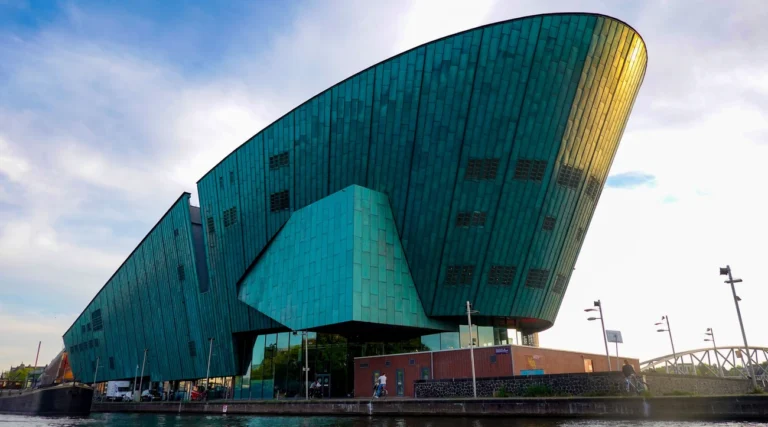
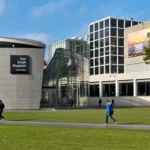
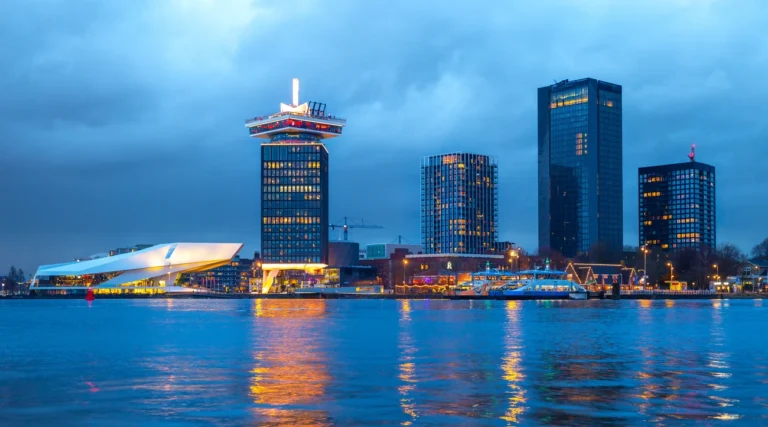
The angular waterfront building combines cinema, exhibitions and a café-restaurant setting. A film ticket and exhibition admission are different products; enjoying the surrounding waterfront does not require either.
A’DAM Tower
The tower is the landmark beside the Buiksloterweg cluster. LOOKOUT admission, the swing and a restaurant booking have separate conditions; do not treat one as automatic access to the others.
Tolhuistuin
This cultural complex gives the cluster a music, garden and hospitality dimension. Let the actual programme determine whether it is a short pause or the reason to spend the evening in Noord.
NDSM wharf
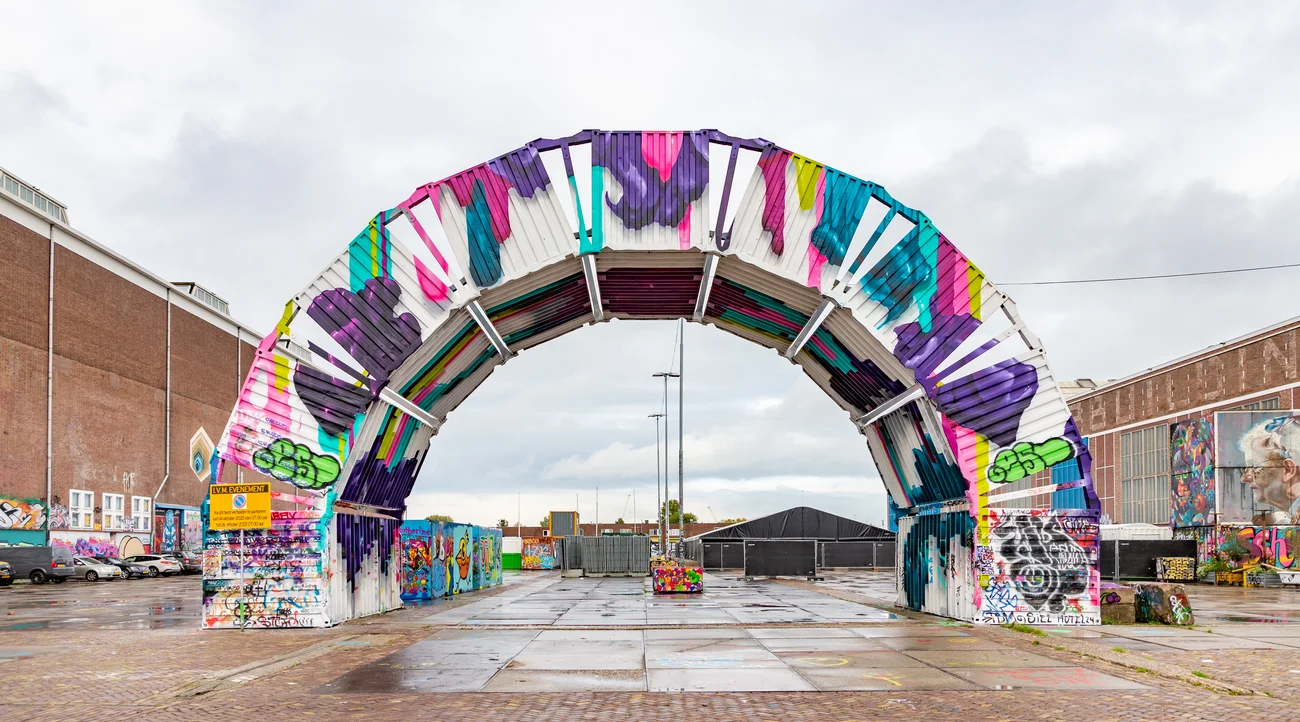
The former shipyard provides a larger industrial setting with public art, creative activity and waterside venues. Outdoor access is generally free, while events can change the available space or require tickets.
STRAAT Museum
The street-art museum is a separate indoor visit at NDSM. Keep its entry and visiting time distinct from wandering through the outdoor wharf; they are complementary experiences.
Van der Pekbuurt and Noorderpark
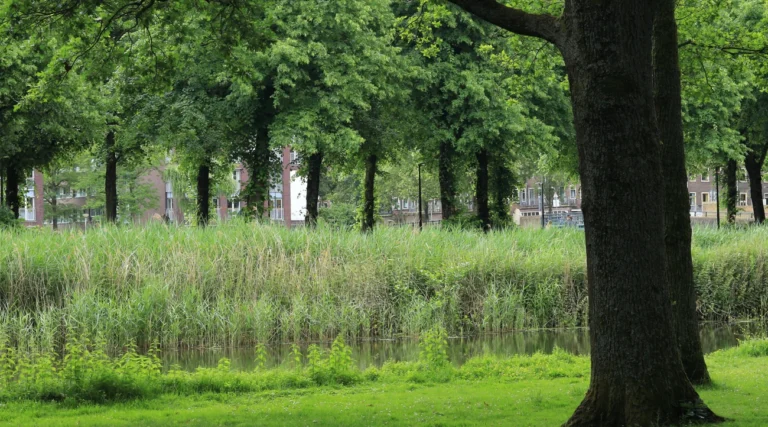
Choose this extension for a view beyond the main waterfront attractions. Residential streets and a park create a different route, and require their own walking or cycling allowance.
Planning a Noord half-day without unnecessary backtracking
For a compact half-day, cross to Buiksloterweg, spend time along the waterfront and choose one main indoor or tower visit. Add a meal or film only if it suits the day’s timing. You can return across the IJ without turning the outing into a district-wide itinerary.
For NDSM, take the ferry for that landing and make the wharf and STRAAT the focus. Combining it with the EYE cluster is possible, but choose the connection deliberately. A bicycle or a return through Centraal can be more practical than an unplanned long walk.
Best moment
Daylight for a first waterfront visit
Crowd
Events and ferry queues affect the rhythm
Kid friendly
Choose one cluster with children
Unmissable
The right ferry landing for your main stop
Visit style
Art, film, industrial history or a view
What to expect
Distances are larger than in the canal centre
Activities near Amsterdam Noord
The outdoor waterfront and ordinary IJ ferry crossing are not paid attractions. Select an observation-deck visit, street-art museum or guided activity because you want that experience. Check whether the meeting point is in Noord or back in the city centre.

A'DAM Lookout: Entry Ticket + 1 Drink

STRAAT Museum - Museum for Street Art Amsterdam Admission Ticket

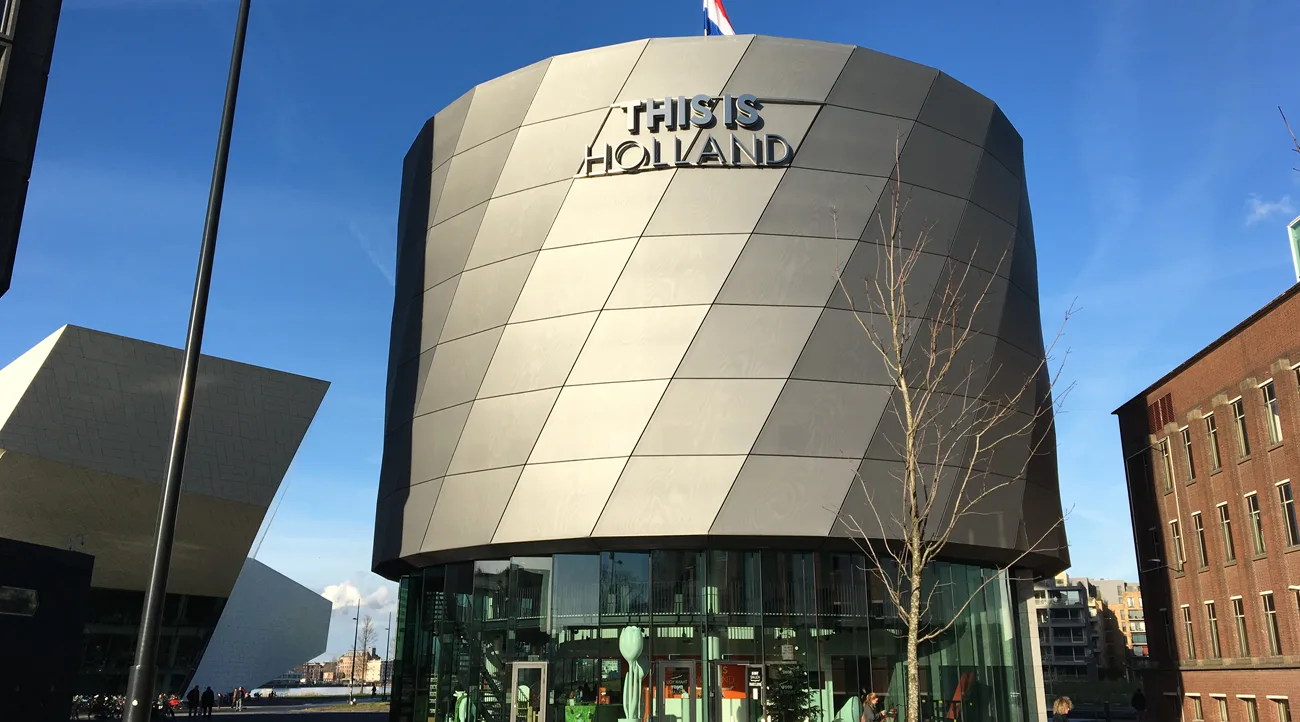
THIS IS HOLLAND: Entry Ticket
Avoid these mistakes
- Do not take the NDSM ferry for EYE or A’DAM Tower.
- Do not assume a street-art museum ticket includes every wharf event.
- Do not plan a late return without checking the actual ferry service.
Quick advice
- Use Buiksloterweg and NDSM as separate pins in your route planning.
- Choose one substantial attraction and leave time to enjoy the waterfront.
- Keep a weather alternative such as a museum or film for an exposed-waterfront day.
Getting to Amsterdam Noord
The easiest crossing depends on the attraction cluster. The IJ ferries and metro reach different parts of Noord; neither makes every address equally convenient.
From the waterfront side of Centraal, choose the Buiksloterweg service for the EYE and A’DAM cluster. The GVB IJ crossing is free. Follow the signs at the landing and allow for waiting and boarding as well as the short journey.
Use the service specifically marked NDSM for the former shipyard and STRAAT. Check the current timetable for the return journey. A ferry’s destination matters more than assuming every boat from behind Centraal reaches the same area.
Metro 52 serves Noorderpark and Noord stations for inland destinations. These stations are not substitutes for every waterfront landing. Cycling can connect clusters, but plan the actual route and a safe place to park before visiting an indoor attraction.
Amsterdam Noord, Amsterdam
Getting around Amsterdam
Noord’s transformation from industry to new cultural districts
Noord’s waterfront developed through harbour activity, shipbuilding and industrial employment. The former NDSM shipyard is one of the clearest places to read that history: large halls, broad working spaces and the relationship with the IJ give the area a scale very different from the canal centre.
The wider district also contains older villages, dike routes and residential neighbourhoods. Reducing Noord to a single fashionable waterfront would miss the people and landscapes that existed before the recent cultural redevelopment.
Read allShow less
Read allShow less
Former industrial sites have become places for culture, housing, food and new kinds of work. NDSM remains in transition: creative uses and surviving shipyard structures sit alongside a developing residential area. Elsewhere, EYE and the A’DAM cluster express another phase of the north bank’s changing role.
These are connected histories, but not identical places. A useful visit lets you compare them without pretending that all of Noord was built at one time or regenerated through one project. Choose a short waterfront introduction or a longer district exploration according to your interests.
Three distinctions worth knowing before crossing the IJ
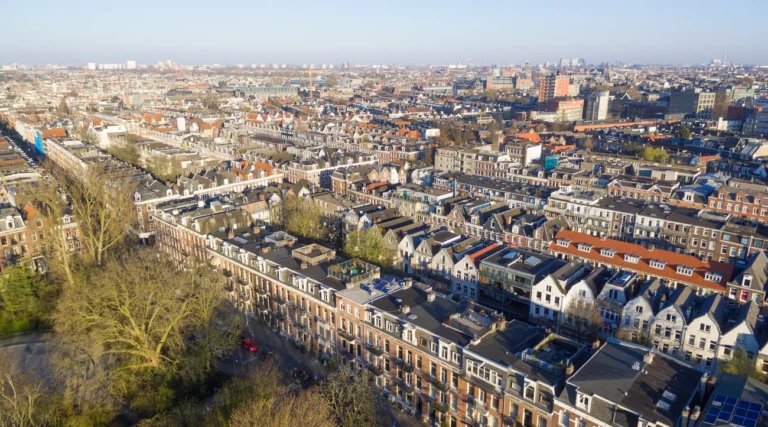
- Waterfront versus inland: seeing the tower from Centraal does not mean the whole district begins and ends there. Noord’s parks and residential streets extend much farther.
- Shipyard scale: NDSM’s large spaces reflect its former industrial use. They require more walking than a similar number of stops in a compact central quarter.
- Free versus ticketed: a free ferry and free outdoor space can sit beside paid museums, events and viewpoints. There is no single Noord admission ticket.
Tickets and experiences for this part of Amsterdam
Staying in Noord: check the final connection, not just the view
Noord can suit travellers who like a waterfront or a larger, less historic setting. Compare the actual address, ferry landing or metro station before choosing a room. A property at NDSM and one near Buiksloterweg involve different journeys to the centre.
If you expect late evenings south of the IJ, check the return service for your route and the final walk. The city-wide map below is useful for comparison, but a result labelled Amsterdam Noord may be well beyond the compact visitor clusters described here.
Noord food stops at the landing you are actually visiting
Noorderlicht
Seasonal food, drinks and cultural events on NDSM-Plein, with a garden and terrace in the former shipyard setting.
Moon
Rotating restaurant on the nineteenth floor of A’DAM Tower, pairing seasonal menus with a changing view across Amsterdam.
Frequently asked questions about Amsterdam Noord
Which ferry should I take for EYE and A’DAM Tower?
Choose the Buiksloterweg service from the waterfront side of Centraal. NDSM is a separate landing for a different part of Noord.
Are the ferries free?
The ordinary GVB IJ ferry connections are free. Museums, viewpoints, events and other attractions have separate admission conditions.
Can I walk from EYE to NDSM?
They are separate clusters with a substantial connecting journey. For a short visit, choose one; for both, plan the route rather than assuming they are adjacent.
Is Noord only an industrial district?
No. It also contains residential neighbourhoods, parks, older villages and dike routes. The popular waterfront areas are only part of the district.
Do I need a ticket to walk around NDSM?
The wharf is generally freely accessible, with possible limitations during events. STRAAT Museum and ticketed events are separate visits.
Is metro Noord useful for A’DAM LOOKOUT?
The metro serves inland Noord. For EYE and the tower from Centraal, the Buiksloterweg ferry is the direct visitor approach; check the full route for other starting points.