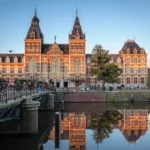
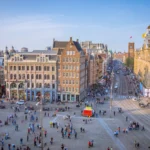
Waterlooplein is known for its flea market, but its significance reaches beyond second-hand shopping. The square belongs to the former Jewish Quarter and sits beside the Stopera, the combined city hall and opera complex. A visit can bring together market browsing, river views and a thoughtful introduction to a neighbourhood transformed by persecution, demolition and rebuilding.
Browse the flea market on a trading day.
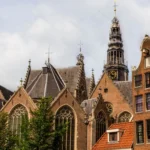
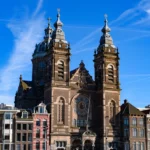
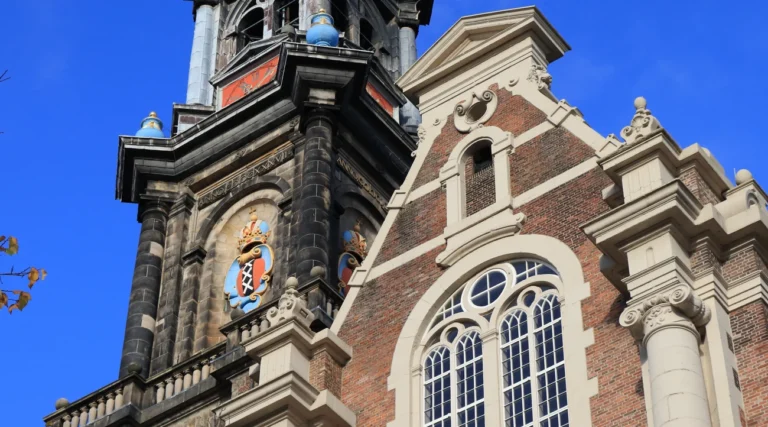
Look at the Mozes en Aäronkerk façade.
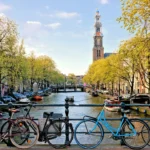
Follow the edge of the Stopera towards the Amstel.
Leave time for the history of the surrounding Jewish Quarter.
Keep public-square access separate from museum and performance tickets.
The perfect stop for market browsing and a wider history
Start with a relaxed circuit of the market, then step away from the stalls to understand the setting. The church, the modern civic complex and the nearby river each tell a different part of the story. A short shopping stop and a longer heritage walk are both possible, but they need different amounts of time.
What to see around Waterlooplein
Look at the square as more than a collection of stalls. The market changes from one trading day to another, while the surrounding buildings and routes connect it with the Amstel and the former Jewish neighbourhood.
Quick summary of a Waterlooplein visit
A short browse can fit between a museum appointment and a river walk. Allow longer if you enjoy searching through second-hand goods or plan to explore the Jewish Cultural Quarter. The market’s trading calendar is different from general access to the public square.
Explore Waterlooplein through history and local food
The square and market have no general visitor entrance ticket. These optional bookings offer three distinct ways to explore the area: a Jewish Cultural Quarter admission-and-walk combination, a wider city walking tour with a Waterlooplein stop, and a food walk beginning in the market area.
The Jewish-history combination does not include Anne Frank House admission; check how to schedule the included cultural venues and guided walk. The general city tour does not establish entry to nearby museums. Its listing includes a tip-based payment option: check the reservation charge and the expected payment to the guide rather than treating the displayed From price as a guaranteed total. The food tour has its own tastings and dietary conditions. Confirm the selected option, language, meeting point and route before booking; market stalls may be closed even when a tour visits the square.
Market days and square access differ: the market normally trades Monday to Saturday.
Goods and individual stalls vary; do not plan around a particular item being available.
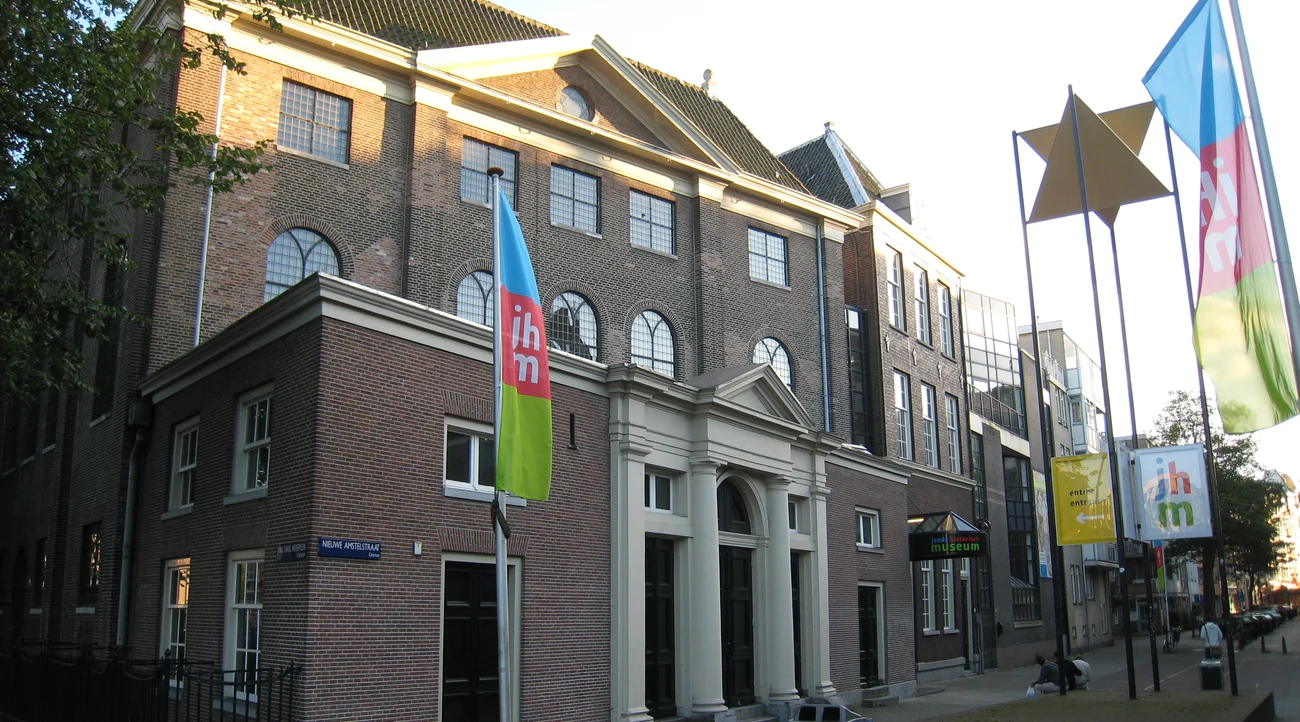
The area’s Jewish history deserves time and attention beyond the shopping experience.
Museum admission, opera performances and guided activities follow separate booking arrangements.
Check condition, price and payment arrangements before buying second-hand items.
Ask before photographing stallholders or handling fragile objects.
Keep bags secure and market aisles clear while browsing.
Combine the market with one planned museum or heritage visit rather than rushing several separate entry times.
How to reach Waterlooplein
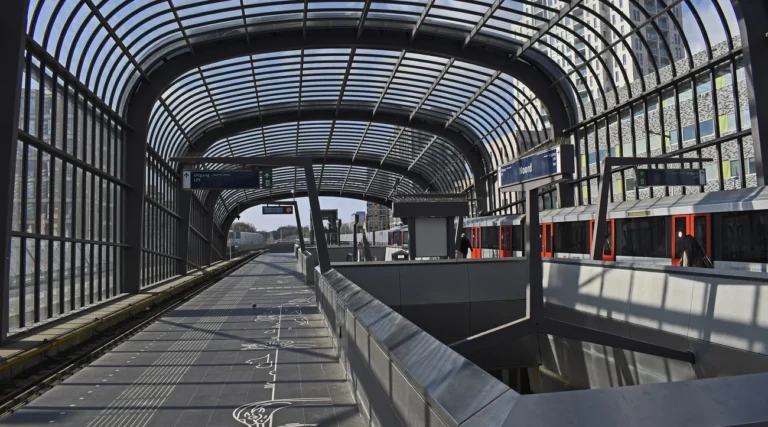
Waterlooplein lies beside the Stopera and the Amstel, a short walk from Rembrandt House and the Jewish Museum area. Waterlooplein metro station is a convenient approach. Check the current GVB planner for the best exit, tram connection and any diversions.
The market, the Jewish Quarter and a changing square
The present square was created when the Houtgracht and Leprozengracht were filled in 1882. Traders from surrounding streets moved into the new market setting. The wider area, including the former island of Vlooienburg, had long been home to Jewish residents, shops and community life.
Under Nazi occupation, Jewish residents faced exclusion, deportation and murder. The loss of people and community is central to the history of this place; today’s market should not obscure that rupture.
Postwar demolition, metro construction and the development of the city hall and opera complex changed the neighbourhood again. The market also spent years at a temporary location during construction before returning to Waterlooplein.
The Stopera now dominates the river side of the square. Comparing its scale with the older church and surrounding streets helps explain why Waterlooplein looks so different from preserved parts of the canal belt. A visit to the nearby Jewish Cultural Quarter can provide a fuller account of the people and institutions behind this history.
Details behind Waterlooplein’s changing setting
A market over former waterways: the filled canals explain the square’s creation.
The name Stopera combines the civic and opera functions of the complex.
Second-hand trading continued through major changes in location and urban layout.
The nearby river offers a useful pause after browsing and a different view of the civic complex.
Jewish Museum tickets and Jewish Quarter walking tours
Find your stay near Waterlooplein
Staying near Waterlooplein, the Amstel or the eastern city centre can suit visitors planning heritage walks and museum visits. Compare the actual entrance route, metro access, stairs and nighttime surroundings before booking. The map is centred on Waterlooplein in Amsterdam.
Waterlooplein visiting questions
More activities and experiences in Amsterdam