Oosterpark combines a neighbourhood green space with some of Amsterdam’s most significant places of remembrance. A walk beside its water can lead from a picnic lawn to a literary sculpture or the National Slavery Monument. Give the park time for both sides of its character: everyday recreation and reflection.
A free public park in Amsterdam Oost.
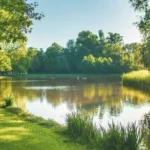
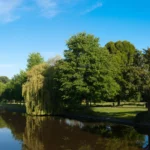
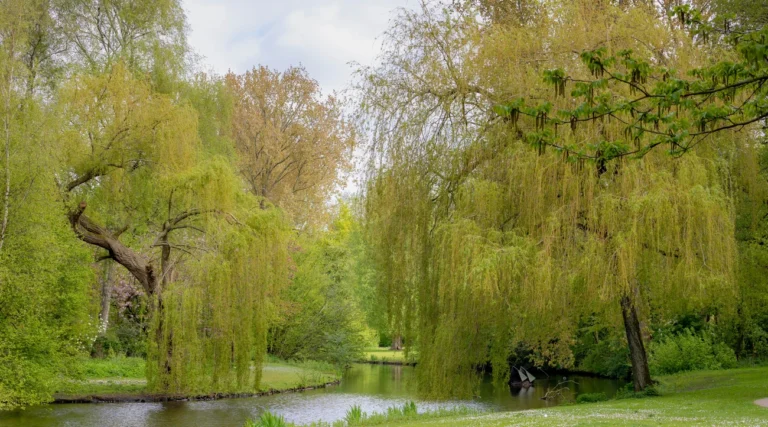
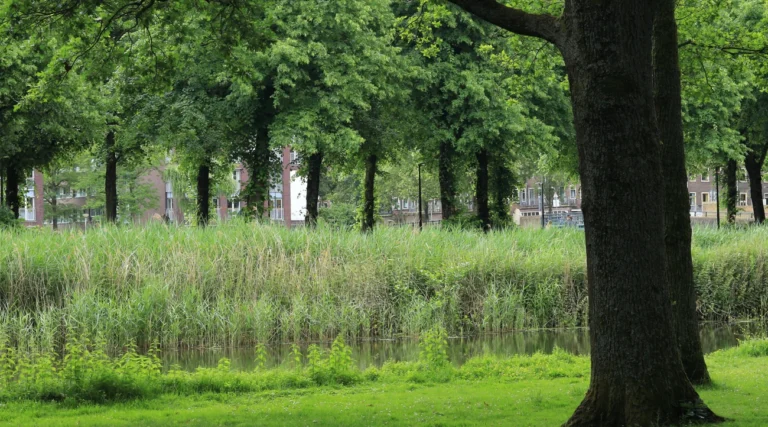
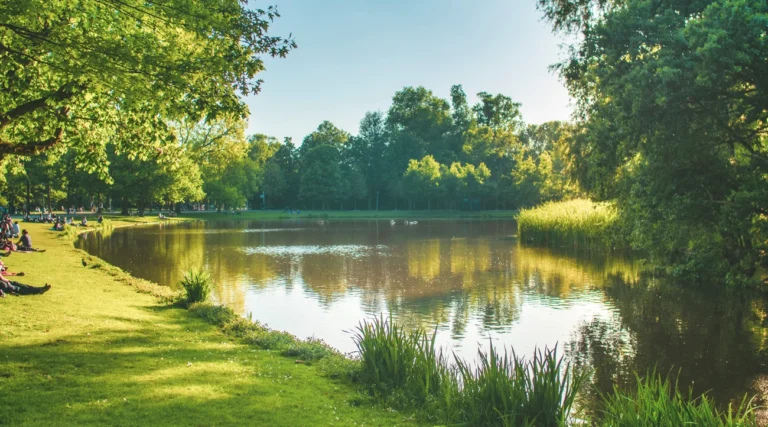
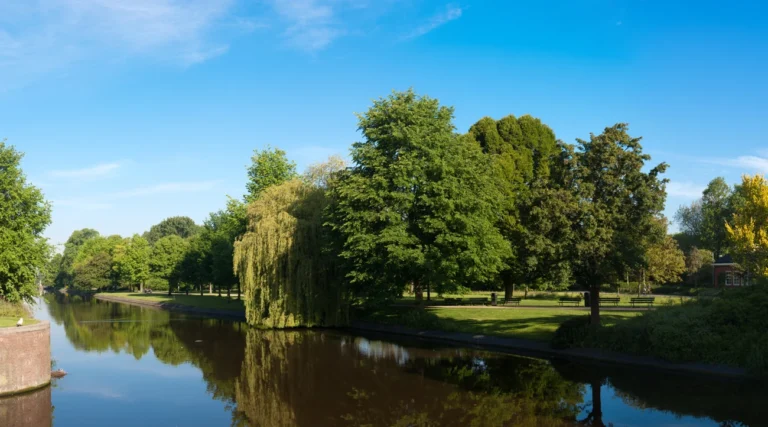
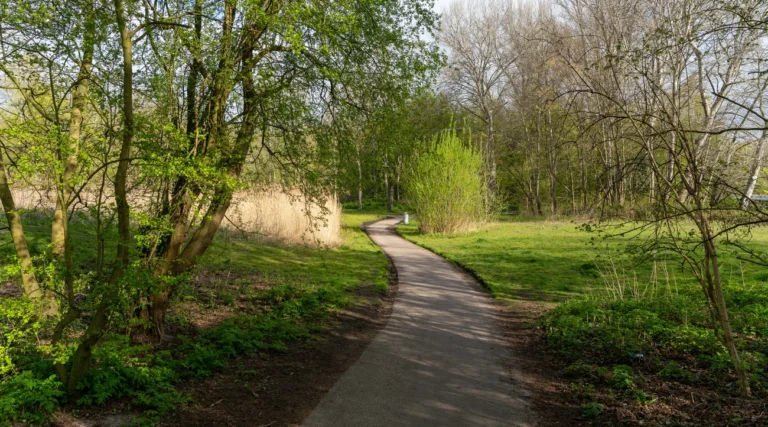
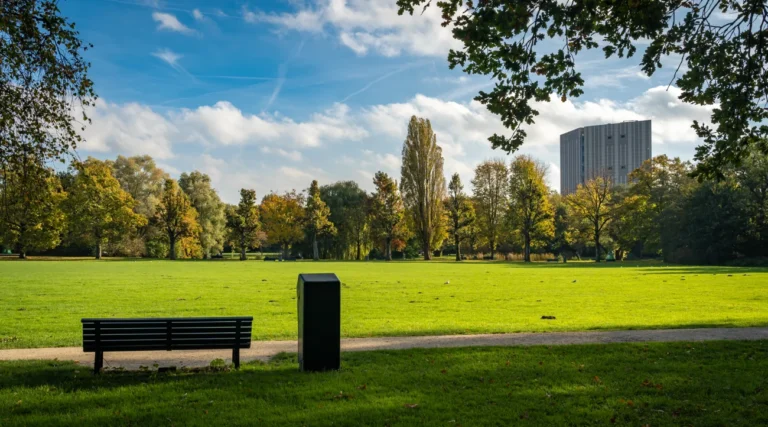
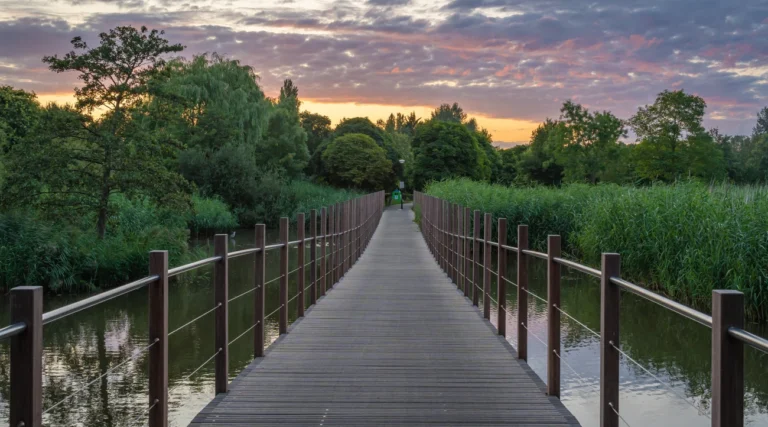
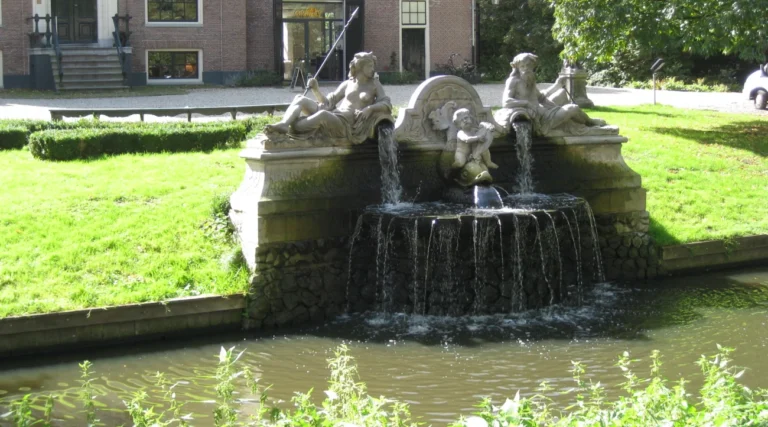
Curving paths and water form the main landscape.
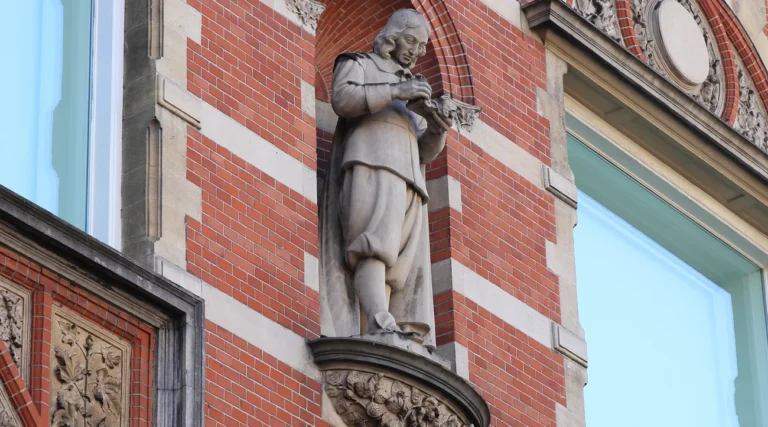
Public artworks add history and meaning to the walk.
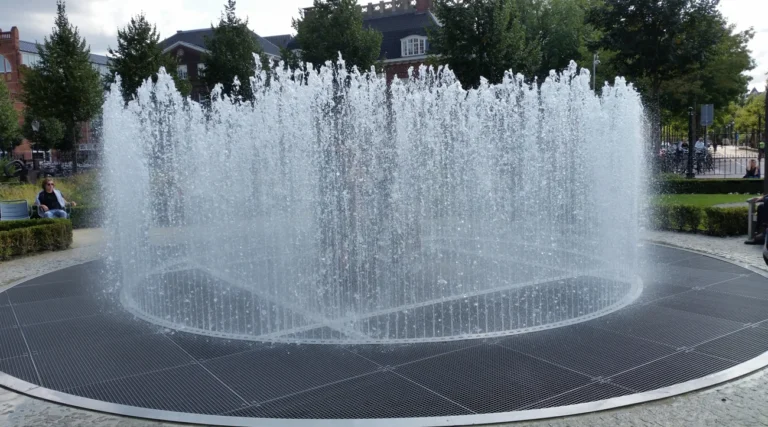
Play facilities, events and performances vary by season.
The perfect stop in Oosterpark
Plan around 45–75 minutes for a relaxed circuit with stops at the outdoor artworks. Stay longer for a picnic or a family outing. There is no admission slot to reserve for the public park, and you can shorten the route to suit the weather.
Choose a daytime visit if you want to read the memorials and notice the planting. Give commemorative gatherings space, and leave any museum visit separate in your schedule. An autumn walk offers a different experience from a summer festival or children’s water-play day.
What to see in Oosterpark
Look beyond the lawns. Oosterpark’s monuments connect it with literature, freedom of expression and the history of slavery. The artworks have different purposes: some invite a pause to remember, while others reward a closer look at their shapes. Read on-site interpretation where available.
Quick summary of an Oosterpark visit
This is a useful choice for a slower Amsterdam Oost day. Broad paths allow a flexible walk around the water, while the different sculptures give you reasons to pause. Everyday recreation continues around the memorial spaces, so approach both the artworks and the people using the park with consideration.
Explore Oosterpark at your own pace
You can explore Oosterpark independently without buying an entrance ticket. Start with a waterside circuit, then make separate pauses at the monuments. The three steps below are suggestions for your own walk, not bookable tours.
No commercial activity with sufficiently clear Oosterpark inclusions was verified for this guide. If you compare a wider Amsterdam walking experience, read its actual itinerary: a city tour does not automatically include this park. The related museum and walking guides below are options for a broader day, with their own locations and conditions.
Admission to the public park is free. Events and nearby institutions can have separate arrangements.
The municipality lists an alcohol ban in Oosterpark.
Barbecues are permitted under city rules: keep them off the grass and clear up afterwards. Check current restrictions on site.
Dogs may run free only in designated areas; the large meadow has additional restrictions.
Walk around the water before choosing a place to sit.
Pause respectfully at the National Slavery Monument; it is a place of remembrance.
Keep children supervised near ponds and shared paths.
Do not feed waterbirds, and leave room for other people using paths and recreation areas.
How to reach Oosterpark
Oosterpark lies in Amsterdam Oost, between Linnaeusstraat, Mauritskade and Eerste Oosterparkstraat. Choose an entrance that suits your first stop. The National Slavery Monument is in the southwestern part of the park; a route to the museum side is a different approach.
A neighbourhood park with layers of city history
The park grew out of Amsterdam’s late nineteenth-century expansion, when densely inhabited eastern neighbourhoods needed more public space. Landscape architect Leonard Anthony Springer drew the plan in 1891, using winding paths, a long pond and bridges in an English landscape style.
The municipal heritage account records groundworks and path construction from 1892 and completion of the park in 1894. That helps explain why different dates appear in descriptions: a design date, a construction period and a completed landscape are not the same milestone.
The former Oosterbegraafplaats affected the development of the northern side. Later buildings and changes to the park made the landscape more layered than a single nineteenth-century plan. Oosterpark continued to acquire public artworks and memorials as the surrounding city changed.
The National Slavery Monument by Erwin de Vries, unveiled in 2002, is a particularly important addition. Its three-part composition moves from enslavement through a passage towards freedom. It remains a place for remembrance of the Dutch transatlantic slavery past, rather than simply an ornament within a leisure park.
Literature, landscape and remembrance
Springer’s landscape plan dates from 1891; the city heritage account records completion in 1894.
De Titaantjes connects the park with writer Nescio.
De Schreeuw is Jeroen Henneman’s memorial to filmmaker Theo van Gogh.
The National Slavery Monument uses a sequence of figures and a passage to express a journey towards freedom.
The park’s bandstand and seasonal events add a living cultural layer to its permanent artworks.
Museum tickets and wider Amsterdam walking experiences
Find your stay near Oosterpark
Compare stays around Oosterpark and the wider Oost neighbourhood. The map is centred on the park; check the entrance nearest your accommodation and the transport route to the rest of your itinerary. A pleasant park-side location and convenient access to the city centre are separate considerations.
Oosterpark visiting questions
More activities and experiences in Amsterdam