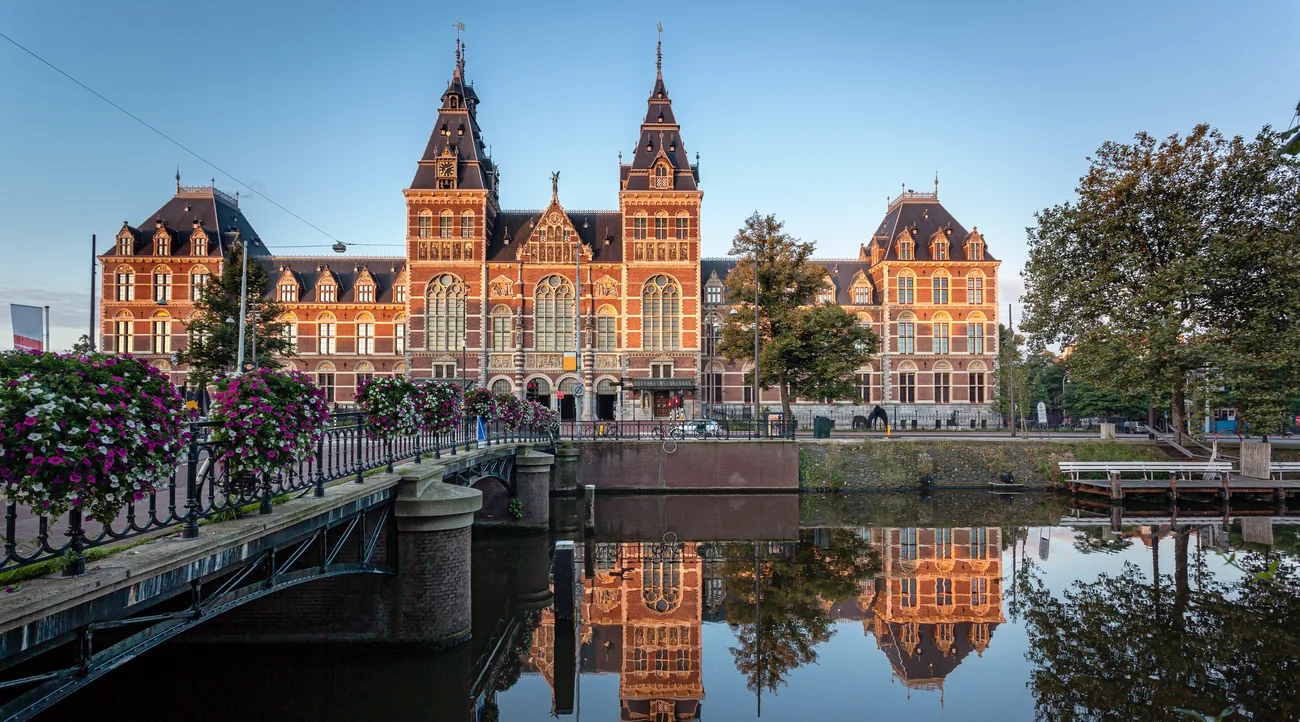
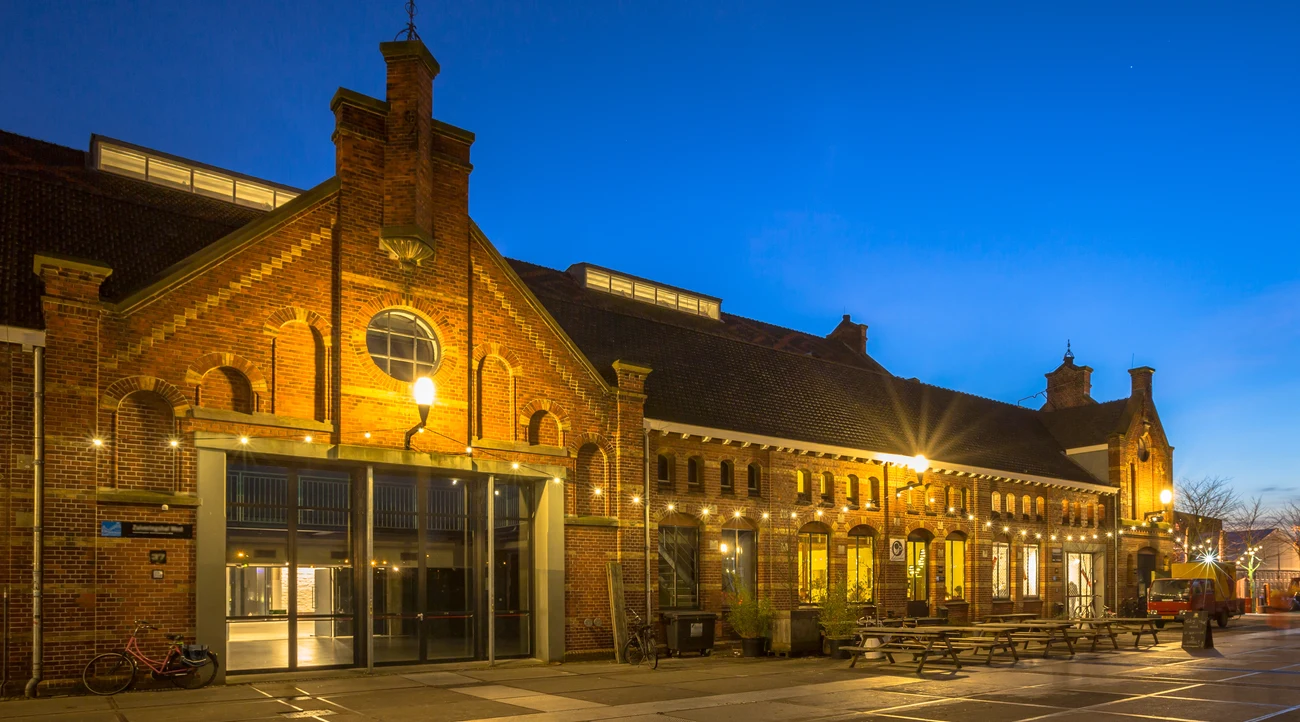
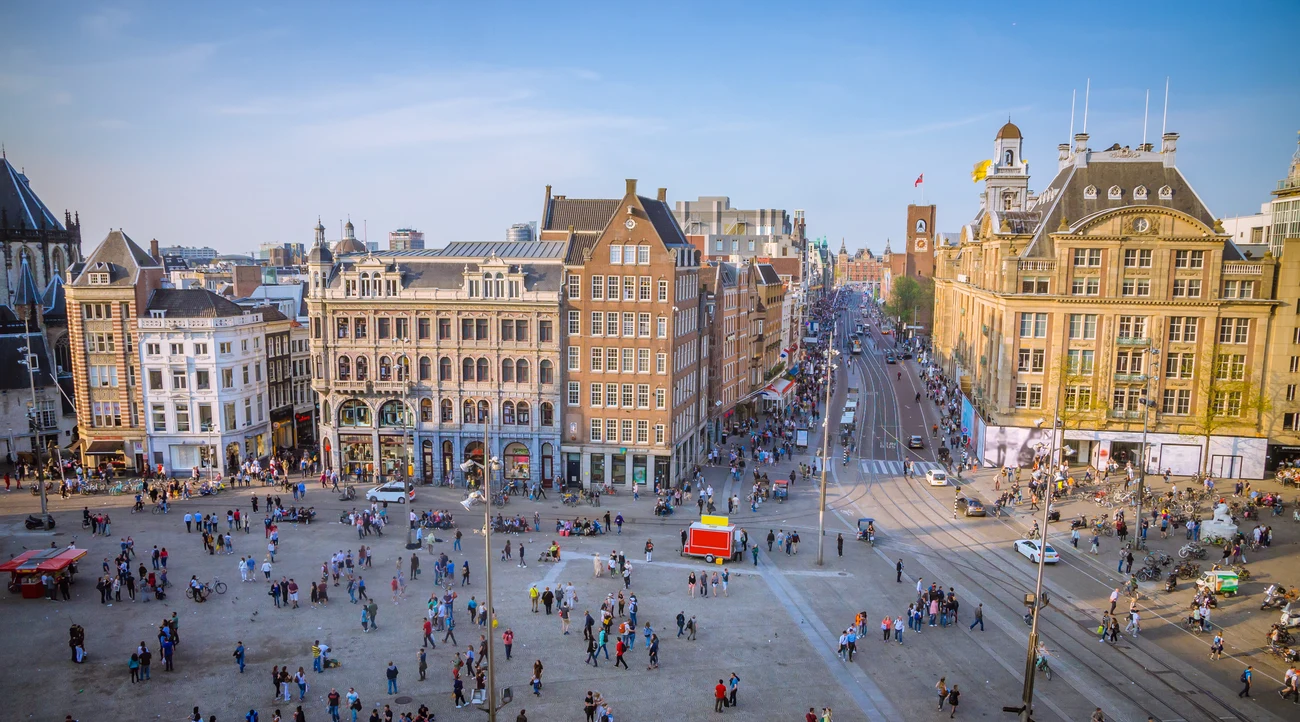
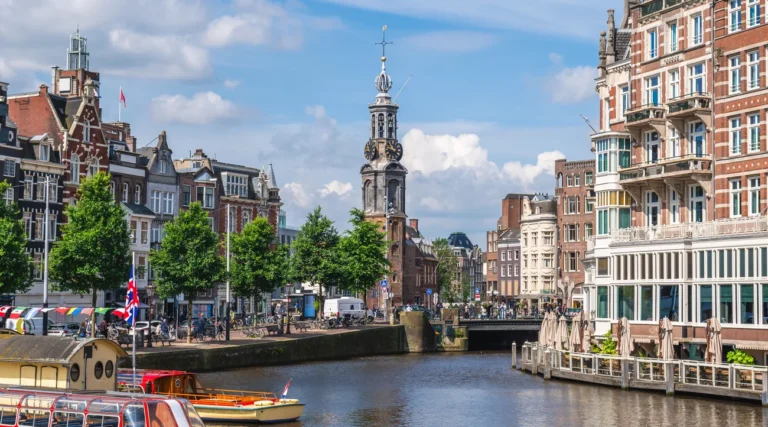
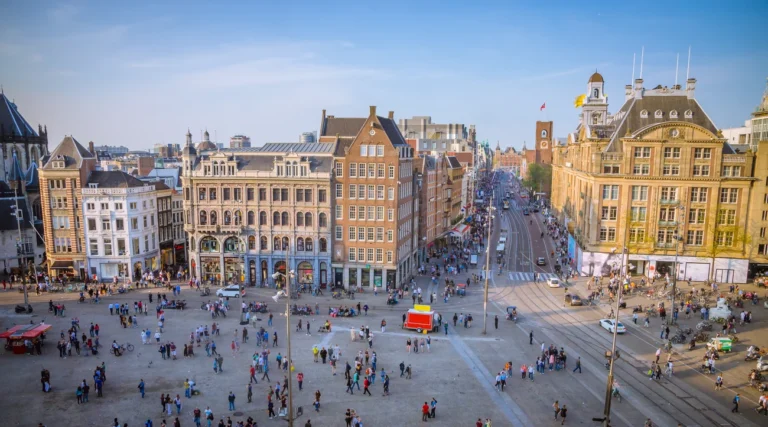
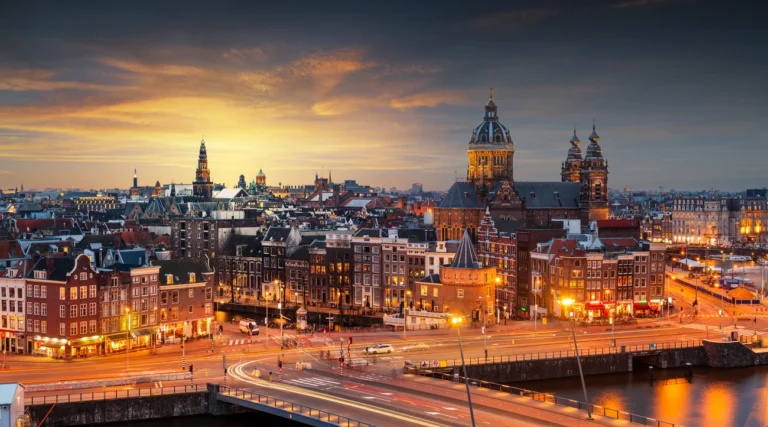
Zeedijk brings together several Amsterdam stories in one curved street: an old water-defence route, maritime connections, Chinatown, a Buddhist temple and places important to LGBTQ+ history. Walk from the northern end near Sint Olofssteeg towards Nieuwmarkt and notice how the buildings, businesses and atmosphere change along the way.
Follow the old street towards Nieuwmarkt.
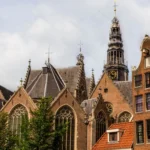
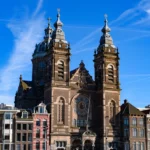
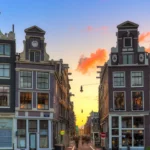
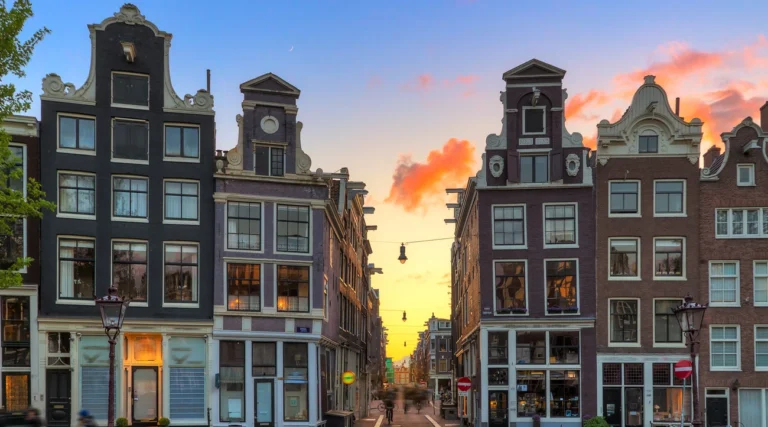
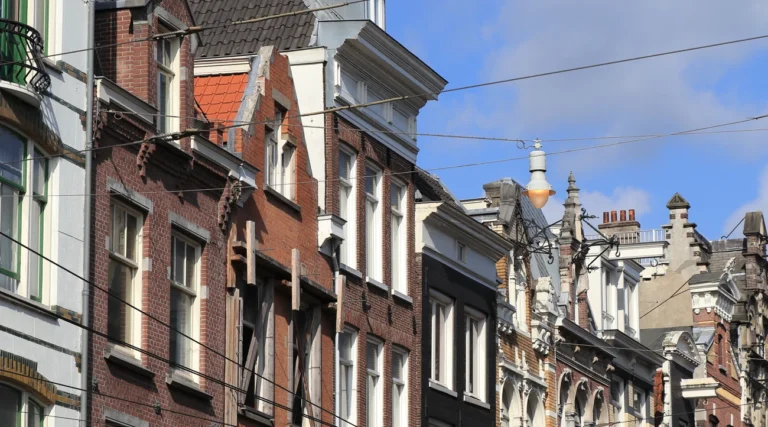
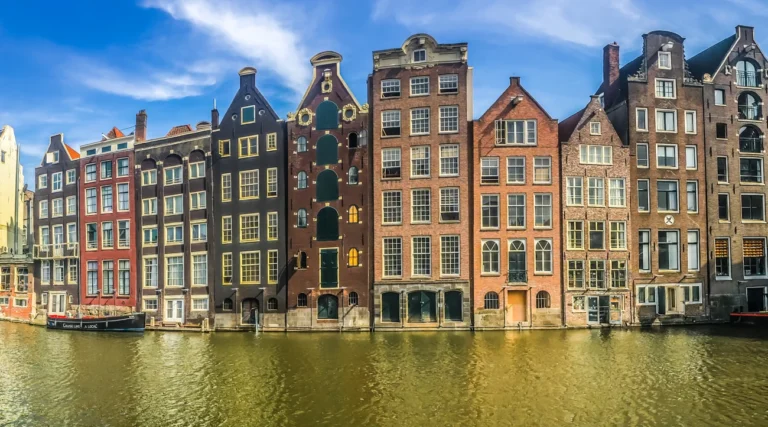
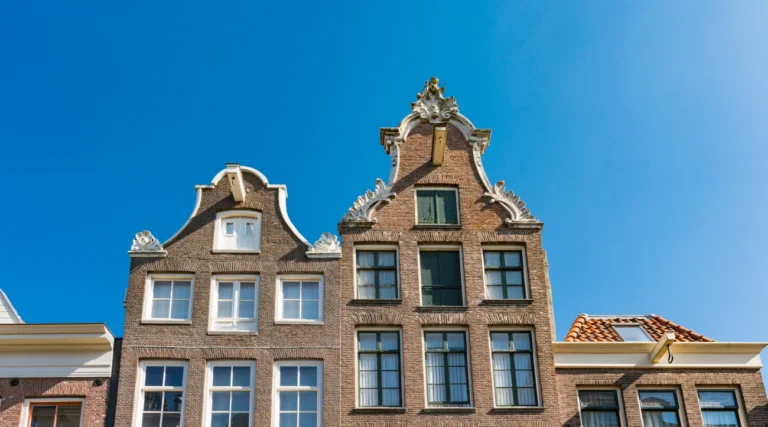
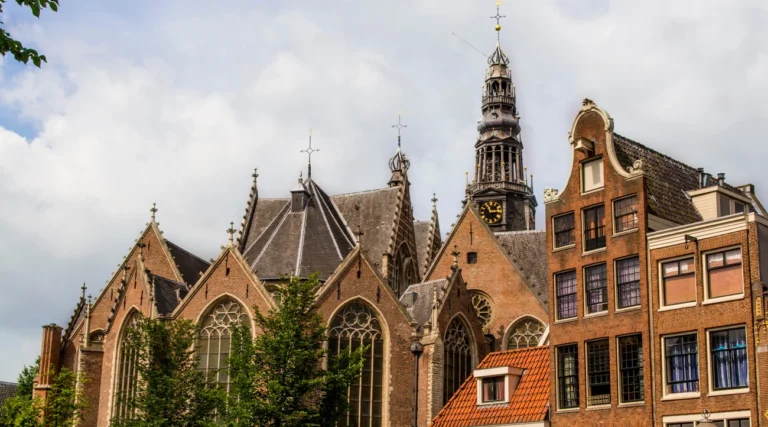
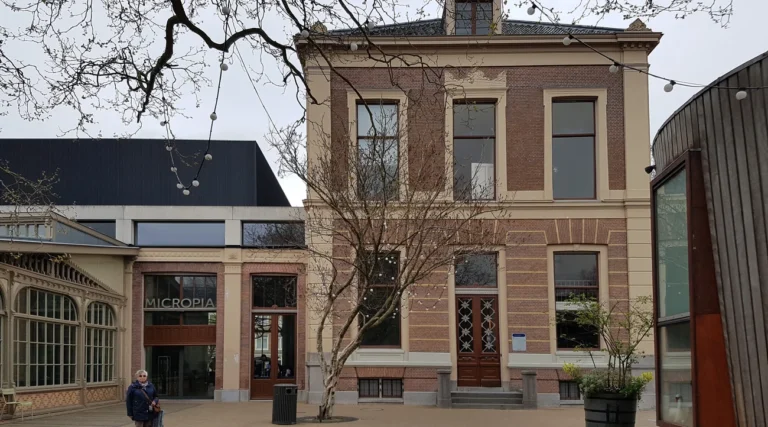
Notice the architecture around the northern bend.
Look at the entrance of He Hua Temple.
Understand the street’s Chinese and maritime connections.
Explore its LGBTQ+ history with context and respect for the people who live and work here.
A street walk through several Amsterdam histories
Daylight is a useful choice for a first visit: it is easier to look at façades, find the temple entrance and understand the street’s layout. Leave time for a meal if the restaurants interest you. For a deeper historical visit, choose a guided route for its actual subject rather than assuming every old-town tour covers the same stories.
What to notice along Zeedijk
Zeedijk is not a single-purpose sightseeing street. It combines homes, shops, restaurants, places of worship and evening venues. Look at the buildings and street details without treating residents or business patrons as part of a display. Interior visits and meals follow separate arrangements.
Quick summary of a Zeedijk visit
An independent walk has no entrance charge. Food, drinks and guided activities cost separately. You can make the visit short or combine it with Nieuwmarkt, but leave extra time if you want to stop for a meal or join a longer tour through the centre.
Guided routes with a real Zeedijk connection
Three guided options have a verified connection with Zeedijk. The LGBTQI history tour finishes at Café ’t Mandje, Zeedijk 63, after starting at the Homomonument. The Red Light District and coffee-shop history walk includes Zeedijk and Chinatown within its wider subject. The walking tour with a canal cruise explicitly walks through the Chinese Quarter before the later boat portion.
A stop or pass-by does not include entry to He Hua Temple, a drink at a café or general access to other venues. The walk-and-cruise listing starts at Beursplein and boards near Centraal later; do not go to Zeedijk expecting to board there. Check language, current route, meeting point, inclusions and age suitability, particularly for the adult-entertainment-themed walk.
Zeedijk is a public street: there is no general admission ticket.
He Hua Temple is an active place of worship with its own visiting arrangements.
A history tour finishing at a café does not automatically include a drink or entry inside.
The street’s restaurant, religious and evening settings can feel very different at different times.
For a first visit, walk in daylight and pause outside the main pedestrian flow.
Respect worshippers and follow temple rules about behaviour and photography.
Ask before photographing people, especially around evening venues and the surrounding district.
Check a tour’s subject and age conditions before choosing it for a mixed-age group.
How to reach Zeedijk
The northern end is a short walk from Amsterdam Centraal; the southern end connects with Nieuwmarkt. Nieuwmarkt metro station is useful for that approach. Check the current GVB planner for the most convenient station exit or connection, and follow the booking instructions if joining a tour that starts elsewhere.
From sea dike to a street of changing communities
Zeedijk means sea dike, and the name reflects its original role. The water authority traces the dike to the thirteenth century, when embankments, dams and sluices helped protect the settlement against water from the IJ and the Zuiderzee. The present street follows that older line of defence.
Its position close to the harbour brought sailors, traders and migrants through the area. In the early twentieth century, Chinese sailors and stokers became part of its history, often facing difficult living conditions and discrimination. The restaurants and community institutions that developed here should be understood within that migration story, not simply as a decorative Chinatown backdrop.
Café ’t Mandje, opened by Bet van Beeren in 1927, forms another strand in the street’s social history and its association with LGBTQ+ community life. The city archive places that history within a broader tradition of diversity, entertainment and emancipation.
Later decades brought severe deterioration and drug-related problems. In 1985, residents, business interests and the municipality became involved in the NV Zeedijk recovery initiative, which acquired, restored and managed properties. A different landmark arrived with He Hua Temple, officially opened on 15 September 2000. Today’s street therefore brings together several periods of change rather than one unchanged historic scene.
Details beyond the restaurant signs
A defensive name: the shopping and dining street still follows the line of an old sea dike.
In ’t Aepjen at Zeedijk 1 occupies a late-medieval timber house.
The temple’s architecture makes a striking contrast with the narrow Amsterdam façades around it.
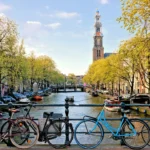
The northern bend and the Nieuwmarkt approach reveal different parts of the street’s character.
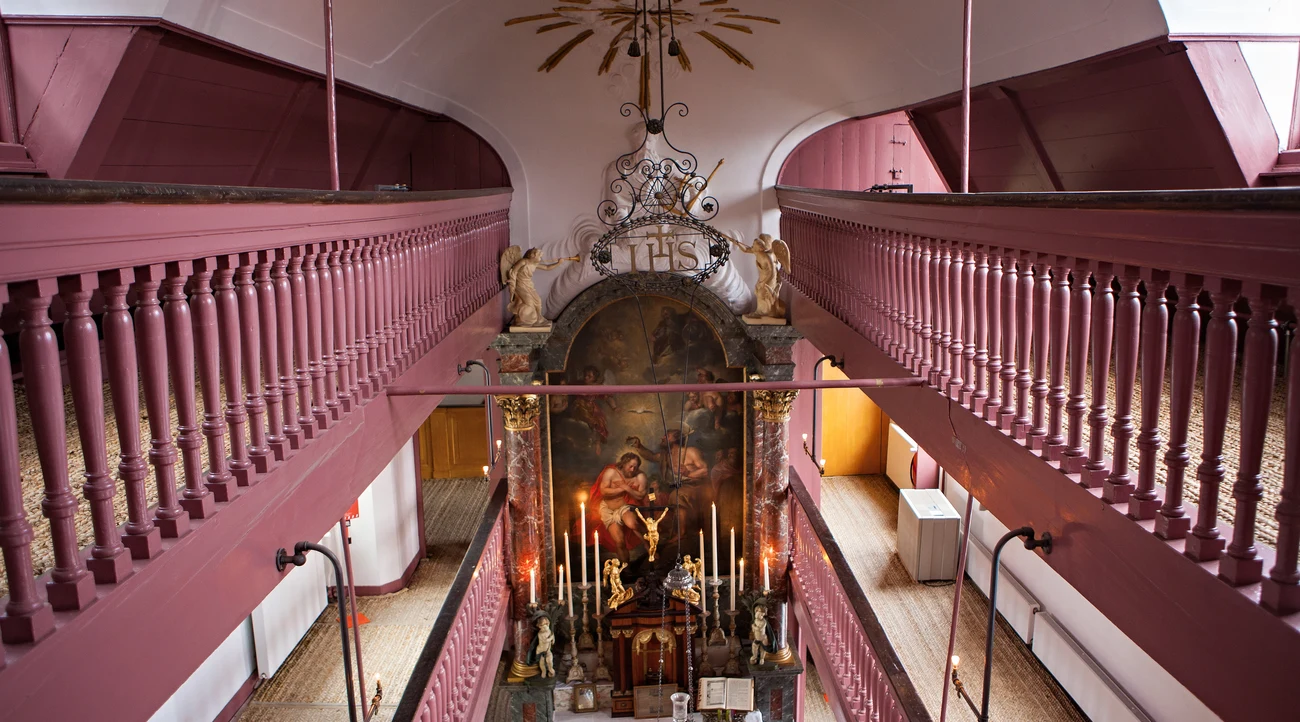
Hidden-church tickets and Amsterdam walking experiences
Find your stay near Zeedijk
Accommodation near Zeedijk, Nieuwmarkt or the station-side old centre can suit visitors who value central walking routes. Check the exact room position, stairs, evening noise, restaurant activity and entrance before booking. The experience can differ considerably between a quiet upper room and one facing a busy night-time stretch. The map is centred on Zeedijk in Amsterdam.
Zeedijk visiting questions
More activities and experiences in Amsterdam