







































In short
New York is one of the safer large cities in the United States, and the areas visitors use are busy at almost all hours. Violent crime against tourists is rare. What you are far more likely to meet are small scams and overcharging: people selling fake or misleading tickets, costumed characters demanding tips, unlicensed drivers at airports and pedicabs with hidden rates. Keep your phone and wallet secure in crowds, use licensed transport, and say a firm “no, thank you” and keep walking. In an emergency, call 911.
☰ Table of content
Where and when to pay attention
A little awareness in a few specific places is enough.
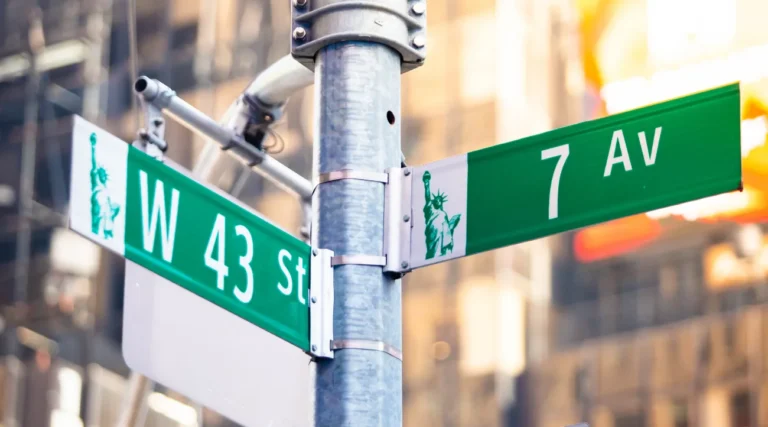
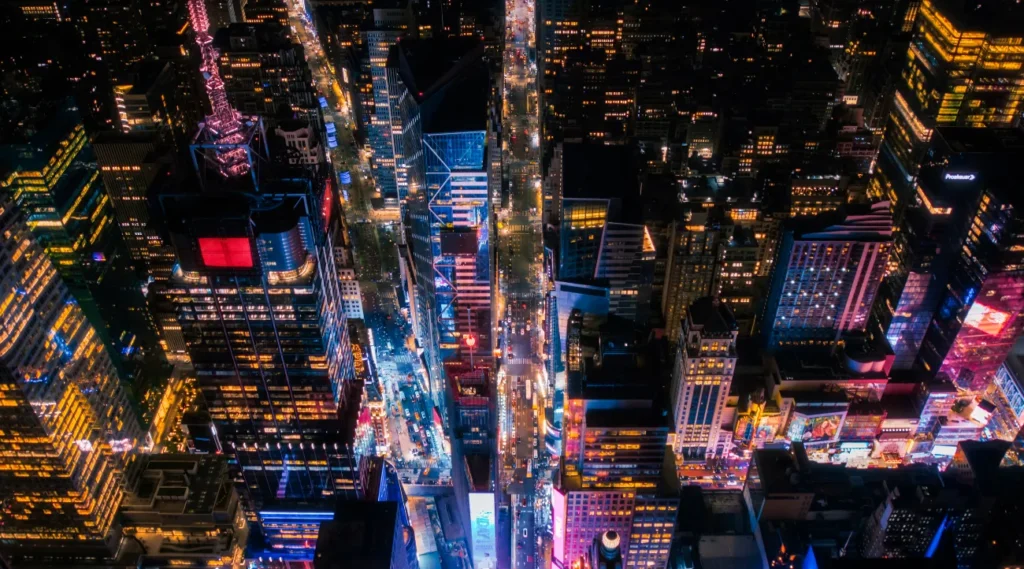
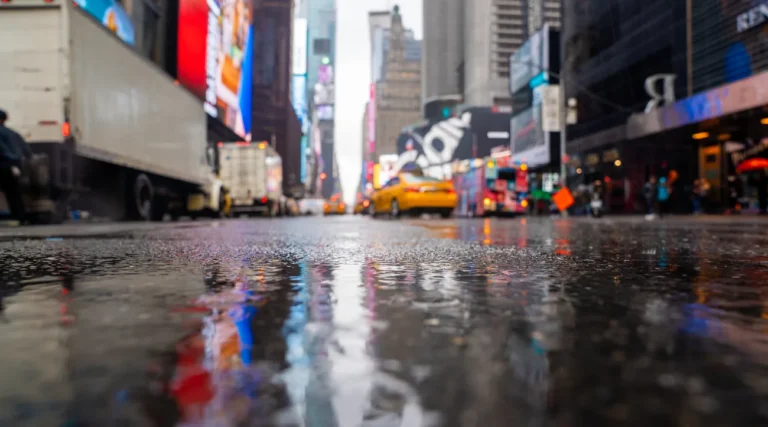
Times Square
Costumed characters and people handing out "free" CDs expect payment. Do not take anything handed to you.
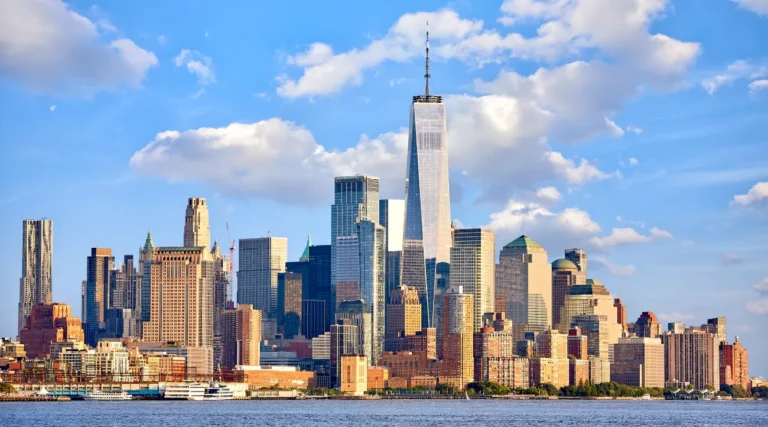
Battery Park
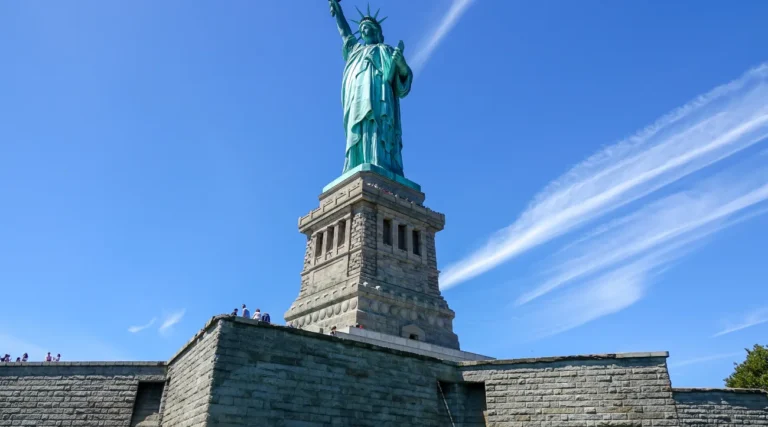
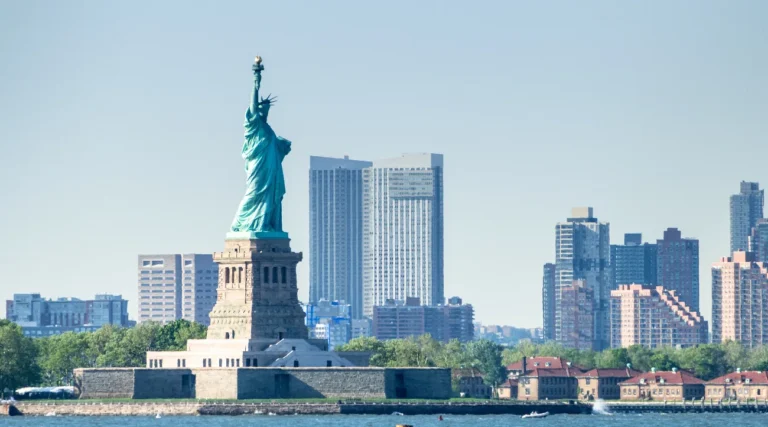
Street sellers offer "Statue of Liberty tickets" for boats that do not land on the island. Buy only from the official ferry operator.
Airports
Ignore drivers who approach you inside the terminal. Use the signed taxi line or a ride-hailing app.
Crowded trains and events
Keep bags zipped and in front of you; phones are snatched near subway doors as they close.
The scams visitors actually meet
None of these is dangerous. All of them cost money.
Tickets and tours
Sellers in bright vests near Battery Park, Times Square and the Staten Island Ferry terminal offer harbor cruises described as Statue of Liberty tickets, or charge for the ferry to Staten Island, which is free. Buy attraction tickets online or at official box offices. For Broadway, use the theater box office, the official seller linked from the show’s website or the TKTS booth.
Characters, monks, CDs and pedicabs
People dressed as cartoon characters or the Statue of Liberty will pose for a photo and then ask for $10 or $20; a dollar or two is plenty, and you can simply decline. Men in robes offering bracelets and musicians pressing a CD into your hand want a “donation”. Pedicabs near Central Park may charge by the minute per passenger; agree on a total price in writing before you sit down.
Subway safety, day and night
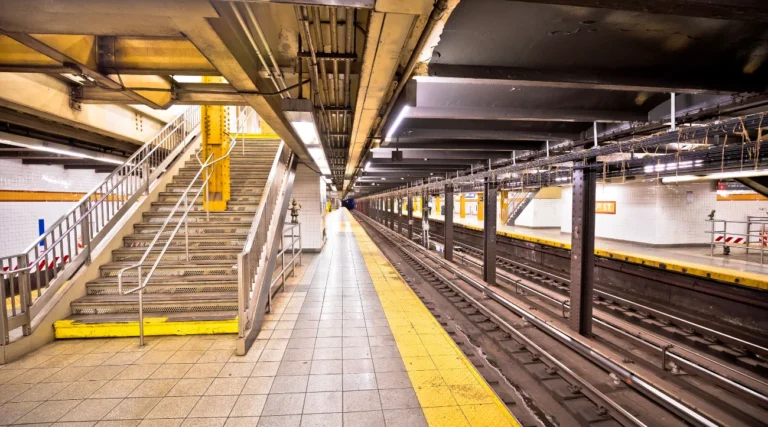
The subway is used by millions of people every day and is safe in normal use. At night, wait in the area marked Off-Hours Waiting Area near the station booth, and ride in the middle car, where the conductor is, or in a car with other passengers. Stand back from the platform edge. If a car is empty when the rest of the train is full, there is usually a reason; choose another. Each station has Help Point intercoms with a blue light for emergencies.
Practical precautions
Phones, wallets and bags
Carry your wallet in a front pocket and keep your phone away from the curb side of the sidewalk and from open train doors. In restaurants, do not hang a bag on the back of your chair. Leave passports in the hotel safe and carry a photo of the ID page.
Taxis and ride-hailing
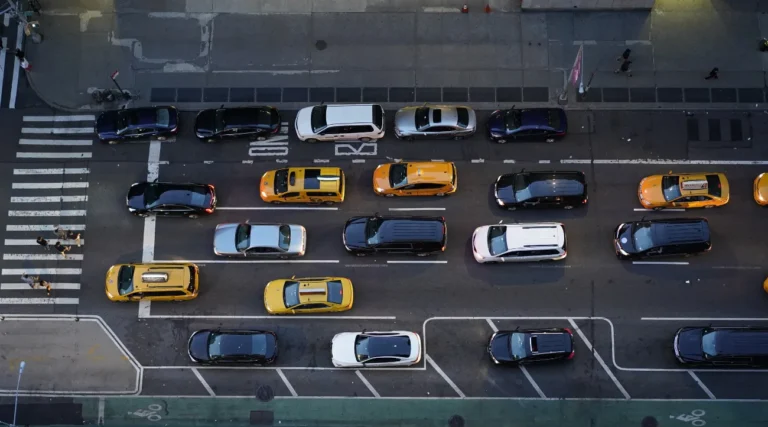
Yellow cabs and green cabs are licensed and metered; the medallion number is on the roof and inside. For app cars, match the license plate and the driver’s name before you get in. Never accept a ride from someone who approaches you.
If something goes wrong
- Call 911 for police, fire or ambulance.
- For non-emergencies and city information, call 311.
- Report a lost or stolen passport to your consulate.
Health care is expensive
An emergency room visit can cost thousands of dollars. Travel insurance with medical cover is essential. For minor problems, walk-in urgent care clinics are quicker and cheaper than hospitals, and pharmacies are open late.
Good to know
- Central Park is safe and busy by day; after dark, keep to lit paths near the edges.
- Police officers in Times Square and major stations are used to helping visitors.
- Jaywalking is common, but drivers and cyclists do not always stop; look both ways, including on one-way streets and bike lanes.
Avoid these mistakes
- Do not engage with anyone who blocks your way to sell something.
- Do not leave bags unattended; they will be removed and may trigger a security alert.
- Do not use unmarked cars offered at airports or outside clubs.
Areas and common sense
Visitors spend nearly all their time in Manhattan below 110th Street and in the nearer parts of Brooklyn and Queens, all of which are busy and well policed. As anywhere, quiet streets late at night call for more care than busy avenues. If a block feels wrong, walk to the nearest avenue, where there are always people and open shops.
Book official tickets
The simplest way to avoid ticket scams is to arrive with your tickets already on your phone.

Statue of Liberty & Ellis Island: Entry Ticket + Roundtrip Ferry from Manhattan

NYC 9/11 Memorial and Museum Ticket with Tour Options

The 9/11 Memorial & Museum: Entry Ticket

Empire State Building: Entry + 86th Floor Observation Deck Access
Guides to the visits scammers imitate
Check what real Statue of Liberty tickets include, and compare genuine harbor cruises.
Frequently asked questions
Is New York safe for tourists?
Yes. Tourist areas are busy and well policed; the main risks are petty theft and small scams.
Is the subway safe at night?
Generally yes. Ride in the middle car near the conductor and wait in the marked off-hours area.
What number do I call in an emergency?
911 for police, fire or ambulance; 311 for non-emergency city services.
Are the costumed characters in Times Square official?
No. They are independent performers who work for tips; you are not obliged to pay or to pose.