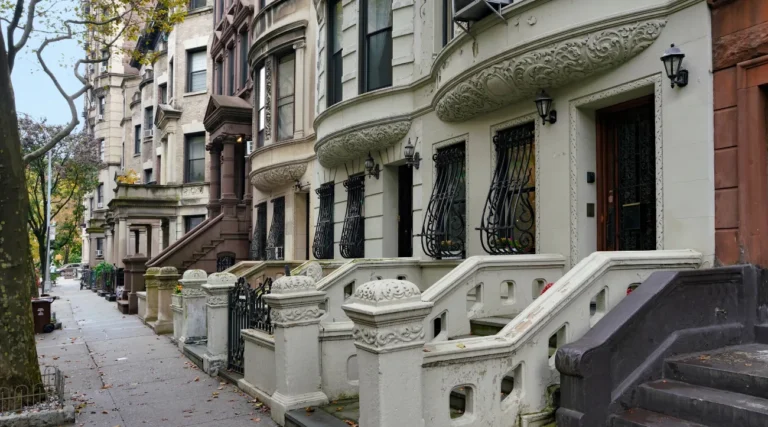
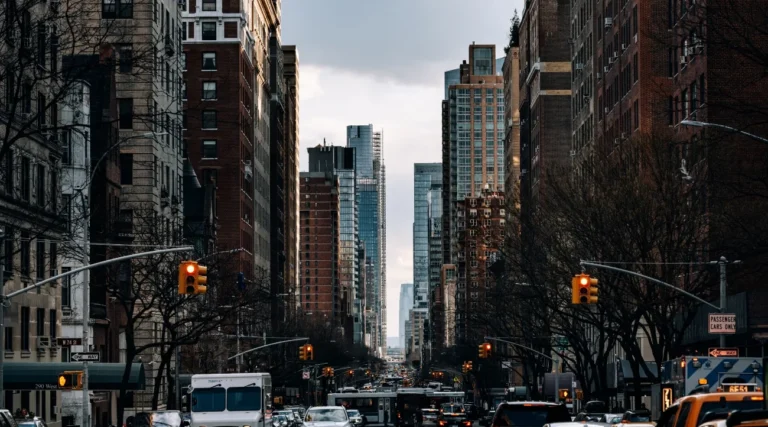
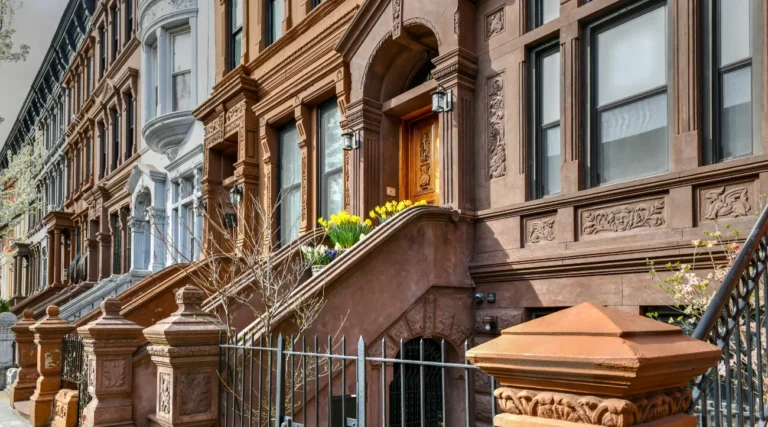
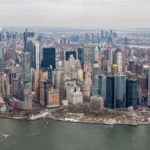
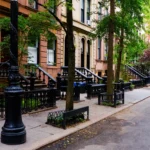
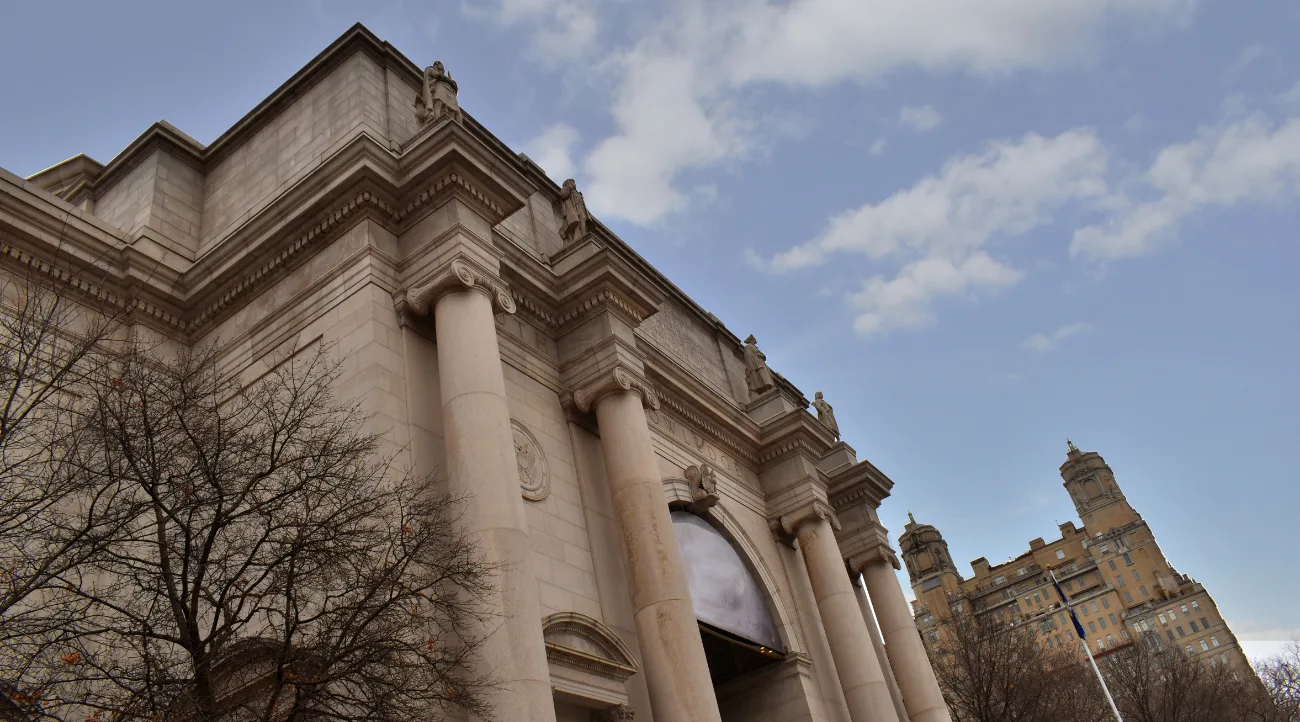
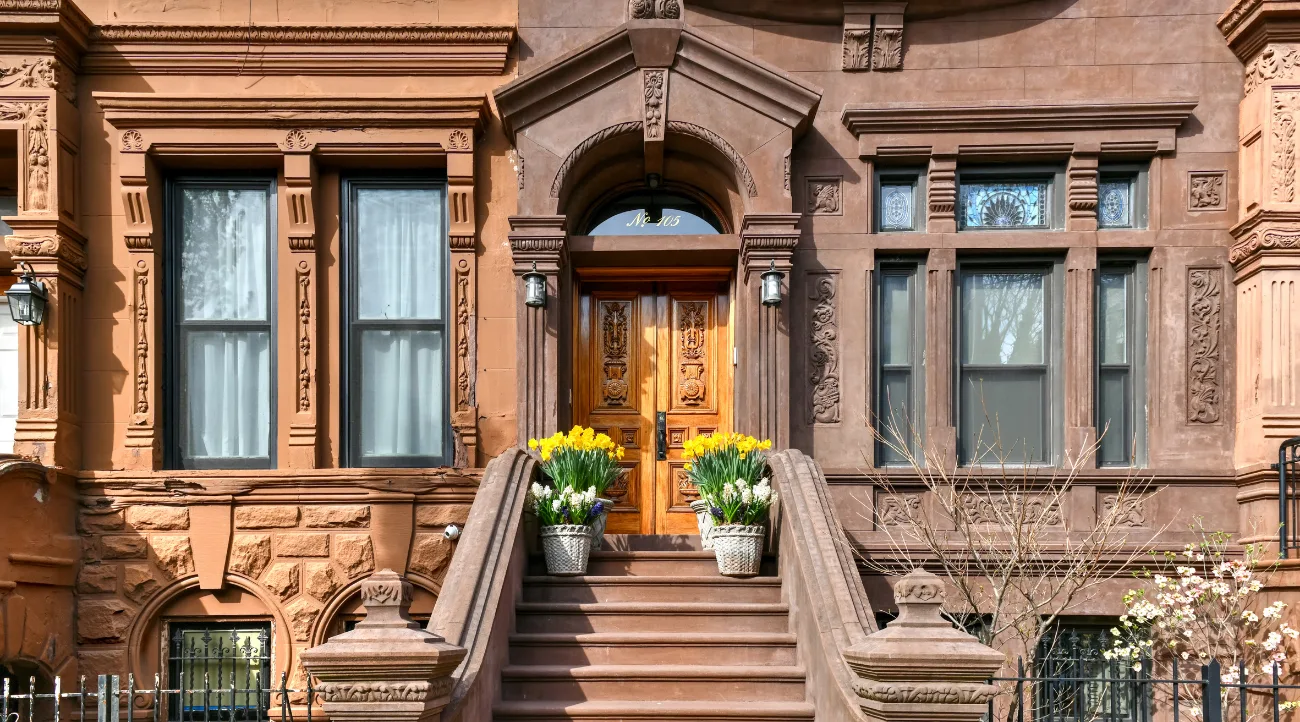
The Upper West Side is the stretch of Manhattan between Central Park and the Hudson River, a neighborhood of brownstone side streets, grand apartment houses and long-established food shops. Families come for the American Museum of Natural History, music lovers for Lincoln Center, and everyone for the easy access to two parks. It is less showy than the East Side and feels more lived-in: this is the New York of bookshops, bagels and people walking their dogs.
Finding your way around the Upper West Side
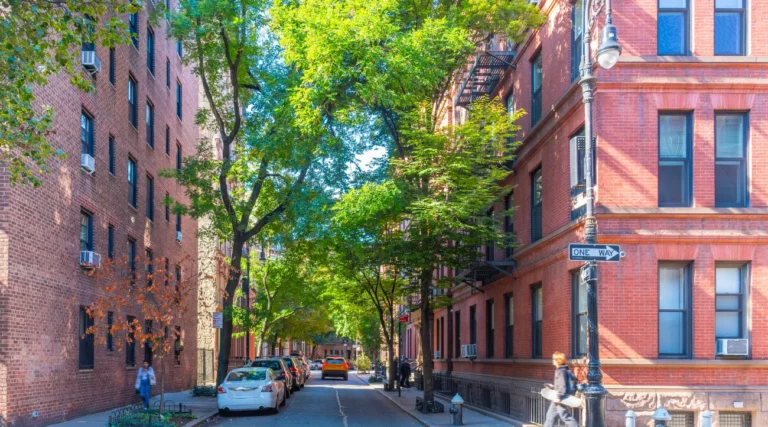
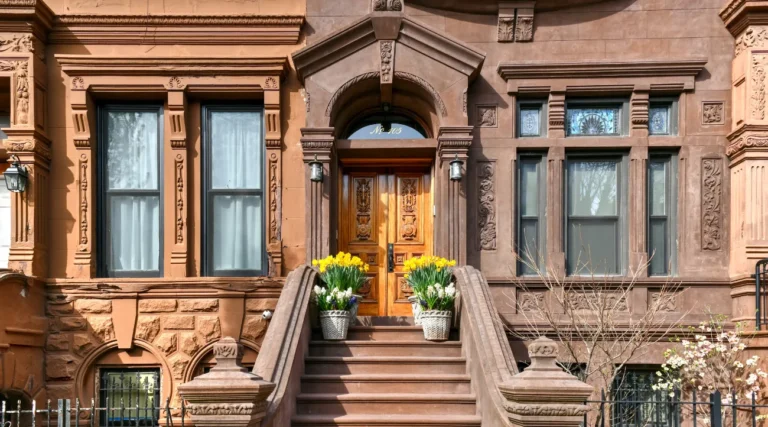
Central Park West runs along the park and holds the museums and the famous apartment buildings. Broadway, the main commercial street, cuts through the middle. Riverside Drive follows the Hudson. The side streets between them, especially in the 70s and 80s, have the best rows of townhouses.
- A real residential neighborhood with a relaxed pace.
- Excellent for families, with a great museum and two parks.
- Express subway trains to Midtown in under ten minutes.
- Sights are spread over a long distance north to south.
- The natural history museum is crowded on rainy days and weekends.
- Evenings are quieter than downtown.
Five Upper West Side stops to choose from
One museum, one park and one food stop make a good visit.
An Upper West Side day from the museum to the river
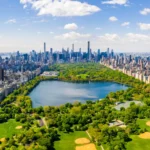
Start at the American Museum of Natural History at opening time. Afterwards cross into Central Park at 81st Street for the lake and Strawberry Fields, come out at 72nd Street by the Dakota, and walk west along the side streets to Broadway for something to eat. If you have energy left, continue to Riverside Park for sunset over the Hudson.
Tickets and activities on the Upper West Side
The natural history museum is very popular with families; book a timed ticket, especially at weekends and in school holidays.
- Do not arrive at the natural history museum at midday on a rainy Saturday.
- Do not skip the side streets; the avenues alone do not show the neighborhood.
- Do not underestimate distances: 30 blocks is a mile and a half.
- Enter the museum from 81st Street, at the planetarium, for shorter lines.
- Buy picnic food on Broadway and take it to the park.
- Catch the express 2 or 3 train at 72nd or 96th Street to save time.
Getting to the Upper West Side
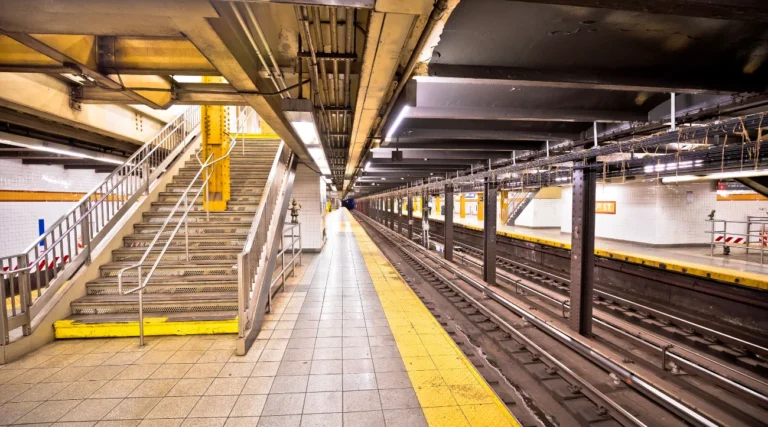
Two subway lines run the length of the neighborhood, one under Broadway and one under Central Park West.
From farmland to apartment living
Development came late here: until the elevated railway arrived in 1879, the West Side was a patchwork of farms and squatters’ shacks.
In the 1880s developers put up the first luxury apartment house, the Dakota, so far from the center that it was said to be as remote as the Dakota Territory. Rows of brownstones followed, then the twin-towered apartment buildings of the 1920s and 1930s that give Central Park West its skyline. In the 1960s a slum clearance project created Lincoln Center, home to the Metropolitan Opera, the New York Philharmonic and the New York City Ballet.
Details that make the Upper West Side easier to enjoy
- The Dakota, at 72nd Street, was the home of John Lennon; Strawberry Fields is just inside the park opposite.
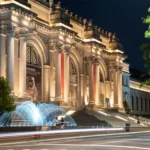
- Lincoln Center has a fountain plaza that is free to walk through, at its best in the evening.
- Riverside Park runs for four miles along the Hudson, with a promenade and a boat basin.
- Columbia University lies just to the north, in Morningside Heights.
- Zabar’s and its neighbors on Broadway make the 70s and 80s a famous food-shopping stretch.
Tickets and experiences for this part of New York
Staying on the Upper West Side: relaxed and good value
Choose this area for a neighborhood feel, lower rates than Midtown and quick subway rides downtown. It suits families and longer stays. Nightlife is quiet, and most sights elsewhere are 15 to 25 minutes away by train.
Upper West Side food stops: two institutions
Frequently asked questions about the Upper West Side
More New York activities to compare