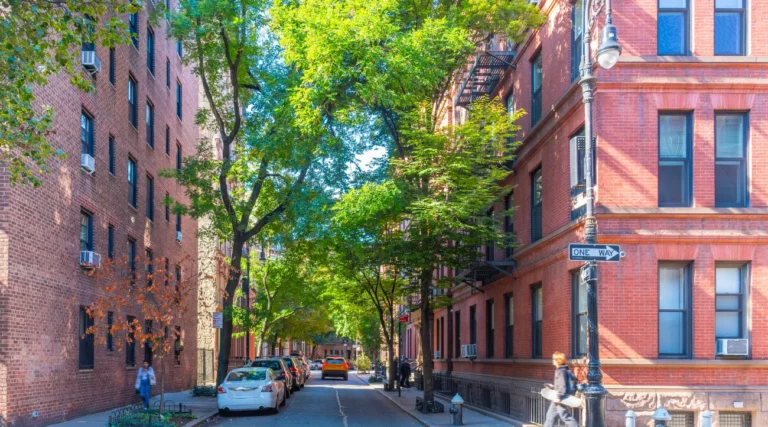
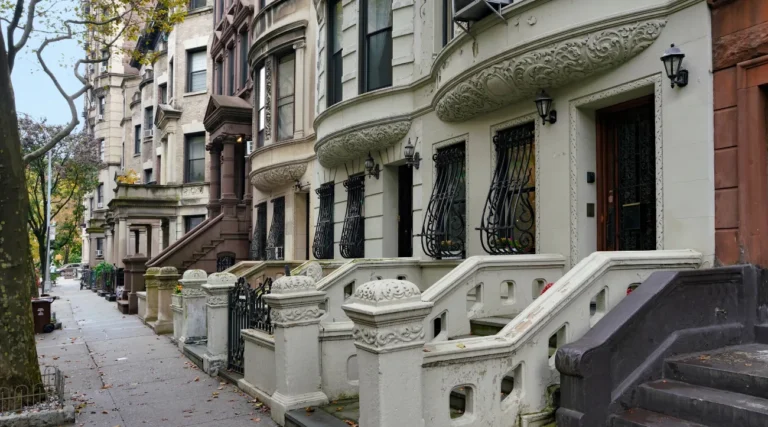
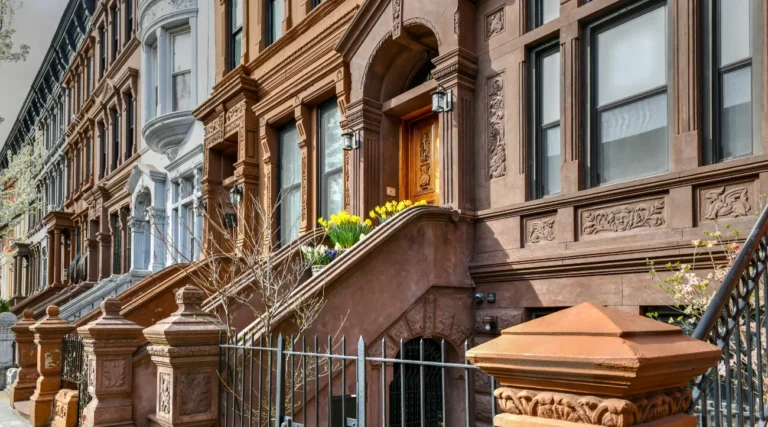
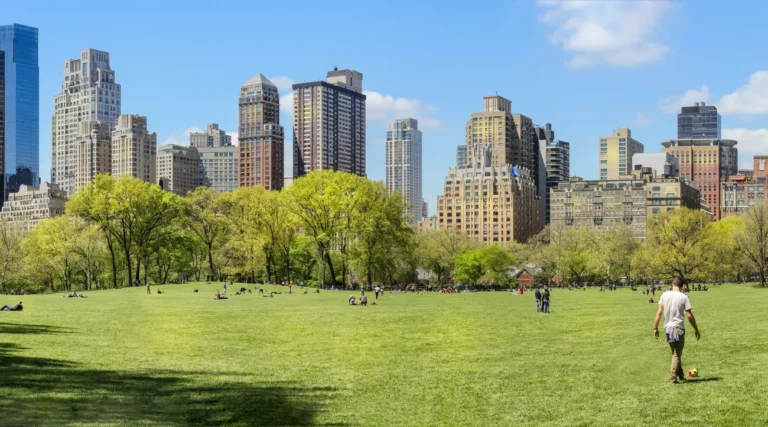
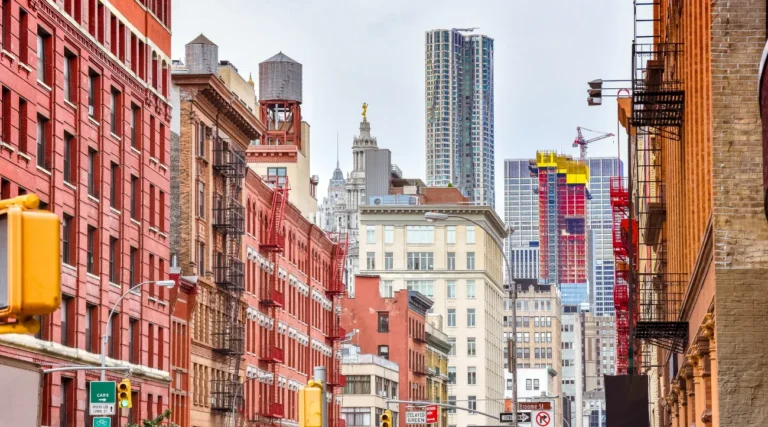
Harlem begins where Central Park ends and spreads across Upper Manhattan. In the 1920s it was the capital of Black America, the home of the Harlem Renaissance, of jazz clubs and of writers and thinkers who changed the culture of the country. That history is still visible on 125th Street, at the Apollo Theater, in the churches where gospel is sung every Sunday and along some of the best-preserved rows of brownstones in the city. Visit in the daytime, eat well, and take your time on the residential blocks.
Finding your way around Harlem
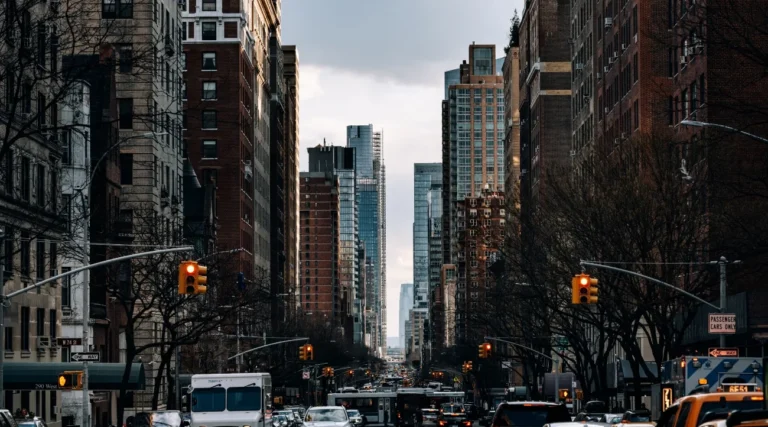
125th Street is the main street, running across the island. Two avenues cross it and carry most of the life of the neighborhood: Malcolm X Boulevard, also called Lenox Avenue, and Adam Clayton Powell Jr. Boulevard, the continuation of Seventh Avenue. The area north of 125th Street, up to 145th, has the finest houses.
- A neighborhood with a history and identity all its own.
- Beautiful, well-preserved residential architecture.
- Outstanding soul food and live music.
- Sights are spread out; plan your route before you set off.
- Churches are places of worship first: dress and behave accordingly.
- Some services limit or no longer admit visitors; check ahead or go with a tour.
Four ways into a Harlem visit
Harlem is about streets, food and music more than ticketed sights. These stops give a visit some structure.
A Harlem half-day along 125th Street
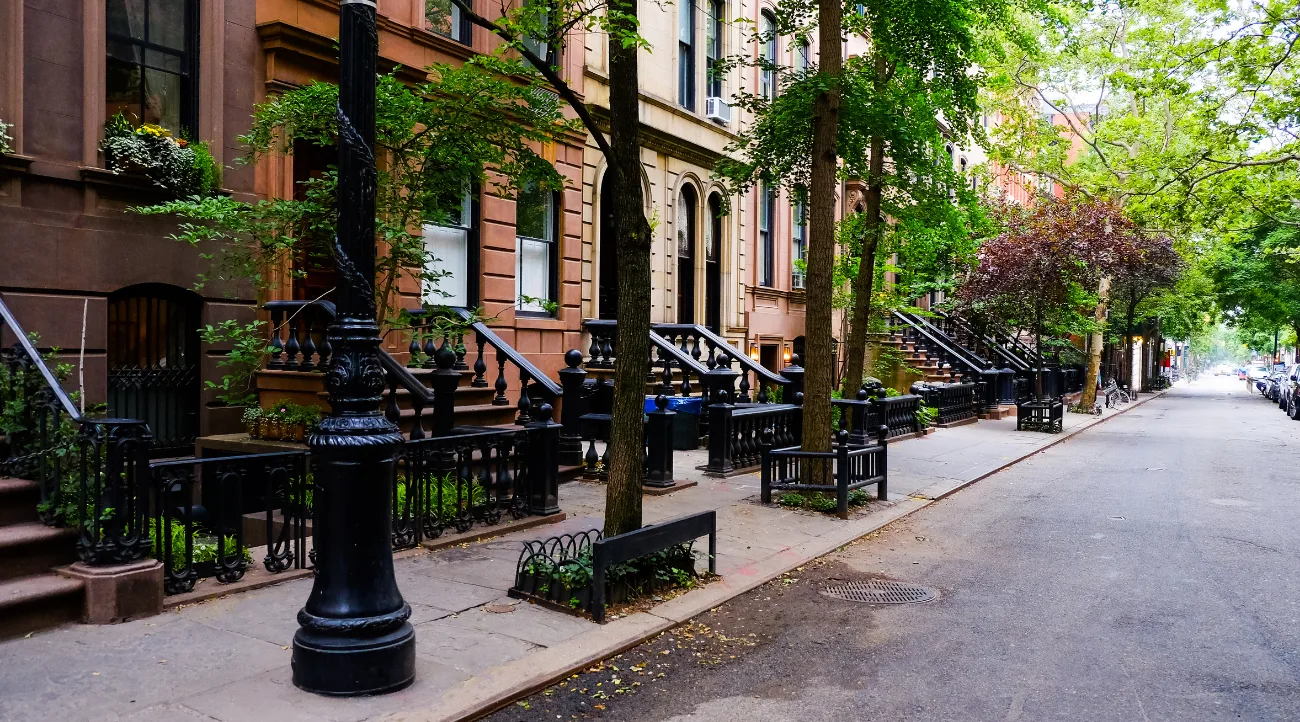
Take the subway to 125th Street and start at the Apollo Theater. Walk east to Malcolm X Boulevard, turn north for lunch and continue to the brownstone blocks around 130th to 139th Streets. On a Sunday, begin instead with a gospel service or a guided gospel tour in the morning.
Tickets and activities in Harlem
Guided gospel and walking tours are the best way to go beyond the main streets, and they handle church etiquette for you. Book ahead for Sundays.
- Do not photograph or film inside churches during services.
- Do not arrive late for a service or leave in the middle.
- Do not treat residential streets as a backdrop; people live here.
- Look for Amateur Night at the Apollo if you are in town on a Wednesday.
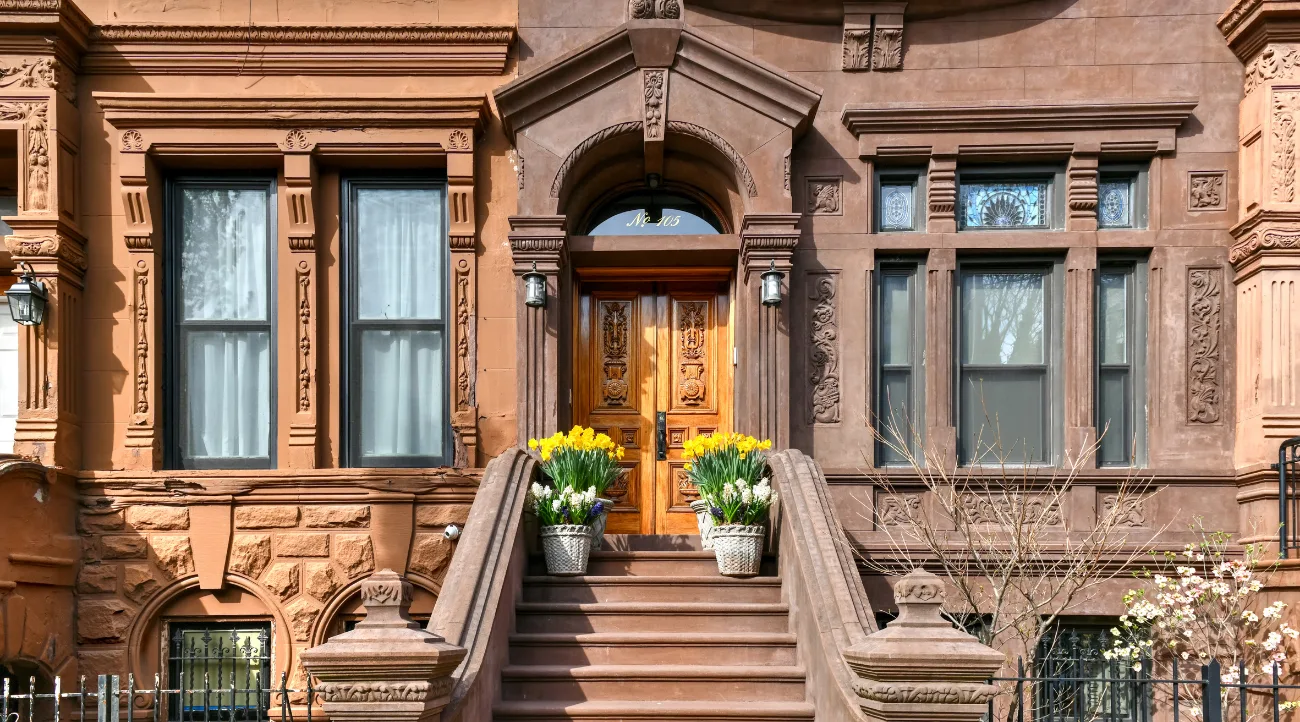
- Walk Strivers’ Row, on 138th and 139th Streets, for the finest townhouses.
- Reserve a table for Sunday lunch; restaurants fill after church.
Getting to Harlem
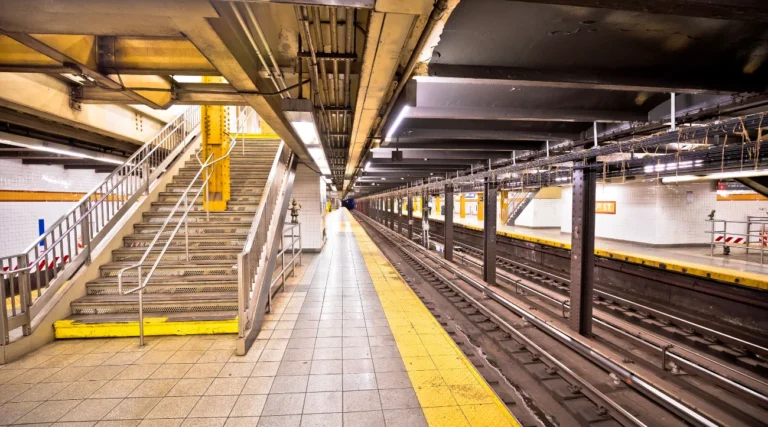
Express trains make Harlem surprisingly quick to reach: Times Square to 125th Street takes about ten minutes.
From Dutch village to the Harlem Renaissance
Harlem was founded as a farming village in 1658 and remained countryside until the railways reached it in the 1800s.
A building boom at the end of the century left more houses than buyers, and from the early 1900s Black families, shut out of other districts, began to move in. By the 1920s Harlem was the center of a cultural flowering: Langston Hughes and Zora Neale Hurston wrote here, Duke Ellington played here, and the Apollo opened its stage to Black performers in 1934. Decades of poverty and neglect followed. Since the 1990s investment has returned, bringing restoration, new restaurants and rising rents, along with a debate about who the neighborhood is for.
Details that make Harlem easier to enjoy
- The Apollo Theater on 125th Street launched the careers of Ella Fitzgerald, James Brown and many others.
- Strivers’ Row is a pair of blocks of elegant 1890s townhouses with back alleys for carriages.
- Street names honor Black leaders: Malcolm X, Adam Clayton Powell Jr., Frederick Douglass and Martin Luther King Jr.
- The Schomburg Center is a research library devoted to Black culture, with free exhibitions.
- Hamilton Grange, the country house of Alexander Hamilton, stands in a park in the western part of the neighborhood.
Tickets and experiences for this part of New York
Staying in Harlem: space and local life
Choose Harlem for larger rooms, lower prices and a strong neighborhood character. Stay close to an express subway stop on 125th Street. As anywhere, check the exact block and recent reviews before booking.
Harlem food stops: two soul food addresses
Frequently asked questions about Harlem
More New York activities to compare