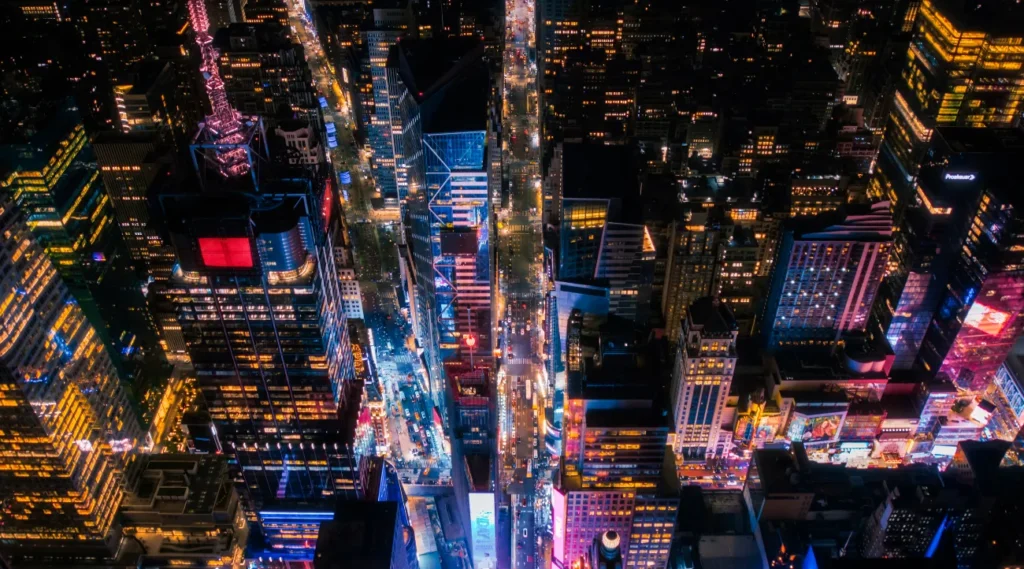
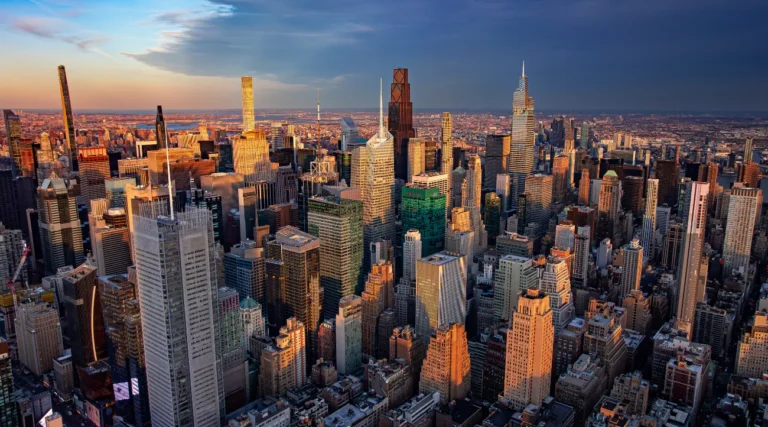
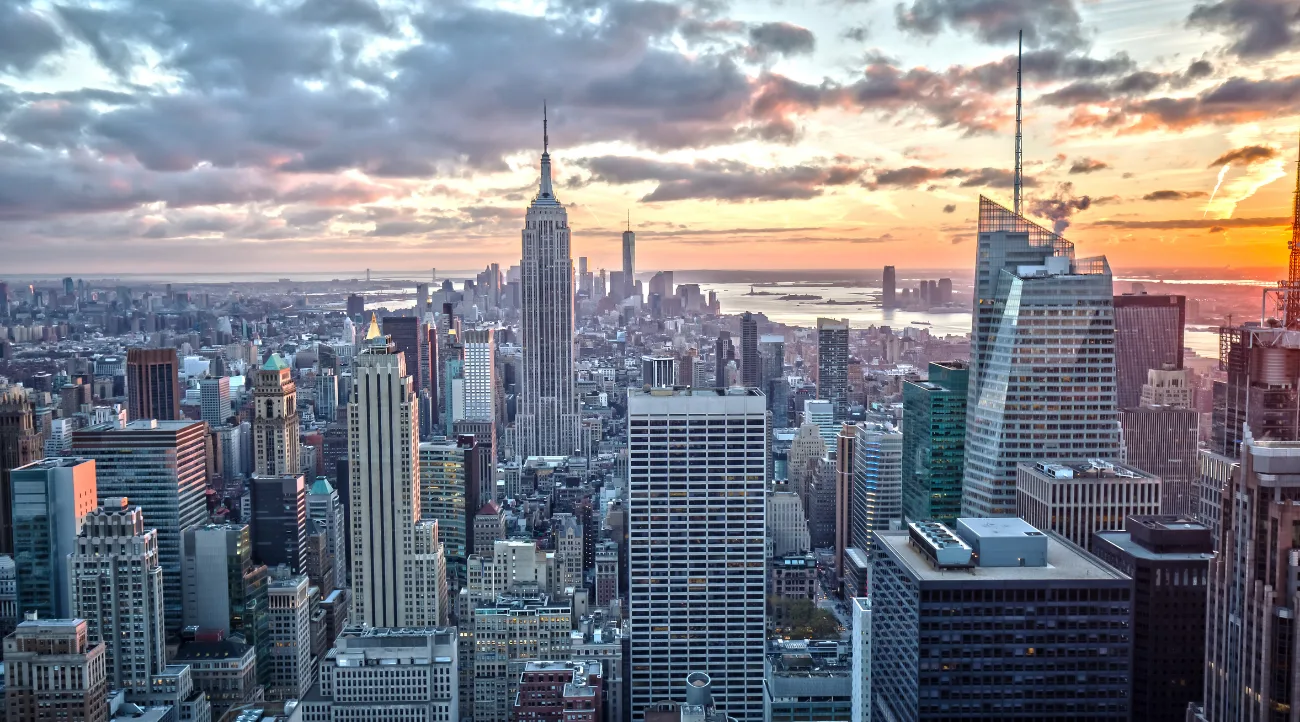
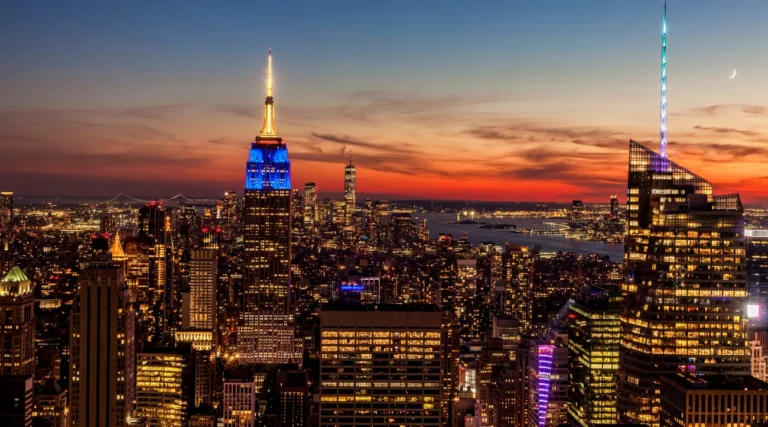
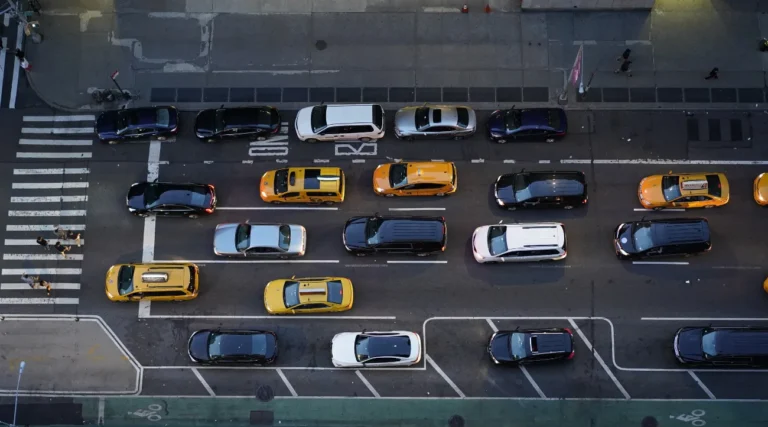
Midtown Manhattan is the New York of postcards: the district between 34th Street and Central Park where the Empire State Building, the Chrysler Building, Rockefeller Center, Grand Central Terminal and Times Square stand within walking distance of one another. It is also where most visitors stay, and where the city is at its most crowded. The area is easy to read once you know that avenues run north to south and numbered streets east to west, with Fifth Avenue as the dividing line. Plan it as a walk from south to north, with one observation deck and a couple of quiet pauses.
Finding your way around Midtown
Think of Midtown as three parallel bands. In the center, Fifth Avenue links the Empire State Building to Central Park. To the west are Times Square and the theaters; to the east, Grand Central Terminal, the Chrysler Building and Park Avenue. Twenty blocks north to south make about one mile, so most sights are 10 to 20 minutes apart on foot.
- The highest concentration of famous sights in the city.
- Flat, straight streets that are simple to navigate.
- Subway connections to every other neighborhood.
- Sidewalks are packed at midday and before theater time.
- Restaurants on the main avenues are expensive for what they offer.
- Distances look short on the map but add up over a day.
Six Midtown places to build your day around
You cannot do everything in a day. Choose four or five of these and leave the rest for another visit.
A Midtown day from 34th Street to Central Park
Start at the Empire State Building when it opens, then walk north along Fifth Avenue to the Public Library and Bryant Park. Cross east to Grand Central for lunch, return to Fifth Avenue for Rockefeller Center and St. Patrick’s Cathedral, and finish at the corner of Central Park. Keep Times Square for after dark.
Tickets and activities in Midtown
Three observation decks compete here, and each needs a timed ticket at busy periods. Book one for sunset and leave museums or shows for the evening.
- Do not plan three observation decks in one trip; one or two is enough.
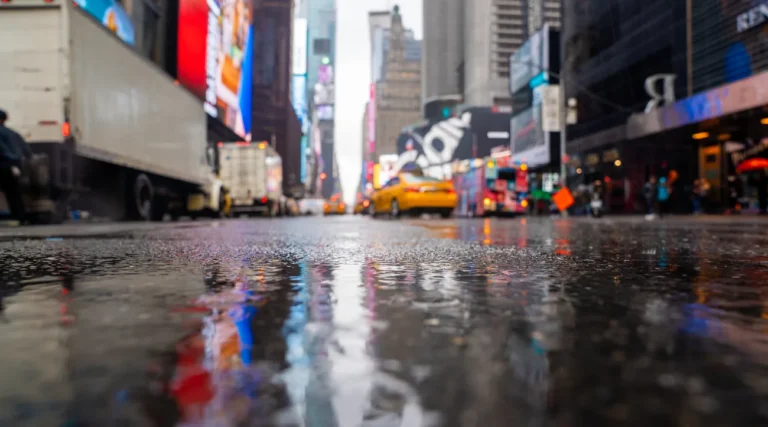
- Do not eat in Times Square without checking prices first.
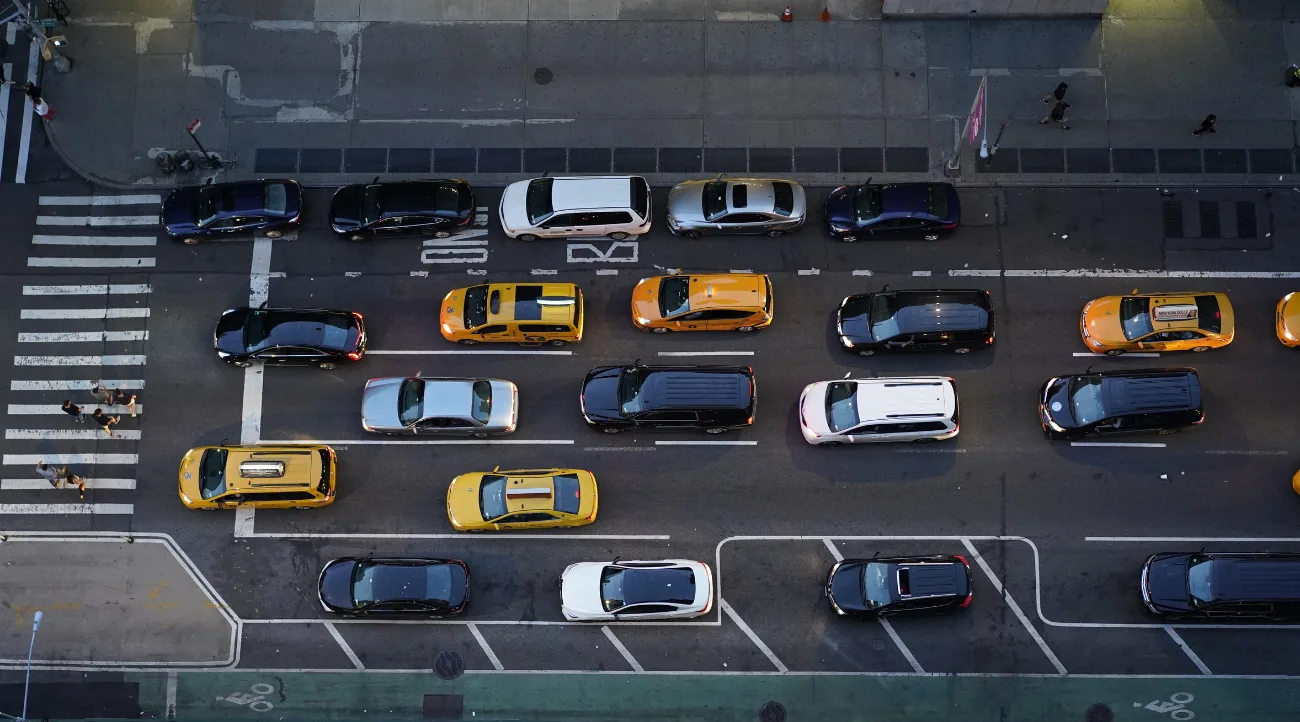
- Do not cross Midtown by taxi at rush hour; walking is usually faster.
- Walk on the avenues for views and on the side streets for speed.
- Use the public restrooms in Bryant Park and Grand Central.
- Book your sunset deck several days ahead.
Getting to Midtown
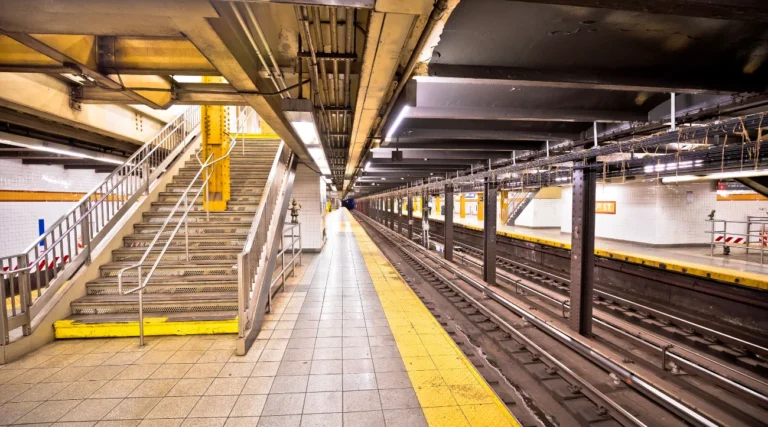
Midtown is the best-connected part of the city. Almost every subway line passes through it, and trains from the airports and suburbs arrive at its stations.
How Midtown became the center of New York
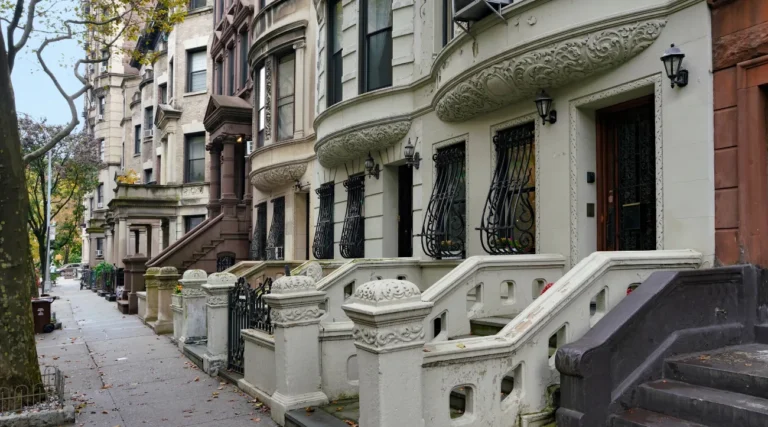
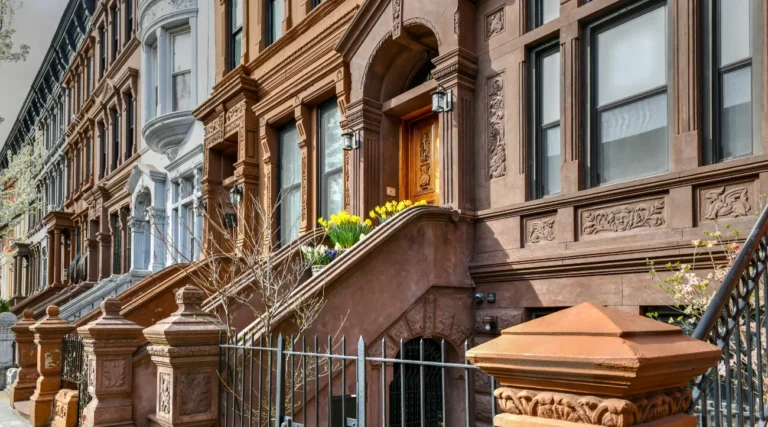
Until the late 1800s this was the northern edge of town, a district of brownstone houses, churches and the mansions of the rich along Fifth Avenue.
The opening of Grand Central Terminal in 1913 and the arrival of the subway changed everything. Offices and hotels rose around the station, theaters gathered around Times Square, and department stores moved up Fifth Avenue. The skyscraper race of the late 1920s gave Midtown the Chrysler Building and the Empire State Building, and Rockefeller Center followed in the 1930s. After the war, glass towers replaced the last mansions on Park Avenue, and a new generation of very tall, very thin towers has appeared along 57th Street in recent years.
Details that make Midtown easier to enjoy
- The grid: streets are numbered and avenues run parallel, so you can always work out how far you are from your next stop.
- East and West: addresses on cross streets start from Fifth Avenue and rise in both directions.
- Plazas and atriums: many towers have public indoor spaces with seats, marked by a small sign at the door.
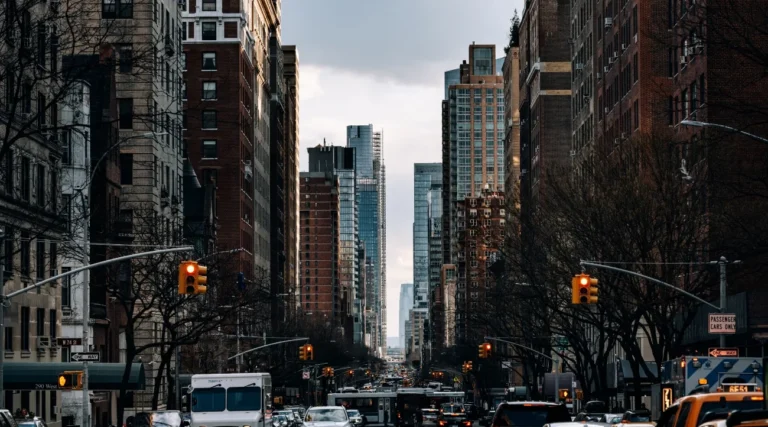
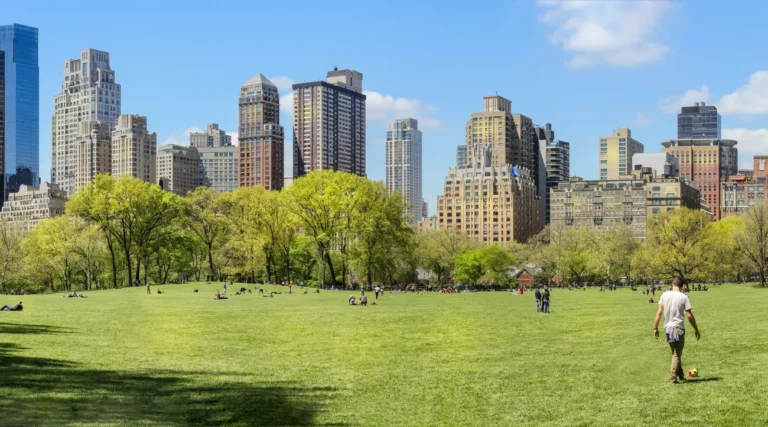
- The view north: from 34th Street the avenue runs straight to the trees of Central Park, a mile and a quarter away.
- Holiday season: from late November the area around Rockefeller Center is the most crowded place in the city.
Tickets and experiences for this part of New York
Staying in Midtown: convenient, busy, well connected
Choose Midtown if it is your first visit and you want to walk to the main sights. Rooms are smaller and streets noisier than elsewhere; ask for a high floor or a room facing away from the avenue. The blocks east of Fifth Avenue are calmer than those around Times Square.
Midtown food stops: a classic and a quick bite
Frequently asked questions about Midtown Manhattan
More New York activities to compare