
















































In short
The most pleasant months in New York are May, June, September and October, with mild days and long hours of light. December is the most atmospheric and the most expensive, and January and February are cold but by far the cheapest. Summer is hot and humid, with average highs around 84°F (29°C) in July, while January averages 39°F (4°C) by day and often drops below freezing at night. Rain is spread evenly through the year, so no month is truly dry. Decide what matters most to you: weather, budget or a particular event.
☰ Table of content
The four seasons at a glance
Each season gives you a different city.
Spring (April–June)
Blossom in the parks from mid-April, comfortable walking weather, and rising prices toward June.
Summer (July–August)
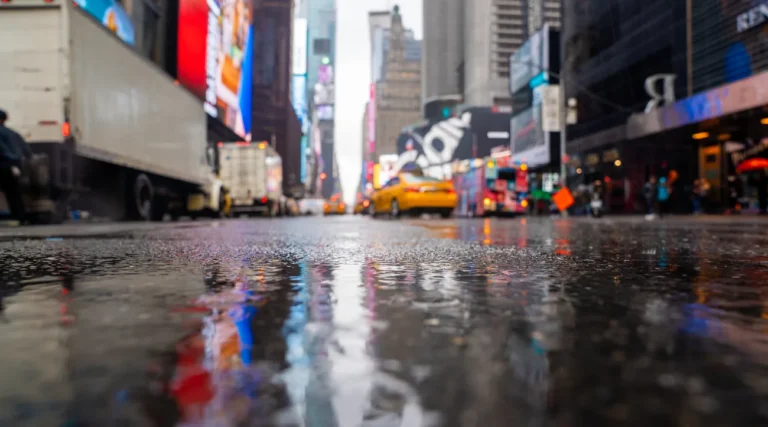
Hot, humid and busy, with free outdoor concerts, films and rooftop evenings. Afternoon thunderstorms are common.
Fall (September–November)
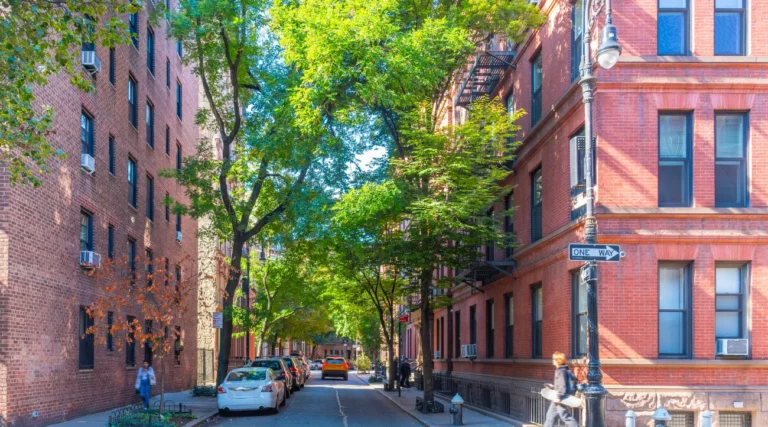
Clear, mild days and foliage in Central Park, usually at its peak in early November. A favorite of repeat visitors.
Winter (December–March)
Holiday lights until early January, then the quietest, coldest and cheapest weeks of the year.
Month by month
Use this as a guide; the weather varies from year to year.
January to June
January and February: highs of 39–43°F (4–6°C), occasional snow, the lowest hotel rates and special offers on restaurants and Broadway tickets. March: unpredictable, from snow to mild sun; the St. Patrick’s Day Parade is on the 17th. April: around 61°F (16°C), cherry blossom and showers. May: about 72°F (22°C), one of the best months. June: warm, long evenings, the Pride March on the last Sunday and outdoor events everywhere.
July to December
July and August: highs of 82–86°F (28–30°C) with high humidity; Independence Day fireworks on July 4 and the US Open tennis from late August. September: warm and clear, prices climb again. October: about 64°F (18°C), crisp and bright. November: the Marathon on the first Sunday, Thanksgiving parade on the fourth Thursday, and the start of the holiday season. December: cold, festive and crowded, with the highest prices of the year between Christmas and New Year.
When New York is cheapest and when it is most expensive
Hotel prices follow demand closely. The lowest rates run from early January to early March, and again in the hottest weeks of late July and August. The most expensive periods are mid-September to early November, when business travel and the United Nations General Assembly fill the hotels, and the weeks between Thanksgiving and New Year. The same room can cost three times as much in December as in February.
Events that shape the calendar
Holiday season
The Rockefeller Center tree is usually lit on the Wednesday after Thanksgiving and stays until early January. Store windows on Fifth Avenue, ice rinks and holiday markets at Bryant Park, Union Square and Columbus Circle run through the same weeks.
Parades and big days
St. Patrick’s Day (March 17), Pride (last Sunday of June), Independence Day (July 4), Halloween in Greenwich Village (October 31), the New York City Marathon (first Sunday of November), the Thanksgiving Day Parade and New Year’s Eve in Times Square all bring road closures and full hotels.
Public holidays change opening hours
- On Thanksgiving Day and Christmas Day many museums and some restaurants close; observation decks stay open.
- Check each attraction for those dates.
Daylight
In late June the sun sets around 8:30 pm; in December around 4:30 pm. Plan observation decks and outdoor walks around those times.
Good to know
- Indoor spaces are heated to summer levels in winter and chilled in summer; dress in layers.
- Fall foliage in Central Park usually peaks in the first half of November.
- Restaurant Week and Broadway Week, in winter and late summer, bring fixed-price menus and two-for-one tickets.
Avoid these mistakes
- Do not underestimate summer humidity; plan museums for the afternoon.
- Do not expect guaranteed snow at Christmas; it is more likely in January and February.
- Do not arrive on Marathon Sunday or Thanksgiving week without bookings.
Our short answer
For a first visit, choose late April to early June or mid-September to late October. For the lowest cost, go between mid-January and the end of February and plan around museums, shows and food. For the lights and the atmosphere, come in the first two weeks of December, before the peak holiday prices.
Visits for any season
These work in every kind of weather and can be booked for a fixed time.

SUMMIT One Vanderbilt: Entry Ticket

SUMMIT One Vanderbilt Experience Ticket

The Museum of Modern Art (MoMA): Entry Ticket

The Museum of Modern Art Admission Ticket

American Museum of Natural History (AMNH): Entry Ticket

American Museum of Natural History Admission Ticket
Plan around the weather
An indoor observation deck for a cold or wet day, and an evening tour for the long summer nights.
Frequently asked questions
What is the best month to visit New York?
May, June, September and October offer the best balance of weather and daylight.
What is the cheapest time to visit?
From early January to early March, when hotel prices are at their lowest.
Is New York worth visiting in winter?
Yes. It is cold, but museums, shows and restaurants are at their best and prices are low after New Year.
How hot is New York in summer?
Daytime highs are typically 82–86°F (28–30°C) with high humidity, and heat waves can exceed 95°F (35°C).