




























In short
Amsterdam’s Red Light District is a living neighbourhood, a workplace and part of the city’s historic centre. A good visit starts with choosing what you want to understand, rather than treating people as an attraction.
- Daylight: best for architecture and cultural visits.
- Privacy: never photograph or film sex workers or their windows.
- Public space: follow alcohol, cannabis and nuisance restrictions.
- Tours: guided groups cannot pass sex workers’ windows.
☰ Table of content
Red Light District and De Wallen: understand the difference
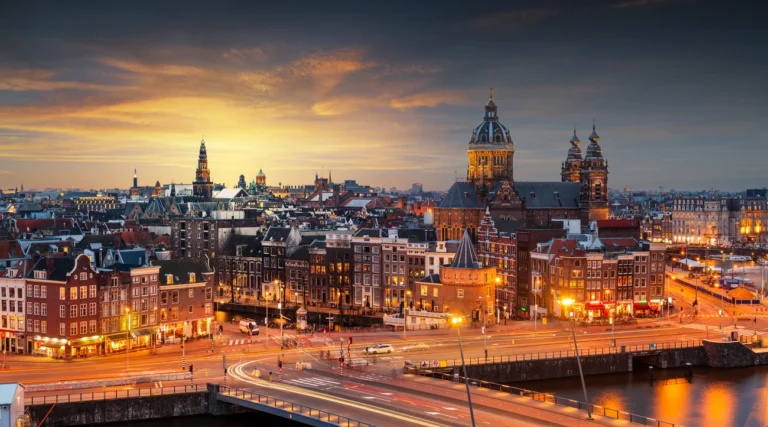
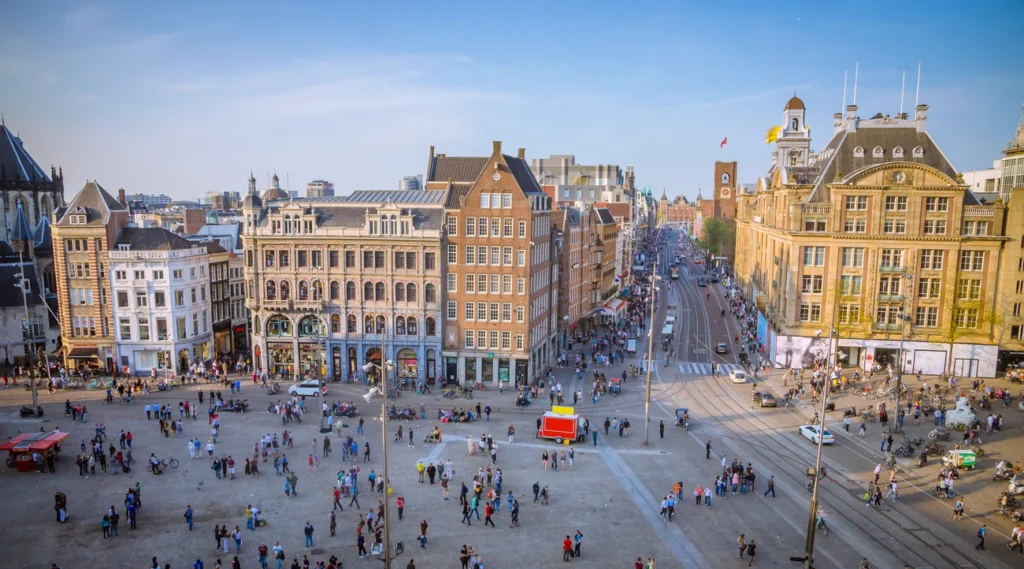
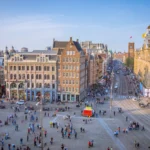
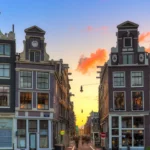
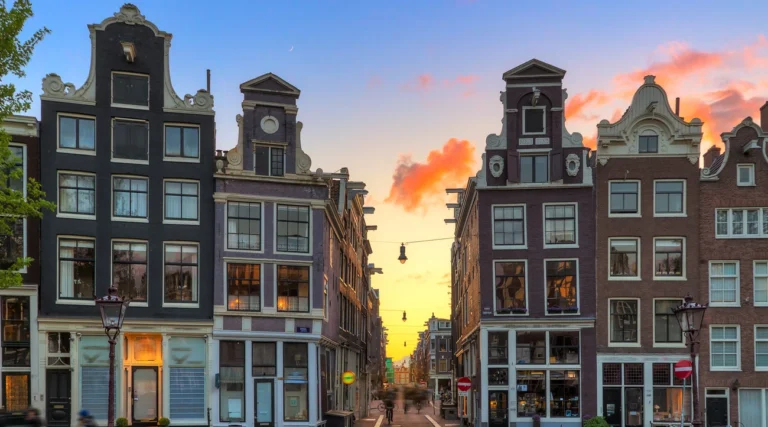
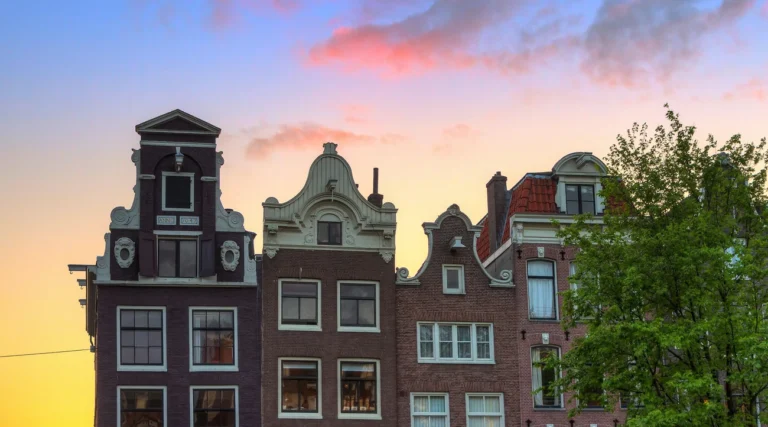
De Wallen is the neighbourhood name; Red Light District describes the internationally familiar image associated with part of it. The area belongs to Amsterdam’s medieval core, close to Centraal, Dam Square and Nieuwmarkt. Its irregular lanes and compact canal-side buildings feel different from the broad, planned arcs of the later canal belt.
This guide focuses on the decisions visitors need to make: timing, behaviour, museums, mobility and the difference between a public street and a paid attraction. Seeing the district does not require entering an adult venue. Equally, looking at an old church should not become an excuse to point a camera at somebody working nearby.
The red-lit windows are associated with sex work in regulated workplaces. They are not a public performance, and the people working there are entitled to privacy. A museum can explain the subject; the street is not a substitute for an exhibition.
Daytime or evening: choose the visit that suits you
Choose your time around a cultural stop and your comfort with crowds. The following comparison is editorial planning advice, rather than a timetable for individual businesses.
| Visit style | What it offers | Plan around |
|---|---|---|
| Daylight | Architecture, orientation and a clearer view of the old city | Museum hours and a relaxed pace |
| Early evening | A different atmosphere as the streets become busier | Your return journey and how comfortable you feel in a crowd |
| A busy weekend evening | More noise and concentrated foot traffic | Shorten the visit if the streets feel uncomfortable |
| A museum-focused visit | A defined subject and indoor interpretation | Admission conditions, last entry and accessibility |
Quick advice
For a first visit, we favour daylight or early evening. Allow roughly an hour for a gentle look at the old centre, then add the full time needed for any museum you choose. This is a planning allowance, not a marked route. You do not need to stay late to have “really seen” the district.
Photography, privacy and respectful behaviour
Keep workers and windows out of your photos
Do not photograph, film, livestream or secretly record sex workers. A phone camera can intrude even when your intended subject is a building.
Pause without blocking the street
Leave doors, bridges and narrow pavements clear. Move somewhere wider before checking a map or gathering your companions.
Keep the atmosphere calm
Avoid shouting, chanting, pointing and running commentary about other people. These are homes and workplaces, not a stage.
Ask before recording indoors
A museum’s photography policy does not apply to the surrounding street. Follow the venue’s rules and respect other visitors.
For architectural photographs, frame the building carefully and put the phone away whenever people’s privacy could be affected. Avoid a camera-led visit altogether if you are unsure what is in the frame. Curiosity does not create consent.
Alcohol, cannabis and the rules in public space
The old centre has restrictions intended to reduce nuisance. The practical lesson is to follow the signs where you are, rather than assuming that Amsterdam’s reputation makes public consumption acceptable.
| Situation | What visitors should do |
|---|---|
| Alcohol on the street | Respect the centre’s no-alcohol restrictions; a drink bought nearby is not an exemption. |
| Cannabis in public | Do not smoke cannabis in designated old-centre areas, including De Wallen. |
| Noise and litter | Keep voices down, use bins and respect residents’ entrances. |
| Street offers | Do not buy drugs from street dealers or follow unsolicited invitations. |
| Instructions on the ground | Follow directions from police, enforcement staff and crowd stewards. |
Do not plan a visit around old online lists of closing times or fines. Different rules can apply to different hospitality categories, and published information can lag behind changes. The restrictions on behaviour apply even when a venue is open.
Cultural visits: three different ways to understand the area
Choose a museum for its subject, rather than assuming every attraction with “Red Light” in its name offers the same experience. These are cultural institutions, with their own admission and access conditions.
Oude Kerk — architecture and contemporary art
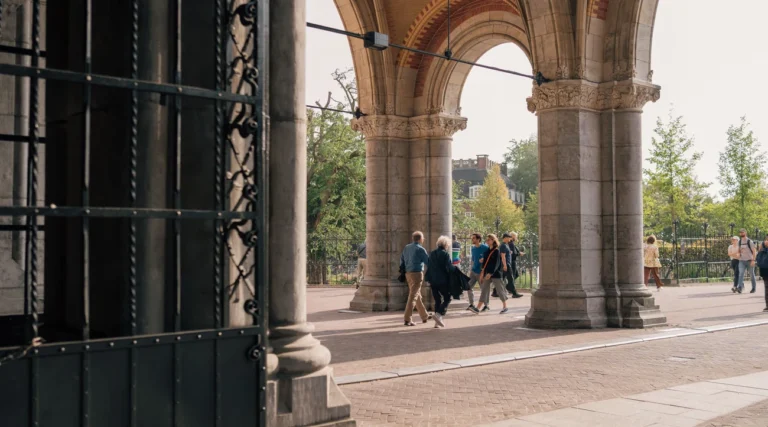
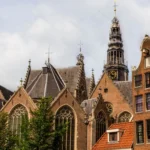
Amsterdam’s oldest building combines a long religious history with site-specific contemporary art. Look at the building as a whole: its scale, light and acoustics are part of the visit.
Our Lord in the Attic — a hidden church in a canal house
Museum Ons’ Lieve Heer op Solder connects domestic rooms with a concealed Catholic church. It offers a different perspective on religious practice, private space and Amsterdam’s history.
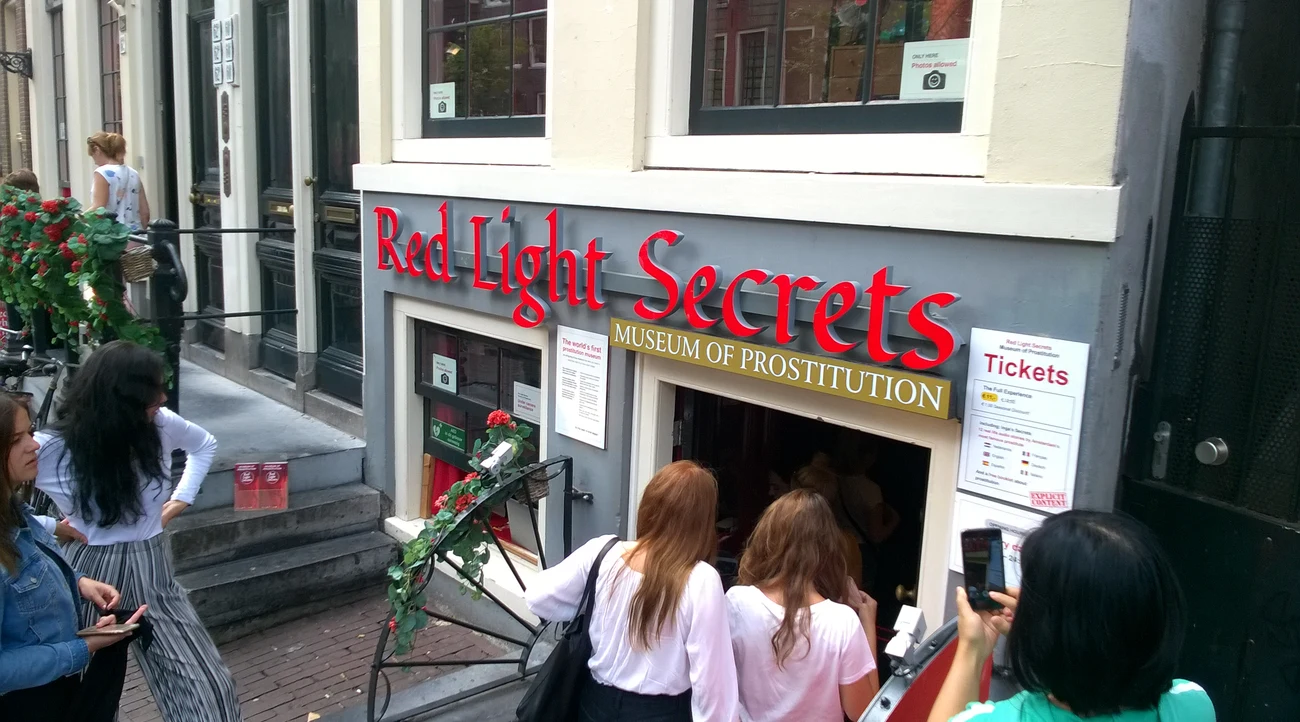
Red Light Secrets — a museum about sex work
An interpretive museum in a former workplace, using displays and audio accounts. It is a museum visit, not access to an operating sex-work venue. The minimum admission age is 16.
| Cultural stop | Address | Practical detail |
|---|---|---|
| Oude Kerk | Oudekerksplein 23 | Mon–Sat 10:00–18:00; Sun 13:00–17:30. Exhibition changes can affect access. |
| Our Lord in the Attic | Oudezijds Voorburgwal 38–40 | A historic interior with stairs; confirm the selected day’s opening time and access arrangements. |
| Red Light Secrets | Oudezijds Achterburgwal 60 | Operator lists daily 11:00–01:00, last entry 00:00; the selected ticket may impose an earlier time. |
Check the actual ticket before choosing a late visit. Red Light Secrets’ own published hours and the timetable displayed by a ticket reseller differ. Use the admission slot and last-entry condition on the offer you select; do not arrive near midnight on the strength of a general opening-hours table.
Red Light District visits: museum, guided walk or cruise combination
Choose between museum admission, a guided historical walk and a museum-and-canal-cruise combination. These are three different visits: compare the language, duration, age restrictions, meeting point and inclusions for your date.

Red Light Secrets Museum: Entry Ticket

Amsterdam: Guided Red Light District Tour

Amsterdam: Red Light Secrets Museum + Canal Cruise
Quick advice
Choose the museum for indoor interpretation, the guided walk for historical context, or the combination only if you also want the separate one-hour canal cruise. A guided-tour title does not override Amsterdam’s restrictions around working windows.
Guided tours: what a legal city walk can include
A historical walk can help explain the district, but its advertised name does not override the city’s rules. Check the itinerary before booking.
Respect the restricted streets
Guided tours must not pass sex workers’ windows, even with four participants or fewer.
Check the group size
City-centre tours may have up to 15 participants; an exemption is required for groups of more than four.
Plan within permitted hours
Guided city-centre tours operate between 08:00 and 22:00. A venue’s closing time does not extend that window.
Compare what is actually included
A museum audioguide, an outdoor historical walk and a canal cruise are different products. Read the language, route and admission conditions.
Safety, crowds and returning to your accommodation
A busy street is not a guarantee of safety, and a well-known district is not a reason to abandon ordinary city precautions. Choose a visit that you can enjoy comfortably; leaving early is a sensible option if the atmosphere changes.
Keep essentials secure
Use a closed bag, keep your phone controlled and avoid leaving possessions on a café table while studying a map.
Agree a clear meeting point
Choose a public landmark away from a narrow passage. If separated, move out of the crowd rather than stopping in a doorway.
Plan the journey back
Check transport for your actual departure time. Daytime frequency is not evidence that the same route operates late at night.
Get help promptly
For an immediate emergency call 112. For non-urgent police assistance in the Netherlands, call 0900-8844.
If someone makes you uncomfortable, move toward a staffed public place and ask for help. Do not escalate an argument over a photograph. For solo visitors, keeping the visit short, staying aware of the surroundings and deciding on the return journey in advance makes the outing easier to manage.
Access, mobility and visiting with children
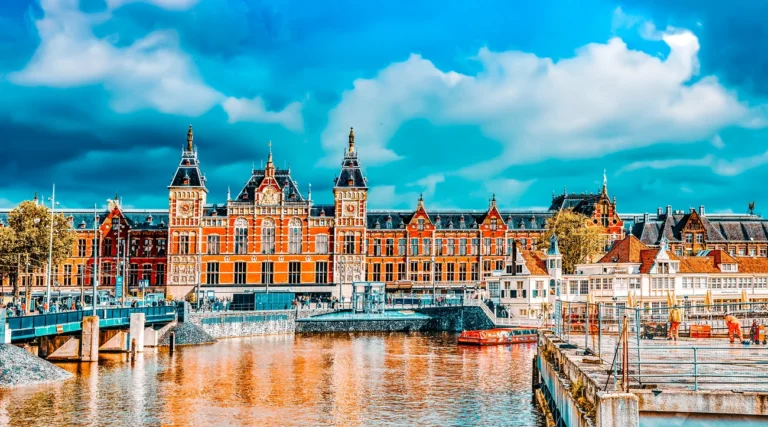
Centraal and Nieuwmarkt are useful orientation points for the old centre. Use the address of your chosen cultural stop for the final approach, rather than a generic district pin that may lead into a congested lane.
Allow for bridges and crowds
Narrow pavements, uneven surfaces and bridge approaches can make a short distance tiring. Choose a comfortable pace and avoid treating the narrowest lanes as essential sightseeing.
Check the museum’s physical access
Red Light Secrets is not wheelchair accessible. Our Lord in the Attic’s historic monument has stairs and does not admit wheelchairs, walking frames or pushchairs into that part.
Check metro lifts before travelling
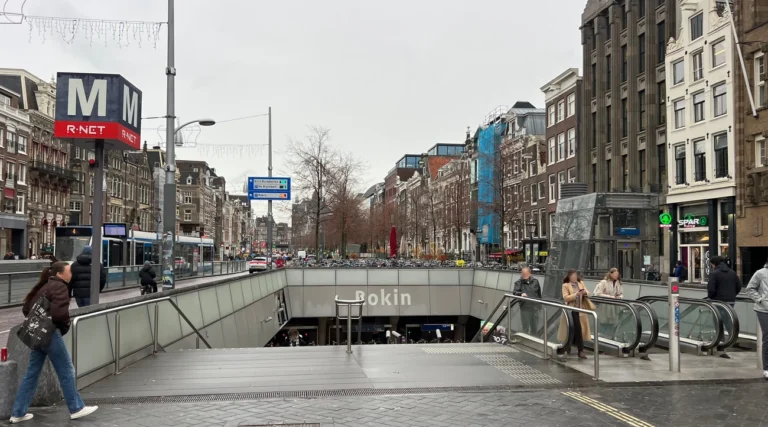
Use GVB’s current lift and escalator information. An accessible station designation does not guarantee that every lift is operating on your travel day.
Choose a suitable family visit
For children, plan a daytime cultural stop and expect adult-themed displays in public streets. Red Light Secrets admits visitors aged 16 and over.
Quick advice
Confirm building access and the journey there before buying admission. Museum access, street conditions and transport lifts are separate checks; an accessible stop cannot compensate for stairs inside a historic building.
Good to know
- Public streets are free: museum admission is separate.
- Daylight helps with orientation and architectural visits.
- Read the selected ticket: last entry can be earlier than general closing time.
Avoid these mistakes
- Do not photograph workers or their windows.
- Do not assume a small guided group can enter restricted streets.
- Do not use a museum’s access policy as a guide to another venue.
How the Red Light District became part of Amsterdam’s story
De Wallen’s history begins with the medieval port city, rather than with modern nightlife. Waterways, trade, religious institutions and the needs of a mobile population shaped a compact neighbourhood. Sex work became one layer of this urban life; it has never been the district’s only story.
Read allShow less
The Oude Kerk makes that older setting tangible. A wooden chapel existed around 1250; the church was consecrated to Saint Nicholas, patron saint of sailors, in 1306. Its later expansion and the city’s religious upheavals show how much the neighbourhood changed long before its modern international image formed.
Amsterdam’s port brought seafarers, merchants and changing populations into close proximity. Historical research connects sex work with that maritime economy, while also showing that it extended beyond one small district. Avoid the picturesque claim that a single custom or one group of sailors explains the whole institution.
Regulation changed repeatedly. A national brothel ban introduced in 1911 did not remove sex work; it changed the conditions in which it took place. In 2000 the Netherlands lifted the general brothel ban, allowing licensed businesses within a regulatory framework. Legal status did not eliminate questions about coercion, exploitation, labour conditions or who controls a workplace.
The modern debate also concerns who the city is for. Residents need usable streets and sleep; workers need privacy, safety and a voice in decisions affecting them; visitors arrive with expectations shaped by international publicity. Those interests overlap, but they are not interchangeable.
Current measures to reduce nuisance sit within that longer argument about tourism and everyday life. Do not mistake a proposal, headline or old guide for proof that an entire neighbourhood has moved or closed. The most useful historical lesson for a visitor is simple: treat De Wallen as a changing piece of Amsterdam, with people and institutions whose lives continue after your visit ends.
Museum tickets and old-town walking experiences
Use the dedicated museum guide to compare admission options, or explore a broader old-town history walk. Check the actual itinerary: a city walk is not a promise of a route past working windows.
Frequently asked questions about the Red Light District
Is the Red Light District free to visit?
The public neighbourhood does not have an admission ticket. Museums and other indoor attractions set their own charges and conditions.
Is daytime a worthwhile time to visit?
Yes. Daylight suits architecture, orientation and museum visits. Choose a time around the cultural stop you want rather than feeling obliged to stay late.
Can I take photographs in the Red Light District?
Never photograph or film sex workers or their windows. For architectural pictures, keep people and workplaces out of the frame. Museums have their own indoor policies.
Are guided tours allowed past the windows?
No. Amsterdam’s rules prohibit guided tours from passing sex workers’ windows, including groups of four people or fewer. Read the actual itinerary before booking a wider old-town walk.
Can I drink alcohol or smoke cannabis on the street?
Respect the old-centre restrictions on public alcohol and cannabis use and follow the signs. Buying something nearby does not create an exemption.
Can children visit the neighbourhood?
Public streets and individual venues have different conditions. Adult-themed displays may be visible; families should choose a suitable daytime cultural visit. Red Light Secrets admits visitors aged 16 and over.
Is Red Light Secrets wheelchair accessible?
The museum states that it is not wheelchair accessible. Check access with each institution separately; historic buildings have very different layouts.
Does the district have one set of opening hours?
No. It is a neighbourhood, with different museums, businesses and public-space rules. Use the selected venue’s current timetable and ticket conditions.