




























In short
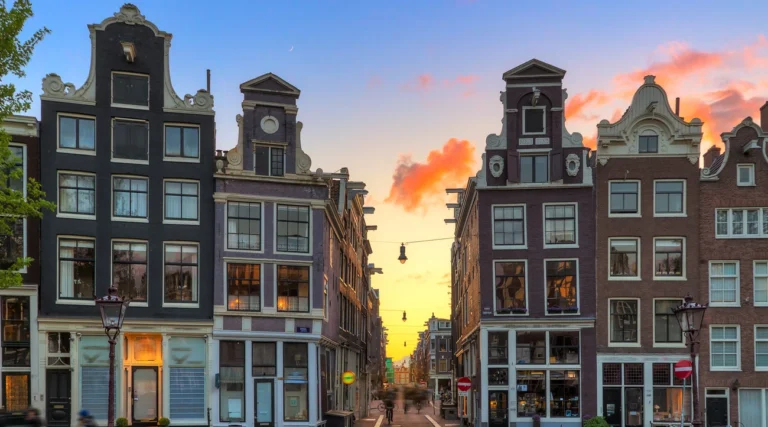
De Wallen, Amsterdam’s Red Light District, is also one of the oldest parts of the city. Around Oude Kerk, the two Oudezijds canals and the lanes towards Zeedijk, medieval street patterns sit beside museums, homes, cafés and working premises. Come in daylight to understand the buildings; return in the early evening if you want to see how the atmosphere changes.
- Where: the old centre east of Damrak, around Oudezijds Voorburgwal and Oudezijds Achterburgwal.
- Time: allow 90 minutes for an unhurried outdoor walk, longer for a museum.
- Cost: the public streets are free; museums and church exhibitions have separate admission.
- Respect: never photograph or film sex workers or their windows; follow local signs and hosts.
☰ Table of contents
Where De Wallen sits in Amsterdam’s old centre
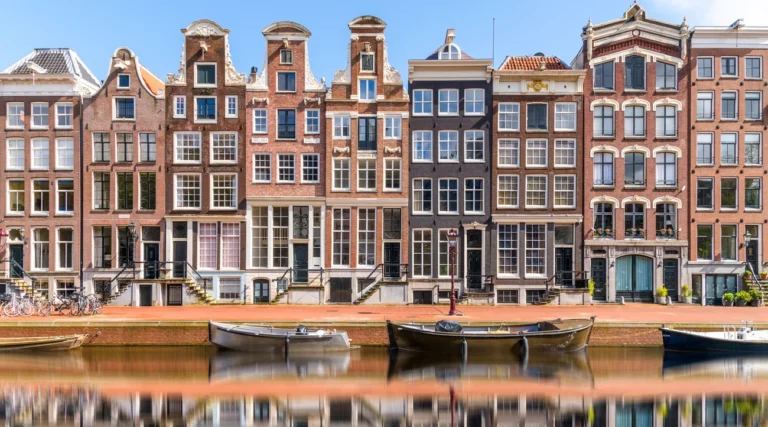
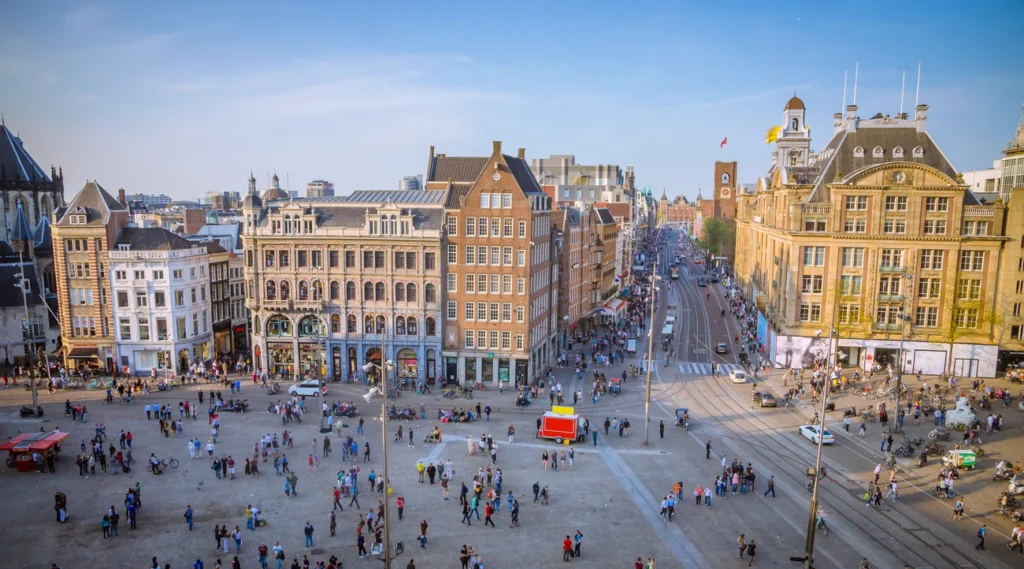
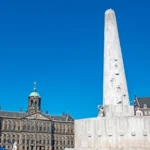
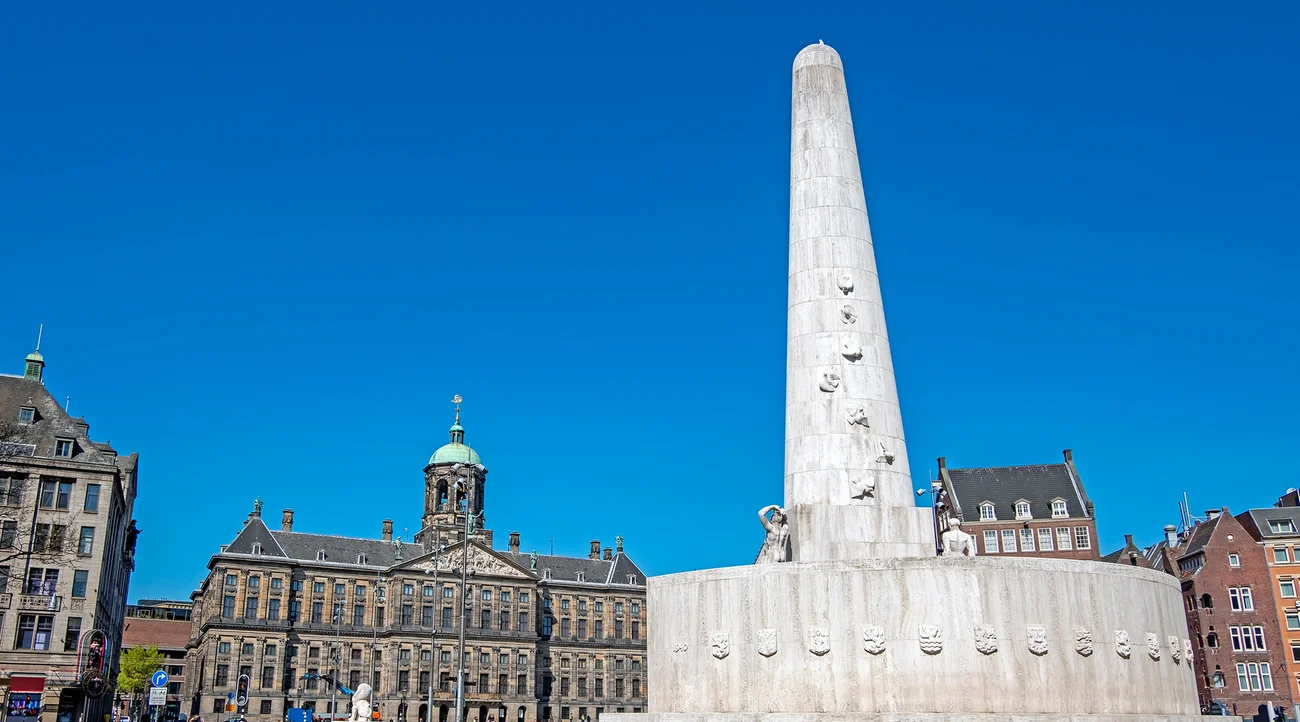
Use Oude Kerk as your central landmark. Oudezijds Voorburgwal runs beside the church and the historic canal houses; Oudezijds Achterburgwal lies parallel to it, farther east. Dam Square is a useful western approach, while Zeedijk and Nieuwmarkt help you orient yourself on the northern and eastern edges. This is a lived-in part of Centrum, without an entrance gate or a single street that represents the whole neighbourhood.
The Red Light District is a familiar visitor name, but De Wallen is more useful when reading the city. A museum afternoon on Voorburgwal, a meal near Zeedijk and a crowded evening on Achterburgwal are quite different experiences within a small area. Pick the streets and stops that interest you rather than following the busiest flow of people.
Good to know
- Daylight reveals the architecture: canal houses, church walls and the old street plan are easier to appreciate.
- No district admission: you can explore the public streets independently without buying a ticket.
- A central connection: combine the walk with Dam Square, Nieuwmarkt or a pre-booked museum.
Keep in mind
- Working and residential space: avoid windows, doorways and narrow bridges when stopping.
- Public cannabis restrictions: De Wallen is within the old-centre ban area; follow the posted rules.
- Tour restrictions: guided tours past sex workers’ windows are prohibited; an advertised “Red Light” tour is not unrestricted access.
6 heritage and cultural stops in and around De Wallen
These six stops help explain the district through its buildings and streets. They are an editorial shortlist for an independent visit, not a tour of working windows. Choose one interior visit if you have half a day; trying to fit several museums into a short walk makes the neighbourhood itself disappear between appointments.
Oude Kerk Start here
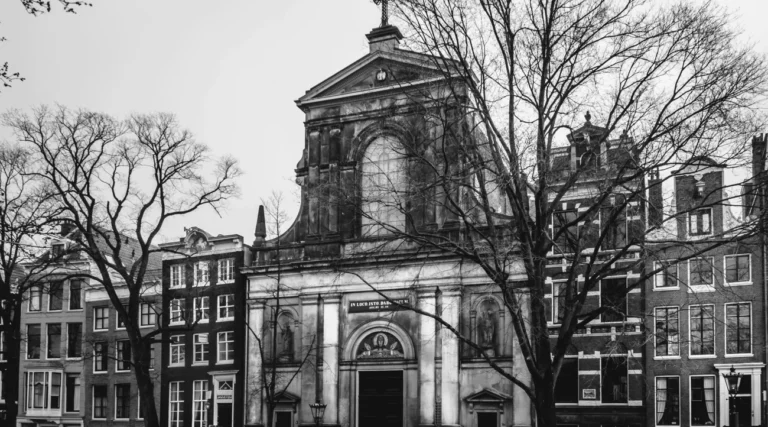
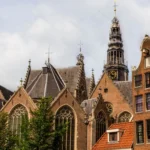
Begin with the church on Oudekerksplein. Amsterdam’s oldest building is also a venue for contemporary art, so an interior visit combines architecture with the current exhibition rather than an unchanging historical display. Walking around the exterior is a separate, free part of the neighbourhood walk.
Our Lord in the Attic
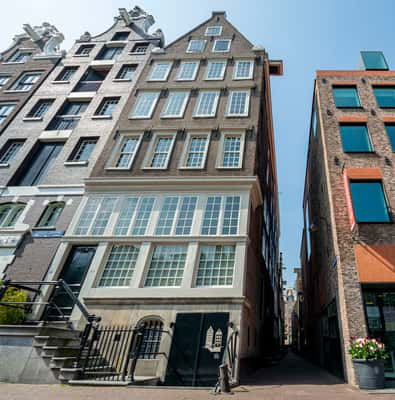
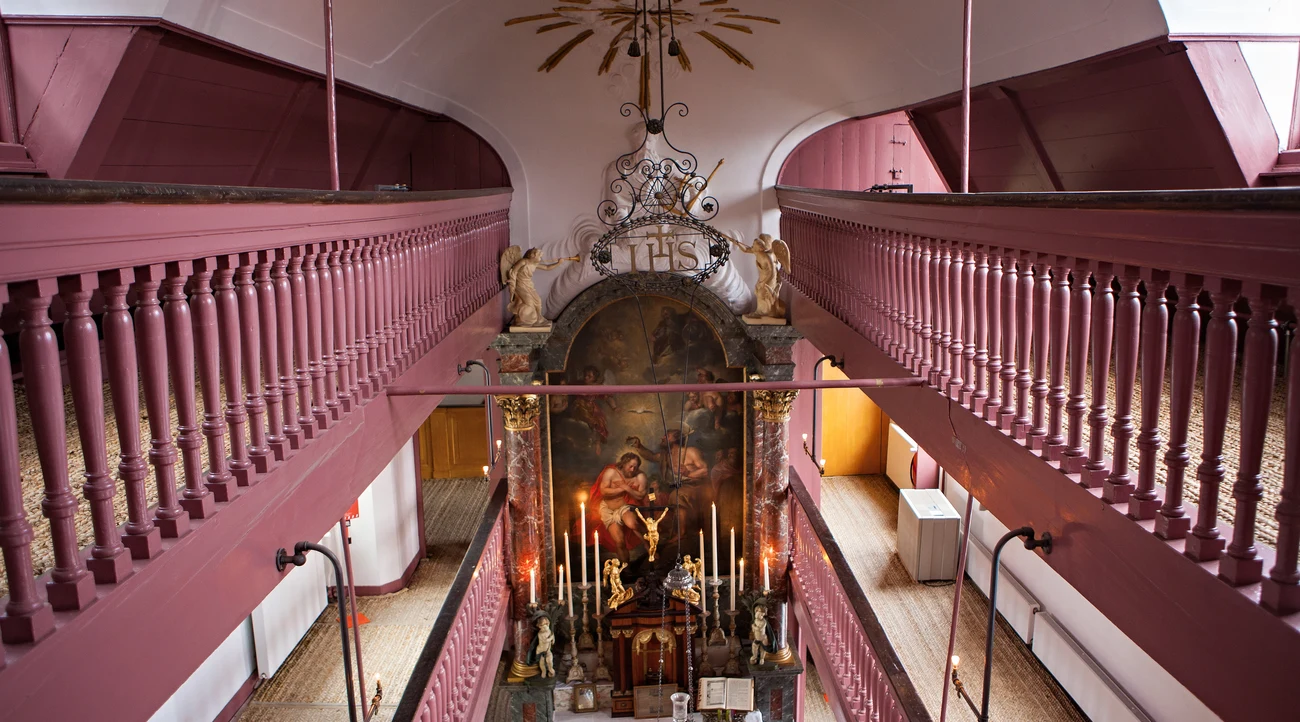
A canal house on Oudezijds Voorburgwal contains a Catholic church concealed in its upper floors. This is a good choice if you want to understand domestic life and religious practice together. Allow proper time for the museum and check access arrangements if stairs are a concern.
Oudezijds Voorburgwal
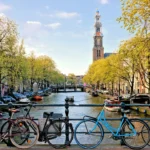
Follow the water between the church area and the southern old centre. Look across the canal to compare façades, bridges and the small streets behind them. Keep stops to wider places so residents, deliveries and other pedestrians can pass.
Zeedijk and the northern approach
Use Zeedijk to connect the station side with the old centre and Nieuwmarkt. Its restaurants and street life offer another view of this part of Amsterdam. It is a connecting street with its own history, not a synonym for the window streets.
Nieuwmarkt and De Waag
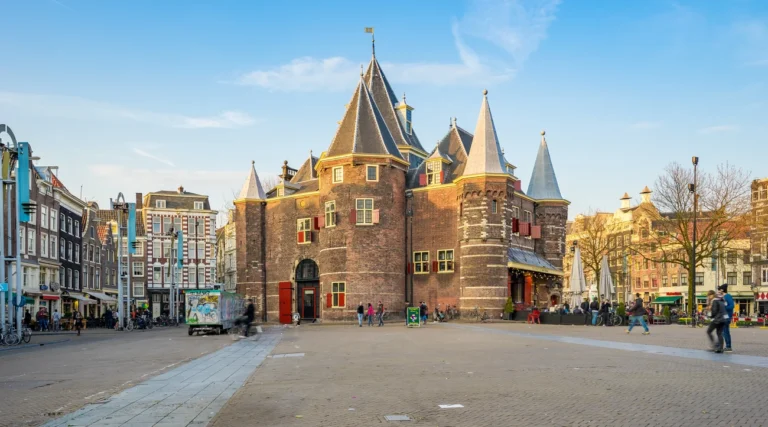
Finish at the broad square around De Waag on the eastern edge of the walk. The open space makes a useful meeting point after the tighter streets. Our separate Nieuwmarkt neighbourhood guide develops this area beyond a quick photo stop.
Oudemanhuispoort
For a southern extension, explore the covered passage and university surroundings. The book-market setting is best treated as a daytime detour; individual stalls and their opening are not guaranteed merely because the passage appears on a route.
A daytime walk, with an early-evening alternative
For a daytime walk of about 90 minutes, begin near the northern end of Zeedijk and approach the northern Oudezijds Voorburgwal. Follow the canal to the outside of Our Lord in the Attic, then continue to Oudekerksplein and take time to look at Oude Kerk from more than one side. Museum visits and a café stop are extra time, rather than something to squeeze into this estimate.
Continue south along Voorburgwal towards the Grimburgwal end of the old centre. If you want to see Oudemanhuispoort, make a short southern detour for the covered passage and university setting. Then head east towards Kloveniersburgwal and finish at Nieuwmarkt, where the wider square offers a change of pace. You can return towards Centraal along Geldersekade. This route favours heritage streets and open space rather than deliberately passing every narrow lane.
In the early evening, shorten the route to the church and canals instead of repeating the whole loop. Bridges and lanes can become congested, especially on weekend evenings. If a street feels uncomfortable or blocked, turn towards a broader canal or leave via Nieuwmarkt. The district has no single showtime: you do not need to stay late to have seen De Wallen.
Museum visits and Old Town experiences
Our Lord in the Attic is a particularly useful indoor addition: the preserved house and hidden church give the canals a social and religious history. The options below are separate museum bookings, not tickets to enter De Wallen. Choose the museum itself or a genuine combination only when you also want the other inclusion.
For a guided introduction to Amsterdam, compare the Old Town walks in our Experiences guide and check the actual route. Municipal restrictions prohibit guided tours past sex workers’ windows. Do not assume a product title overrides those restrictions or includes admission to any museum.

Museum Our Lord in the Attic: Entry Ticket + Audio Guide

Our Lord in the Attic Museum Entrance Ticket in Amsterdam
Our Lord in the Attic: Entry + Audio Guide
Avoid these mistakes
- Do not photograph working windows: this includes video, livestreams and background shots containing workers.
- Do not treat every museum as family entertainment: check the subject and age guidance before booking.
- Do not confuse a coffeeshop with a café: cannabis history and the current rules are a separate topic.
Quick advice
- Choose your emphasis: daylight for heritage and museums; early evening for a different street atmosphere.
- Keep a clear exit: Nieuwmarkt and the broader canals are useful alternatives to a packed lane.
- Leave room for one interior: Oude Kerk and Our Lord in the Attic tell different stories.
Getting to De Wallen
From Amsterdam Centraal, approach on foot through the old centre; Oude Kerk is roughly a 10–15-minute walk, depending on your exit, route and crowds. From Dam Square, it is a short walk east towards the Oudezijds canals. For the eastern side, Nieuwmarkt is a useful arrival point. Timings here are planning estimates, not step-free journey guarantees.
Follow the old-centre streets towards Oude Kerk, using the church rather than a generic Red Light District pin. Allow roughly 10–15 minutes from Centraal and extra time with luggage, crowds or mobility needs. The walk itself introduces the district.
Nieuwmarkt station serves the eastern approach. Choose the exit and onward route for your actual destination; a station name alone does not establish a step-free journey. Check the current GVB planner for access and disruptions before travelling.
Park legally on the edge of the area and walk through the tightest streets. Crowds, bridges and frequent stops make a bicycle inconvenient for a close look at the district. Keep doorways and pedestrian space clear.
Oudekerksplein, Amsterdam
Getting around Amsterdam
From harbour neighbourhood to Red Light District
De Wallen belongs to the old harbour city. Long before Amsterdam’s seventeenth-century canal belt became its celebrated image, people lived, traded and worshipped around these older waterways. Wealthy residents, religious communities and businesses occupied the same compact quarter. Later movement towards the new canals changed its social balance; inns, cafés and sex work were among the activities associated with the nearby port.
The story of sex work here is not a continuous history of unrestricted freedom. Municipal attitudes shifted between prohibition and toleration over centuries. The city’s own historical account records complaints about brothels in the late fifteenth century. That long history explains the district’s reputation, but it does not make the people working here part of a public spectacle.
Read allShow less
Read allShow less
The twentieth century brought a different set of pressures. The city archive describes both the romantic image of the old harbour quarter and the violence behind that image. Later urban decline, restoration and investment reshaped streets such as Zeedijk. Today, the tension between neighbourhood life and mass tourism is central to understanding the area.
Current city policy aims to reduce nuisance and protect the position of sex workers, while proposals concerning an erotic centre outside the old centre remain part of an evolving policy debate. Do not read a future project as proof that De Wallen has already closed or moved. For the visitor, the practical point is straightforward: respect the district as it exists, including its homes, cultural institutions and workplaces.
Reading the churches, canals and coffeeshop connection
Oude Kerk and the hidden church show different kinds of tolerance. Oude Kerk was consecrated to Saint Nicholas, patron saint of sailors, in 1306. Its interior changed profoundly during the Reformation, and today contemporary art enters into conversation with the old building. Our Lord in the Attic offers a later, domestic setting in which Catholic worship took place behind a canal-house façade.
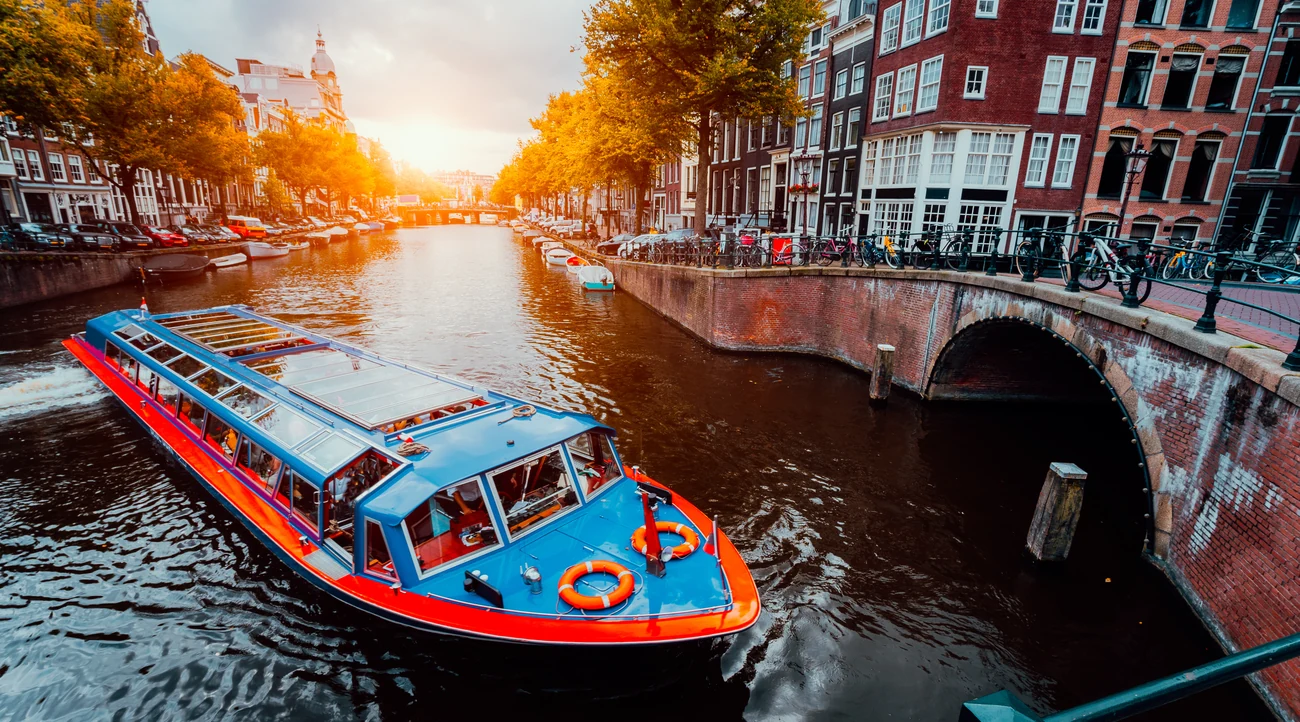
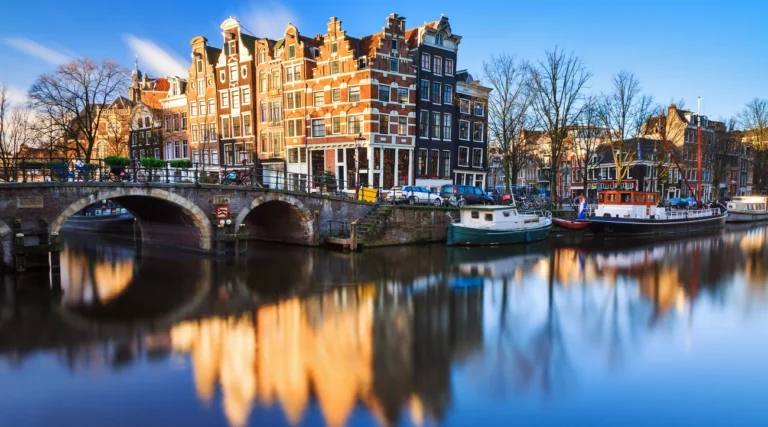
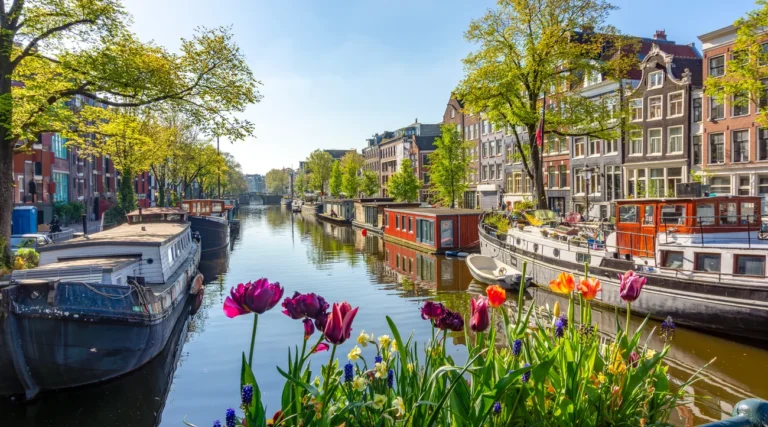
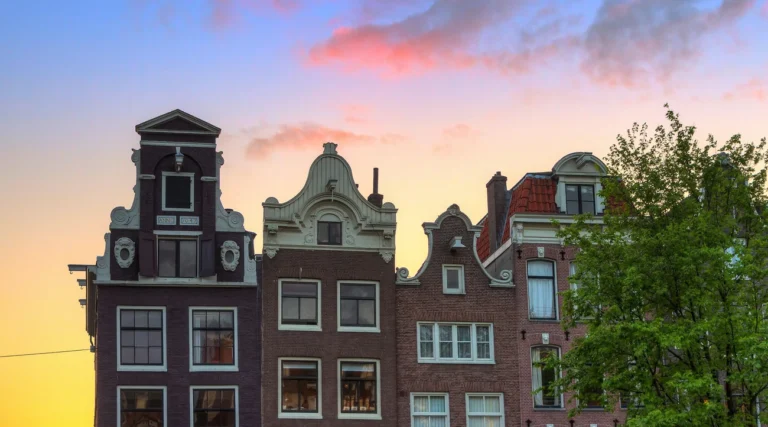
Read the canals as part of the old city. Look at how the lanes meet the water and how closely the buildings sit together. Compare that intimate scale with the broader seventeenth-century canals elsewhere in Amsterdam. A short walk can reveal more if you pause for these differences instead of collecting only the famous district name.
Cannabis culture has a separate timeline. The coffeeshop system developed in the twentieth century, centuries after this harbour neighbourhood. The modern association between the two does not mean that every historic café is a coffeeshop, or that cannabis is permitted throughout the streets.
A hidden-church visit and an Old Town walk
Staying in De Wallen: central location and evening noise
An address in De Wallen puts you within walking distance of much of the old centre, but the exact street and room position matter more than a “central” label. An evening entertainment street, a room above a bar and a quieter canal-facing property can produce very different stays. Ask about sound insulation, the direction the bedroom faces and late check-in access.
For a light sleeper or a family, compare nearby alternatives before choosing purely for proximity. Older buildings may have steep stairs and limited lift access; confirm the actual room route if that matters to your party. The map below compares accommodation across Amsterdam, rather than recommending every property in De Wallen.
Taking a café break near Oude Kerk
For an ordinary coffee stop, De Koffieschenkerij occupies the former sacristy beside Oude Kerk. Its courtyard setting makes sense as a pause during a heritage walk. It is a café, not a cannabis coffeeshop: the similar-looking words should not determine where you stop.
If a café is busy, keep the doorway and surrounding pavement clear while you decide what to do next. For a longer meal, Zeedijk and the Nieuwmarkt side offer a natural continuation of the route; choose the meal as part of your plan rather than building the whole walk around several queues.
Frequently asked questions about De Wallen
Is De Wallen the same as the Red Light District?
De Wallen is the historic neighbourhood most visitors mean by Amsterdam’s Red Light District. It also includes canals, homes, churches and cultural venues: the familiar visitor label describes only part of its identity.
Do I need a ticket to visit De Wallen?
No ticket is needed for an independent walk on the public streets. Church exhibitions, museums and other indoor venues have their own admission conditions. A museum ticket is not an entrance ticket to the district.
Is daytime or evening better?
Choose daytime for architecture, museums and an easier heritage walk. Early evening brings a different atmosphere. Weekend nights can be much busier; staying late is unnecessary for understanding the neighbourhood.
Can I photograph the Red Light District?
Do not photograph or film sex workers or their windows, including in the background of selfies and videos. For architectural photos, choose a view that respects people’s privacy and obey all local signs.
Can a guided tour go past the working windows?
Municipal rules prohibit guided tours past sex workers’ windows. Check the actual route and restrictions when comparing an Old Town walk; a commercial product name does not grant an exception.
Is De Wallen suitable for a family walk?
A daytime route focused on Oude Kerk, the canals and nearby museums can be adapted to a family. Adult-oriented businesses remain present. Choose the streets and indoor visits deliberately and check venue age guidance.