

























In short
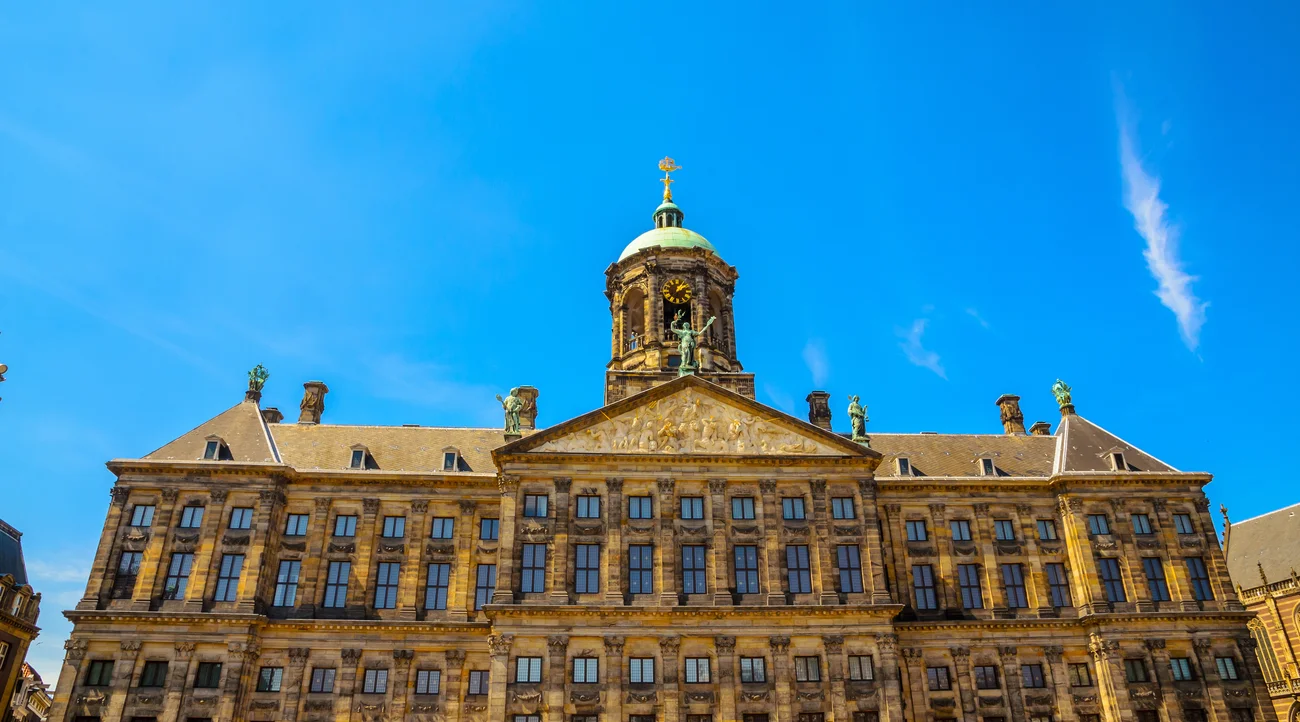
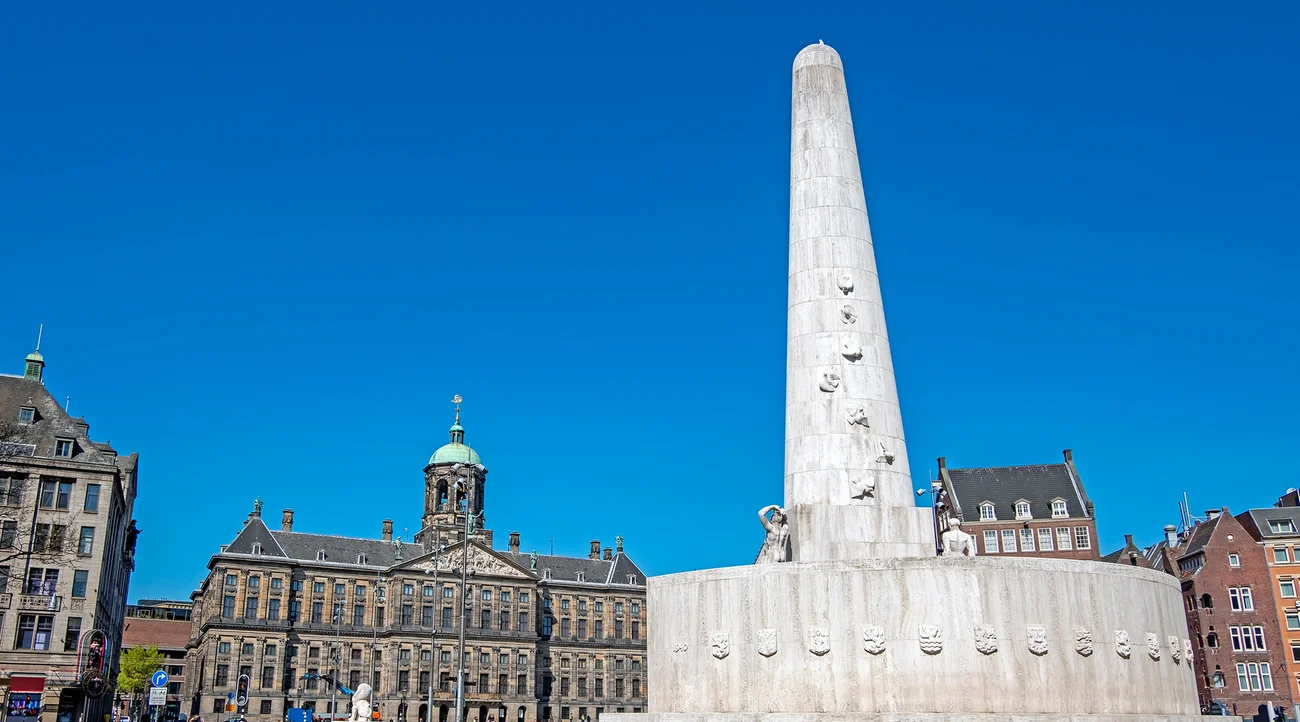
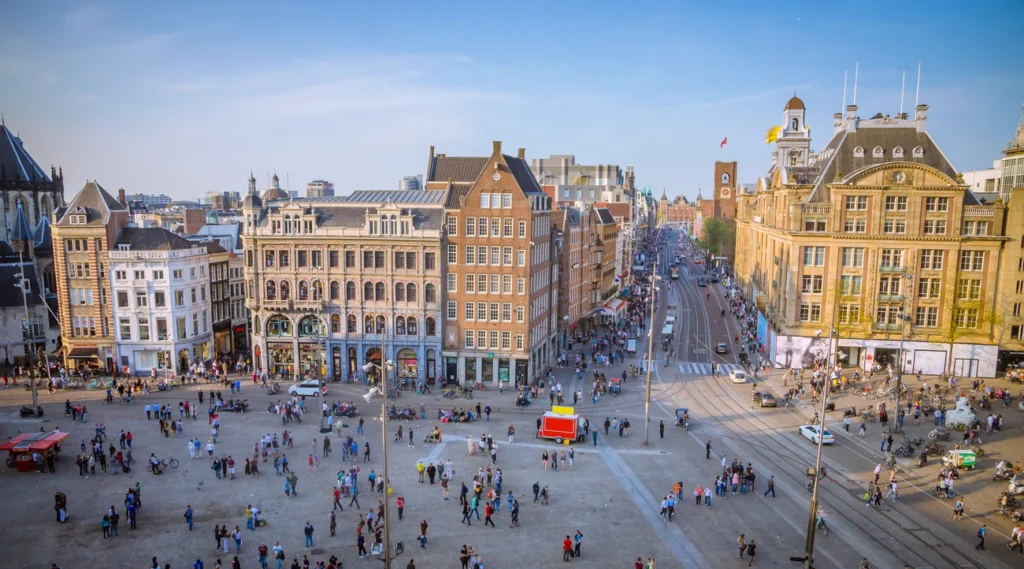
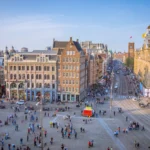
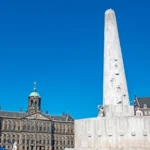
The National Monument on Dam Square is a place of remembrance at the centre of Amsterdam. Its white column marks the eastern side of the square, opposite the Royal Palace.
Unveiled on 4 May 1956, the memorial connects the aftermath of the Second World War with the Netherlands’ continuing remembrance of victims of war. Pause here before treating Dam simply as a busy meeting point.
- A national memorial in an open public square
- Architecture and sculpture designed as one setting
- The focal point of the annual 4 May commemoration
- A free stop on a walk through the historic centre
☰ Table of content
National Monument access and visiting information
The monument is outdoors on Dam Square. There is no admission ticket for viewing it from the square and no museum-style opening schedule. Ceremonies, security arrangements or maintenance can temporarily limit access; follow barriers and instructions on the day.
Hours
-
Ordinary visits Outdoor access
No enclosed building or timed visitor route
-
4 May remembrance 20:00 silence
Ceremony access and security follow the event arrangements
-
Temporary restrictions Check on the day
Respect maintenance barriers and official instructions
Prices
-
Viewing the memorial Free
No admission ticket for an ordinary visit
-
Self-guided stop No booking
Explore from the public square at your own pace
-
Optional guided walks Separate bookings
Guided city walks have their own prices; the memorial remains free
Reading the monument’s design
Begin with the whole composition, then look more closely at the figures and the wall behind the column. This is a memorial to read slowly rather than an attraction with an indoor visitor route.
The white column Main landmark
The 22-metre column is clad in Italian travertine. Its vertical form makes the memorial recognisable across the square.
Figures of suffering and hope Symbolic detail
Bound male figures appear below a woman holding a child. The sculpture invites a reading of suffering alongside the hope of peace.
The curved memorial wall
The wall behind the column holds urns containing soil associated with remembrance. Look at the composition from behind as well as from the front.
Architecture as public space
Oud explained that his design was intended to shape Dam Square itself. The steps, wall and column work together, rather than serving only as supports for sculpture.
The annual ceremony
On 4 May, remembrance takes precedence over everyday sightseeing. Two minutes of silence at 20:00 are central to the national observance.
Your Dam Square visit at a glance
A short stop can be meaningful if you leave time to look beyond the column. The suggestions below are practical planning estimates, rather than official visit durations.
Best time
Choose a quieter moment for a reflective stop
Crowds
A busy public square; ceremonies can restrict access
With children
Introduce the idea of remembrance in an age-appropriate way
Look for
Column, sculpture and the wall behind it
Suggested visit
Allow 15–30 minutes as a planning estimate
What to expect
An outdoor memorial, not an indoor exhibition
How to visit the National Monument
Allow roughly 15–30 minutes to walk around the memorial, notice its setting and reflect on its purpose. An ordinary visit from the public square is free and needs no booking.
The optional walks below add historical context: the cultural-highlights tour starts at the National Monument, Hello Amsterdam covers it among the city’s landmarks, and the private Anne Frank and Jewish Quarter walk lists the memorial on its route. They are separate guided city tours, not monument-admission tickets. Anne Frank House admission is not included in the private walking tour. Check the selected language, meeting point and current itinerary before booking.

Amsterdam: Cultural Highlights + UNESCO Canals in EN/DE/ES/FR/IT

Hello Amsterdam: Small-Group Introduction Walking Tour

Anne Frank and Jewish Quarter Amsterdam Private Walking Tour
Good to know
- The memorial is free to view; no ticket is needed.
- It stands outdoors, with no enclosed exhibition to enter.
- On 4 May, the national remembrance includes two minutes of silence at 20:00.
- Special-event access arrangements can differ from an ordinary day.
Practical tips
- Approach quietly when people are laying flowers or paying their respects.
- Keep routes and inscriptions clear; avoid climbing on the sculpture.
- Allow extra time to cross the busy streets around Dam Square.
- If booking a nearby attraction, check its separate opening calendar.
Getting to Dam Square
Head for the eastern side of Dam Square, across the square from the Royal Palace. The monument is easy to include in a central walk from Amsterdam Centraal or the Rokin metro area.
Use a stop serving Dam Square, then walk to the eastern side of the square. Check current GVB services and diversions before travelling.
Rokin is a useful metro option for Dam Square. Allow time to walk from the station and cross the surrounding streets.
From Amsterdam Centraal, follow Damrak towards Dam Square. Allow around 10–15 minutes as a walking estimate, depending on crossings and crowds.
National Monument, Dam, 1012 JS Amsterdam
Official Transport in Barcelona
How Amsterdam’s national memorial took shape
The permanent memorial was unveiled by Queen Juliana on 4 May 1956, replacing an earlier temporary arrangement on Dam Square. Architect J.J.P. Oud worked with sculptor John Rädecker on a monument that would give national remembrance a lasting place in the capital.
Read allShow less
Read allShow less
The memorial wall preserves urns with soil connected to places of wartime suffering. Amsterdam’s City Archives records the addition of soil from war cemeteries in the Indonesian archipelago, alongside the earlier provincial urns.
The design also has an urban purpose. Oud described a composition that would bring the square together: broad circular steps and a freestanding curved wall create a setting for sculpture while remaining part of daily city life. Looking from several sides makes that relationship easier to appreciate.
National remembrance has developed since the monument was unveiled. The current commemoration includes civilians and military personnel who died during the Second World War, the colonial war in Indonesia, and subsequent wars and peace operations. The ceremony gives this central public space a continuing role beyond its post-war origins.
Details worth noticing on Dam Square
- The memorial belongs to the post-war city, although it stands among much older landmarks.
- Its design includes the ground and surrounding space, not just the column.
- Walk behind it to appreciate the relationship between wall and column.
- The 4 May commemoration gives the square a different atmosphere from its everyday bustle.
- Combine reflection here with a separate walk towards the Royal Palace and Nieuwe Kerk.
Discover Dam Square: palace admission and city walks
Stay near Dam Square
Staying around Dam Square makes this part of the historic centre easy to explore on foot. Compare street noise, room position and access before booking: the most central address is not always the quietest. The accommodation map covers the square and surrounding streets near the monument and Royal Palace.
Frequently Asked Questions - FAQ
Is the National Monument free to visit?
Yes. It is an outdoor memorial on Dam Square, with no admission ticket for an ordinary visit. Temporary event or maintenance restrictions may apply.
How long should I allow at the memorial?
Allow roughly 15–30 minutes as a planning estimate. Take longer if you want to study the setting or pause for reflection.
Can I visit with a wheelchair?
The monument can be viewed from the public square. The memorial includes changes in level; a wheelchair route was added in 2007. Follow the accessible route and any temporary event arrangements.
What happens on Dam Square on 4 May?
The national remembrance ceremony takes place here. Two minutes of silence at 20:00 commemorate victims of war. Access arrangements for the ceremony differ from a normal sightseeing visit.
When was the National Monument unveiled?
Queen Juliana unveiled the permanent memorial on 4 May 1956. It followed a temporary post-war memorial on the square.
Is the Royal Palace part of the monument visit?
No. The Royal Palace is a separate attraction across Dam Square. The optional paid palace offer shown on this page does not represent admission to the free National Monument.
How should I behave at the memorial?
Give people space to remember, avoid climbing on the sculpture and keep paths clear. During ceremonies, follow instructions and respect periods of silence.
Do I need to reserve a starting time?
No reservation is needed for an ordinary visit to the memorial from Dam Square. A nearby attraction or an organised event may have its own booking arrangements.