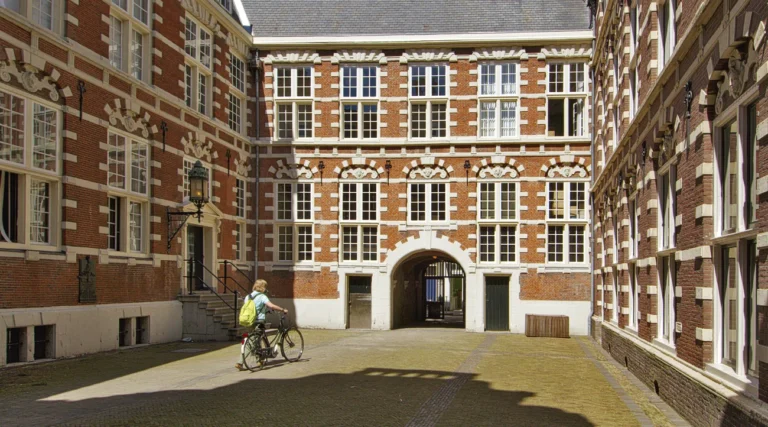
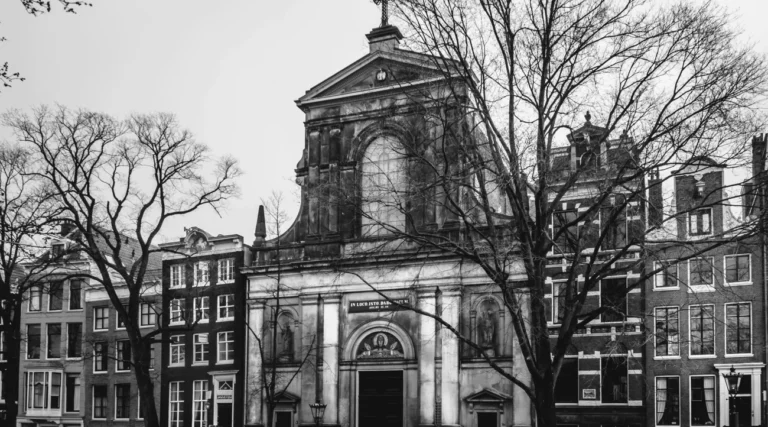
Our Lord in the Attic reveals a church where the canal facade gives little away. Inside a historic house on Oudezijds Voorburgwal, domestic rooms lead towards a concealed Catholic worship space. Visit it as a museum of a building and its inhabitants, allowing time for the changing scale between home and church.
A hidden church above connected canal-house interiors.
Domestic rooms and a religious space form one museum visit.
Admission and an audio guide are available through the selected offers.
Narrow stairs are an essential part of the historic route.
Our Lord in the Attic opening hours and admission
Checked 22 October 2026: ordinary museum opening is daily 10:00–18:00. On the first Sunday of each month from September through June, visitor opening is 11:00 because of worship. The museum lists closures on 25 December and 27 April; check for additional date-specific changes.
Adult museum admission is From €18, with children aged 5–17 From €7.50 and under-fives free under the current published tariff. Eligible passes have separate conditions. Advance booking is recommended; allow a proper museum visit rather than arriving just before closing.
What to see inside the canal house and hidden church
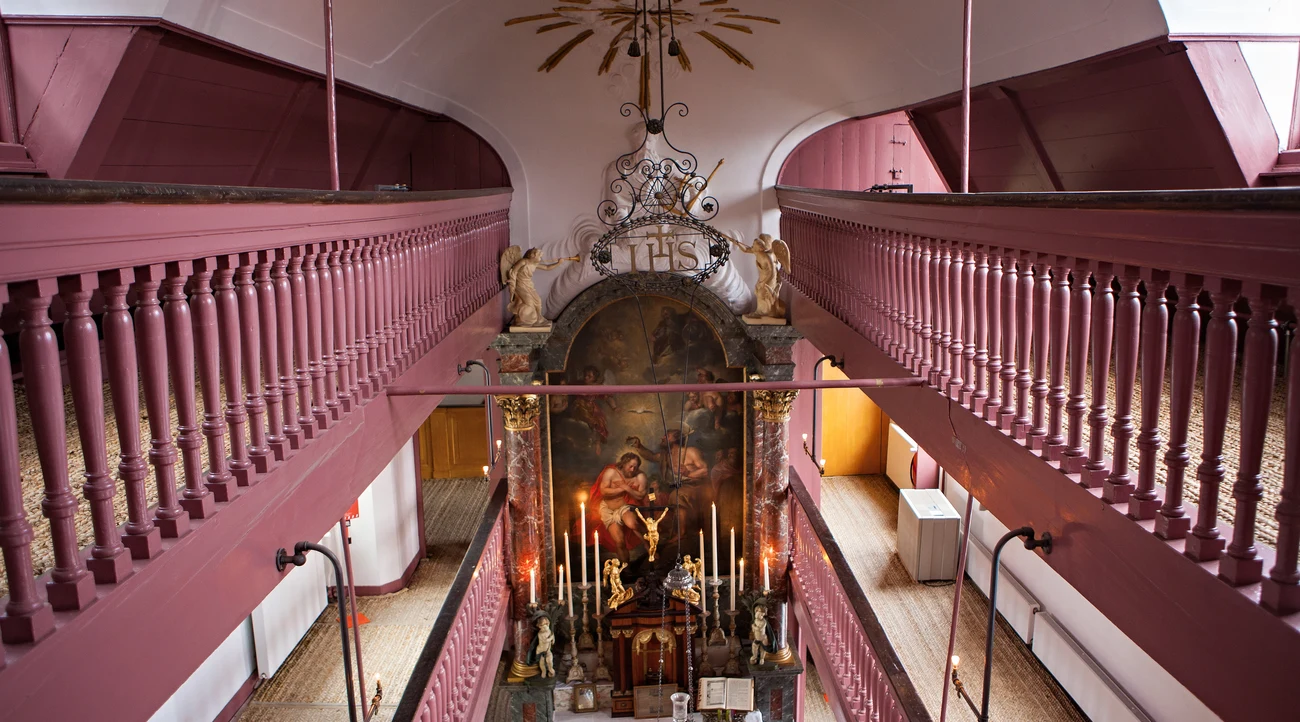
The pleasure of this visit comes from the route through an ordinary-looking house into an unexpectedly large religious room. Look first at how the rooms connect, then compare their furnishing and use. The church is the highlight, but the smaller domestic spaces make its location meaningful.
Quick summary of a museum visit
Allow around an hour to an hour and a half for a first visit, depending on your pace and use of the audio guide. Leave room in the day for stairs, other visitors and a slower look inside the church. This is a compact historic building rather than an open, step-free exhibition hall.
Museum admission and audio-guide options
Choose museum admission if you want to enter the canal house and attic church. The selected provider listings concern the same museum; compare availability and conditions before choosing one, rather than treating them as different attractions. An audio guide is distinct from a live guided tour.
For a broader choice of admission and combinations, use the dedicated museum Tickets guide linked below. A city walk past Oudezijds Voorburgwal does not itself include the museum interior.
Many narrow stairs: discuss access needs with the museum before booking.
The historic house and attic church are not fully step-free.
The accessible entrance building includes the cafe, shop and temporary exhibition space.
The museum currently marks its CoVisit alternative temporarily unavailable for maintenance.
Bring only a small bag; larger bags and backpacks must use the lockers.
Photograph without flash and follow any exhibition-specific restrictions.
Leave food and drinks outside the historic museum route.
Read the audio-guide language and ticket conditions before choosing an offer.
How to reach Our Lord in the Attic
The museum is at Oudezijds Voorburgwal 38–40, in the old centre south of Amsterdam Centraal. Follow the museum entrance signs rather than looking for a large church doorway. The surrounding canal pavements can be narrow, so leave space for residents and other pedestrians.
A private house, a concealed church and a changing city
After Amsterdam’s Protestant takeover in 1578, public Catholic worship was restricted. Private house churches offered another setting. Merchant Jan Hartman bought this canal house and neighbouring properties in 1661, creating a home and a church within the connected buildings.
The concealed worship room uses the attics of three houses. Its position behind a domestic facade expresses the difference between private belief and public religious expression in the city. The church was tolerated, rather than literally unknown to the authorities.
Downstairs, the grand salon presents Hartman’s household ambitions. Upstairs, galleries and the altar organise a different kind of gathering. The altar includes a folding pulpit that saves space, and a painting by Jacob de Wit. These contrasts are a useful way to read the building without rushing directly to the top.
As you return through the rooms, consider how circulation, furniture and decoration separate domestic routines from communal worship. A house museum makes that relationship tangible: its history is held in doorways and stairs as well as individual objects.
Details to notice beyond the hidden church
The familiar English name describes the church’s concealed position.
The worship room stretches across connected attics.
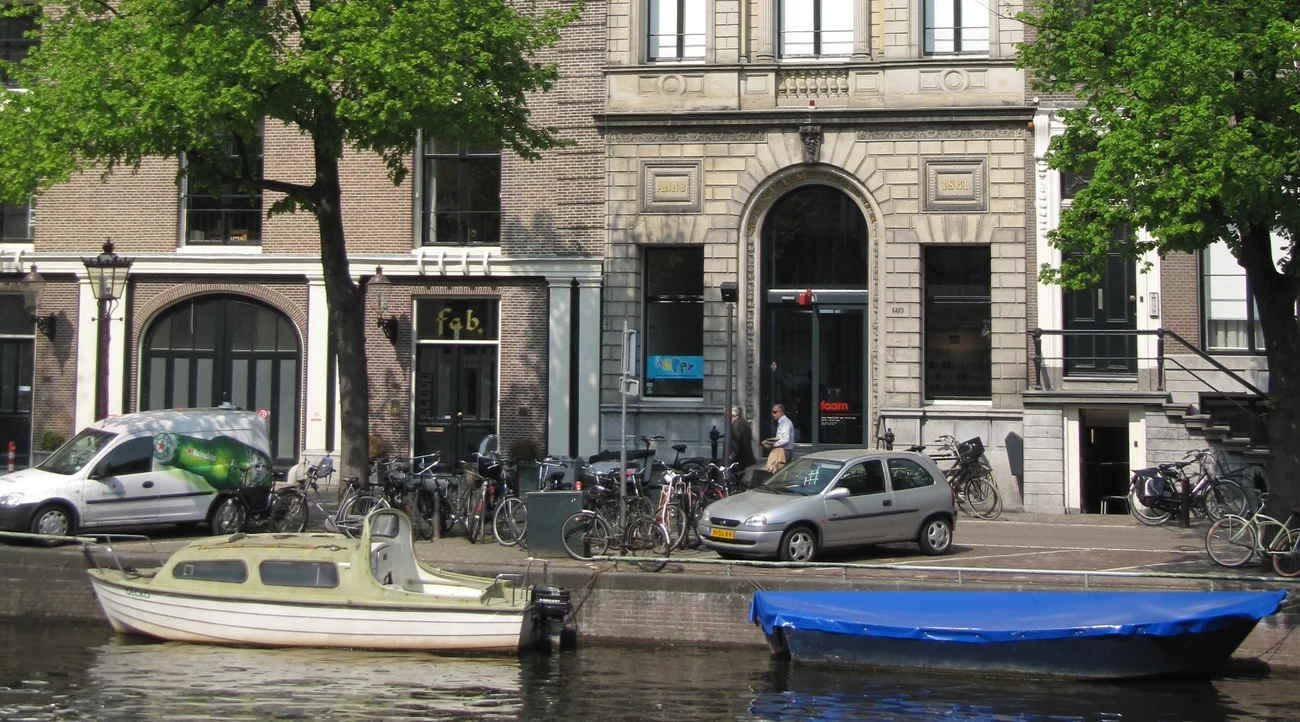
The domestic exterior gives little indication of the room above.
A folding pulpit is incorporated into an altar column pedestal.
This is a house museum and religious heritage site, not simply an empty church shell.
Our Lord in the Attic tickets and Amsterdam walking experiences
Find your stay near Our Lord in the Attic
Compare accommodation around the old centre and Centraal if you want to reach the museum on foot. Check noise, stairs and luggage access with the property: the lively streets nearby vary considerably. The map is centred on Our Lord in the Attic Museum.
Our Lord in the Attic visiting questions
More activities and experiences in Amsterdam