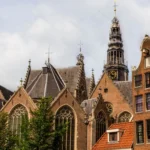
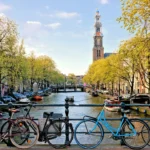
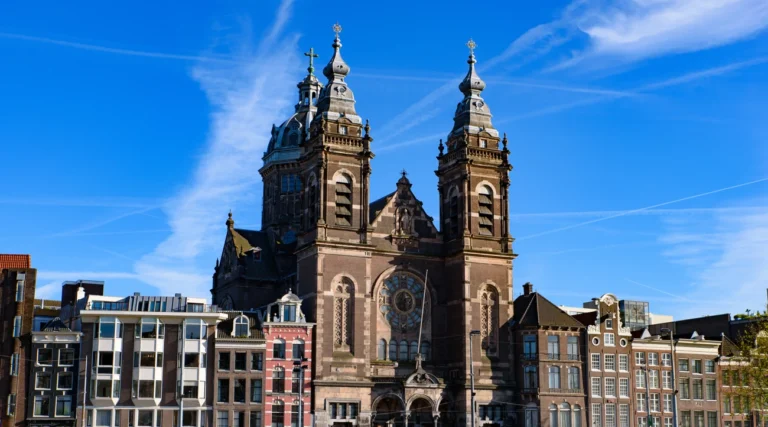
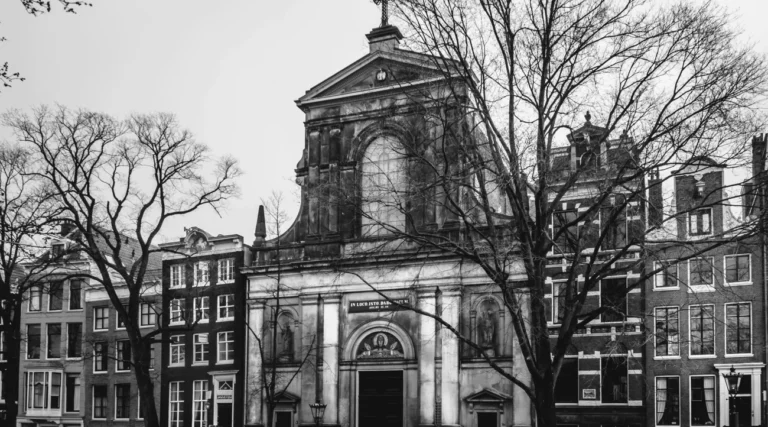
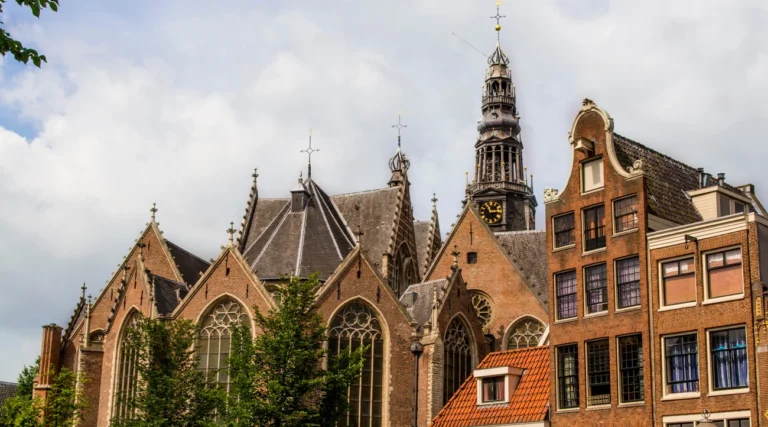
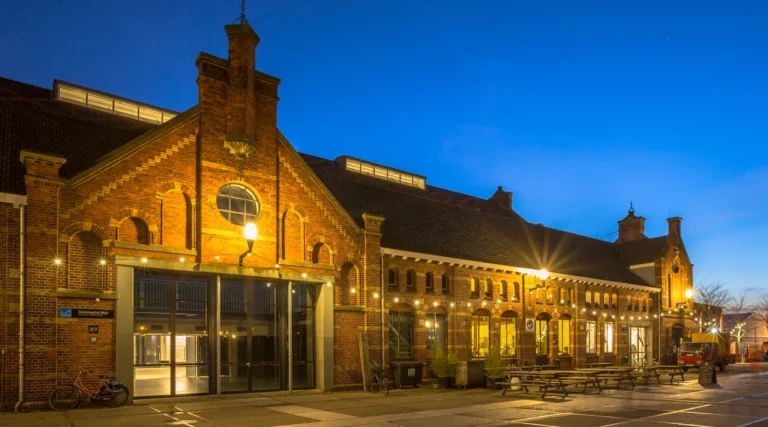
Zuiderkerk is a landmark to approach in stages: first the tower above the Groenburgwal, then the historic gateway and the church itself. It was Amsterdam’s first church designed for Protestant worship, but today its role is different. The building hosts events, so an exterior walk and an interior visit need separate planning.
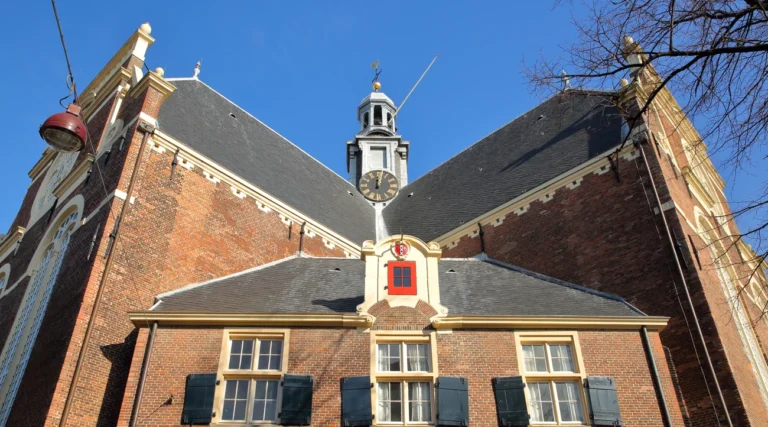
A Renaissance church designed by Hendrick de Keyser.
The church opened in 1611; its tower followed in 1614.
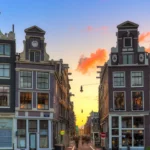
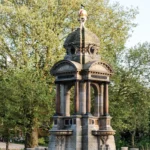
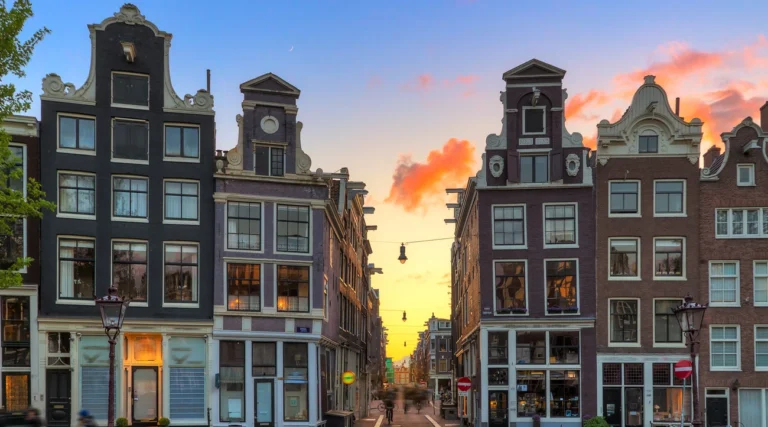
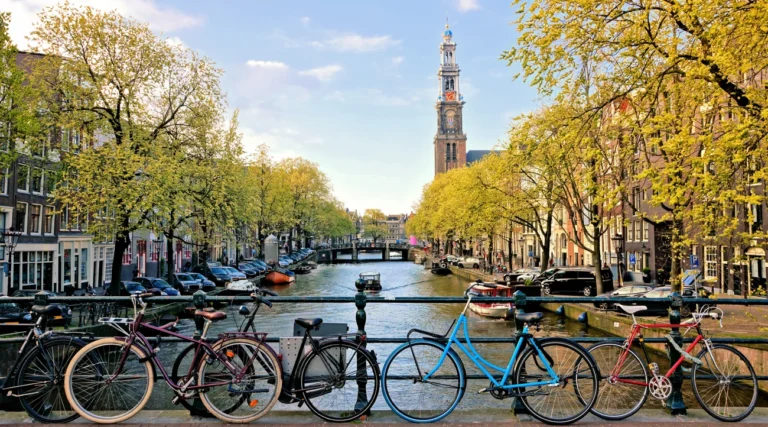
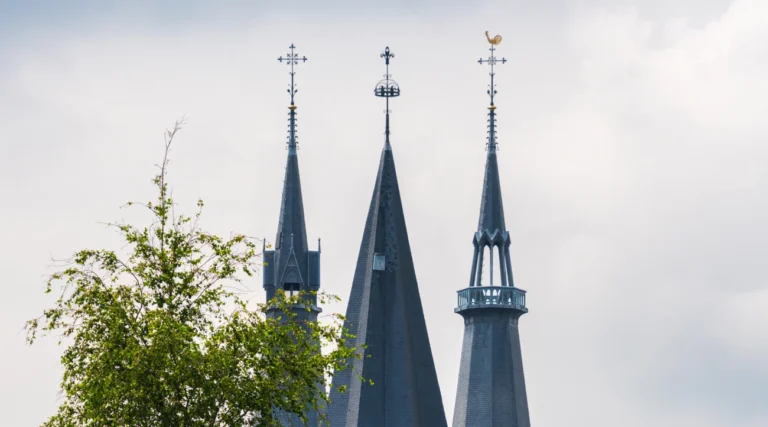
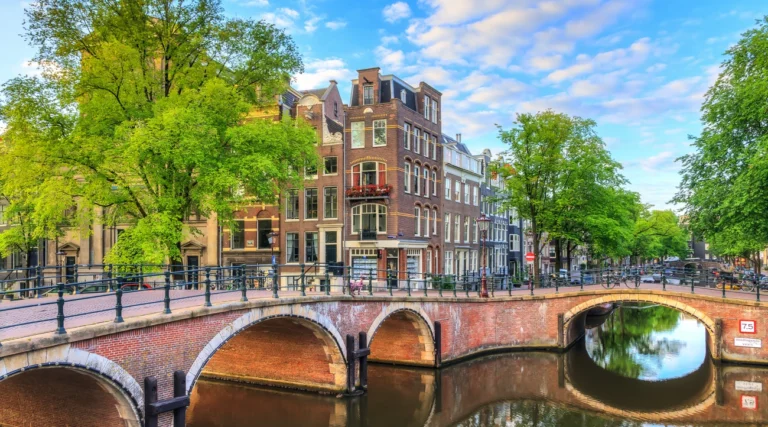
The Groenburgwal approach offers a distinctive view of the tower.
An event booking or a city walk does not automatically include a tower climb.
Zuiderkerk access, events and tower arrangements
The venue currently operates as an events location. I have not verified a standing daily sightseeing timetable or a standard interior-admission tariff. For an interior visit, check the particular public event and its access conditions; business opening hours should not be treated as tourist visiting hours. Checked 22 October 2026.
The exterior can be appreciated from public streets. Tower access is a separate matter: do not assume that an open building, a concert ticket or one of the selected city tours includes a climb. Confirm a current, date-specific arrangement before planning a climb.
What to notice at Zuiderkerk
Begin with an exterior circuit that links the canal view, gateway and church. Compare the tower’s distant silhouette with the details visible at street level. If attending a public event, notice how the historic space has been adapted, while respecting the organiser’s limits on movement and photography.
Quick summary of a Zuiderkerk stop
Choose the experience you actually want: an architectural stop during a walk, a photographic approach along Groenburgwal or a specific event inside. Keeping these options separate makes it easier to set a realistic timetable and avoids arriving with an admission expectation the venue has not promised.
Walking routes and canal views featuring Zuiderkerk
All three options are wider Amsterdam experiences. The highlights walk lists Zuiderkerk as a pass-by; the Anne Frank history walk lists South Church on its route. They concern the city and its history rather than a dedicated interior visit.
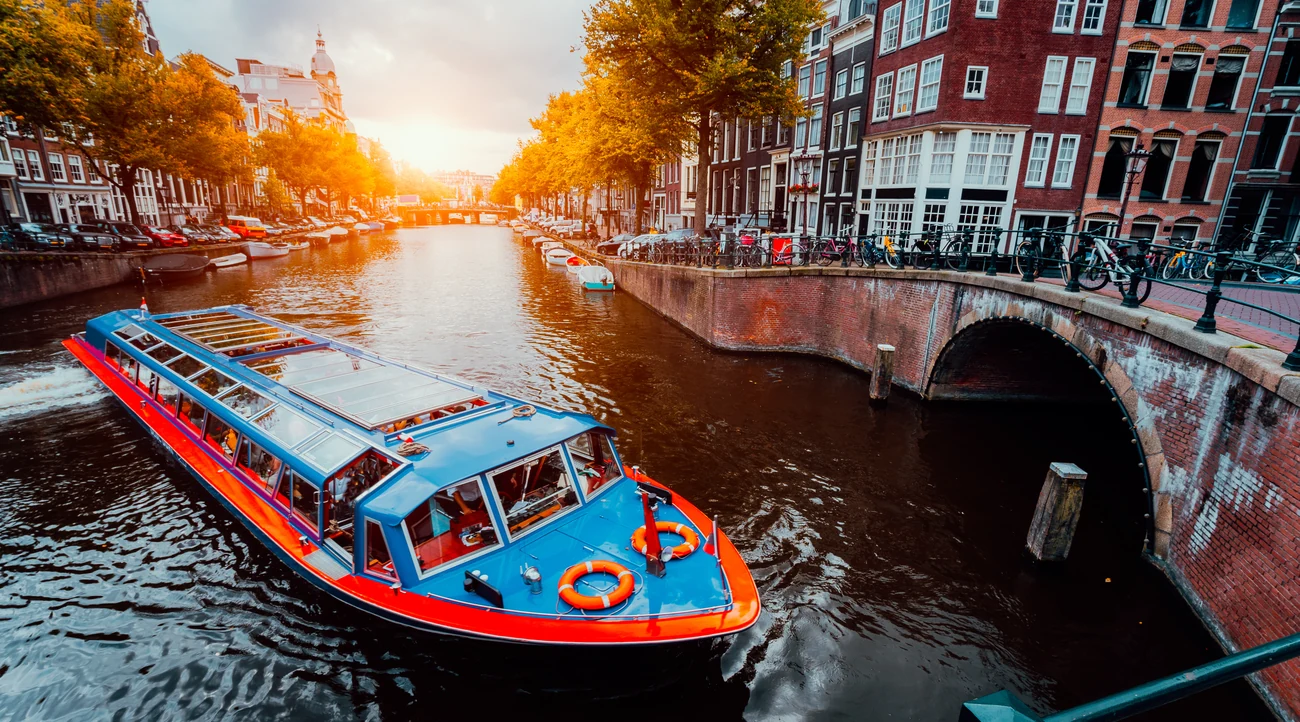
The 90-minute open-boat tour also lists Zuiderkerk as a pass-by, offering a different viewpoint during a wider cruise. None of these bookings establishes church entry or tower access. The Anne Frank walk does not enter Anne Frank House. Check the selected language, departure point and route before booking, and arrange any event separately.
Events govern interior access: confirm the particular programme.
A business-hours listing is not a sightseeing timetable.
Tower access is separate from church events and exterior city tours.
Keep the historic gateway and nearby residential entrances clear.
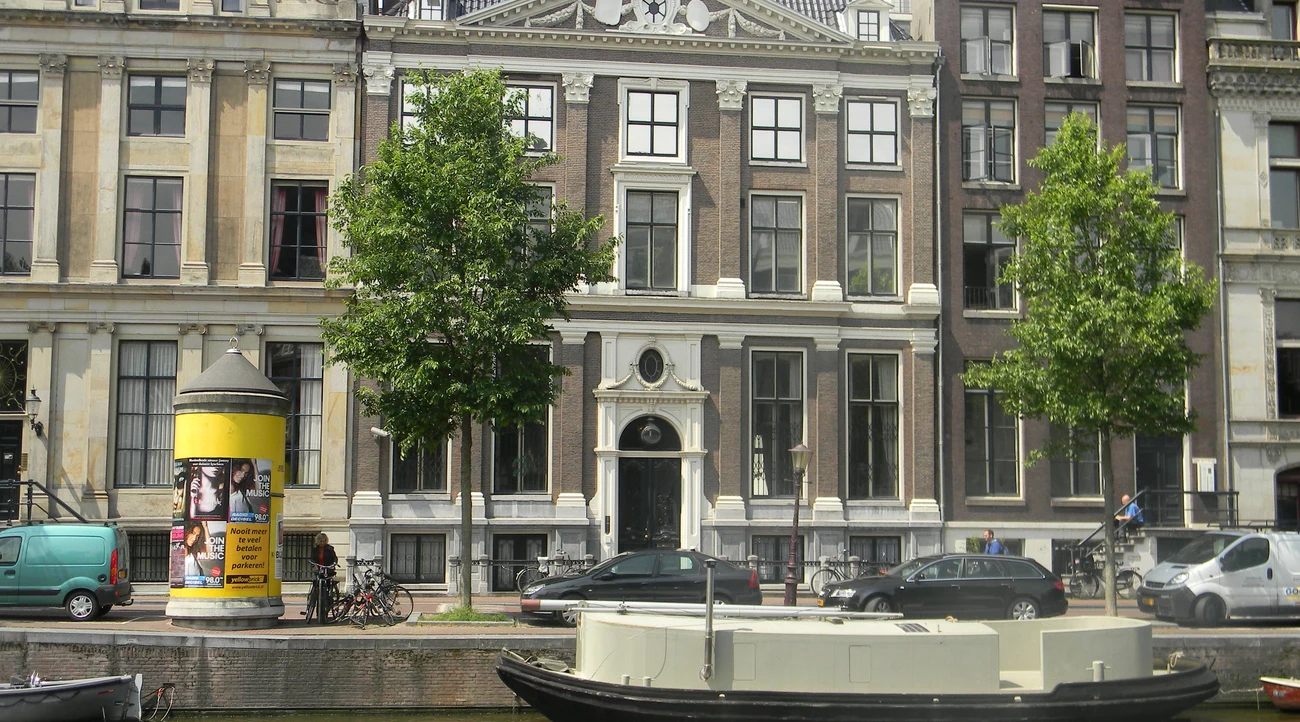
Approach along Groenburgwal, then compare the view from a closer street.
Allow time for the gateway rather than walking straight past it.
For photographs, wait for a clear moment without standing in the cycle route.
If attending an event, follow its entrance and arrival instructions.
How to reach Zuiderkerk
Use Zuiderkerkhof 72 for the venue. The church is in the Nieuwmarkt neighbourhood, within a short walk of Nieuwmarkt metro station. Check which entrance your event uses, rather than navigating only to a general pin for the tower.
From Protestant church to a changing civic space
Built in 1603–1611 to a design by Hendrick de Keyser, Zuiderkerk marked a new stage in Amsterdam’s Protestant architecture. The tower was completed in 1614, giving the church the vertical landmark that still helps orient a walk through the surrounding streets.
The building’s history reaches beyond its architecture. The venue’s timeline records the burial of Rembrandt and Saskia’s infant son Rombertus in 1636 and the baptism of Titus in 1641. These are specific family connections; they should not be turned into an unsupported claim that the church served as the painter’s studio.
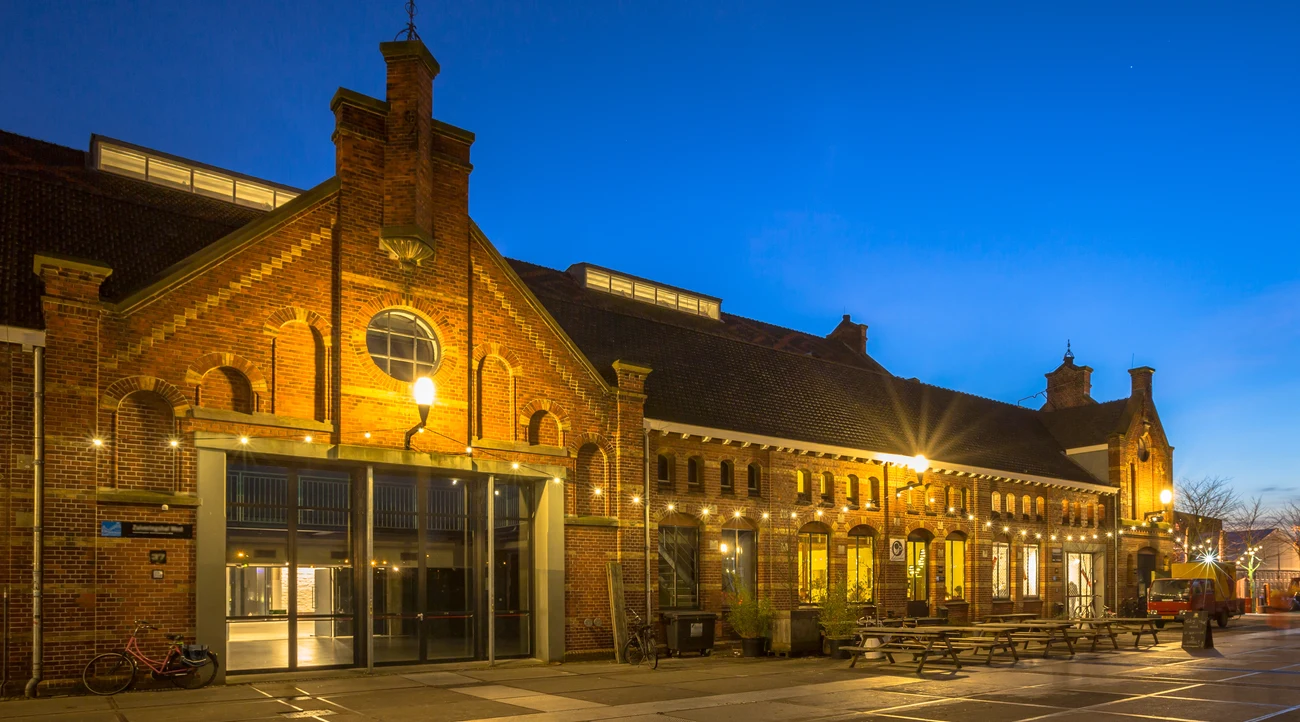
The last church service took place in 1929. Later restorations and civic uses changed the interior, and the venue now hosts conferences, lectures, celebrations and concerts. Think of it as a historic building with a continuing public life, rather than an untouched seventeenth-century church interior.
That changing use also affects a visit. An event may focus attention on a stage, speakers or music, while the external architecture remains available to examine at your own pace. A short walk before or after a booked event can help connect the interior experience to the surrounding city.
Details behind the gateway and canal view
The church and tower were completed in different years.
The gateway’s skull carvings refer to the former burial ground.
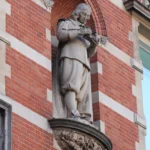
The gateway was designed by Nicholas Stone, Hendrick de Keyser’s son-in-law.
The Groenburgwal view has a life in painting as well as photography.
An adapted historic interior can reveal later uses alongside the original architecture.
Rembrandt House tickets and Amsterdam walking experiences
Find your stay near Zuiderkerk
Accommodation in the Nieuwmarkt and old-centre area can suit a walking itinerary. Check evening noise, stairs, luggage access and the actual route to your room. A central location is useful only if its practical arrangements also suit your trip. The map is centred on Zuiderkerk.
Zuiderkerk visiting questions
More activities and experiences in Amsterdam