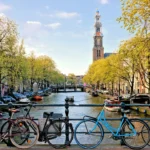
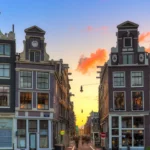
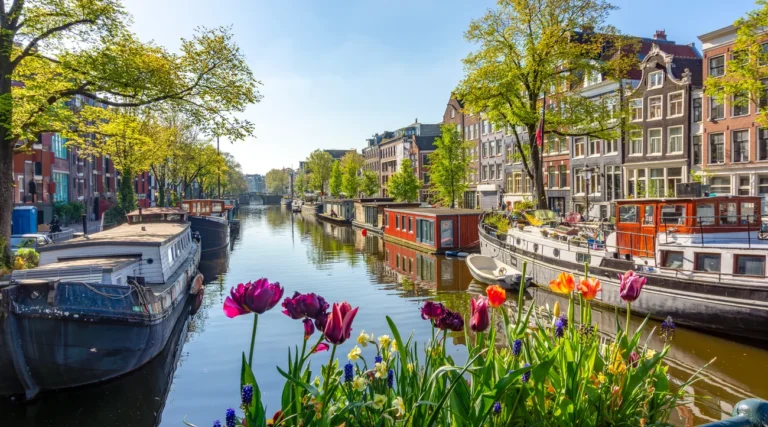
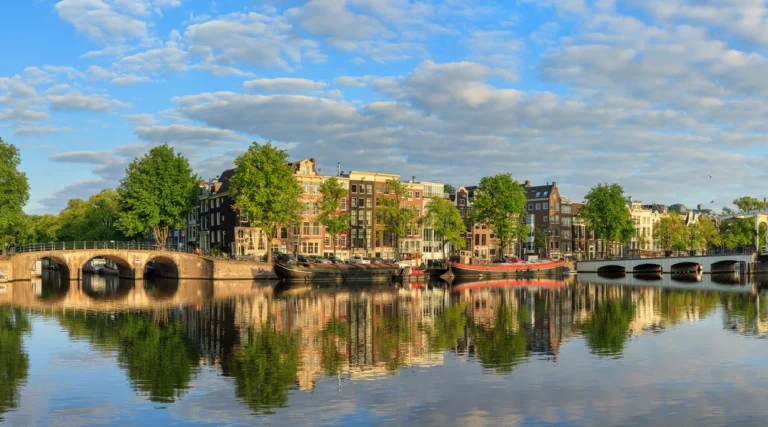
The Jordaan is the neighbourhood west of Prinsengracht where Amsterdam changes scale: smaller houses, narrow cross streets and canals such as Bloemgracht and Egelantiersgracht replace the broad merchant-house frontages nearby. Use Noordermarkt for a northern starting point and Rozengracht for a southern one. A walk here works best with time for a café and a few turns away from the busiest waterfront.
- Start: Noordermarkt for the northern streets; Westermarkt for the central and southern Jordaan.
- Market: Saturday brings the organic farmers’ stalls; Monday has a different market character.
- Allow: about half a day for a relaxed walk and food stop, longer with a booked attraction.
- Boundary: the Nine Streets are across Prinsengracht in the canal belt, not another name for the Jordaan.
Finding the Jordaan between Prinsengracht and the smaller canals
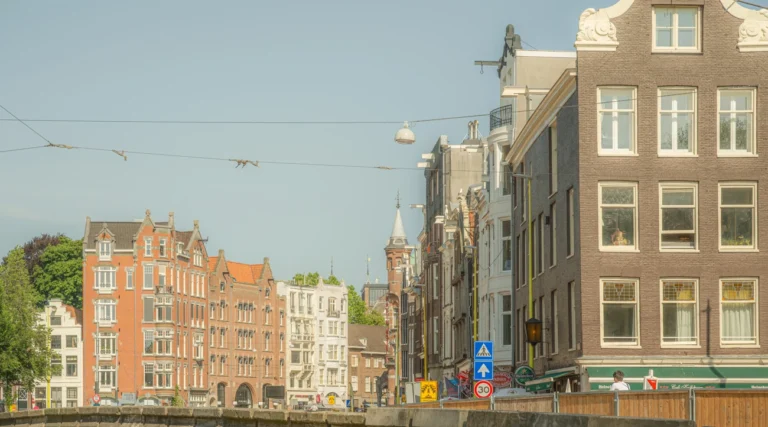
Think of Prinsengracht as the eastern reference line, then turn west into the neighbourhood. Brouwersgracht provides a useful northern approach; Rozengracht cuts across farther south. Westerstraat and Lindengracht are broader, busy streets, while the lanes around Egelantiersgracht and Bloemgracht invite slower walking. This difference makes a better route than simply following the crowds outside Anne Frank House.
For a first visit, start around Noordermarkt, look towards Brouwersgracht, then work south through the canal streets. Finish around Bloemgracht or Rozengracht according to your next destination. This is a suggested walk rather than a fixed signposted trail: leave space for shop visits, bridges and a café stop.
- A compact way to combine smaller canals, independent shops and cafés.
- Easy to join to a central Amsterdam walk without an extra transport journey.
- Different experiences on market mornings and quieter non-market days.
- Narrow pavements and bridge slopes can make a short route slower than expected.
- Private courtyards are residential spaces, not guaranteed visitor attractions.
- Queues around the Anne Frank House area do not represent the whole neighbourhood.
6 Jordaan places beyond the busiest Prinsengracht corner
Choose a few of these stops rather than treating every street as a separate attraction. The neighbourhood itself is the main visit; churches, museums and performances have their own access arrangements.
A Jordaan half-day: market morning or canal-and-café afternoon
On a Saturday, begin with Noordermarkt before turning into the smaller streets. On a non-market day, let a café opening or a booked cultural visit determine the order instead. Do not fill the route with several food queues: choose one substantial pause and leave the rest of the time for the neighbourhood.
If you are also visiting Anne Frank House, place that reserved entry first in your planning, then arrange the walk around it. Without a museum visit, the Jordaan makes a flexible half-day rather than a timetable of attractions.
Activities near the Jordaan
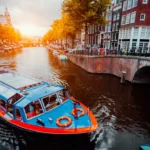
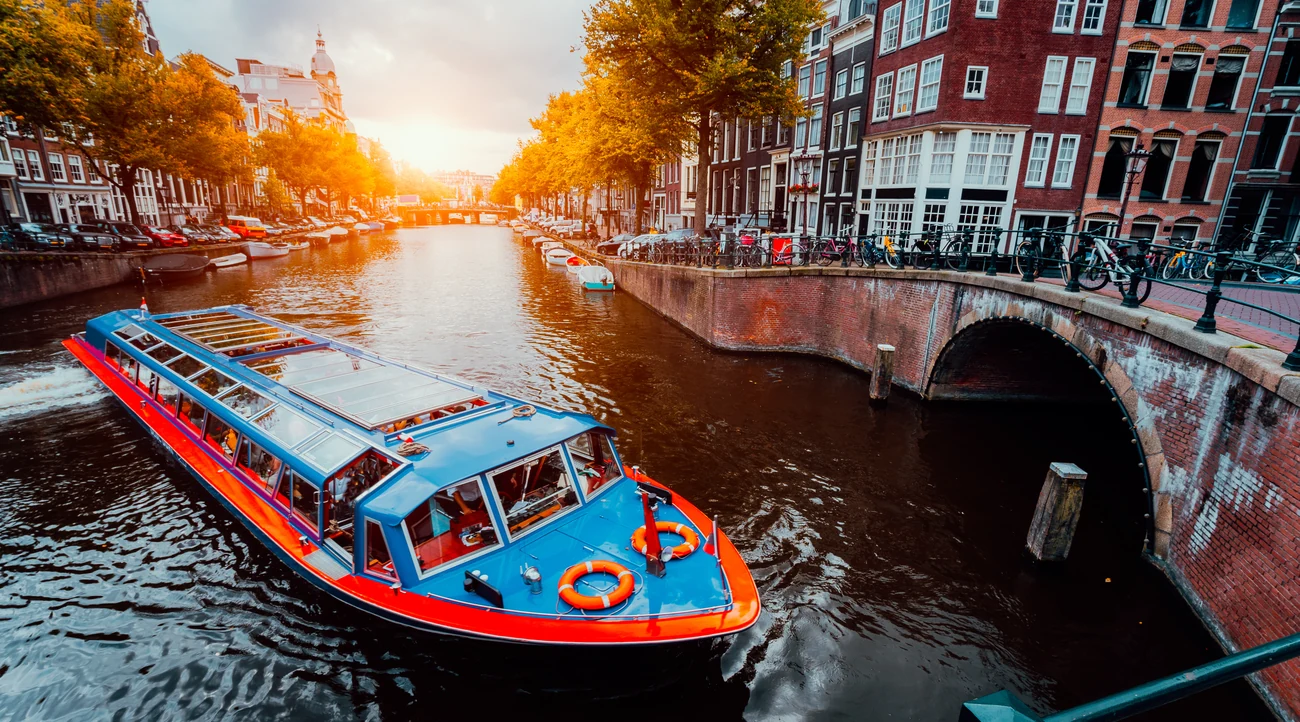
A guided food walk can add tastings and local context, while a canal cruise gives a different view of the waterways. Check the actual meeting point and inclusions. Neither activity is an admission ticket to the Jordaan or an automatic booking for Anne Frank House.
- Do not enter a hofje merely because its door is open; follow the residents’ signs.
- Do not expect Saturday’s farmers’ market on every weekday.
- Do not book a walking tour as a substitute for museum admission.
- Walk one street away from Prinsengracht when its pavements feel congested.
- Choose Noordermarkt or Rozengracht as an endpoint according to your next stop.
- Keep one café pause flexible so the walk retains its neighbourhood rhythm.
Getting to Jordaan
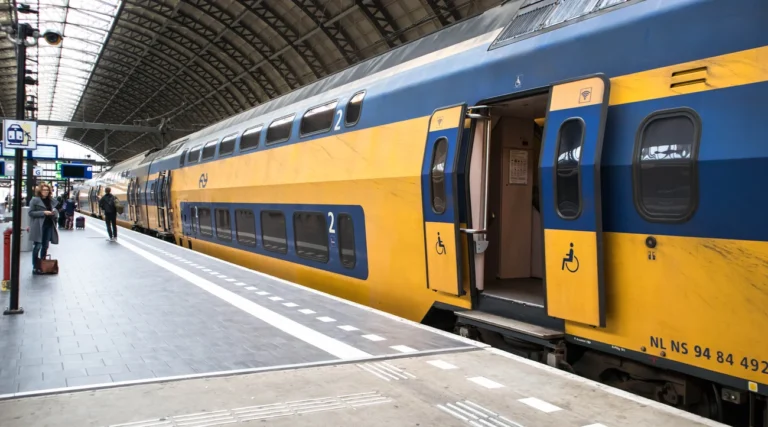
There is no single Jordaan station that serves every part of the neighbourhood. Choose an arrival for the northern or southern half rather than aiming at a vague district pin.
How the Jordaan grew beside the wealthy canal belt
The Jordaan developed during Amsterdam’s early seventeenth-century expansion, alongside the grand canals but with a different social and physical character. Craftspeople, labourers and migrants lived and worked in smaller plots. Older field and drainage patterns helped shape a street plan that does not simply continue the canal belt’s formal geometry.
Its attractive appearance today should not erase the history of overcrowding and poor housing. The small buildings and courtyards belonged to a densely inhabited working district, not a neighbourhood originally designed as a picturesque visitor route.
By the twentieth century, deteriorating housing had prompted proposals for extensive demolition. Preservation, renewal and changing attitudes to the old city helped retain much of the neighbourhood’s street structure. The Jordaan also became strongly associated with Amsterdam popular song, cafés and a public image of direct humour and resilience.
Later investment brought restoration, galleries and more expensive housing. Walking here therefore means seeing both an older working neighbourhood and a place changed by prosperity and tourism. The surviving small scale is real; so is the fact that these streets remain people’s homes.
Details that make the Jordaan easier to read
- Different street scales: compare a broad street such as Westerstraat with the lanes and smaller canals nearby. The change is part of the neighbourhood’s character, not evidence that you have left the route.
- Hofjes: historic almshouse courtyards tell a social story, but many remain residential. A closed entrance is a boundary to respect rather than a hidden attraction to unlock.
- Filled canals: names such as Lindengracht and Rozengracht preserve the memory of water even where the present-day route is a street.
Tickets and experiences for this part of Amsterdam
Staying in the Jordaan: atmosphere versus access
Choose the Jordaan if you want smaller streets and cafés within your everyday walking area. Check the exact building entrance, stairs and luggage access, especially in older properties. A room near a busy café or market street can feel different from one on a quiet canal.
For a short stay, compare the final walk from your arrival stop as carefully as the district name. A central address does not guarantee a lift, a level approach or silence at night. The Amsterdam accommodation map below is a city-wide comparison, not a list of properties personally inspected in the Jordaan.
Jordaan food stops: a café pause or a planned meal
Frequently asked questions about Jordaan
More Amsterdam activities to compare