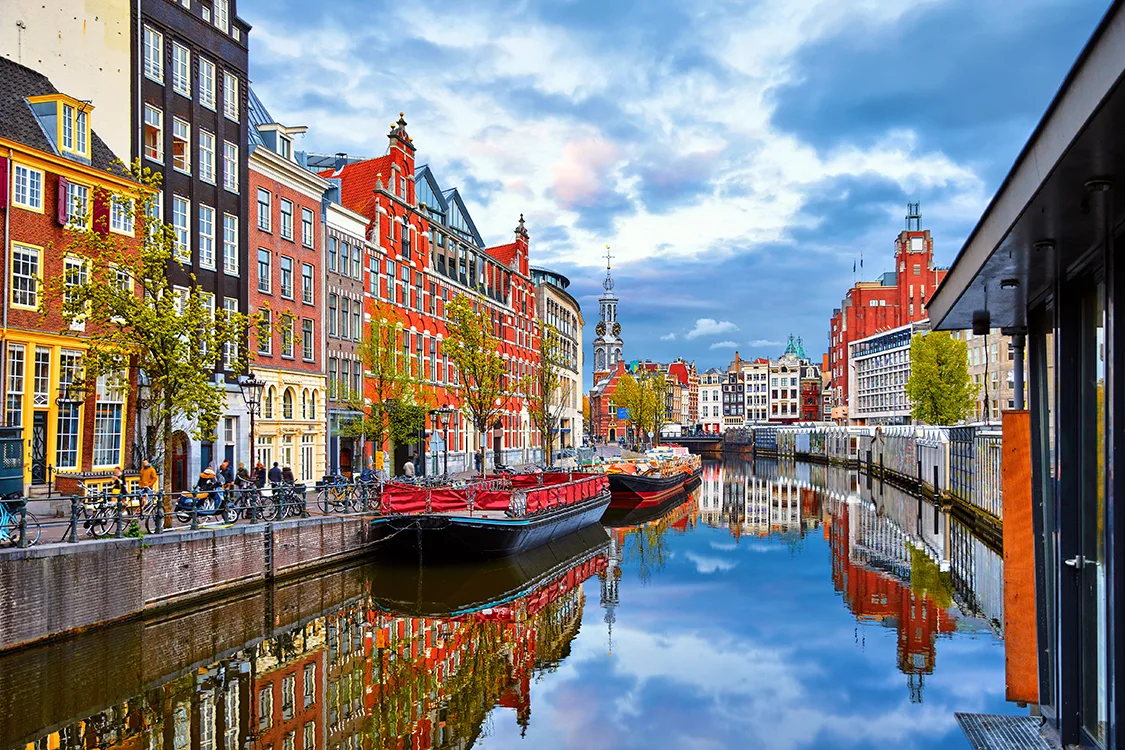



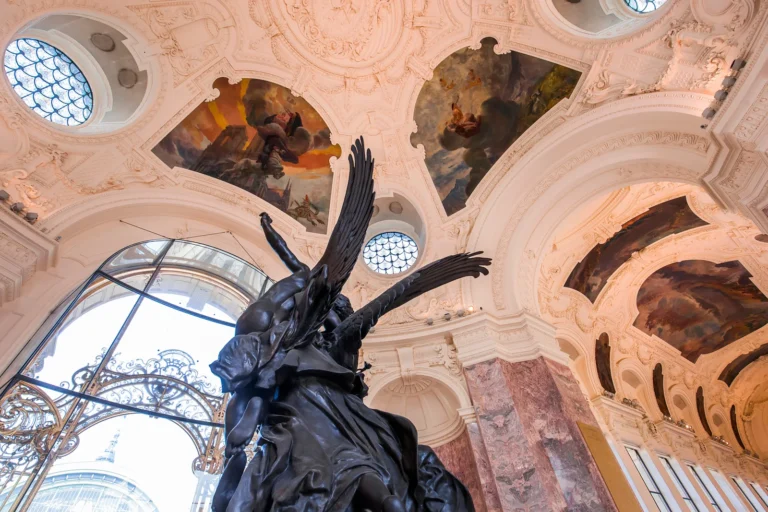
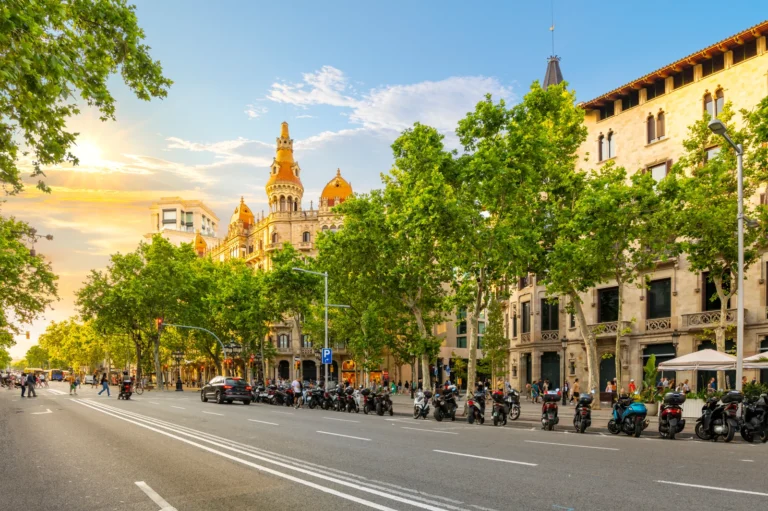


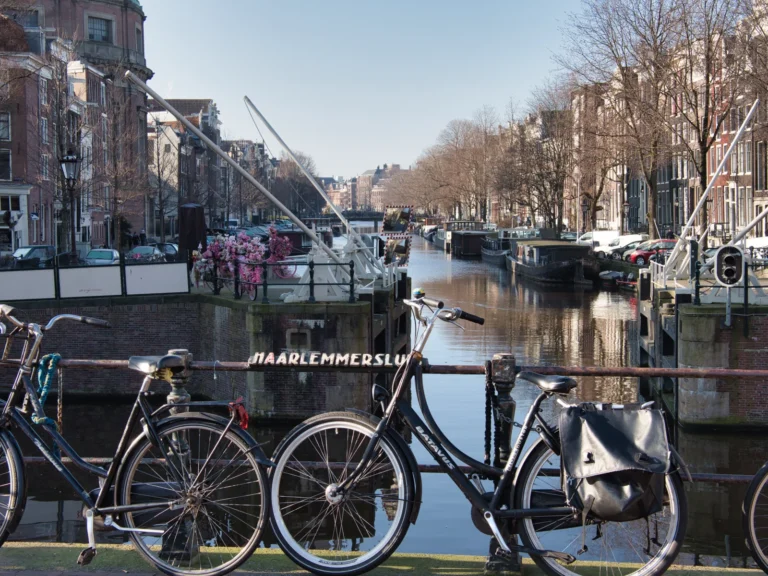
Barcelona offers Modernista interiors, old-town streets, hills and a Mediterranean waterfront. Amsterdam offers major art collections, canal-house architecture and neighbourhoods that lead naturally into one another on foot. Both can fill a long weekend; neither should be reduced to “beach versus bikes”. Compare the attractions you would enter, the districts you would stay in and the three-day routes below before choosing.
Barcelona or Amsterdam: start with the trip you want
| What you want | Barcelona | Amsterdam |
|---|---|---|
| Architecture you can enter | Sagrada Família and Modernista houses with very different interiors. | Canal houses and museums, with the street and water setting part of the experience. |
| A major art day | Picasso, Miró or another chosen collection, alongside architecture. | Rijksmuseum, Van Gogh Museum or Stedelijk: choose by collection. |
| Water | Beach and seafront are a separate outing from much of the cultural centre. | Canals run through the centre; the IJ and Noord create a different outing. |
| Urban geography | Old town, Eixample, waterfront and hills need separate route choices. | Central areas can be linked on foot; Museumplein and Noord still deserve dedicated blocks. |
| Three days | Architecture day, old-town day, then a hill or waterfront choice. | Collection day, canal-neighbourhood day, then a second interest or Noord. |
| Main planning trap | Buying too many building interiors and zigzagging between hills. | Booking several big museums and assuming canals can be fitted into the gaps. |
Barcelona makes most sense if you want architecture to be a central experience, rather than a backdrop. Amsterdam makes most sense if paintings, canal streets or a smaller historic interior are a major reason to travel. Both have food, nightlife and contemporary culture; start with the specific experiences that distinguish your own two possible weekends.
If beach time is essential, choose dates and expectations that support it. A seafront walk is available as an urban outing; a satisfying beach holiday has different requirements. In Amsterdam, cycling is equally optional. A first visit on foot, tram and ferry can be complete without hiring a bike.
Barcelona attractions: what each visit adds
The Sagrada Família, Casa Batlló and Park Güell are often put together under the name Gaudí, but they deliver different experiences. One is a basilica, one a house and one a landscaped architectural site. Buying all three is a choice about time and money, not the definition of a successful visit.
For a first three-day break, choose the Sagrada Família plus one other paid architectural visit if architecture is your main interest. If art matters more, pair the basilica with the Picasso Museum and leave another house for a return trip. The objective is to remember the differences between the places, not just the entry process.
The Sagrada Família’s official FAQs distinguish practical requirements for the basilica and towers. Check those before choosing an upgrade. For Park Güell, use the official visiting information and choose a suitable approach; the park’s geography matters to the day.
Barcelona also rewards a trip with fewer major admissions. Eixample streets, Gràcia, markets and a waterfront outing can create a varied break. Keep that as a deliberate version of Barcelona, rather than feeling you have failed because you did not enter every celebrated building.
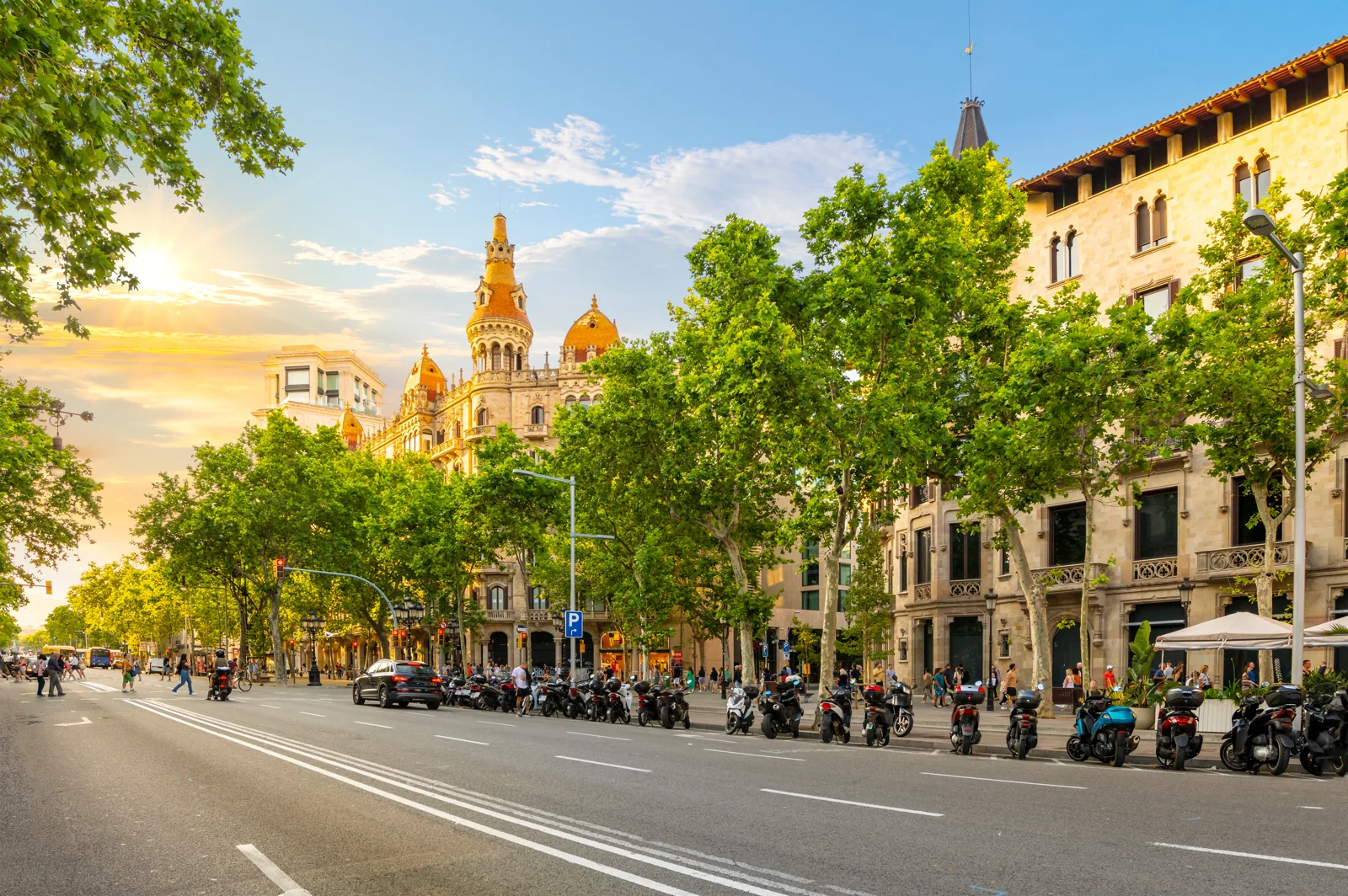
Amsterdam attractions: choose the collection, not the queue
The Rijksmuseum and Van Gogh Museum should not be interchangeable slots labelled “museum”. Compare the collections and decide whether you want one substantial visit or an art-intensive trip. A canal-house interior, contemporary collection or architecture outing may give the second day more contrast.
A first Amsterdam trip can work with one large collection, a canal district and a distinct third-day interest. If you want both Rijksmuseum and Van Gogh, put them on separate days or accept that the trip is primarily an art break. Their proximity does not make two substantial collections effortless.
The Rijksmuseum’s practical information explains entry arrangements. For other venues, follow the individual guide above to check the appropriate booking route. Avoid building an itinerary around a supposedly available slot that you have not actually checked.
A cruise is not a replacement for exploring on foot. From the boat you see the canals and façades from one perspective; on foot you can stop, turn into smaller streets and choose a café. Decide whether you want both experiences. A short ferry crossing across the IJ is another different activity, with a transport function rather than a sightseeing commentary.
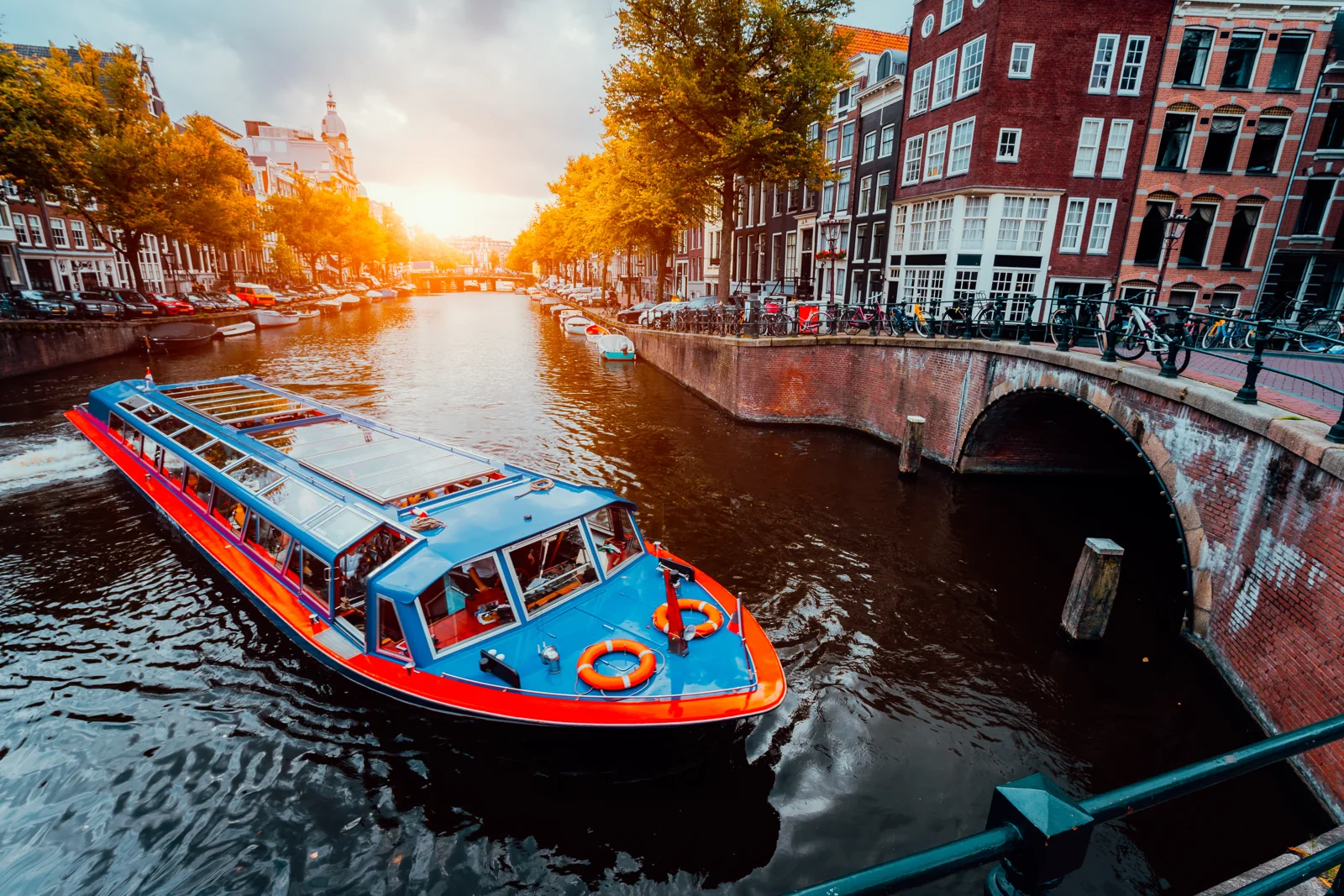
Three days in Barcelona: architecture, old town and a deliberate third choice
This structure keeps different parts of the city together. It assumes you want one major architectural interior and leaves the third day as a choice. Use the linked guides for the complete route rather than trying to connect every major name across the city.
Day 1 — Sagrada Família and Eixample
Start with the basilica, then explore Eixample and Passeig de Gràcia. Choose one house interior only if you want another substantial architectural visit.
Day 2 — Gothic Quarter and El Born
Walk the old town, make time for lunch and add the Picasso Museum if it matches your interests. Keep the waterfront as an optional extension.
Day 3 — Park Güell and Gràcia, or Montjuïc
Choose one hill-based outing and a nearby district. Do not attempt both hills plus a beach afternoon as though the transfers were incidental.
If the third day is about the sea, replace the hill outing with Barceloneta or another waterfront plan. If you want Miró or a Montjuïc cultural day, use the Montjuïc guide and organise that outing around the venue you choose. A plan with a clear trade-off is more useful than an itinerary claiming to include everything.
For two days, keep one architecture block and the old town, then decide which extra genuinely matters. Our two-day Barcelona itinerary is the next step. Park Güell does not become a short central detour just because you have one fewer day.
Three days in Amsterdam: art, canals and a contrasting outing
This version separates a major collection from the canal-neighbourhood day. The third day can become another art visit, a Noord outing or a slower continuation. It should reflect what interested you on the first two days, not a requirement to complete a list.
Day 1 — Museumplein and one major collection
Choose Rijksmuseum or Van Gogh as the main event. Use the remaining day for a meal and an unhurried outdoor walk.
Day 2 — Canals and Jordaan
Give the streets time, stop for lunch and choose whether a canal cruise adds the perspective you want. Keep the cruise departure convenient.
Day 3 — Noord or a second cultural interest
Build an outing around STRAAT or another chosen venue, or take a second collection day. Use the detailed route to organise connections.
If you want a cruise, check where you board and disembark before attaching it to dinner. Similar-sounding cruises may use different departure points and boat formats. An enclosed boat and an open boat also create different experiences on a cool or wet day.
For a short first visit, use Amsterdam in two days and keep one collection. If the Van Gogh Museum is your main reason for travelling, it should replace the Rijksmuseum in the structure above rather than being squeezed into the same morning.
Neighbourhoods and accommodation: choose the evening as well as the day
In Barcelona, Eixample is worth examining for an architecture-focused visit and a street grid that connects several central interests. The Gothic Quarter and El Born put you inside the old-town setting, but the exact street and room orientation deserve attention if sleep matters. Gràcia has a different neighbourhood feel and is a deliberate base rather than a hotel beside every first-time sight.
Read our Eixample, El Born and Gràcia guides alongside where to stay in Barcelona. If the beach is an occasional afternoon, you do not necessarily need to make it the organising principle of the hotel.
In Amsterdam, a canal-centre room can be attractive for an on-foot trip, but inspect the actual building. Historic character can come with stairs, compact rooms and different access arrangements. Museum-focused visitors should compare their routes to Museumplein; an address across the IJ requires a different return journey from one within the central canal neighbourhoods.
Use the Amsterdam accommodation guide and compare two actual properties against your itinerary. Ask about the lift and room floor when necessary rather than interpreting “historic building” as either a benefit or a problem for everyone. The best base is the one that makes your own mornings and evenings easy.
Food: build a neighbourhood outing around a meal
In Barcelona, use a meal to slow down an old-town or neighbourhood day. A market visit and a sit-down lunch are different experiences; buying a snack does not necessarily replace the meal you need after a substantial visit. Read where to eat in Barcelona and choose a place within the area you are actually exploring.
For Amsterdam, the traditional dishes guide and street-food and snacks guide help you decide what to seek out. A Jordaan food outing can give the canal day a concrete shape without another museum reservation.
If food is a major reason to travel, compare the meals you want rather than ranking two national cuisines. Are you looking for a long lunch, small shared dishes, a particular restaurant or a self-guided tasting walk? The answer changes the itinerary and budget more than a generic claim that either city is “great for food”.
For an evening with friends, choose the dinner district first and check the route home. Staying close to a daytime attraction is less valuable if you cross the whole city again every evening. For families, a convenient meal after the main visit may be worth more than a famous restaurant requiring another transfer.
Getting around: hills, trams, bikes and the airport
Barcelona is not one flat walk between all the sights. Eixample, the old town, Park Güell, Montjuïc and the seafront create different routes. Use the transport guide to decide which sections are sensible on foot and which need a connection. Keep the approach to a hill-based visit in the itinerary.
For airport travel, read the Barcelona airport guide and compare the service to your accommodation. Ticket products differ: for example, TMB identifies airport metro coverage in Hola Barcelona, while T-casual is not valid at the airport metro stations. Check the current official fare conditions rather than assuming every city transport pass covers the same airport journey.
Amsterdam does not require a rental bike. Walking and the tram network can support a first visit; the metro guide helps with other routes. Cycling makes sense when you want to cycle and are comfortable with the setting, not when you would rather keep stopping to look at buildings.
For an outing across the IJ, check the actual ferry route with GVB. Do not confuse a passenger ferry crossing with a canal cruise or assume every ferry service has identical ticket rules. The Amsterdam airport guide covers the separate arrival decision.
Budget and season: what changes the decision?
Price the same trip in both places: an acceptable room, the exact arrival transfer, two chosen paid visits and the food plan you want. Barcelona can become an expensive attraction circuit if you buy several premium architectural entries. Amsterdam can become an expensive museum circuit if you assume every major collection is essential. Choosing fewer, better-matched visits is a change of itinerary, not merely a discount strategy.
Do not compare an apartment for four in one city with a central hotel double in the other and call the result a city price ranking. Keep bed layout, bathroom, location requirements and cancellation terms consistent. Add any charges shown before checkout to the full-stay comparison.
In warmer periods, Barcelona’s outdoor hills and archaeological or architectural walks may need a different daily rhythm from a waterfront afternoon. Amsterdam’s canal setting remains appealing in cooler weather, but a long outdoor day should not depend on a cruise or café having space at the last minute. Use indoor interests you actually want, not an emergency list of random museums.
For children, compare a specific collection with a specific outdoor route. For reduced walking or step-free requirements, check the building and visitor route directly; neither a canal house nor a hilltop attraction can be assessed from a city-level promise. A central hotel helps only if the route and room access work.
Choose Barcelona when the architectural interiors, Mediterranean streets and a hill-or-seafront third day form the trip you want. Choose Amsterdam when the collections, canal neighbourhoods and a contrasting Noord outing sound more compelling. Both can be relaxed or intensive: the decision lies in which version you actually plan to take.
Make this trip work
- Barcelona: choose which interiors to enter.
- Amsterdam: separate substantial collections.
- Choose one third-day outing.
- Check the exact airport transport product.
Read next
A complete route for the city.
Turn the comparison into a detailed visit.
One search.
More ways
to explore.
Compare tickets, tours and activities from different providers, all in one place.