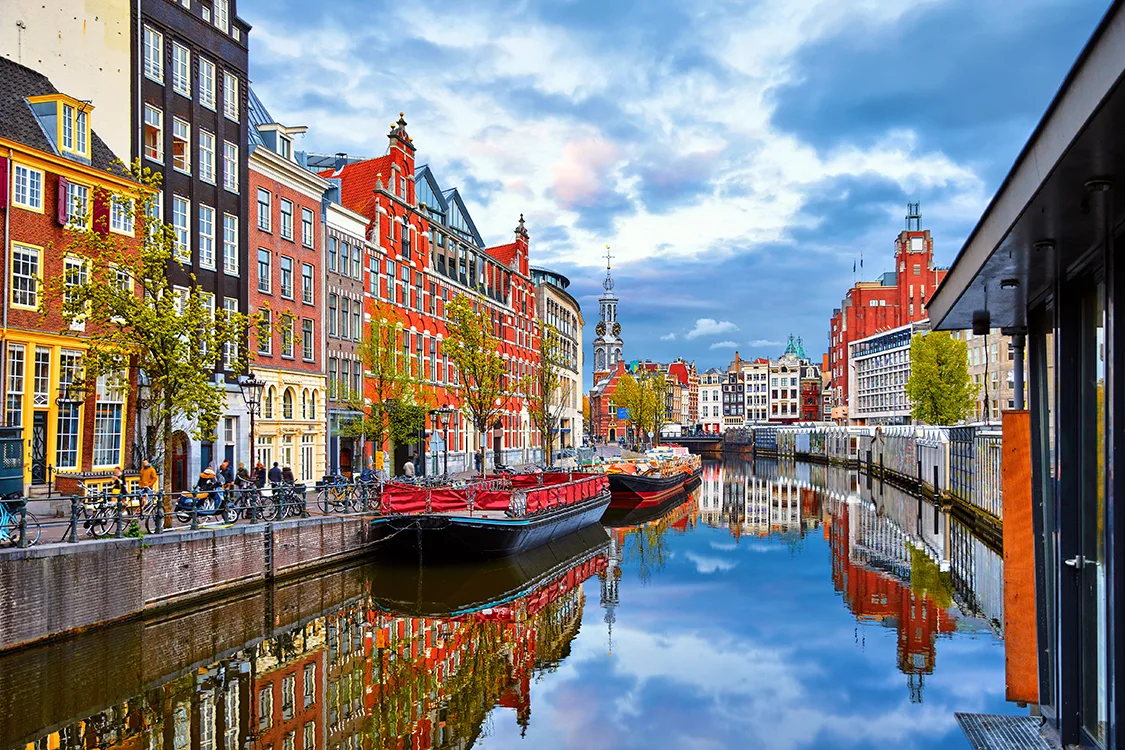



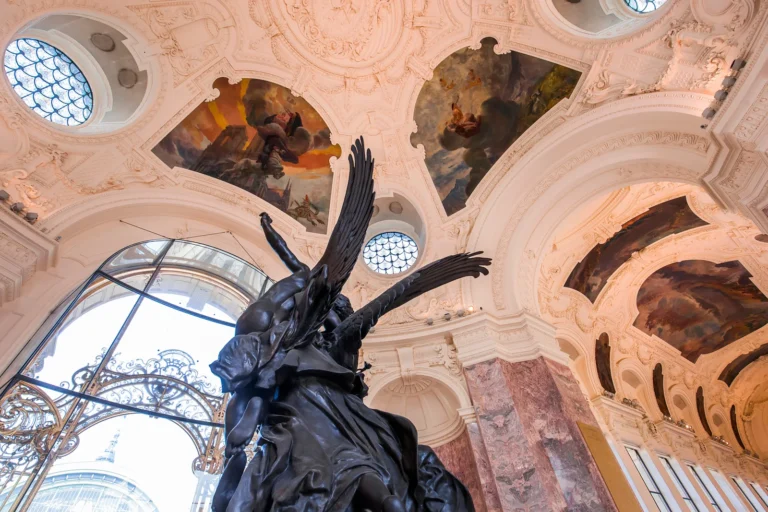
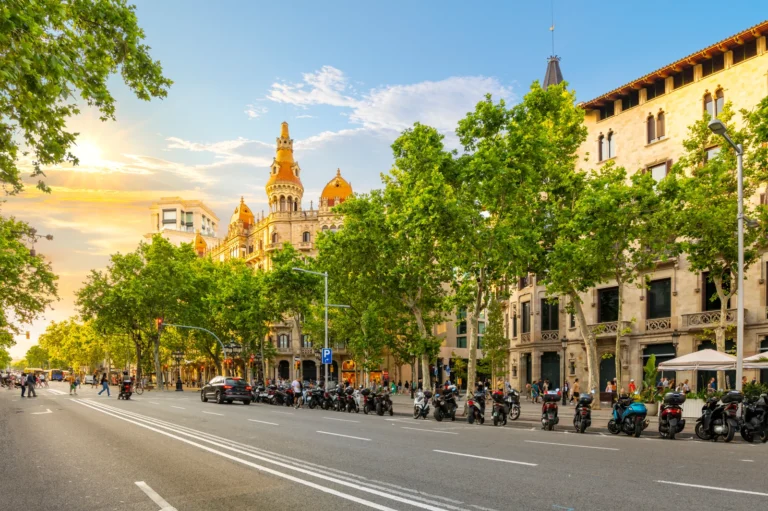

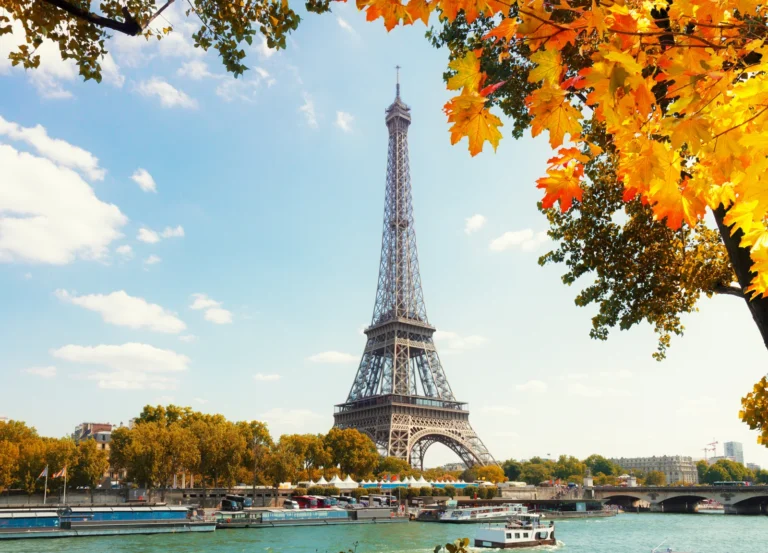
Autumn can be an excellent time for a city break when the trip is built around culture, neighbourhoods and flexible outdoor time. The useful question is not which city looks best under orange leaves. It is whether your dates offer the exhibitions, daylight, travel connections and everyday experience you want. Build a trip that remains appealing even when the weather changes.
Choose the autumn you actually mean
An early-autumn weekend and a late-autumn weekend can support different days. Before choosing a destination, write down whether you want long outdoor walks, an exhibition, food, architecture or a specific event. Then check the dates against that interest. “Autumn” is too broad to be a useful itinerary constraint on its own.
If outdoor colour is the main reason to travel, accept that it is variable. Avoid building an entire non-refundable trip around one photograph or one predicted week of leaves. Give the destination a second reason to appeal: a collection, neighbourhood or performance that you would enjoy regardless.
If an exhibition or festival is the main reason, start there. Check the official programme and booking dates, then compare travel and rooms. Do not assume a recurring event will take place on the same weekend or in the same format every year.
Build the day around daylight, not a summer timetable
Put the outdoor activity you most care about into a useful daylight block. A hilltop view, garden or architecture walk deserves that space before a long lunch or museum visit uses it up. You can then place an indoor visit later if its actual hours allow it.
The opposite structure also works: a morning collection, followed by a shorter outdoor walk and dinner nearby. What matters is making a conscious choice. An itinerary copied from a long summer day can leave the best outdoor section until too late.
Check venue hours for the exact dates. Seasonal schedules, weekly closures and temporary exhibitions can determine the order. A late opening is useful only when it applies to the venue and day you have chosen.
Make two versions of the same day
| Day component | Outdoor-friendly version | Wetter or colder version |
|---|---|---|
| Main interest | Architectural or neighbourhood walk | A relevant interior or collection in that area |
| Lunch | A flexible stop along the route | A planned sit-down stop near the indoor visit |
| Afternoon | Garden, river or viewpoint | A smaller museum, exhibition or historic house |
| Evening | A longer walk to dinner | A direct journey to the same dinner district |
The backup works because it stays in the same part of the city. You are not replacing a garden with a museum across town and spending the afternoon travelling. Keep both options modest enough that the day can change without losing its purpose.
Check whether the indoor option needs a reservation. A famous museum with no available entry is not a usable fallback. If a visit is the main reason for travelling, book it as the main plan and use weather flexibility around it.
Choose a cultural anchor with enough substance
A large collection, temporary exhibition or architectural interior can give an autumn weekend a strong core. Choose the content first, then the ticket. Compare whether you want to spend a few focused hours or most of a day.
Useful starting points include the Musée d’Orsay guide for an art-led visit, the Rijksmuseum guide for Dutch art and history, or Casa Batlló for an architectural interior. These are different interests, not a ranking of autumn destinations.
Do not fill every wet-weather block with another major museum. Alternate a substantial collection with a smaller interior, a long meal or a neighbourhood. That gives the trip variety and makes it easier to enjoy the next visit.
Compare the whole stay, including events and transport
Autumn is not automatically a cheap season. A major event, exhibition opening or busy weekend can change room availability. Search the dates you actually intend to travel and compare full-stay totals. A low fare means little if an acceptable room is unavailable.
Look at arrival and departure times alongside daylight. An evening arrival may be ideal if the next two days are full; an early departure can remove the morning you assumed you would use. Compare the actual time available after transfers.
For accommodation, useful evening surroundings become valuable when you do not want another long journey after dinner. A hotel near the activities you chose may be a better purchase than a more photogenic address that repeatedly sends you across town. Use the area-first method to test it.
An autumn weekend that does not depend on perfect weather
- Arrival evening: settle into the accommodation and eat nearby; avoid making the whole trip depend on a late timed admission.
- First full day: your main collection or cultural visit, then an outdoor block in the same area if conditions suit it.
- Second full day: a neighbourhood, food or architecture outing, with one nearby indoor alternative already identified.
- Before departure: a short local activity that leaves the transfer simple; keep luggage arrangements in the plan.
Use the forecast close to departure to choose between your prepared versions, rather than rebuilding the trip from scratch. The result should still feel like the break you wanted: the same interests, a different balance between indoors and outdoors.
Make this trip work
- Choose a specific reason for these dates.
- Give your outdoor priority a daylight block.
- Keep the backup in the same district.
- Compare actual rooms, not seasonal price claims.
Read next
Turn an interest into a route.
Make the accommodation support the trip.
One search.
More ways
to explore.
Compare tickets, tours and activities from different providers, all in one place.