



An art break becomes much more rewarding when you choose a question to follow. How did an artist work? What makes a building’s interior unusual? How does a painting change when you see it in the church it was made for? These five approaches produce different trips. Use one as the main thread, then choose the collections, streets and smaller visits that help you follow it.
1. Follow a collection with a specific question
Start with what you want to see more clearly: portraits, a period, a technique or the relationship between two artists. “See the museum” is too broad to help when you reach the first junction between galleries. A useful brief might be “look at how light is painted in five works” or “understand the transition between these two periods”.
Choose three anchor works or rooms, then identify a short route between them. Leave room for discoveries on the way. You do not need to make the whole visit into homework: the route simply prevents the first hour disappearing into rooms that do not match your reason for travelling.
Before paying, check whether a temporary exhibition uses a separate ticket, whether your chosen rooms are open and whether an important work is on loan. A collection being famous does not guarantee the object you want is on display. The museum’s own collection pages and current notices are the right place for that final check.
| Write down | Example | Why it helps |
|---|---|---|
| Your question | How do these painters handle light? | Gives the visit a thread without requiring every room. |
| Three anchors | Three works, artists or galleries | Makes a practical route possible. |
| Your stopping point | Finish after the chosen section, then decide whether to continue | Prevents fatigue from becoming the default ending. |
| One follow-up | A detail to read about afterwards | Keeps the visit with you beyond the exit. |
2. See art in the setting it was made for
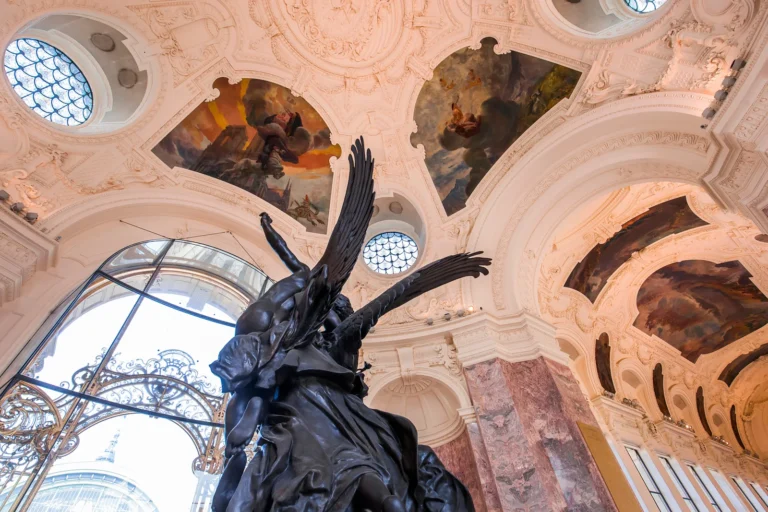
A work in a church, palace or public square is experienced with its architecture, light and viewing distance. That can be the reason to travel. Look at the approach, the position of the work and what the surrounding space asks you to notice. A photograph cropped tightly around an object cannot show all of that.
Build a small route with two or three interiors, rather than a city-wide scavenger hunt. Check visiting windows around services and events. Write down the artist or work at each stop so that you can recognise it without spending the visit searching your phone.
This approach can suit someone who dislikes long gallery visits but enjoys close looking. It is also a good place to consider a specialist guide: interpretation should help you read the setting and details, rather than simply lead you between addresses. Ask what the tour actually explains and how much time it gives each work.

3. Choose a house or studio for a human-scale visit
A house, studio or small collection can reveal how a person lived, worked or assembled objects. Choose it for that story, rather than treating it as a smaller version of a national museum. Domestic rooms, materials and everyday details often reward slower attention.
Before booking a historic house, inspect the visitor route. Small does not necessarily mean easy: stairs, narrow rooms and limited seating can affect the visit. If access matters, ask about the actual rooms you can reach rather than accepting a general accessibility label.
Pair the interior with its surroundings. Walk the street before entering, then look again afterwards. You may notice the proportions of the building, its relationship with neighbours or the difference between the public façade and private spaces. This makes a coherent half-day without adding another admission.
4. Treat architecture as the collection
Choose one building you want to understand from the inside. Look for circulation, light, materials and how people were expected to use the rooms. An audio guide or architectural tour is valuable when it draws your attention to those relationships, rather than simply adding a long biography.
Compare visit formats carefully. A standard route, rooftop option, evening experience and guided visit can cover different spaces. Buy the version that includes the part you want, not the longest list of extras. If your interest is mainly in the façade and streetscape, a self-guided architectural walk may be the right experience.
After the interior, leave time to look at the outside again. The building often reads differently once you understand its structure and use. A second paid interior immediately afterwards may give you less than that short return to the street.
5. Read the city through public and contemporary art
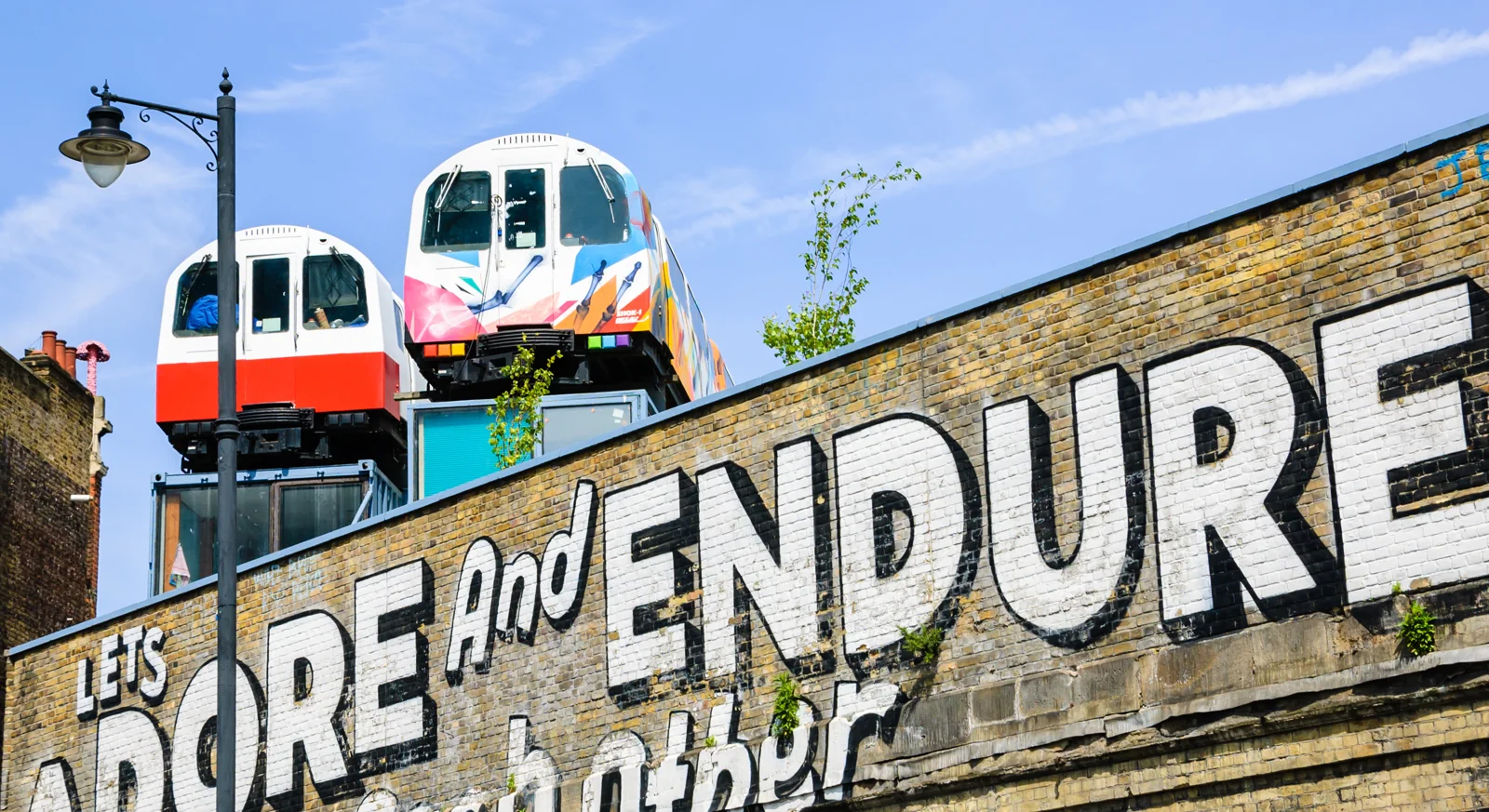
Murals, installations, sculpture and independent spaces can change how you experience a neighbourhood. Start with a current exhibition or a small route rather than an undated list of murals. Street art changes; some works disappear and venues change programmes.
Separate an open-air walk from a gallery visit. The first depends on the streets and the works currently there; the second has a programme, hours and sometimes admission. A large street-art museum is another different proposition again. Choose the format for the kind of looking you enjoy.
Give the area a complete outing: one art stop, time to walk and a meal nearby. Avoid crossing the city for a single photograph if the rest of the district does not interest you. A route that connects several ways of seeing is stronger than a checklist of social-media backdrops.
Build a balanced two- or three-day art break
First full day — your main collection
Use your strongest interest for the substantial visit. Choose a short route and keep the afternoon lighter.
Second day — a contrasting way of looking
Pair a house, church interior or architectural visit with its neighbourhood rather than repeating another large museum day.
Optional third day — follow a discovery
Return to a theme that interested you, visit a smaller collection or explore a current programme without rebuilding the whole trip.
For mixed-interest travellers, agree the shared visit and an easy meeting point afterwards. One person can stay longer in the collection while another explores a nearby street or café. A precise reunion works better than asking everyone to enjoy the same number of gallery hours.
Keep a small record: one work, one detail and one question from each day. You will usually remember that more clearly than dozens of photographs taken without time to look.
Choose the guide that matches your art interest
Make this trip work
- Choose a question to follow.
- Select three works or rooms.
- Check the actual display and visit format.
- Alternate major collections with smaller outings.
Read next
Turn an interest into a route.
Make the accommodation support the trip.
One search.
More ways
to explore.
Compare tickets, tours and activities from different providers, all in one place.