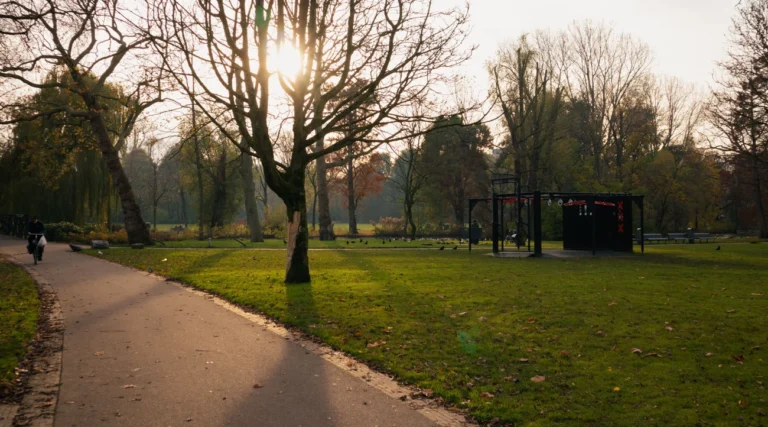
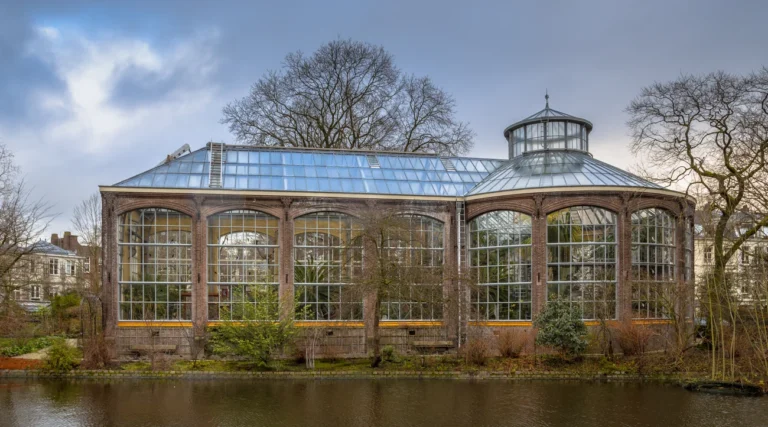
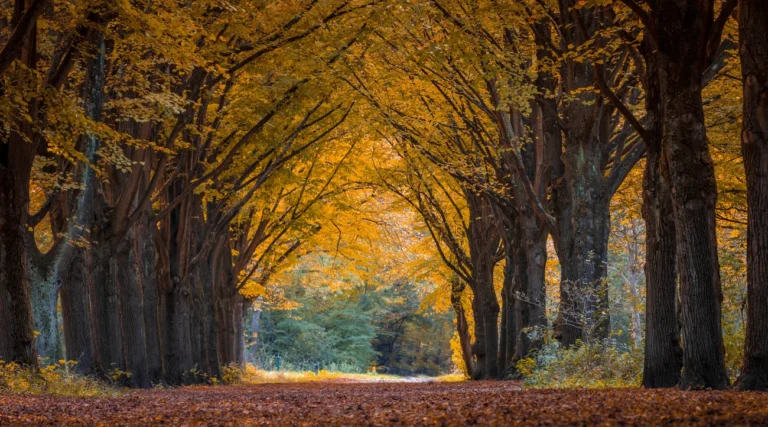
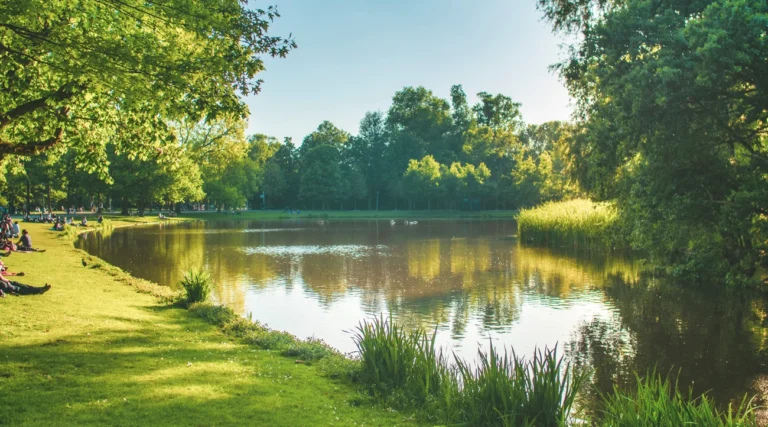
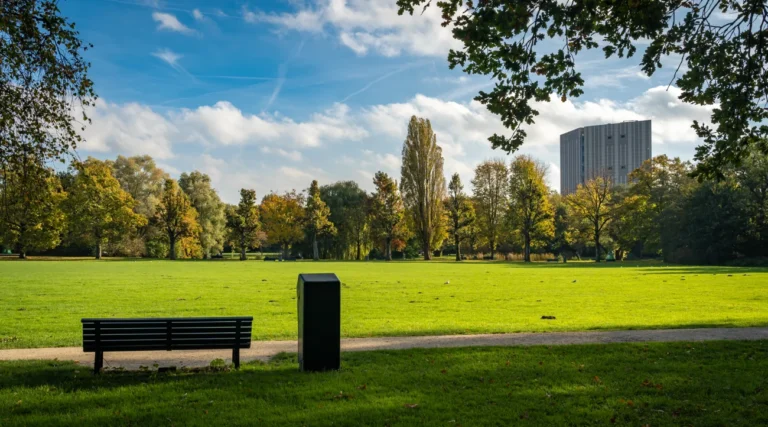
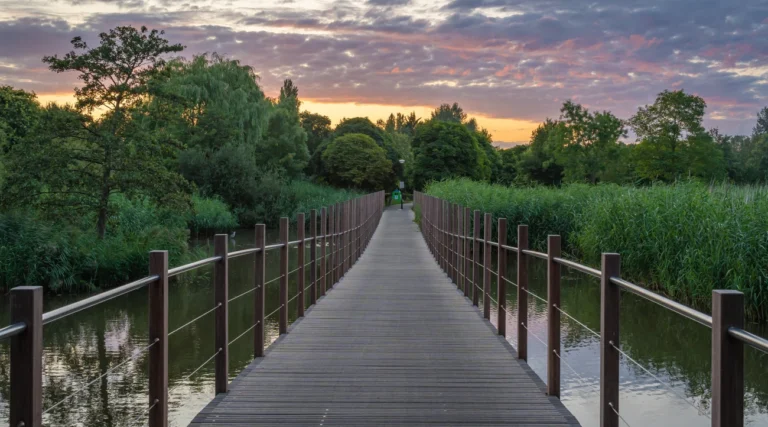
Amstelpark is a collection of garden landscapes shaped by the 1972 Floriade. Instead of one broad lawn, a walk can move between planting, garden rooms and spaces for a family pause. Leave time to explore on foot and choose the parts that suit the season.
Free public park access in Amsterdam Zuid.
A horticultural exhibition legacy in the landscape.
Separate family activities and exhibition spaces.
Closing time changes with sunset.
The perfect garden-and-family stop
Allow around 1–2 hours for a relaxed garden walk. Add separate time for a train ride, minigolf, play or an exhibition if available. A few chosen garden areas make a better short visit than rushing to cover everything.
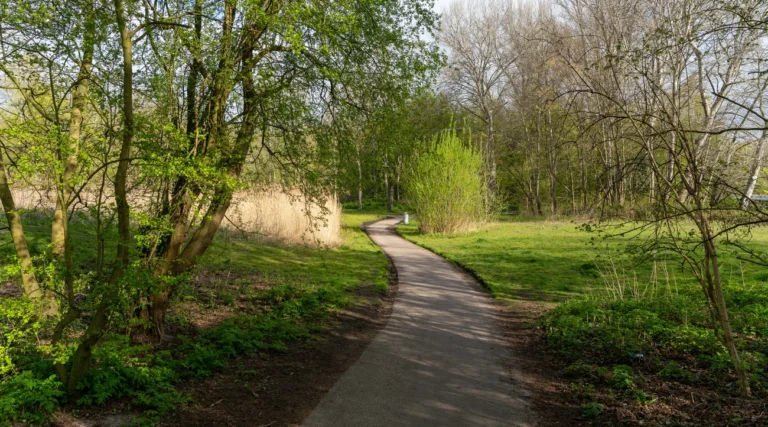
The municipality lists opening from 08:00 until half an hour before sunset. Check the day’s closing time and leave enough time to reach an exit. Flowering depends on the season: the colourful spring image is not a promise of the same display throughout the year.
What to see in Amstelpark
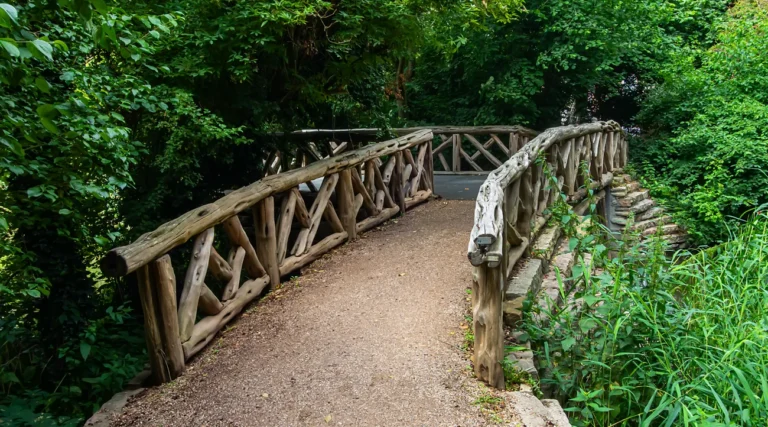
Look for contrasts in planting and layout as you move through the gardens. A flowering valley, a rose garden and a more sheltered path can feel like different destinations within the same outing. Indoor exhibitions and small attractions have their own availability.
Quick summary of an Amstelpark visit
Amstelpark works well as a slower outdoor visit. Choose a garden-focused walk or leave more time for a family activity, then build the route around that choice. The park’s gate hours and an individual operator’s hours are separate pieces of your plan.
Plan your own garden walk and optional activities
Explore the gardens independently; no paid general park tour was verified for this guide. The three suggestions below are ways to organise your own visit. Individual attractions such as the small train and minigolf are separately operated, with their own hours and charges.
Check an activity before making it the focus of the day, particularly outside the main season. A wider Amsterdam walking experience or a museum visit belongs to another part of the itinerary and does not include the park’s separately operated attractions.
Park access and individual attraction admission are separate.
Barbecues are not allowed; keep dogs on a lead.
The park is for pedestrians, with specific mobility-scooter access at two entrances.
Leave time to exit before the seasonal closing time.
Pick a few garden areas rather than rushing through the grounds.
Check attraction and exhibition hours separately.
Do not rely on every plant being in flower during your visit.
Keep children supervised near water and respect planted borders.
How to reach Amstelpark
Amstelpark lies between Europaboulevard and the Amstel. The main entrance is on Europaboulevard opposite A.J. Ernststraat. Choose that entrance or another open gate to match your route, and keep the park’s closing time in mind.
A living landscape after the 1972 Floriade
The landscape began as part of the 1972 Floriade, an international horticultural exhibition. When the event ended, much of the garden character remained. This is why a modern park walk can still feel like a sequence of different planted exhibits.
The exhibition grounds extended beyond today’s Amstelpark, including Beatrixpark and land later occupied by transport infrastructure. The surviving park is therefore a legacy of the event rather than a complete reconstruction of the original exhibition site.
Garden areas, exhibition spaces and recreation have continued to give the grounds several different roles. Follow the paths to read that variety in the landscape, while remembering that planting, operators and programmes change over time.
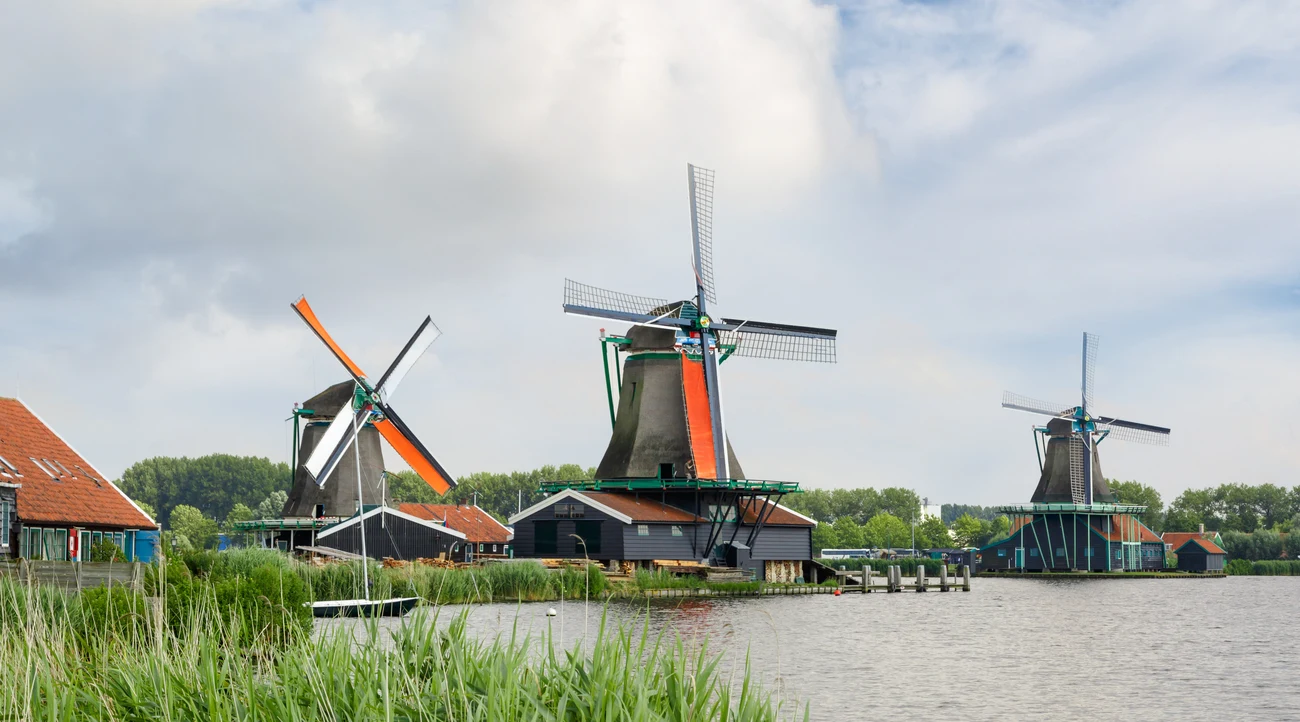
South of the park, the Riekermolen adds a separate layer of water-management history. The 1636 windmill originally stood in the Riekerpolder and was rebuilt by the Amstel in the twentieth century. It is viewed from outside because it is also a home. The water authority’s current restoration programme may affect views and access; it is not a guaranteed interior attraction.
Exhibition gardens and a relocated windmill
Amstelpark preserves a landscape legacy of the 1972 Floriade.
The original exhibition occupied a wider area than the present park.
The small Amsteltrein follows a route through several garden areas when operating.
The Riekermolen south of the park once stood in another polder.
The mill’s restoration is currently planned from autumn 2026 to spring 2028, subject to change.
Museum tickets and wider Amsterdam walking experiences
Find your stay near Amstelpark
Compare stays around Amstelpark and the RAI area using the map centred on the park. Check the exact walk to your chosen entrance and the transport connections needed for the rest of Amsterdam. A room near the park does not guarantee an open gate at your preferred evening return time.
Amstelpark visiting questions
More activities and experiences in Amsterdam