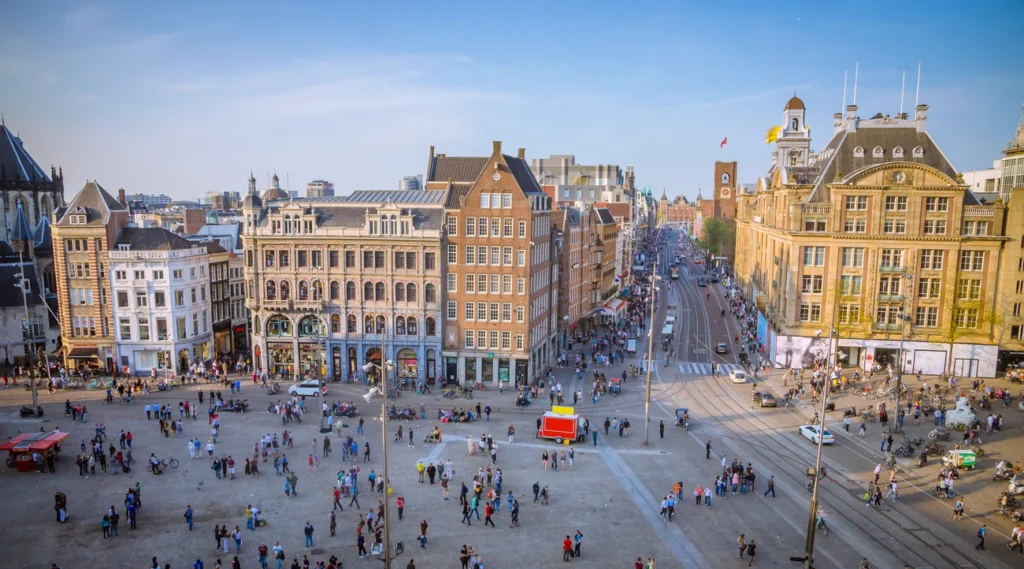
Nieuwmarkt is more than the square around De Waag. The surrounding neighbourhood connects Zeedijk’s Chinatown, Geldersekade, quieter streets towards the Boomssloot canals and the route south to Jodenbreestraat. It makes a useful old-centre walk when you want food, urban history and street life without treating every nearby attraction as part of one ticketed complex.
- Centre: De Waag and the market square provide the main orientation point.
- North: Zeedijk leads through Chinatown towards the Centraal side of the old city.
- East and south: add the smaller canal streets or continue towards Jodenbreestraat.
- Arrival: Nieuwmarkt metro station serves the area; metro 52 does not stop here.
Nieuwmarkt’s square, Chinatown and quieter eastern streets
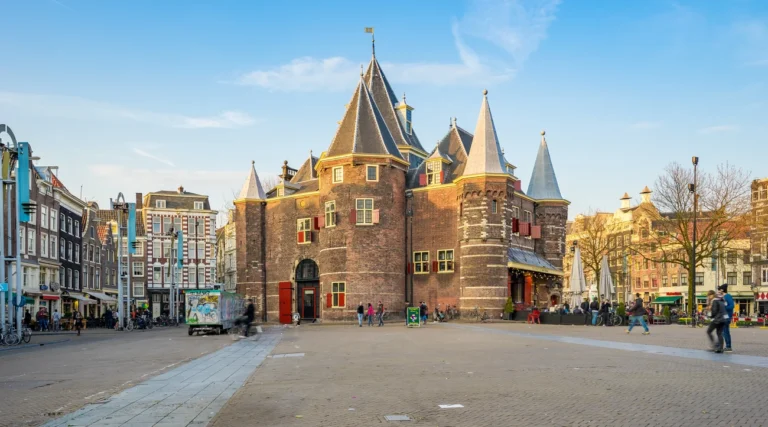
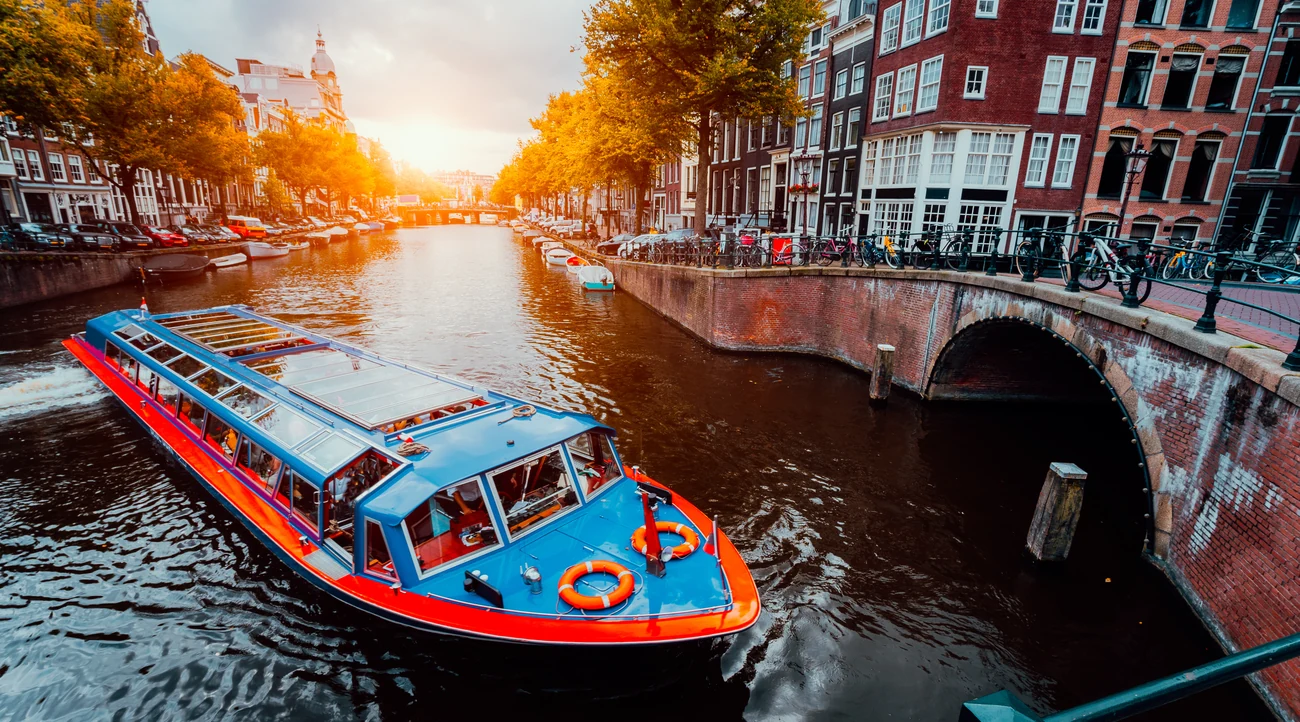
Start by locating De Waag, the distinctive former gate building in the square. Zeedijk runs north from the area, while Sint Antoniesbreestraat continues south towards Jodenbreestraat. Geldersekade provides a waterside reference on the northern side; the Boomssloot streets offer a different, more residential direction to the east.
For a short walk, combine the square with Zeedijk and one quieter canal section. For a longer visit, continue south towards the Rembrandt House area. These are suggested combinations: a restaurant reservation or museum entry may be a better anchor than trying to complete every direction in one loop.
- A clear square and landmark make orientation straightforward.
- Chinatown food streets and old-city waterways fit one walk.
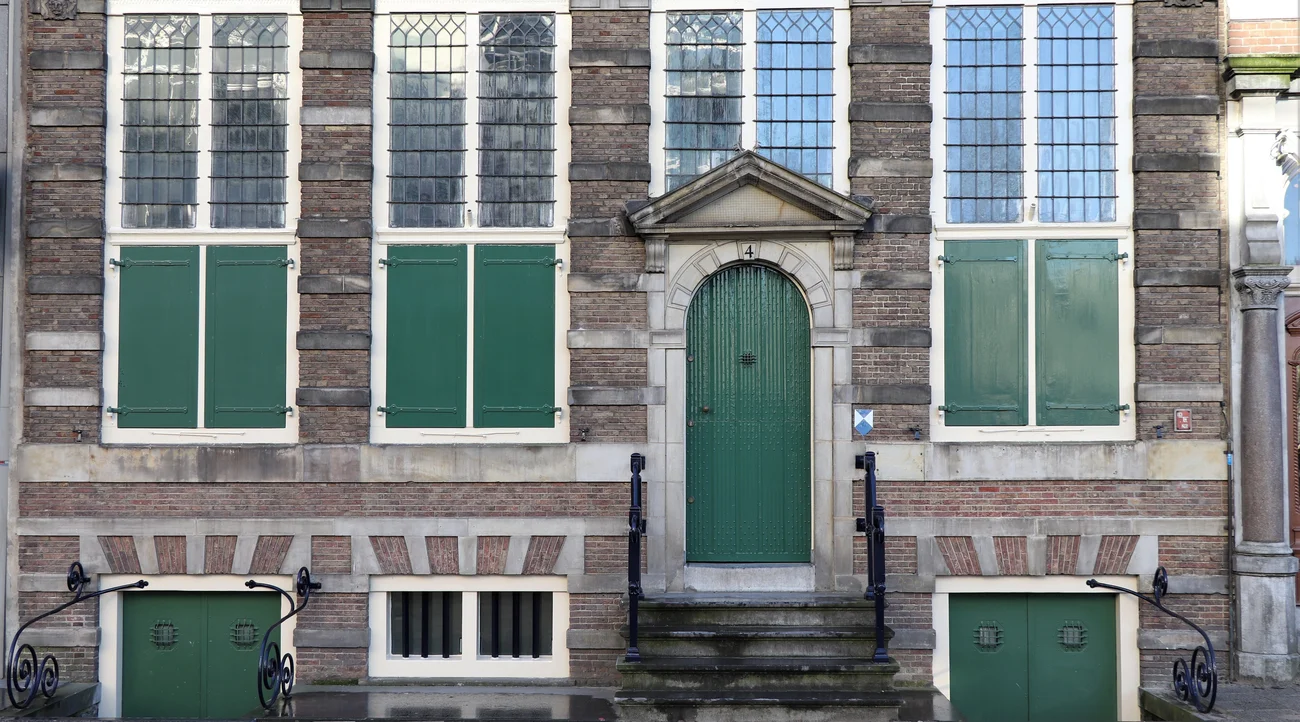
- Easy to combine with a separately booked Rembrandt House visit.
- The busiest streets have narrow pavements and heavy foot traffic.
- Nearby nightlife streets can feel different from the quieter eastern lanes.
- Market stalls and individual businesses follow their own schedules.
6 places to explore around Nieuwmarkt
The square is the starting point, not the whole neighbourhood. Choose a northbound Chinatown walk or a southbound cultural extension according to your interests.
A Nieuwmarkt walk with a clear direction and one food stop
For a compact introduction, explore the square, walk north along Zeedijk and return by the waterside streets that suit your next destination. For a cultural afternoon, start with the square and continue south towards a reserved Rembrandt House visit.
Leave time for a meal instead of trying to turn every nearby venue into a quick stop. A short walk plus one restaurant can be more satisfying than rushing between Chinatown, several museums and the waterfront. Check the actual kitchen and service rather than assuming that all businesses keep the same hours.
Activities near Nieuwmarkt
A walking tour can help explain the old centre, while Rembrandt House provides an independent interior visit farther south. Read the meeting point and inclusions carefully: a guided neighbourhood route is not admission to every building it passes.
- Do not assume De Waag operates as an unrestricted visitor museum.
- Do not photograph worshippers or enter a temple service without permission.
- Do not confuse the station with the separate metro 52 route.
- Use De Waag as the meeting point, then choose a northbound or southbound route.
- Step into a quieter canal street when the square feels crowded.
- Allow a proper meal stop if Chinatown is the main reason for coming.
Getting to Nieuwmarkt
Nieuwmarkt is easy to approach from the central station side or by metro, but the station exits and the area’s smaller streets make an exact destination useful.
From city gate and market to the Nieuwmarkt protests
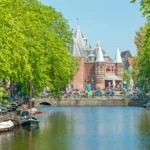
De Waag began as a late-medieval city gate, a reminder that this part of the old centre once marked a boundary. As Amsterdam expanded, the building took on weighing-house and guild functions. The square and nearby waterways developed as places of movement, trade and urban life.
The surrounding neighbourhood also carries the history of the eastern old city and the communities who lived and worked there. Its present-day food and visitor activity are only one layer of that much longer story.
In the twentieth century, metro construction and plans for major redevelopment threatened large parts of the neighbourhood. Opposition culminated in the Nieuwmarkt protests and violent confrontations of 1975. The dispute was about housing and the shape of the city as well as transport.
That history changes how the present streets can be read. Older fabric, rebuilt sections and the metro coexist within a small area. The neighbourhood is not a perfectly preserved stage set: it is a place shaped by loss, resistance, redevelopment and continuing residential life.
Details to notice around Nieuwmarkt
- A gate in a square: De Waag’s former defensive role helps explain why its appearance differs from the surrounding houses.
- Street signs: Chinese translations on Zeedijk reflect the neighbourhood’s Chinatown identity within the Dutch old centre.
- Transport history below street level: the metro is practical for visitors today, but its construction was also central to the neighbourhood’s twentieth-century conflict.
Tickets and experiences for this part of Amsterdam
Staying near Nieuwmarkt: choose the street as carefully as the district
Nieuwmarkt can suit a stay focused on the old centre and walkable food streets. Compare the exact street, room position and evening surroundings: a room above a busy venue and one on a quieter eastern lane can offer different experiences within the same neighbourhood.
Check building access, stairs and the walk from the station with luggage. The city-wide accommodation map below supports comparison across Amsterdam; confirm the property’s actual position rather than relying only on an area label.
Food around Nieuwmarkt: historic dining or a Zeedijk meal
Frequently asked questions about Nieuwmarkt
More Amsterdam activities to compare