































In short
De Pijp rewards a visit that goes beyond buying one snack at Albert Cuyp market. Around the stalls are Gerard Doustraat’s independent shops, the café streets near Frans Halsstraat and the green pause of Sarphatipark. It is a dense, lived-in district south of the canal belt, with a different scale from the monumental Museum Quarter nearby. Come for a neighbourhood walk and choose the food stops along the way.
- Anchor: Albert Cuypstraat for the market, with Sarphatipark just south of the busiest streets.
- Regular market: Monday–Saturday; the operator lists 09:30–17:00, checked October 2026.
- Sunday: plan a park, café and side-street visit; the regular market is closed.
- Arrival: De Pijp station on metro 52 is a useful starting point.
☰ Table of contents
De Pijp beyond Albert Cuypstraat: choosing a starting point
For a first visit, use De Pijp metro station, Albert Cuypstraat and Sarphatipark as three reference points. Ferdinand Bolstraat gives you a north–south axis; Van Woustraat serves the eastern side. The market is one street through the district, not its full extent.
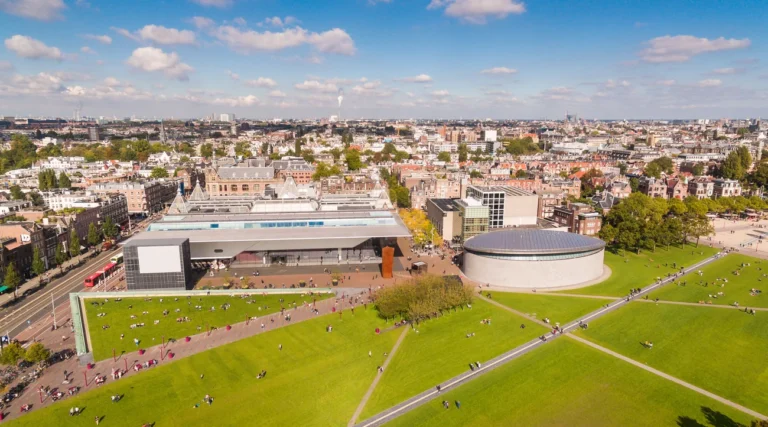
A practical loop follows part of the market, turns into Gerard Doustraat, then continues towards the park. You can finish with a café near the park or head north towards Stadhouderskade. If your next booking is at a museum, leave time for the walk out of the neighbourhood instead of treating Museumplein as the next block.
Good to know
- A strong combination of street food, independent shops and everyday city life.
- Metro 52 provides a clear arrival point for a first visit.
- The park makes it easy to break up a market-and-shopping walk.
Keep in mind
- Saturday market crowds can slow the narrow shopping streets.
- Brunch queues may take more time than the walk itself.
- A Sunday visit has a different rhythm because the regular market is closed.
6 places to explore in De Pijp, from the market to the park
Use these as anchors for a walk rather than six consecutive ticketed visits. The former brewery and a film screening need separate booking decisions; the streets and park do not.
Albert Cuyp market Start here
Browse a section of Albert Cuypstraat for food, produce and everyday shopping. The regular market runs Monday–Saturday. Individual traders have their own patterns, so a particular stall is not guaranteed whenever the market is open.
Sarphatipark
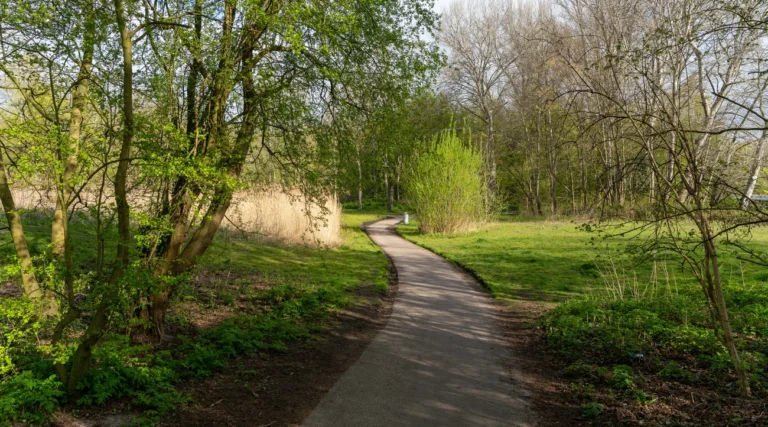
The park offers a green break near the busy market streets. Choose it for a pause or a short loop rather than adding another queue; its paths make a useful contrast with the shopping pavements.
Gerard Doustraat
Look beyond the market for small shops, food counters and neighbourhood businesses. Browse the streets on their own terms instead of treating every shop as a stop that needs a purchase.
Frans Halsstraat and surrounding lanes
The north-western side streets suit a café-led approach. They are useful when you want a quieter alternative to covering the full market, especially if lunch is the main purpose of your visit.
Heineken Experience
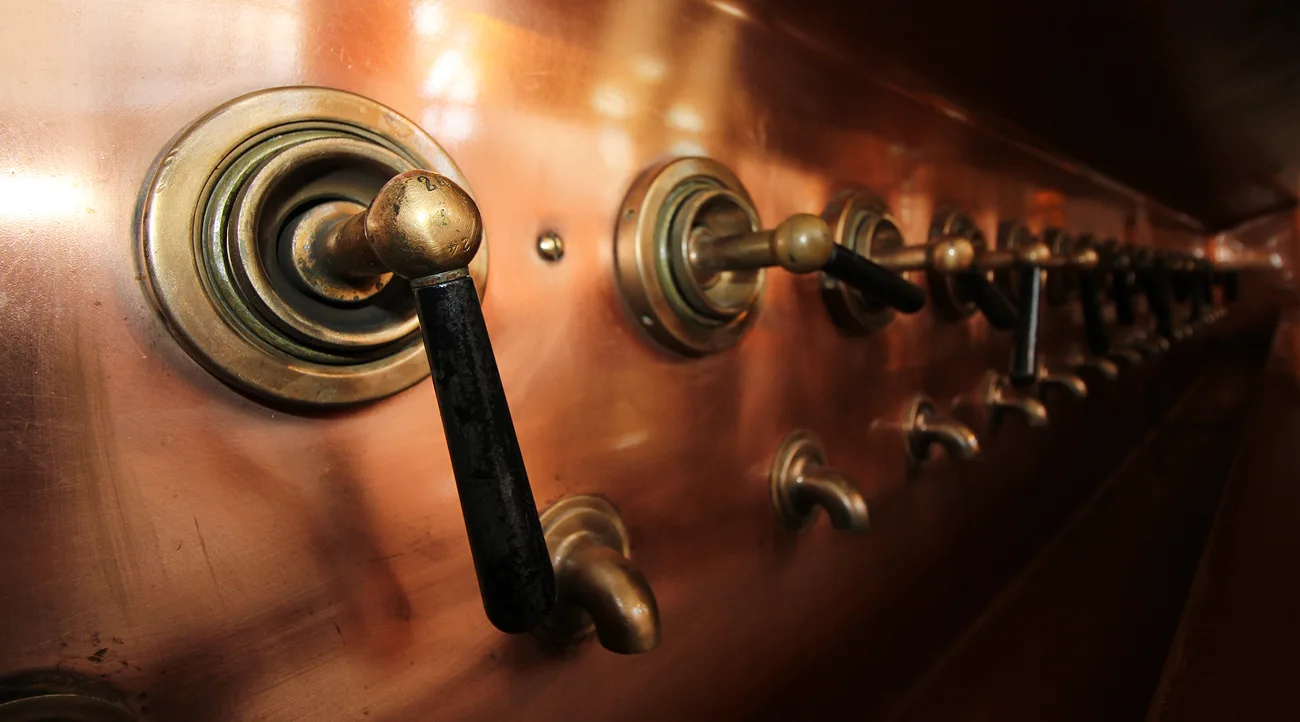
The former brewery stands at the northern edge on Stadhouderskade. A neighbourhood walk does not include admission, and the visitor attraction should be planned as its own activity.
Ceintuurbaan and Rialto
Ceintuurbaan takes you into a different part of the neighbourhood, with the Rialto filmhouse as a possible evening anchor. Check the individual screening language and subtitles before choosing a film.
A market morning in De Pijp, or a Sunday without the stalls
On a market day, arrive with enough time to browse before choosing lunch. Keep the food plan flexible: one snack can be a first stop, not a commitment to several full meals. Continue into Gerard Doustraat and take a park break before leaving the neighbourhood.
On Sunday, reverse the emphasis. Begin with a café that actually opens when you need it, walk around Sarphatipark and explore the side streets. A reserved Heineken Experience visit can provide another anchor, but it is not necessary to make the neighbourhood worthwhile.
Best moment
A market morning or a café-and-park afternoon
Crowd
Busy at the market and popular brunch venues
Kid friendly
Park breaks help a family visit
Unmissable
Albert Cuypstraat and Sarphatipark
Visit style
Food browsing, shops and a short walk
What to expect
Sunday differs from the regular market days
Activities near De Pijp
Choose a workshop or guided food activity for its own venue and inclusions. Buying a stroopwafel at a market stall is different from attending a class, and a general Amsterdam food tour does not necessarily visit De Pijp.

Amsterdam: Traditional Dutch Stroopwafel Making Workshop

Heineken Experience: Entry Ticket
Avoid these mistakes
- Do not plan the regular Albert Cuyp market for Sunday.
- Do not assume a market trader runs a workshop with a similar product name.
- Do not spend a museum-entry buffer waiting in a brunch queue.
Quick advice
- Combine the market with Gerard Doustraat instead of only walking the busiest strip.
- Use Sarphatipark for a pause between food and shopping.
- Choose the actual café branch and its service time before arranging a meal.
Getting to De Pijp
Metro 52 makes De Pijp straightforward to reach, but the best exit and walking direction depend on which part of the district you want first.
Use De Pijp station for Albert Cuypstraat and the surrounding streets. The line also serves Centraal, Rokin and Vijzelgracht. Check current service information and choose the exit for your first destination rather than relying on a generic neighbourhood pin.
Approach from Stadhouderskade for the northern streets and the former brewery, or use the route that suits your starting canal. Cross tram and cycle lanes carefully; a short map distance still involves busy junctions.
Use the current GVB planner for Van Woustraat, Ceintuurbaan or the actual venue address. For Museumplein, compare walking with the available service rather than assuming every stop called De Pijp is equally close to the museums.
Sarphatipark, Amsterdam
Getting around Amsterdam
From nineteenth-century workers’ housing to a varied urban neighbourhood
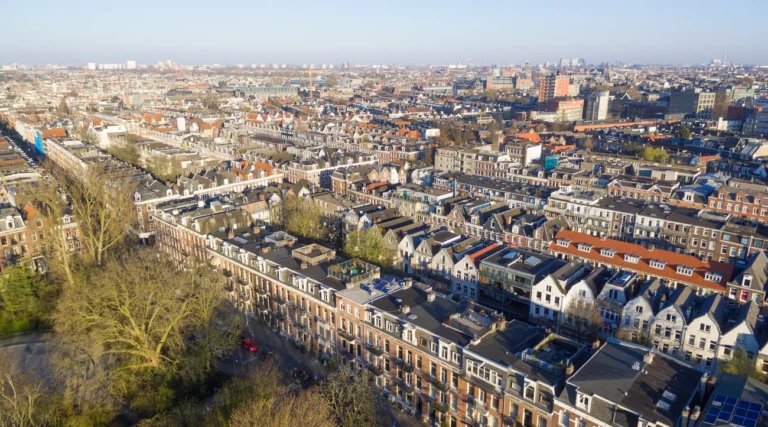
De Pijp grew rapidly outside the older canal belt during Amsterdam’s nineteenth-century expansion. Housing for workers occupied a much denser and less formal street pattern than the prestigious canals farther north. The former Heineken brewery on Stadhouderskade helps explain how industry and residential life developed together.
The district’s character has also been shaped by successive communities and small businesses. Food shops and restaurants are therefore part of its history of everyday city life, rather than a decorative addition to a market itinerary.
Read allShow less
Read allShow less
Later changes brought artists, students and new residents, followed by rising property values and a growing café and restaurant scene. It is easy to see only the fashionable side during a short visit, but the neighbourhood still contains homes, schools and ordinary local shopping.
Farther south, the Nieuwe Pijp and Diamantbuurt add another architectural layer, including Amsterdam School housing. If that is your main interest, allow a separate extension beyond the market loop instead of squeezing it into the same short food stop.
What the streets reveal about De Pijp
- Painter names: Albert Cuyp, Ferdinand Bol, Gerard Dou and Frans Hals appear in the street names. They are useful navigation references as well as a reminder of the naming theme.
- Market and neighbourhood: a closed market changes Albert Cuypstraat, but the surrounding café streets and park remain part of a valid visit.
- Two scales: the familiar northern market streets and the housing areas farther south give different views of De Pijp. Decide whether you want a short loop or a longer architectural walk.
Tickets and experiences for this part of Amsterdam
Staying in De Pijp: food streets and a metro connection
De Pijp suits a stay centred on cafés, restaurants and a clear metro connection. Compare the exact street and room position: accommodation above or beside a busy venue may feel different from a quieter residential address.
Check stairs, lift access and the walk from the station before booking. If most of your plans involve the western canals or Noord, compare those journeys too. The city-wide Amsterdam map below helps compare locations; it does not imply that every result is in De Pijp.
Where to pause for food in De Pijp
Spang Makandra
Neighbourhood restaurant on Gerard Doustraat, serving saoto soup, roti, filled rolls and mixed rice or noodle plates.
Little Collins
Neighbourhood café near Sarphatipark, with changing brunch dishes, baking and locally roasted coffee.
Frequently asked questions about De Pijp
Is Albert Cuyp market open on Sunday?
The regular market is closed on Sunday. Choose a café, restaurant, park walk or separately booked attraction instead.
What are the market’s regular hours?
The market operator lists Monday–Saturday 09:30–17:00, checked in October 2026. Individual traders may keep shorter hours or trade on fewer days.
Is De Pijp only a food destination?
No. The side streets, independent shops, Sarphatipark and the neighbourhood’s housing and cultural history give reasons to explore beyond the stalls.
Which metro station should I use?
De Pijp on line 52 is the most obvious starting point for the market and surrounding streets. Check the exit and final walking route for your actual destination.
Can I combine De Pijp with Museumplein?
Yes, but they are distinct areas. Leave walking or transport time between a market meal and a timed museum entry, especially if your meal involves a queue.
Does the neighbourhood walk include Heineken Experience?
No. The former brewery is a separate visitor attraction with its own admission and booking conditions. Walking around De Pijp does not require that booking.