Explore all cities

Plaça de la Virreina: serene village heart and parish charm

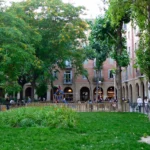
Experience peaceful cafe terraces beneath shady trees framed by the historic church of Gràcia

In short

Sheltered within the quiet interior grid of Vila de Gràcia, this charming open space captures the romantic, small-town atmosphere of the former village. Dominated by the stone parish church of Sant Joan and shaded by leafy trees, the pedestrian plaza draws neighbors together across inviting bakery terraces, artisan craft markets, and communal open steps away from traffic noise.

  • Quintessential village-style square of the historic Gràcia district
  • Anchored by the 19th-century parish church of Sant Joan
  • Atmospheric outdoor cafe terraces nestled beneath leafy tree canopies
  • Bronze sculpture of Ruth by celebrated artist Josep Maria Camps
  • Popular neighborhood venue for traditional swing dancing and weekend markets

☰ Table of content

The perfect stop

Idyllic calm and dappled tree shadows offer a slow-paced respite among bohemian neighborhood alleyways.

  • Recommended stop time 45'

    Provides the ideal window to order a morning coffee, watch neighborhood life, and admire the church facade.

  • Local customs

    Residents sip cafe con leche while reading the morning news, families chat on church steps while toddlers play, and dancers practice lindy hop on Sundays.

What to see in Plaça de la Virreina

Graceful parish architecture, bronze public statuary, and quiet shaded terraces lend this square its distinct charm.

1

Església de Sant Joan

A stately stone parish church rebuilt in 1884 featuring classic Romanesque revival portal details.

2

Sculpture of Ruth Great

A delicate bronze fountain statue created by Josep Maria Camps Arnau honoring biblical harvest figure Ruth.

3

Shaded terrace cafes

Outdoor dining tables positioned beneath leafy branches serving organic breakfasts, homemade pastries, and fresh juices.

4

Historic parish steps

Elevated stone church stairs providing an open social viewing terrace across the pedestrian square.

5

Nineteenth-century residential facades

Preserved modest village-style townhouses showcasing traditional wrought-iron railings, green wooden shutters, and low cornices.

Quick summary of Plaça de la Virreina

Let’s craft a relaxing detour through upper Gràcia thanks to these hints.

Explore the squares of Barcelona

Enjoy unrestricted access to this pedestrian plaza directly through connecting historic streets at any time.

Powered by GetYourGuide

Good to know

  • Terrace tables fill up quickly during weekend mornings.
  • Church bells ring clearly on the quarter hour.
  • Street bicycles and scooters occasionally cross along margins.
  • The church remains closed during midday afternoon hours.

Practical tips

  • Pick up a fresh croissant from nearby bakeries.
  • Catch spontaneous open-air swing dancing on sunny Sundays.
  • Browse independent cinema posters at neighboring Cine Verdi.
  • Sit near the bronze fountain for cooling sounds.

How to reach Plaça de la Virreina

Convenient transit connections make finding this quiet historic square simple from central avenues.

Metro

Line L3 (Green) to Fontana station or Line L4 (Yellow) to Joanic, followed by an easy six-minute walk through pedestrian lanes.

Bus

Lines 39, 114, and V17 stop along Carrer d'Escorial or Carrer de Pi i Margall, five minutes away.

Walking

A delightful five-minute stroll north from Plaça del Sol cutting through Carrer de Maspons and Carrer de Torrijos.

Plaça de la Virreina, Gràcia, 08012

History of Plaça de la Virreina

The history and naming of Plaça de la Virreina trace back to the late 18th century, when Manuel d’Amat i de Junyent, the wealthy Viceroy of Peru, returned to Barcelona and constructed an opulent suburban estate on the rural outskirts of Gràcia. Following his death in 1782, his young widow, Maria Francesca de Fiveller i de Bru, known affectionately by the townspeople as “La Virreina” (the Vicereine), took up permanent residence at the palace.

The sprawling estate grounds encompassed extensive agricultural plots, manicured gardens, and wooded paths until the mid-19th century, when urbanization pressures began reshaping the autonomous village of Gràcia.

In 1878, the heirs of the estate subdivided the land to accommodate the growing population of working-class laborers and craftsmen migrating to the district’s textile mills. The urbanization plan laid out a central public square on the former grounds of the palace, preserving the title of the Vicereine in its official dedication. 

Architect Josep Artigas designed the parish church of Sant Joan Baptista, which was consecrated in 1884 to replace an older parish chapel that had burned down during political clashes.

The square witnessed intense civic friction during the Tragic Week of 1909, when anti-clerical uprisings targeted religious buildings throughout Barcelona, leading to the sacking and partial burning of Sant Joan. The church was painstakingly rebuilt and restored by architect Francesc Folguera in the 1910s. 

Over the subsequent decades, while surrounding boulevards mechanized and modernized, Plaça de la Virreina fiercely retained its pedestrian identity and village character, standing today as one of the most picturesque, socially warm, and architecturally unified civic spaces in the city.

Curiosities about Plaça de la Virreina

  • The square stands on the former private gardens of the Viceroy of Peru’s widow.
  • Its central bronze statue of Ruth was funded through donations by local parish neighbors.
  • The church was set ablaze and rebuilt following the dramatic Tragic Week of 1909.
  • Acclaimed local author Mercè Rodoreda set famous scenes of her novels in Gràcia.
  • Cine Verdi, Barcelona’s iconic original-version indie theater, sits just down the connecting street.

Tickets and tours in Barcelona

Find your stay near Plaça de la Virreina

Incredible boutique lodgings throughout Gràcia place visitors within steps of authentic neighborhood life.

Frequently Asked Questions - FAQ

Why is the square called Plaça de la Virreina?

It was named after the widow of the Viceroy of Peru, who lived in a grand palace on this site.

The church is open primarily for daily worship and mass, welcoming respectful visitors before and after scheduled services.

Yes, the square is fully pedestrianized and free from motor traffic, making it one of Gràcia’s safest family hubs.

Yes, several artisanal bakeries and cafes with outdoor tables line the square, offering coffee, pastries, and brunch dishes. One of them is also in our exclusive list of the best breakfast in Barcelona.

Local dance associations regularly host free, spontaneous open-air swing and lindy hop gatherings on Sunday midday sessions.

Yes, the square surface is flat and paved with smooth flagstones, offering straightforward access throughout the perimeter.

The legendary Cine Verdi indie cinema and lively Plaça del Sol both sit within a three-minute walking radius.

Consuming alcoholic drinks is permitted only while seated at authorized restaurant terraces, with municipal fines for outdoor loitering.

More activities and experiences in Barcelona

You might also be interested in...

The journey continues…

El Raval and La Rambla Landscape
Barcelona public beach la barceloneta
Sagrada Familia reflected in a Hop on Hop off bus window
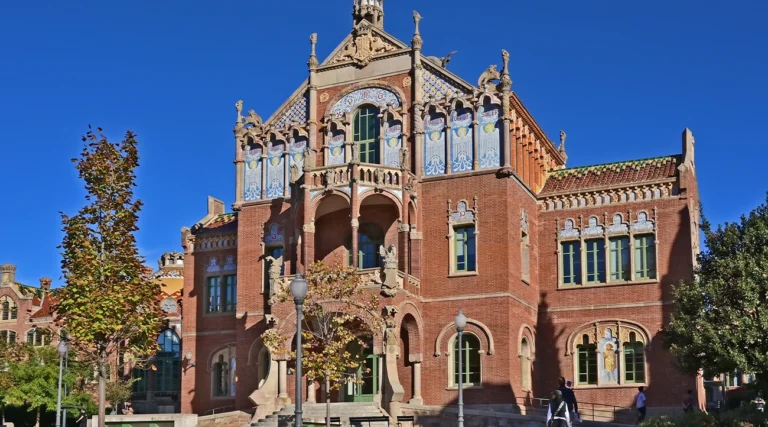
A pavilion of the Recinte Modernista de Sant Pau
Walking in Barcelona
Camp Nou and neighborhood aerial view

Must-Do Activities & Tours

Share:
Prev
Plaça del Rei: monumental stage of medieval Catalan royalty
Next
Plaça del Sol: social heart and bohemian spirit of Gràcia

Explore all cities