





























In short
See the city’s contrasting façades from public streets without buying interior admission.
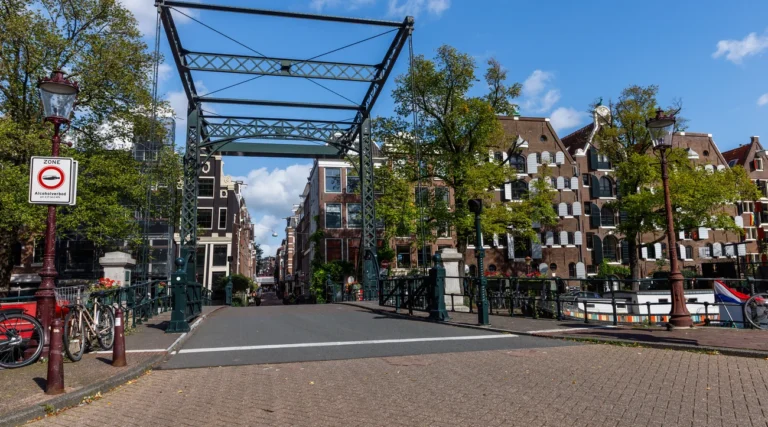
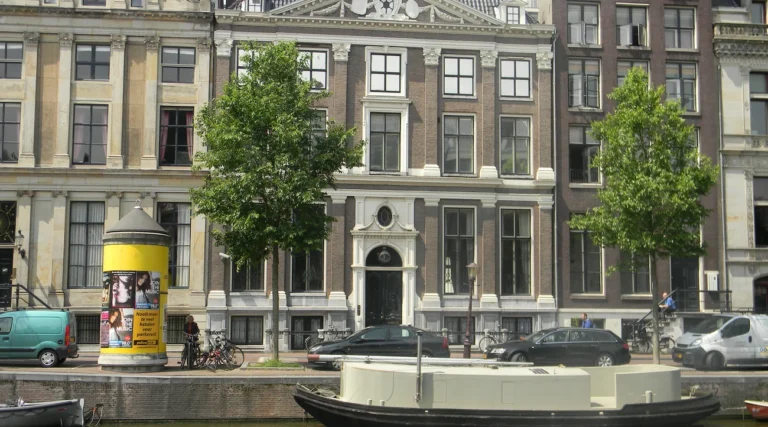
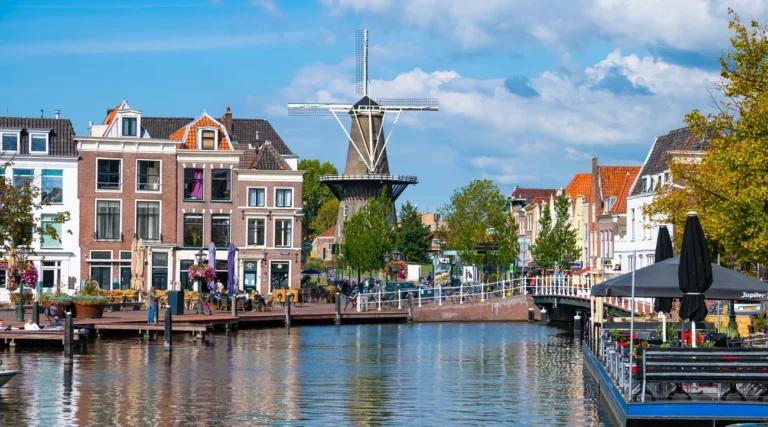
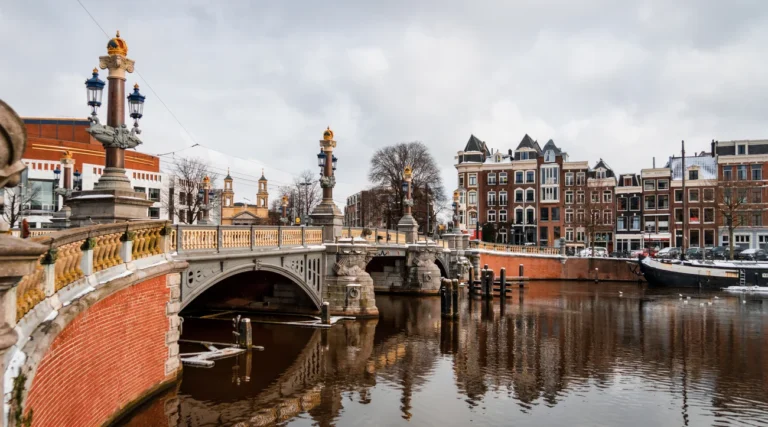
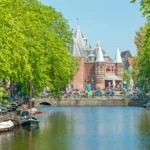
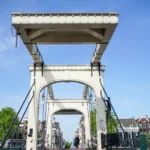
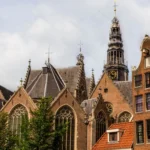
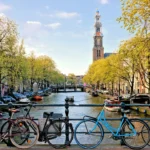
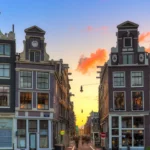
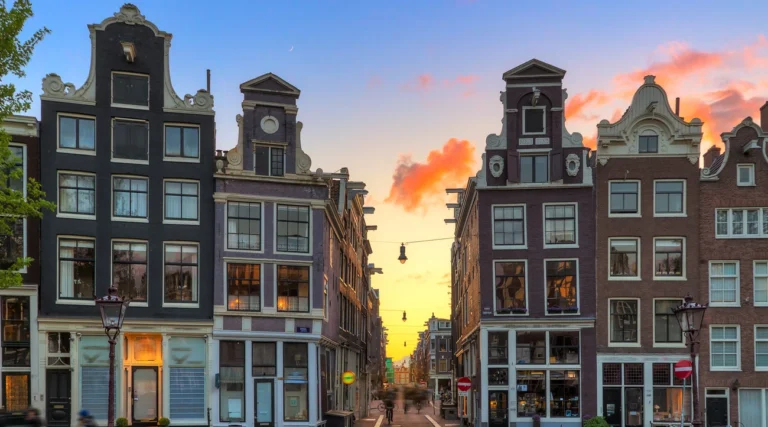
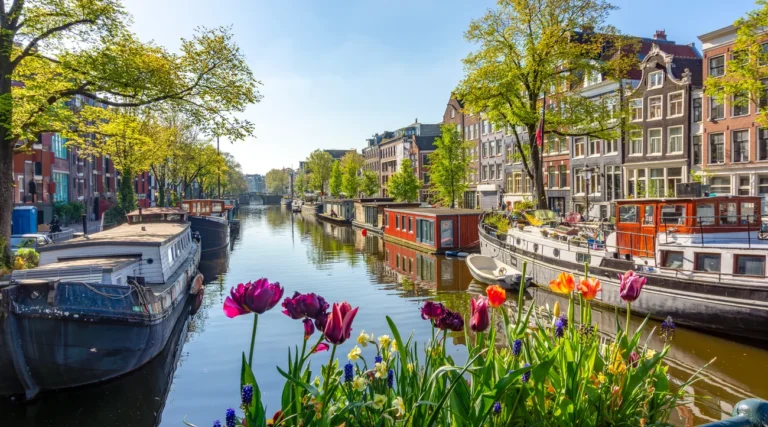
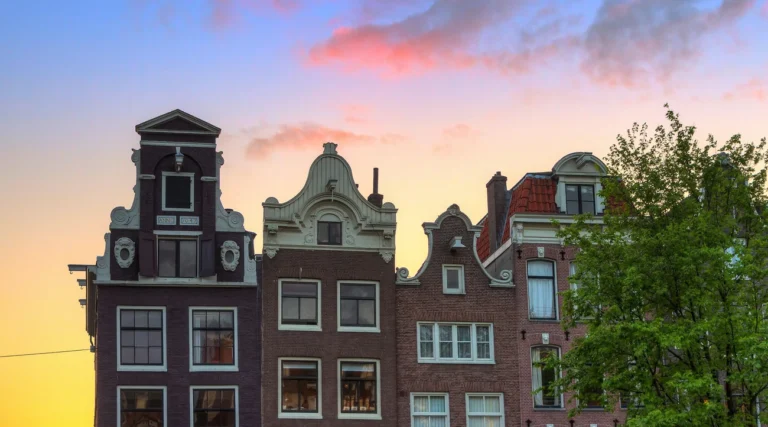
- Traditional façades: The canal belt offers gables, narrow plots and bridges within a walkable setting.
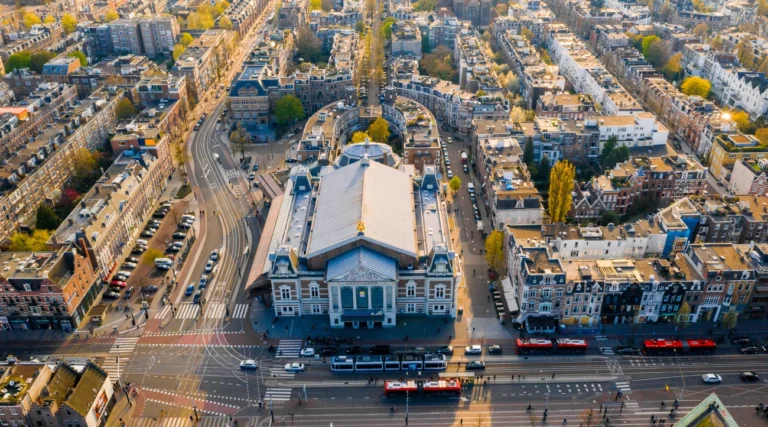
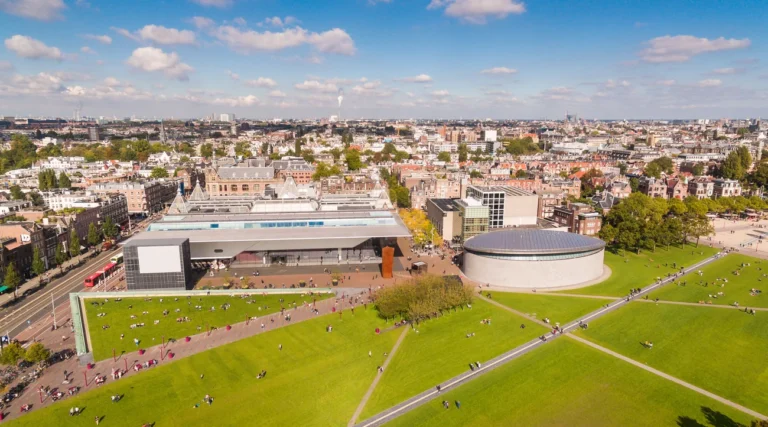
- Monumental buildings: Pair the exterior of the Rijksmuseum with the surrounding Museum Quarter.
- Expressive brickwork: Explore public streets around Spaarndammerplantsoen and Het Schip.
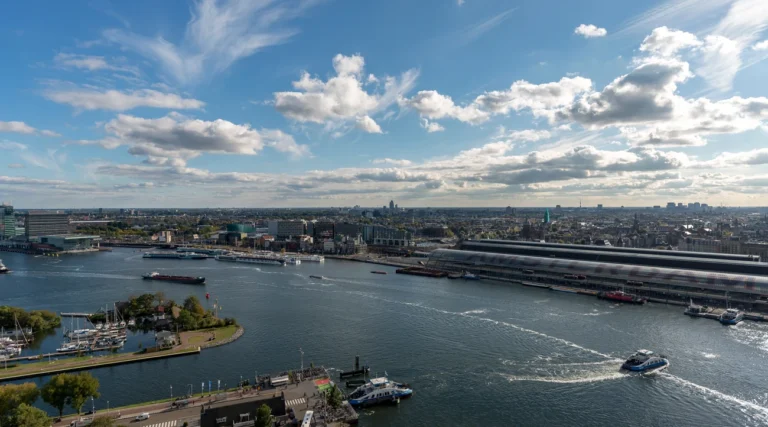
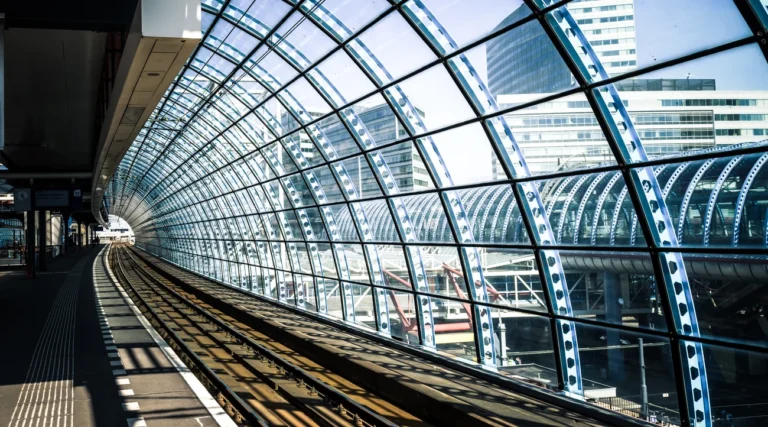
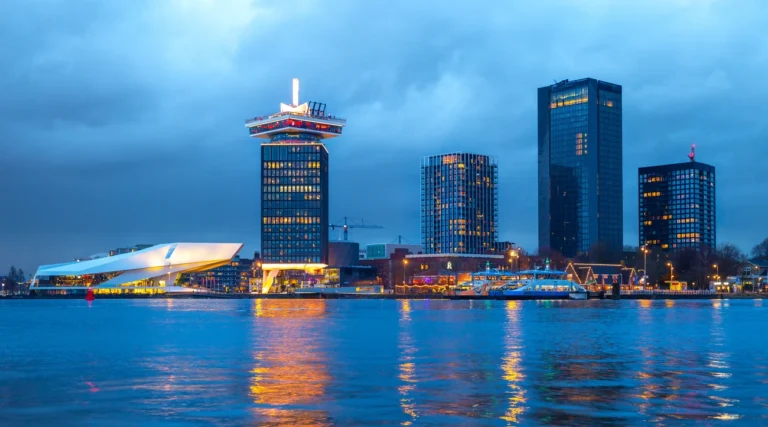
- Contemporary waterfront: Combine Centraal’s river side with a ferry crossing to Eye’s exterior.
☰ Table of content
Choose the right architecture route
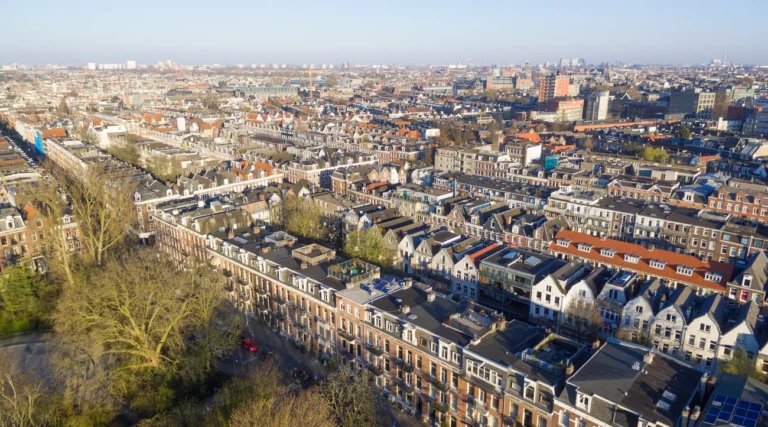
Amsterdam’s architecture changes dramatically between the canal belt, nineteenth-century museum buildings and the modern IJ waterfront. A good free architecture outing selects one cluster and looks closely at materials, scale and the relationship with water. Museum interiors, guided building tours and observation decks remain separate activities.
Traditional façades
The canal belt offers gables, narrow plots and bridges within a walkable setting.
Monumental buildings
Pair the exterior of the Rijksmuseum with the surrounding Museum Quarter.
Expressive brickwork
Explore public streets around Spaarndammerplantsoen and Het Schip.
Contemporary waterfront
Combine Centraal’s river side with a ferry crossing to Eye’s exterior.
Quick advice
Pick the canal belt or the IJ for one walk. Adding Het Schip and Museumplein creates a much longer trip than the map first suggests.
Six architectural exteriors to explore
Choose the places that fit your route; admission to the public space does not include separately ticketed attractions or optional purchases.
Herengracht and Keizersgracht
Compare entrance steps, stone details and changing gable shapes along the public pavement. Private houses remain private even when a doorway is open.
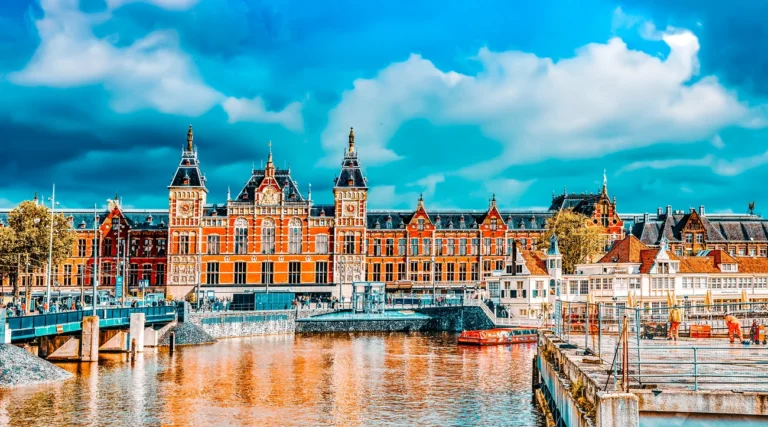
Amsterdam Centraal exterior
Look at the station’s ornate city-facing front and contrast it with the working transport hub behind. Keep circulation routes clear.
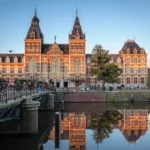
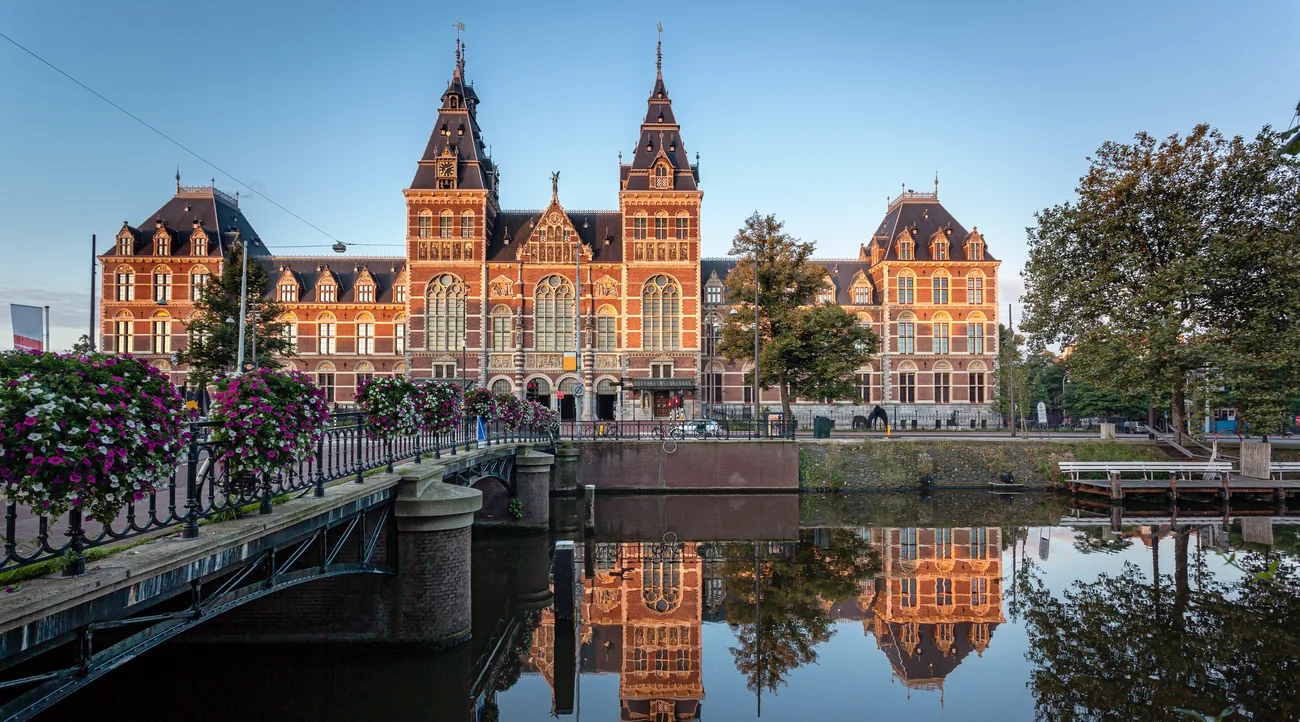
Rijksmuseum exterior
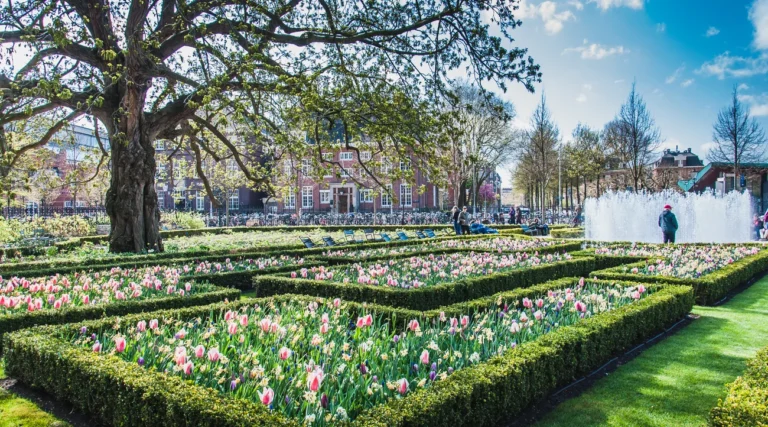
View the museum’s monumental brick and stone architecture from the surrounding public space. Interior galleries require museum access.
Het Schip surroundings
Walk the streets around the distinctive Amsterdam School housing block. The museum and guided visits have their own ticket conditions.
Eye Filmmuseum exterior
Cross the IJ by public ferry to see the white, angular building from the promenade. You do not need an exhibition ticket to enjoy the exterior view.
NEMO exterior
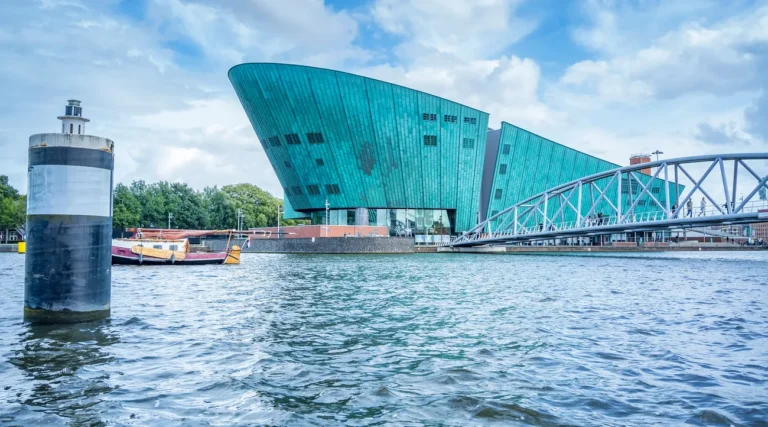
Observe the green, ship-like building from Oosterdok and combine it with the public rooftop when open. Indoor exhibitions remain a paid visit.
Free access: what is included and where to go
Use this quick comparison to distinguish the free visit from a paid addition before planning your day.
| Place or activity | Location | Access distinction |
|---|---|---|
| Herengracht and Keizersgracht | Canal belt | Public street view |
| Amsterdam Centraal exterior | Stationsplein | Station exterior; trains require travel entitlement |
| Rijksmuseum exterior | Museumplein | Exterior; galleries require admission |
| Het Schip surroundings | Spaarndammerbuurt | Public streets; museum and tours separate |
| Eye Filmmuseum exterior | IJpromenade | Public promenade; exhibitions separate |
| NEMO exterior | Oosterdok | Exterior; roof in opening hours |
A compact architecture walk around Centraal and the IJ
Begin with Centraal’s city-facing façade, walk through the public station routes towards the river and take the ferry to Buiksloterweg. From the opposite bank, compare the station skyline with Eye’s angular exterior. Return to Centraal and add Oosterdok only if time and energy permit. This contrast between historic brickwork and modern waterfront forms is enough for one outing.
Public space, private homes and building access
Street views are free, but that says nothing about admission to interiors. Keep photography to public space, avoid photographing into homes and respect building access signs. At Het Schip, treat residential entrances as homes rather than museum entrances. Overcast weather can work well for looking at brickwork, while strong wind makes the exposed IJ less comfortable.
What to know
- Exterior viewing requires no attraction pass.
- The IJ ferry adds a different perspective.
- Architecture clusters can be visited separately.
- Museum gardens and galleries have different access.
Keep in mind
- Do not enter residential doorways.
- Tours are not included in street access.
- Allow time between distant districts.
- Avoid blocking station passenger flows.
Optional paid visits and guided experiences
5 practical ways to keep this outing low cost
Keep the free part of your day clear and choose any extra spending deliberately.
Choose a theme
Gables, brickwork or waterfront forms give a walk a clearer focus.
Look from across the street
A wider viewpoint helps reveal proportions without standing in an entrance.
Use the free ferry
It connects the central waterfront with Eye’s exterior.
Keep interiors optional
A street-view route works without museum tickets.
Finish within one district
Save another architectural cluster for a different day.
FAQ - Frequently asked questions
Is this Amsterdam outing completely free?
Amsterdam’s architecture changes dramatically between the canal belt, nineteenth-century museum buildings and the modern IJ waterfront. A good free architecture outing selects one cluster and looks closely at materials, scale and the relationship with water. Museum interiors, guided building tours and observation decks remain separate activities.
What should I check before visiting?
Pick the canal belt or the IJ for one walk. Adding Het Schip and Museumplein creates a much longer trip than the map first suggests.
Can I combine the stops in one outing?
Begin with Centraal’s city-facing façade, walk through the public station routes towards the river and take the ferry to Buiksloterweg. From the opposite bank, compare the station skyline with Eye’s angular exterior. Return to Centraal and add Oosterdok only if time and energy permit. This contrast between historic brickwork and modern waterfront forms is enough for one outing.
What costs are separate from free access?
Street views are free, but that says nothing about admission to interiors. Keep photography to public space, avoid photographing into homes and respect building access signs. At Het Schip, treat residential entrances as homes rather than museum entrances. Overcast weather can work well for looking at brickwork, while strong wind makes the exposed IJ less comfortable.