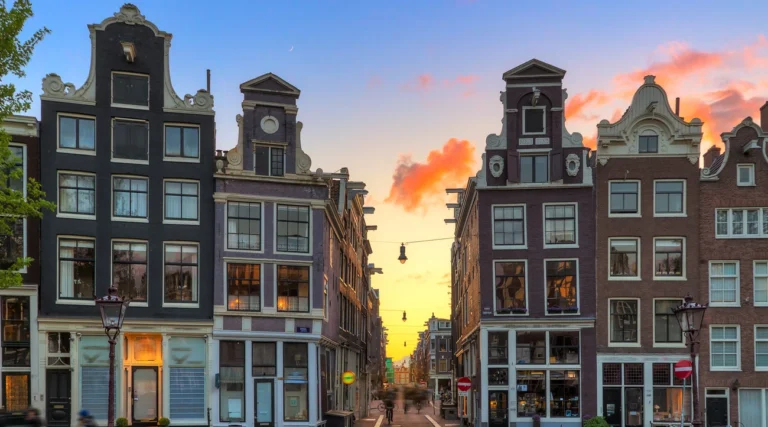
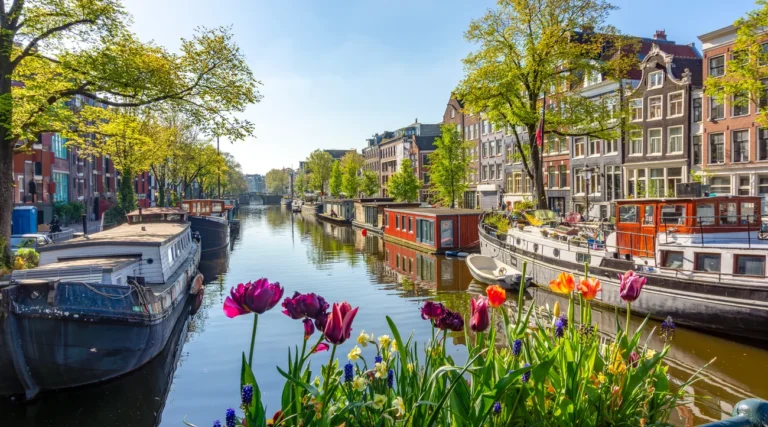
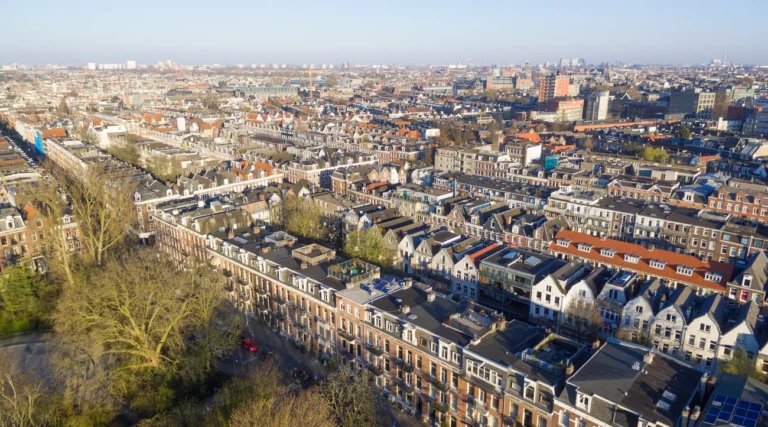
The Nine Streets, or De 9 Straatjes, are a small area within Amsterdam’s western canal belt. Three rows of short streets cross between Singel and Prinsengracht, linking shops, cafés and historic canal-house façades. It is a useful neighbourhood for an unhurried shopping walk, but the streets also connect you with small museums and the wider history of the canal ring.
- Location: between Singel and Prinsengracht, with Raadhuisstraat to the north and Leidsegracht to the south.
- Layout: three rows of three short shopping streets, crossed by the main canals.
- Time: a short loop is easy; museums, shops and a meal can fill half a day.
- Distinction: this is part of the canal belt, separate from the Jordaan across Prinsengracht.
How the Nine Streets fit together between Singel and Prinsengracht
The neighbourhood becomes easier to navigate when you think in three cross-canal rows, rather than hunting for one street called Nine Streets. Each row changes name as it passes between the canals. Canal corners are good orientation points and a chance to step out of the shopping flow.
For a simple loop, enter from the Singel side, cross towards Prinsengracht along one row, then return by another. Add the third row if you want more browsing. You do not need to cover every shop to understand the area, and the canal sections are as much a part of the visit as the nine named streets.
- A compact shopping area with canal architecture between the shops.
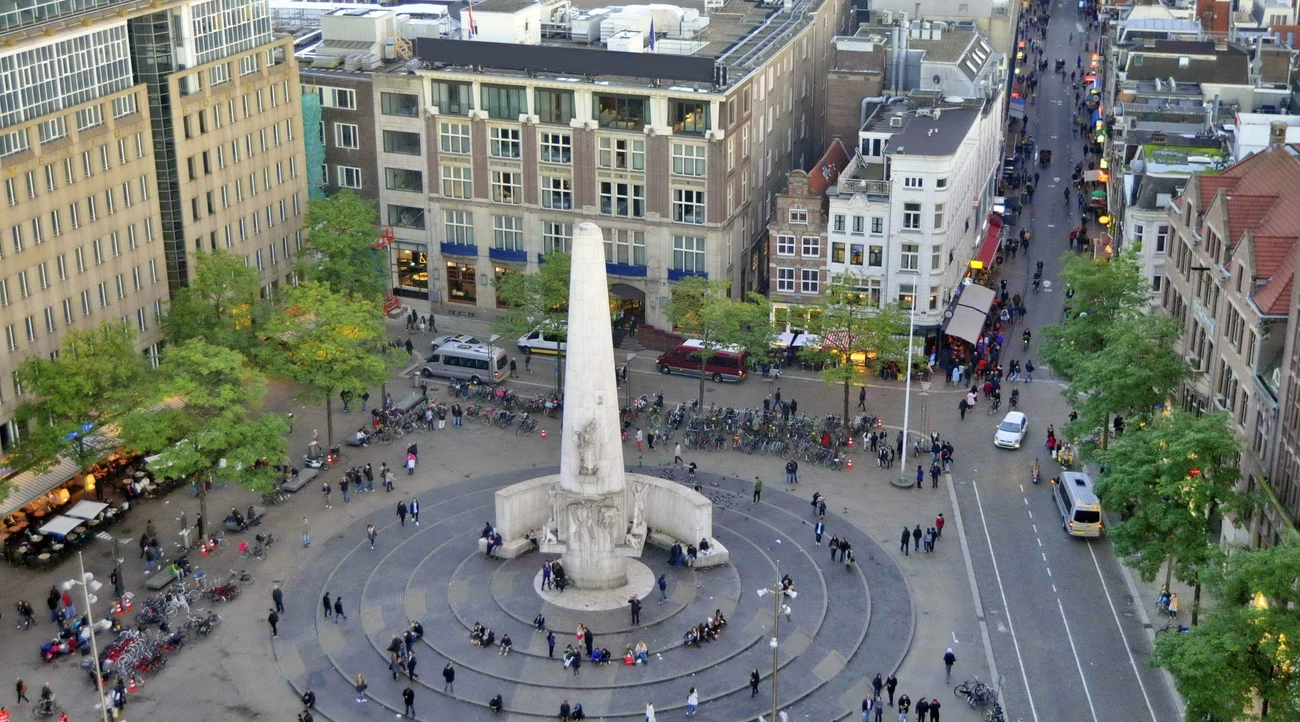
- Easy to combine with Dam, Spui or a western canal walk.
- Small museums add a different purpose to a shopping-led visit.
- Small pavements and popular shops can become crowded.
- Individual shops have their own opening days and hours.
- Canal-house interiors may have steps and restricted access.
6 places and street rows to explore in the Nine Streets
The street rows form the core. The museums below are nearby additions to choose from, not a requirement to turn the walk into several paid visits.
A Nine Streets loop that balances browsing with the canals
Choose one row to cross the area, one canal to follow and a different row for the return. Leave room for actual browsing: a route that takes minutes without stops can become a long afternoon once you enter shops and sit down for food.
If architecture interests you more than shopping, spend more time along Herengracht and Keizersgracht and add one canal-house museum. If shopping is the priority, check the businesses you particularly want to visit before choosing a morning or Sunday arrival.
Activities near the Nine Streets
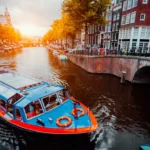
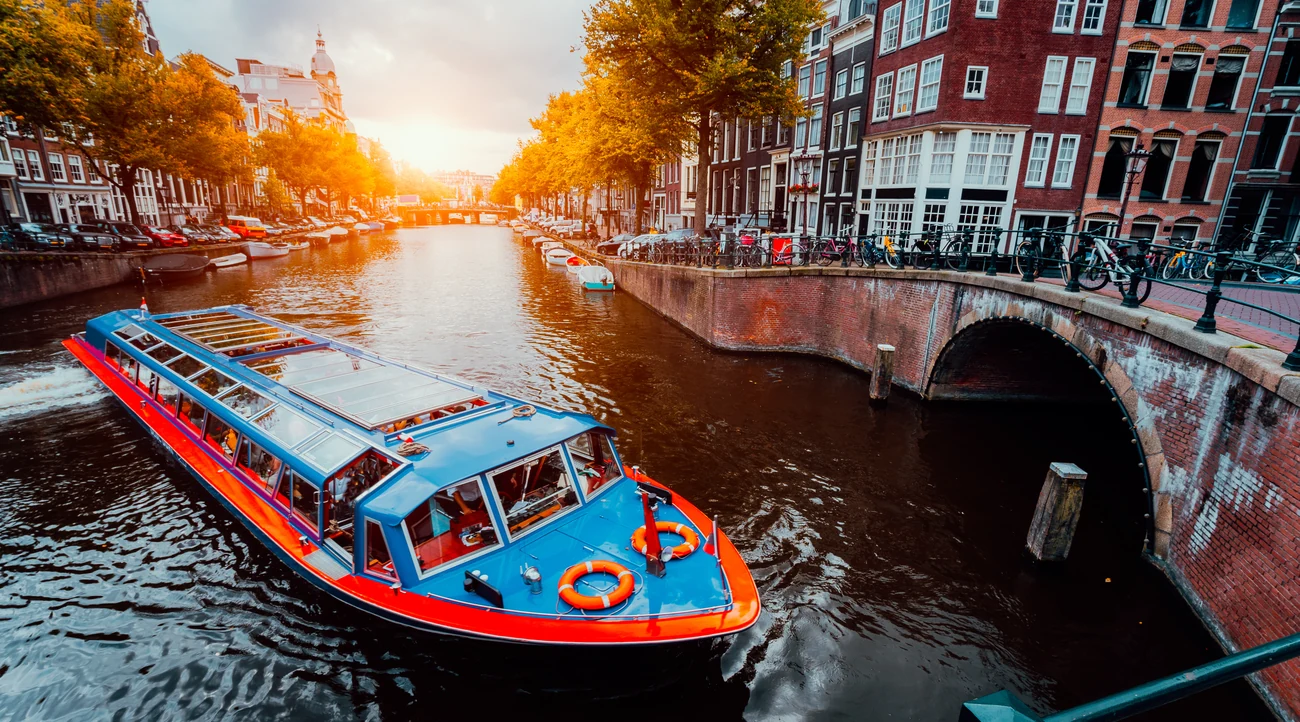
A canal cruise can complement the street-level walk, while an independent museum visit gives more detail about the canal belt. Check departure points and inclusions: a cruise passing a canal is not a hop-off service for its shops or museums.
- Do not expect one street or entrance labelled Nine Streets to be the whole area.
- Do not assume all shops follow identical Sunday or morning opening times.
- Do not describe the Nine Streets and Jordaan as the same neighbourhood.
- Follow two different rows to create a loop instead of walking back the same way.
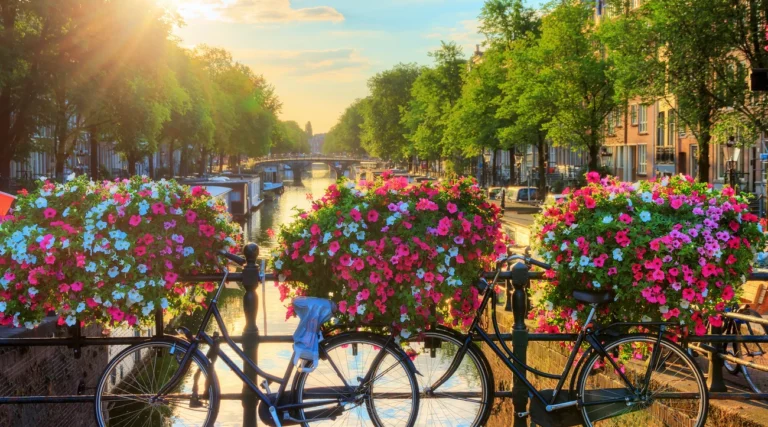
- Use canal corners for orientation and photos while keeping bridges clear.
- Pick one indoor museum if you want a break from shopping or rain.
Getting to Nine Streets
There is no need to find a station inside the nine-street grid. A walk from a convenient central stop is normally the final part of the journey.
The canal belt behind the Nine Streets shopping name
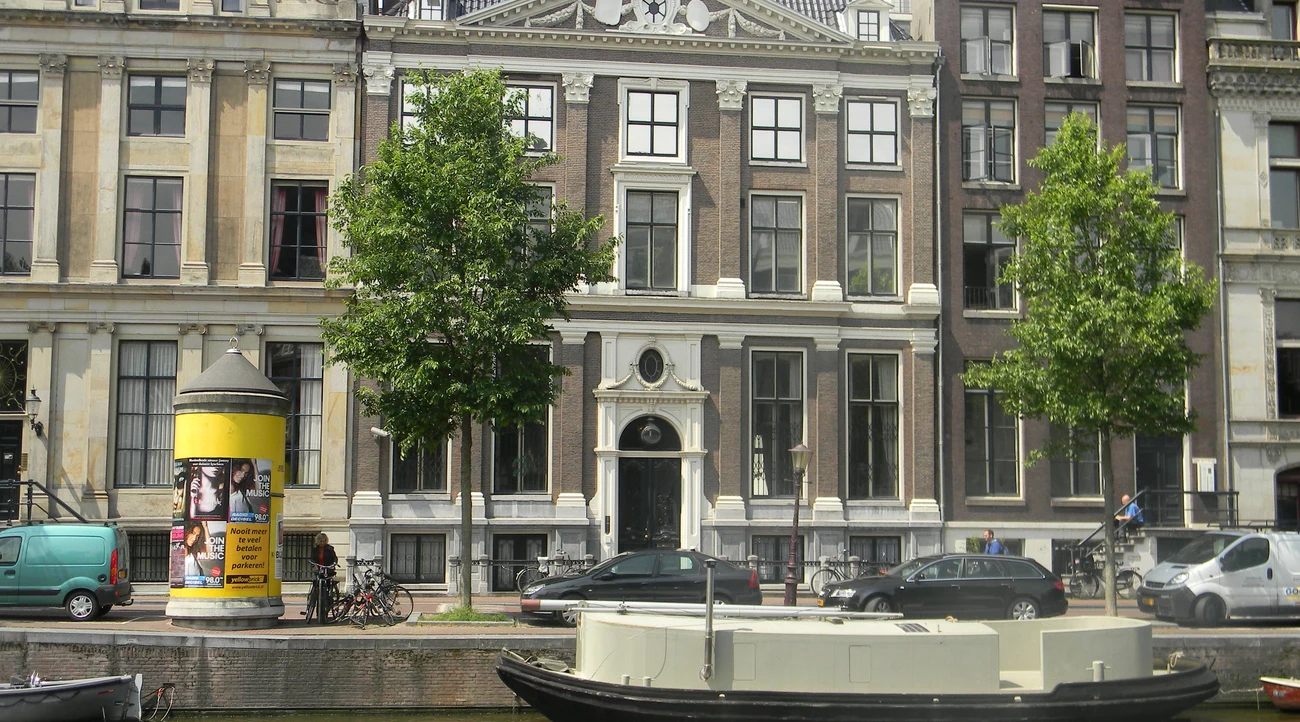
The neighbourhood belongs to Amsterdam’s seventeenth-century canal expansion. Its short cross streets connected the major waterways and supported everyday trade and craft alongside the larger canal houses. Their scale remains different from the broad frontages facing the water.
The name Nine Streets is much younger than the buildings. Local entrepreneurs began promoting the area together under that identity in the 1990s. It describes a recognisable shopping neighbourhood within the older canal belt, not a separate seventeenth-century municipality.
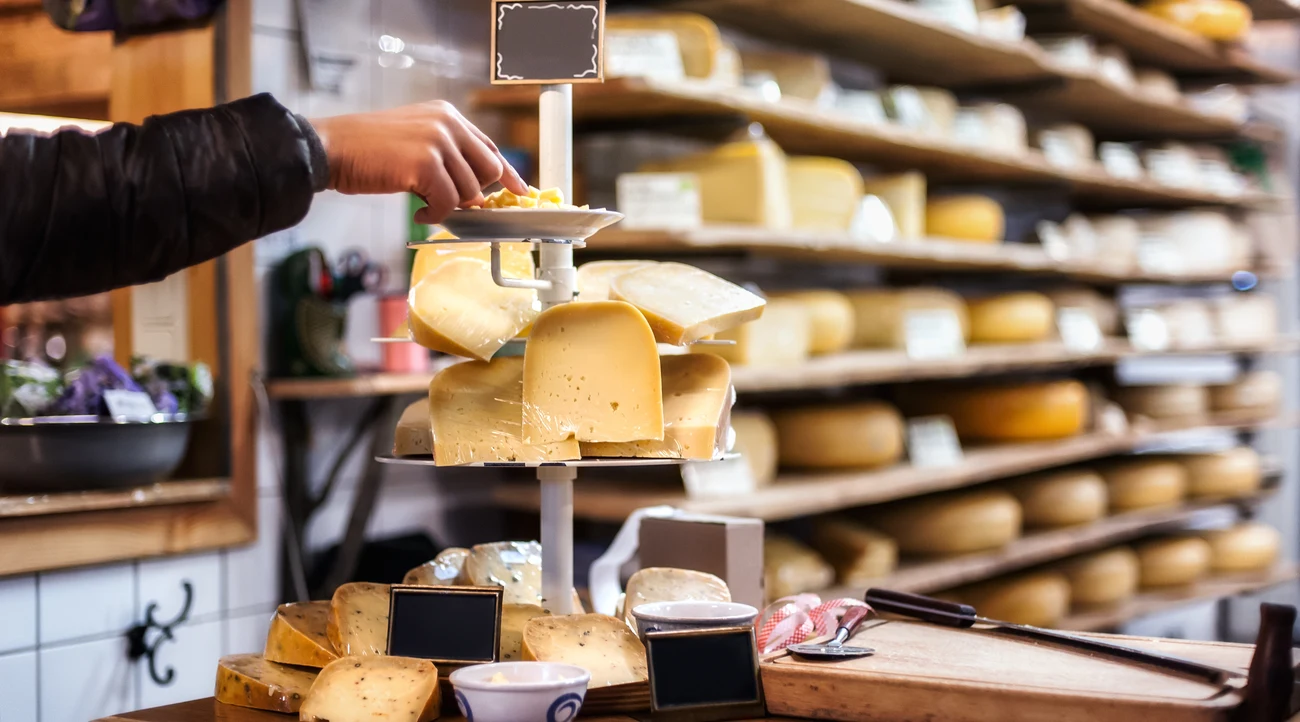
Several street names recall trades connected with hides and skins, while the present-day mix includes fashion, food, books, galleries and hospitality. The interesting contrast is between a contemporary shopping identity and an older urban framework that remains visible at every canal crossing.
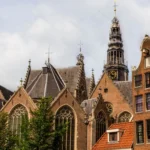
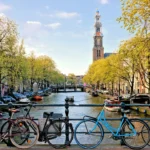
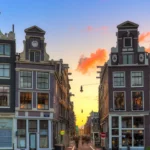
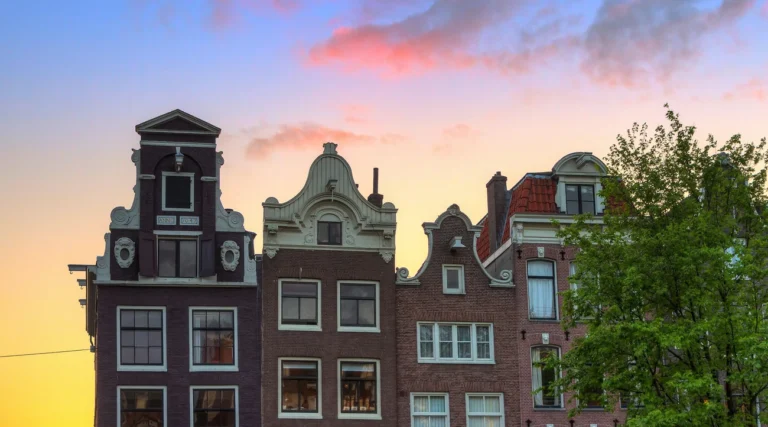
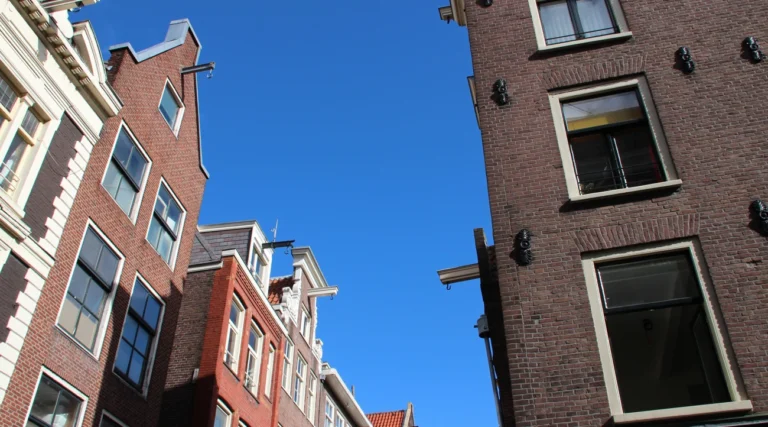
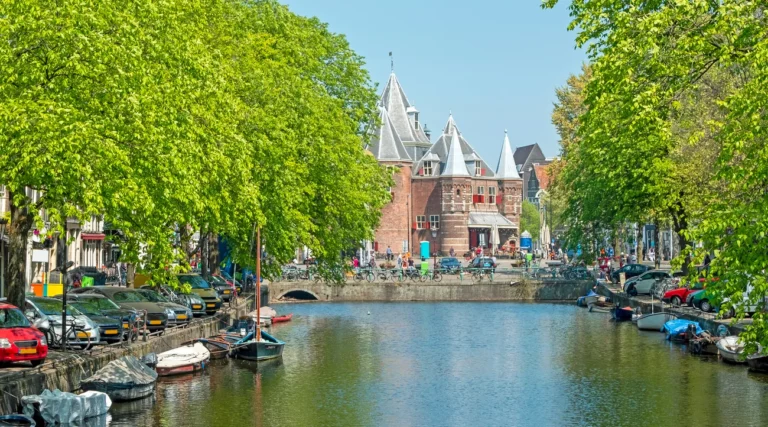
Look up from the shop windows to compare building widths, gables and the rhythm of the façades. Then turn along one of the main canals to see how a small commercial street meets a more formal waterfront. This change of scale is one of the best reasons to explore the area on foot.
Street names and boundaries that clarify De 9 Straatjes
- Three times three: the nine names form three cross-canal rows, not nine parallel canals. Understanding that layout removes much of the confusion on a first visit.
- A modern collective name: the shopping identity dates from the 1990s, while the urban fabric is centuries older.
- Across the canal: walking west over Prinsengracht can take you into the Jordaan, a useful extension with a different street scale and history.
Tickets and experiences for this part of Amsterdam
Staying in the Nine Streets: a central canal-house base
The area suits a stay where walking to shops and central canal streets matters more than a large modern building. Check stairs, lifts, room access and the final walk with luggage before booking a canal-house property.
Compare the room’s location within the building as well as its street address. A central canal view and a quiet room are separate preferences, and each property has its own layout. The city-wide Amsterdam map below lets you compare options beyond the small nine-street grid too.
Café and meal stops around the Nine Streets
Frequently asked questions about Nine Streets
More Amsterdam activities to compare