




































In short
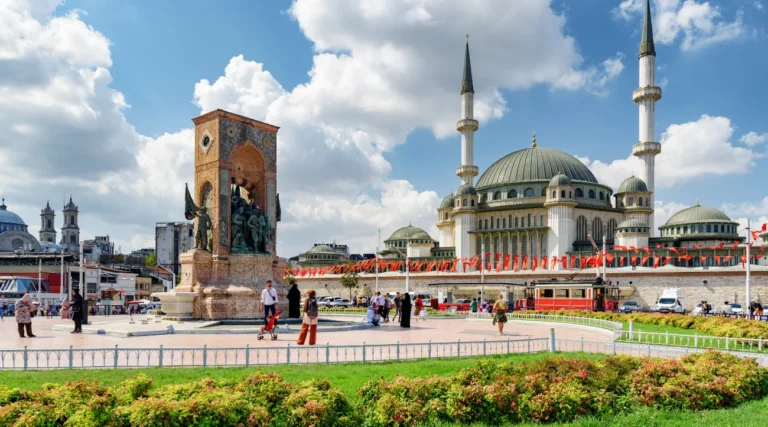
İstiklal Avenue runs for about 1.4 kilometres through Beyoğlu, from Taksim Square to the Tünel funicular above Galata. In the nineteenth century it was the Grande Rue de Péra, lined with embassies, churches, theatres and elegant arcades.
Today it is a crowded pedestrian street of shops, cafés and music, where the historic red tram still runs when in service. Leave time for the side streets and passages, where the old Pera survives.
☰ Table of content
The perfect walk through Beyoğlu
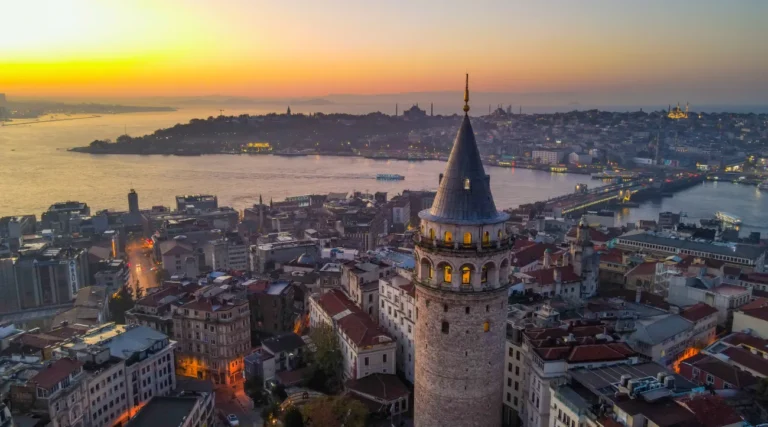
Walk the avenue from Taksim downhill to Tünel, stopping in the arcades and churches, then continue down to the Galata Tower and Karaköy. Mornings are calm; evenings and weekends are lively and very crowded.
-
Recommended walk 1.5–2 hours
From Taksim to Tünel with stops in the passages, churches and side streets.
-
Local customs
Keep your belongings close in the crowds and be respectful when visiting churches and mosques along the way.
What to see on İstiklal Avenue
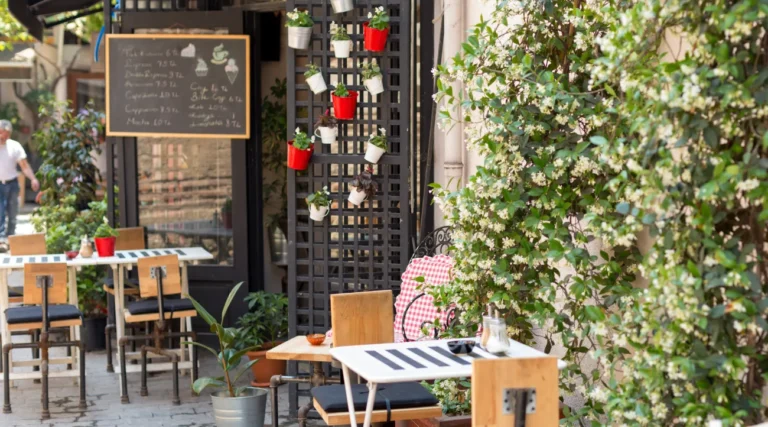
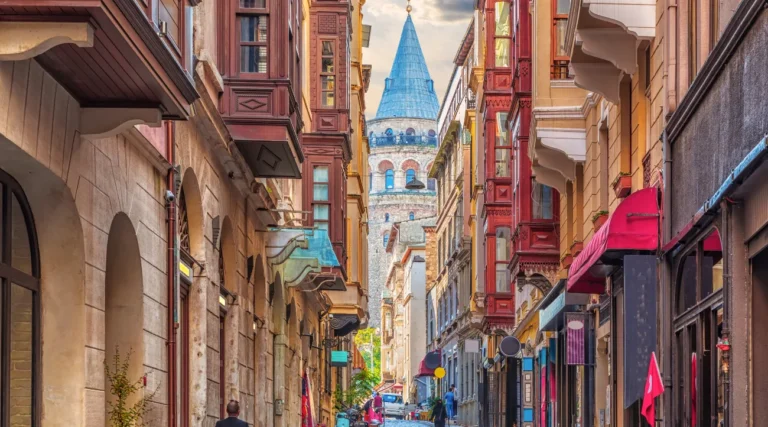
Many of the best places are just off the main street. Look up at the façades, then step into the arcades and courtyards.
Çiçek Pasajı Must see
The Flower Passage, a glass-roofed arcade of the 1870s now filled with meyhane taverns.
St Anthony of Padua Must see
The largest Catholic church in Istanbul, in red brick Venetian Gothic style, set back in a courtyard.
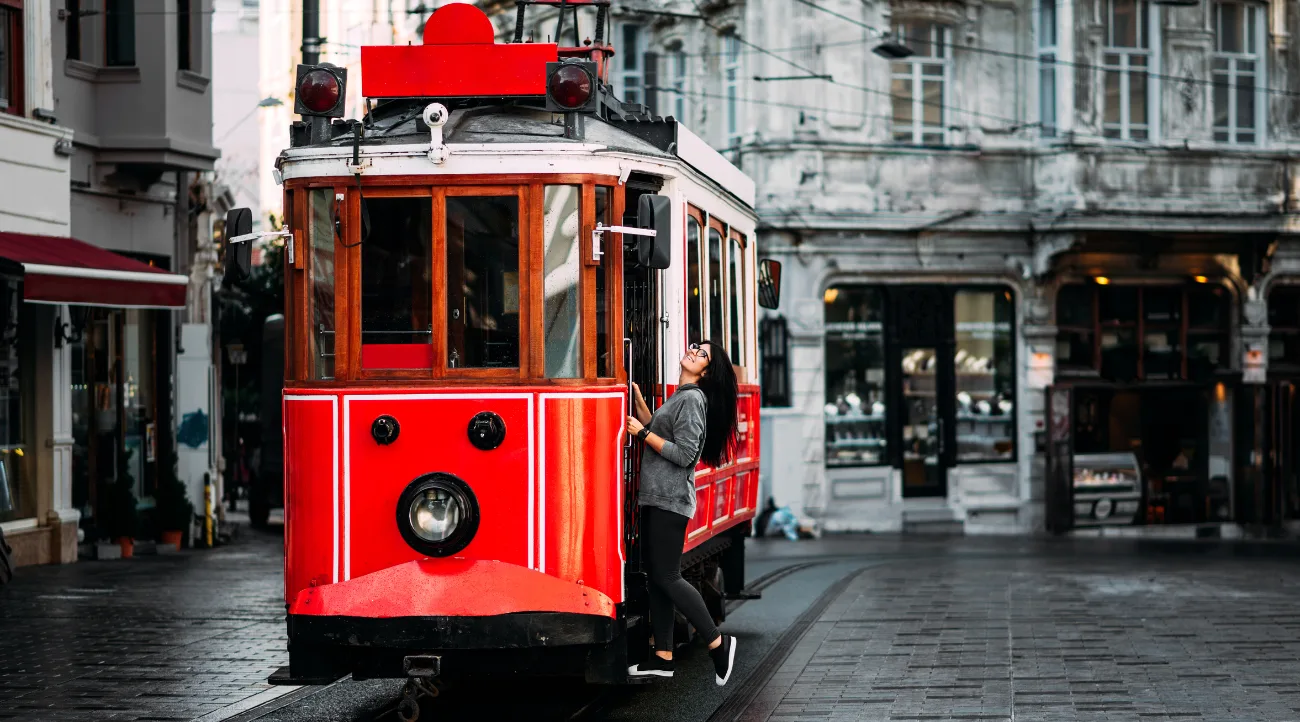
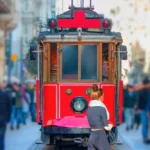
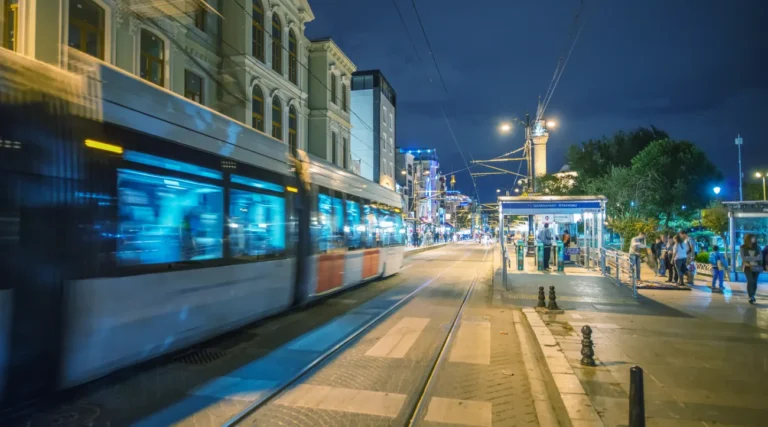
The red tram Historic
The nostalgic tram between Taksim and Tünel, a symbol of the avenue.
The Fish Market
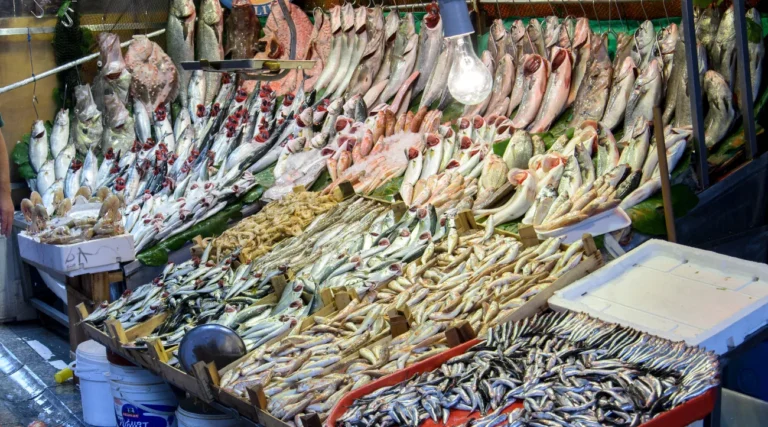
Balık Pazarı, a lively market street with fishmongers, pickles and street food next to Çiçek Pasajı.
The Tünel funicular
Opened in 1875, one of the oldest underground railways in the world, linking Beyoğlu with Karaköy.
İstiklal Avenue at a glance
A quick summary to plan your walk and choose the right time of day.
Best moment
Weekday mornings for a calm walk; evenings for the atmosphere
Crowd
Very crowded in the evening and at weekends
Kid friendly
Fine for children in the morning; hold hands in the crowds
Unmissable
Çiçek Pasajı, St Anthony’s Church and the red tram
Type of experience
A long pedestrian walk with shops, cafés and history
What to expect
Street music, crowds and many side streets to explore
Explore Beyoğlu with a local guide
İstiklal is easy to walk on your own, but a guide shows you the passages, the churches and the stories of the old Levantine Pera that most visitors miss.
The options below are walking tours of Galata and Beyoğlu that include İstiklal Avenue, the Galata Tower and the streets around them. Compare the duration and the meeting point before booking.

Walking Tour from Taksim to Galata (inc. Turkish Coffee Tasting)

Galata Walking Tour: Galata Tower, Galata Bridge, Fener & More

Galata Tower - Fener-Balat Neighborhoods & Golden Horn by Ferry
Good to know
- The avenue is pedestrian, apart from the red tram and service vehicles.
- It gets extremely crowded in the evening and at weekends.
- Watch your bags and phones in the crowds.
- Many cafés and bars are in the side streets.
Practical tips
- Walk downhill from Taksim to Tünel.
- Step into the Atlas and Hazzopulo passages.
- Stop at the Fish Market for street food.
- Continue to the Galata Tower and Karaköy at the end.
How to reach İstiklal Avenue
The avenue starts at Taksim Square and ends at Tünel Square, near the Galata Tower. You can join it at either end or from the middle at Galatasaray.
Take the M2 to Taksim for the top of the avenue, or to Şişhane for the Tünel end.
From Kabataş, the F1 funicular climbs to Taksim; from Karaköy, the Tünel funicular goes up to Tünel Square.
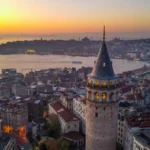
From the Galata Tower, walk uphill along Galip Dede Street to Tünel Square in about 5 minutes.
İstiklal Caddesi, Beyoğlu, 34433 Istanbul
From the Grande Rue de Péra to İstiklal
In the nineteenth century the hill of Pera was home to embassies, Levantine merchants and foreign communities. Its main street, the Grande Rue de Péra, filled with European-style buildings, shops, theatres and the first electric lights of the city.
Read allShow less
Read allShow less
After the founding of the Republic the street was renamed İstiklal, meaning “independence”. It declined in the middle of the twentieth century, then became pedestrian in the 1990s and turned into one of the busiest streets of Istanbul.
Today shops and chains fill the ground floors, but the façades, passages and churches still show the old cosmopolitan Pera.
Details and stories to look out for
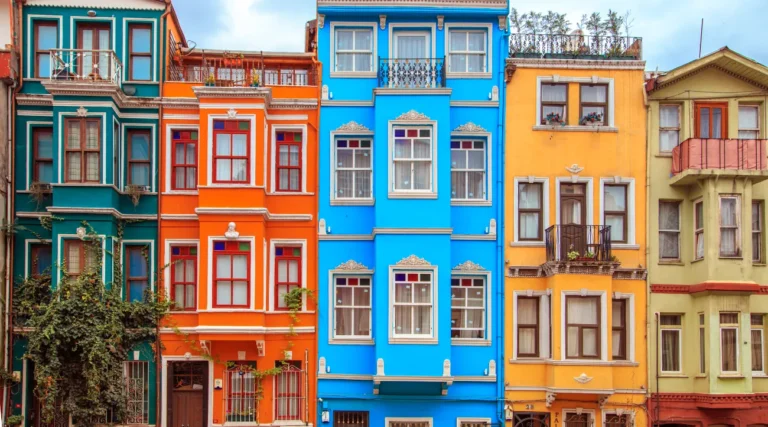
- Look up: many Art Nouveau and neoclassical façades survive above the shop signs.
- The Galatasaray High School traces its origins to the fifteenth century.
- The avenue is about 1.4 km long.
- The name Pera comes from the Greek for “beyond”, across the Golden Horn.
- Several historic embassies, now consulates, stand along the avenue.
Walking tours and Beyoğlu nightlife
Find your stay near İstiklal Avenue
Staying in Taksim and Beyoğlu puts you close to İstiklal, the restaurants and the nightlife, with the metro and funiculars nearby. Compare noise reviews carefully: the area is lively late at night.
Frequently Asked Questions - FAQ
How long is İstiklal Avenue?
About 1.4 km, from Taksim Square to Tünel Square.
Is the red tram running?
The nostalgic tram runs between Taksim and Tünel when in service; it can be suspended for works.
When is the best time to visit?
Weekday mornings are calm; evenings and weekends are lively and crowded.
Is İstiklal safe?
Yes, but it is very crowded: watch your bags and phones.
What is Çiçek Pasajı?
A nineteenth-century arcade with taverns, the Flower Passage, near Galatasaray.
How long should I allow?
About 1.5–2 hours to walk the avenue with stops.
How do I get there?
Take the M2 metro to Taksim or Şişhane, or the funiculars from Kabataş and Karaköy.
What is nearby?
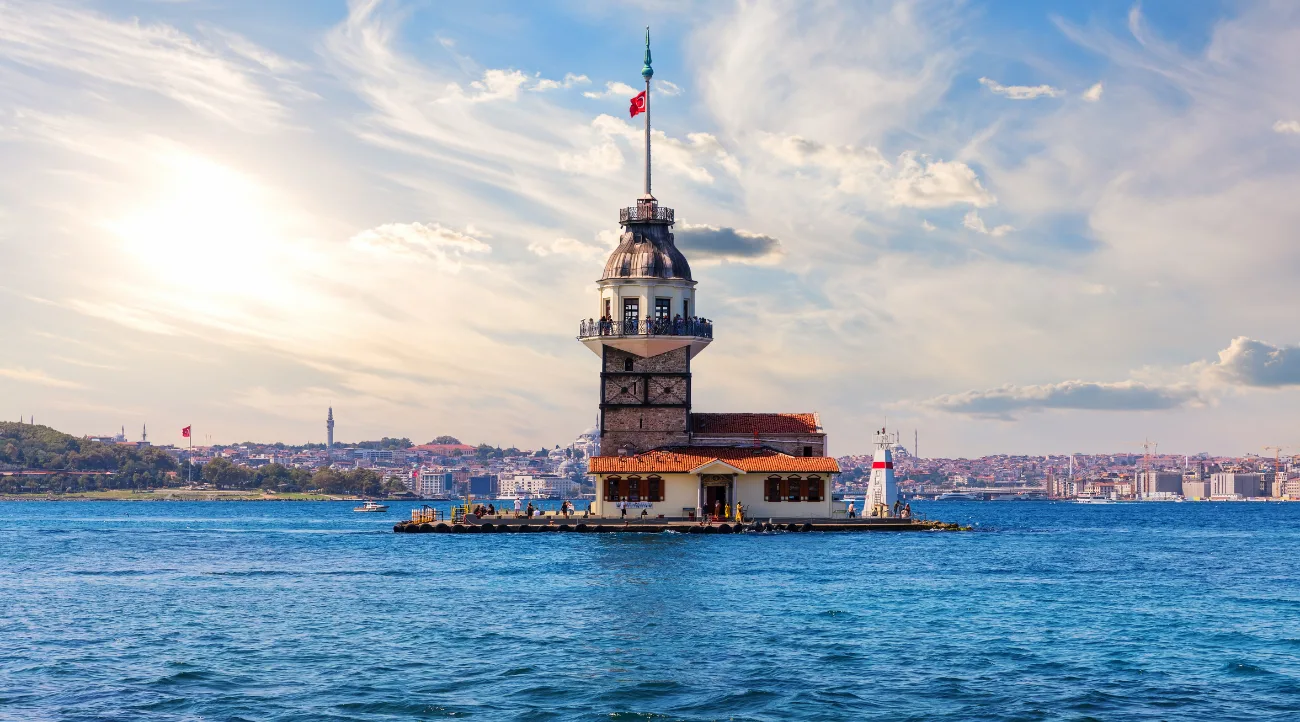
The Galata Tower, Karaköy, Cihangir and the Pera Museum.