


























In short
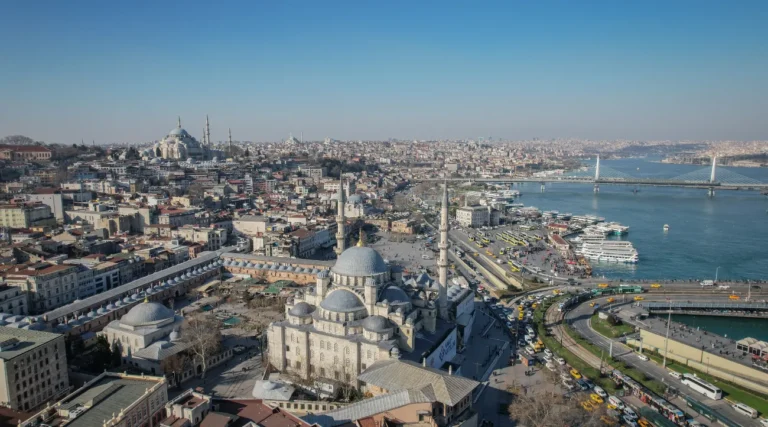
Sultanahmet is the historic heart of Istanbul. In a few hundred metres you find Hagia Sophia, the Blue Mosque, the Basilica Cistern, the Hippodrome and the gates of Topkapı Palace, layers of Roman, Byzantine and Ottoman history on the tip of the old peninsula.
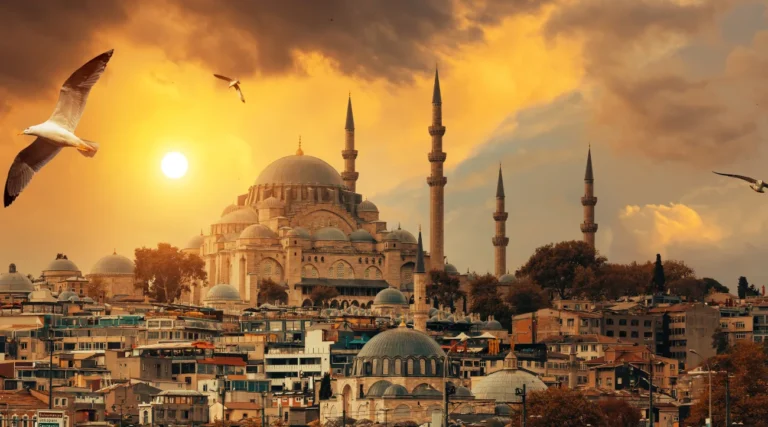
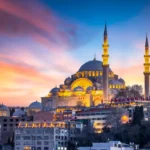
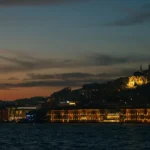
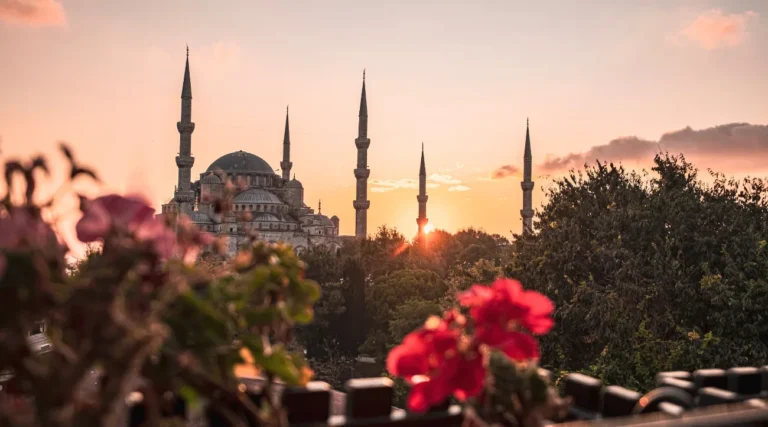
By day it is the busiest corner of the city; in the evening the crowds thin out and the lit domes and minarets make it one of the most atmospheric places in Istanbul.
☰ Table of contents
Finding your way around Sultanahmet
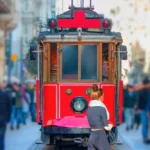
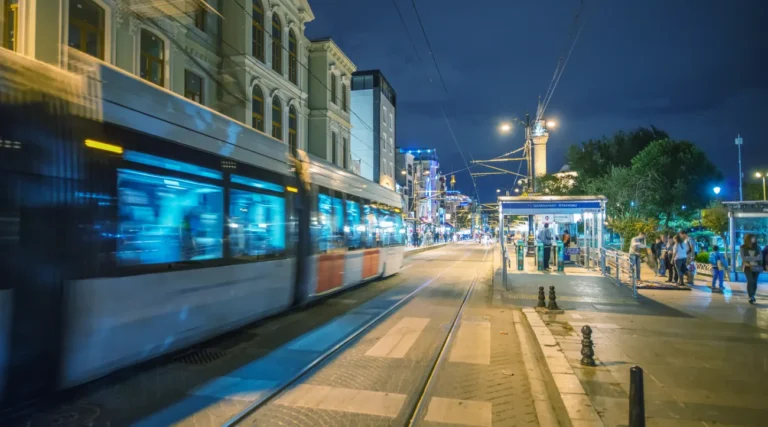
Think of Sultanahmet Square as the centre: Hagia Sophia and the Blue Mosque face each other across the gardens, the Hippodrome runs to the south-west and Topkapı Palace rises behind Hagia Sophia. The T1 tram runs along Divanyolu, the old main street, towards the Grand Bazaar.
Good to know
- Almost every major sight is within a ten-minute walk.
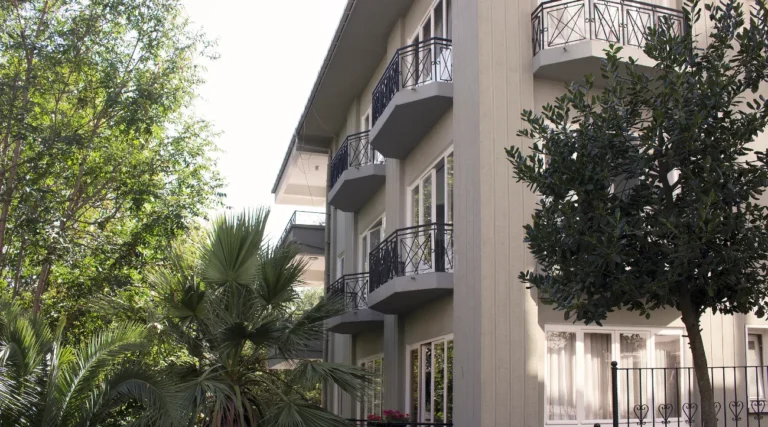
- You can rest at your hotel between visits.
- Evenings are calm, with the domes lit up.
Keep in mind
- Mosques close to visitors at prayer times.
- Topkapı is closed on Tuesdays.
- The main sights are busiest from late morning.
6 places not to miss in Sultanahmet
Plan the big sights for the morning, then explore the quieter corners in the afternoon.
Hagia Sophia Start here
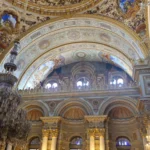
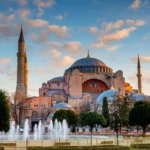
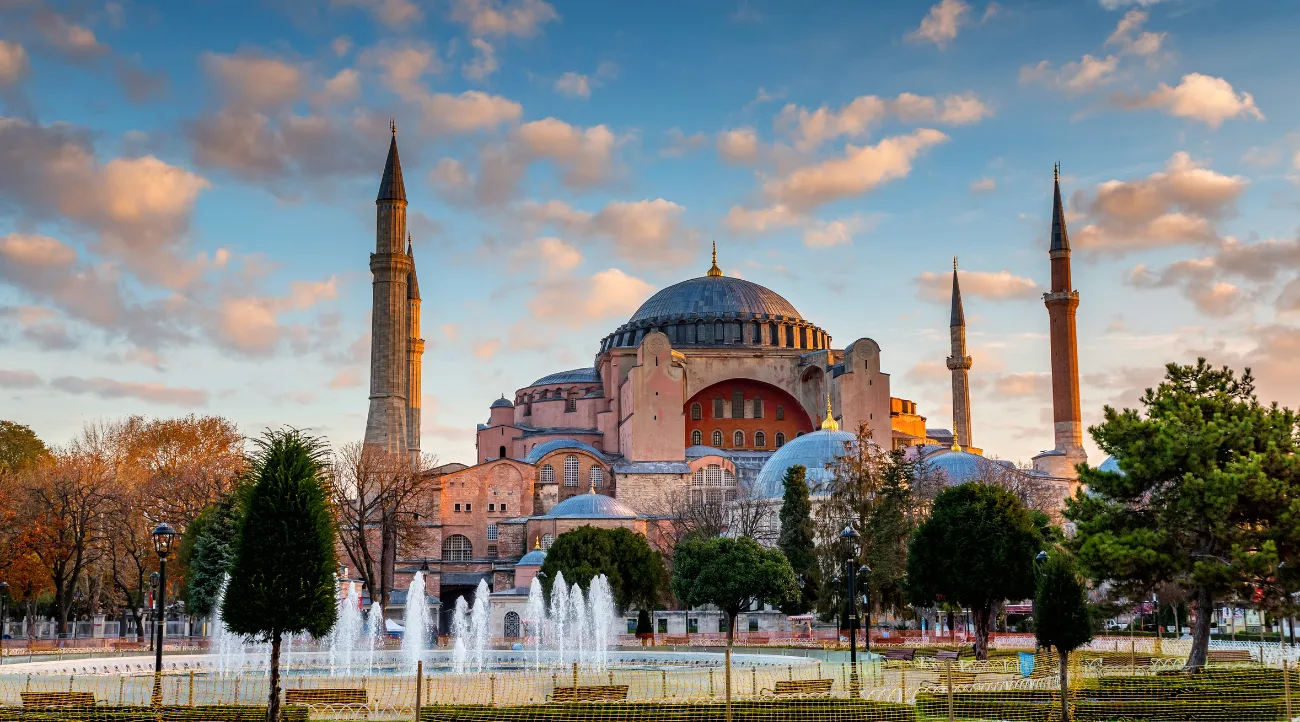
Justinian’s great church and imperial mosque, with mosaics in the upper galleries.
The Blue Mosque
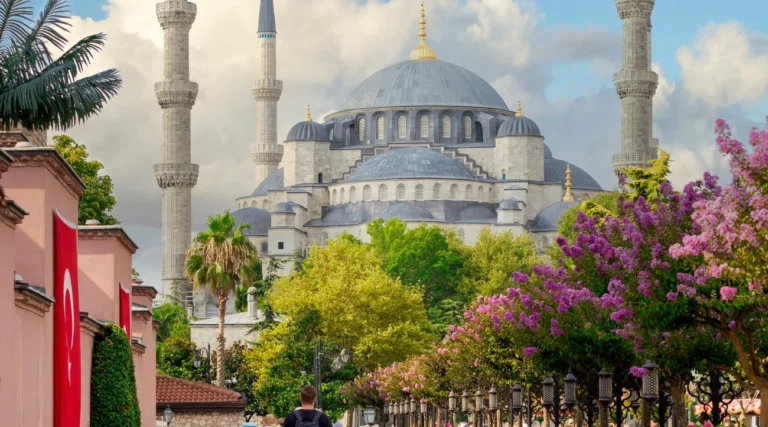
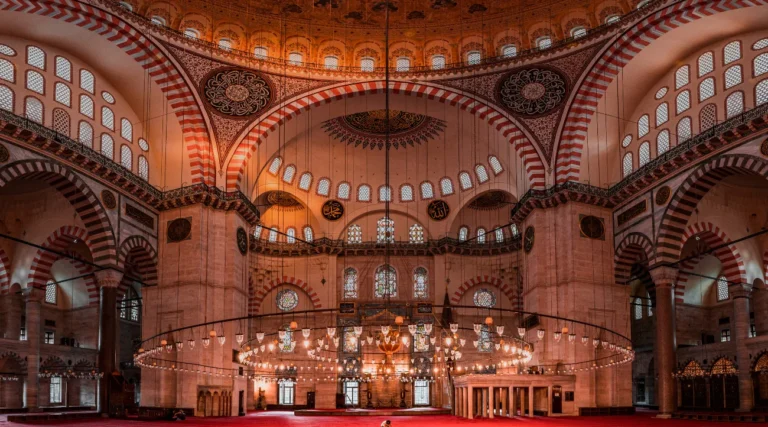
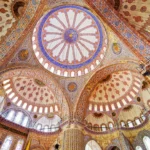
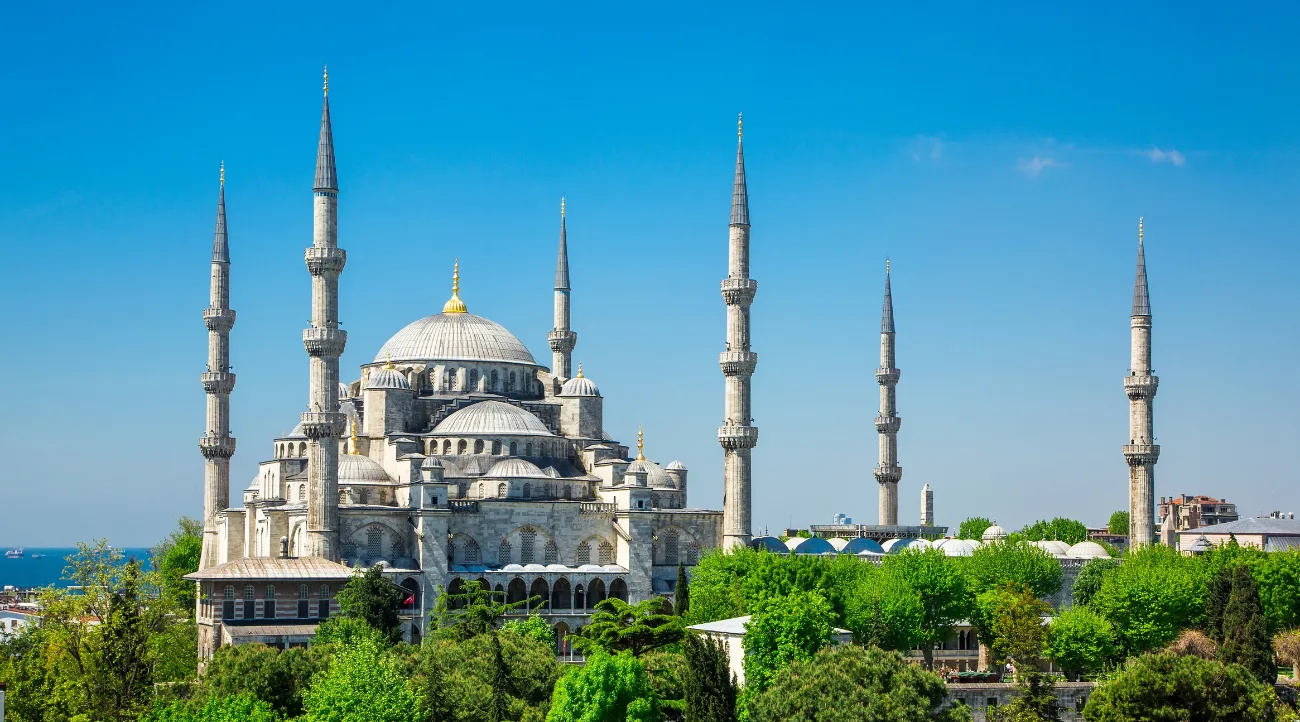
Six minarets and more than 20,000 Iznik tiles, free to visit outside prayer times.
Topkapı Palace
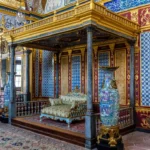
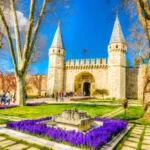
The palace of the sultans, with the Harem, the Treasury and Bosphorus terraces.
The Basilica Cistern
Justinian’s underground forest of columns and the Medusa heads.
The Hippodrome
The old chariot-racing track with the Egyptian Obelisk and the Serpent Column.
Gülhane Park
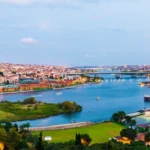
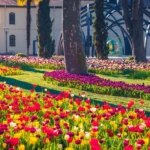
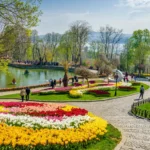
The former palace gardens, with tulips in April and a tea garden facing the Bosphorus.
A Sultanahmet day: monuments in the morning, gardens in the afternoon
Start at opening time with Topkapı or Hagia Sophia, see the Basilica Cistern before lunch, then the Blue Mosque between prayers. In the afternoon walk the Hippodrome and rest in Gülhane Park, and come back after dark to see the domes lit up.
Best moment
Opening time for the big sights; evenings for the atmosphere
Crowd
Very busy from late morning to late afternoon
Kid friendly
Flat squares and gardens; long queues can tire children
Unmissable
Hagia Sophia, the Blue Mosque and Topkapı
Visit style
Walking between monuments, museums and gardens
What to expect
Crowds by day, calm and lit domes at night
Guided tours of Sultanahmet
A guide brings the layers of history to life and helps you skip queues at the main sights. The options below combine Hagia Sophia, the Blue Mosque, the Basilica Cistern and Topkapı in half-day or full-day tours.

Hagia Sophia, Basilica Cistern & Topkapi Palace: Entry + Guided Tour

Istanbul Guided Tour Hagia Sophia, Topkapi, Cistern with Tickets

Istanbul: Small-Group Full-Day Fast-Track Old City Tour
Avoid these mistakes
- Do not plan Topkapı on a Tuesday, its closing day.
- Avoid the mosques at prayer times, especially Friday midday.
- Ignore insistent carpet shop touts on the squares.
- Do not underestimate the queues: book key tickets in advance.
Quick advice
- Visit the big sights at opening time.
- Carry a scarf and dress modestly for the mosques.
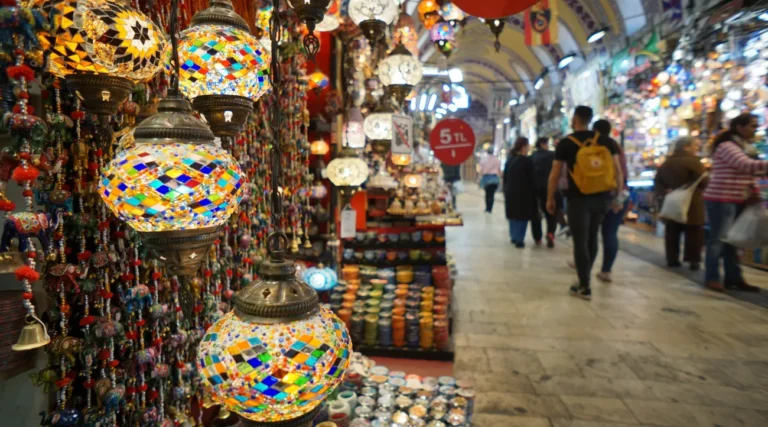
- Use the T1 tram to reach the Grand Bazaar and Eminönü.
- Come back at night for the lit domes.
Getting to Sultanahmet
Sultanahmet lies on the tip of the historic peninsula. The T1 tram is the easiest way to reach it from most parts of the city.
Take the T1 tram to Sultanahmet or Gülhane.
Ferries from Kadıköy and Üsküdar arrive at Eminönü, then take the T1 tram uphill.
Take the M1 metro or the Havaist bus towards Aksaray, then the T1 tram.
Sultanahmet Square, Sultan Ahmet, 34122 Fatih/Istanbul
From Byzantine capital to Ottoman showcase
Sultanahmet stands on the site of ancient Byzantium. Constantine made it the centre of his new capital, with the Hippodrome, the Great Palace and the first Hagia Sophia.
Read allShow less
Read allShow less
After 1453 the Ottomans built Topkapı Palace on the old acropolis and the Blue Mosque on the site of the Byzantine palace. The district takes its name from Sultan Ahmed I, who built the mosque in the early seventeenth century.
In 1985 the historic areas of Istanbul, including Sultanahmet, were listed as a UNESCO World Heritage Site.
Details and stories to look out for
- The district is named after Sultan Ahmed I.
- The Hippodrome follows the shape of the Byzantine racing track.
- Hundreds of Byzantine cisterns lie under the streets.
- The Arasta Bazaar was built for the Blue Mosque complex.
- Divanyolu follows the line of the ancient Mese, the main street of Constantinople.
Tickets and tours in Sultanahmet
Staying in Sultanahmet: history on your doorstep
Sultanahmet is ideal for a first visit: the main sights are a short walk away and you can visit early before the crowds. Evenings are quiet, with fewer restaurants and bars than Beyoğlu or Karaköy.
Where to eat in Sultanahmet
Sultanahmet Köftecisi
A historic restaurant famous for its grilled meatballs and white bean salad, a classic since the early twentieth century.
Deraliye
Recipes inspired by the Ottoman palace kitchens, a short walk from the Blue Mosque.
Hafız Mustafa 1864
A historic confectioner for baklava, Turkish delight and puddings with Turkish tea.
Frequently asked questions about Sultanahmet
Is Sultanahmet a good area to stay?
Yes, especially for a first visit: the main sights are within walking distance.
How many days do I need for Sultanahmet?
One full day for the highlights, two to see the museums calmly.
Is Sultanahmet safe?
Yes, it is busy and well policed; watch for pickpockets and touts.
Which sights are closed on which days?
Topkapı is closed on Tuesdays; mosques close to visitors at prayer times.
How do I get there from the airport?
Take the metro or the Havaist bus towards the centre, then the T1 tram.
Is it lively at night?
It is calm and atmospheric; for nightlife go to Beyoğlu or Karaköy.