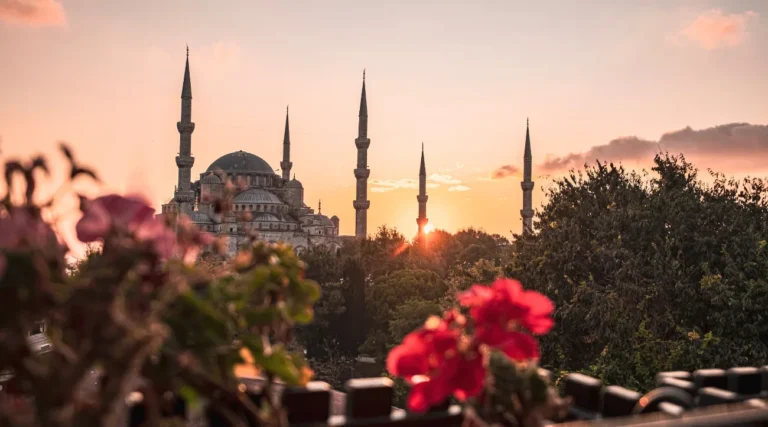
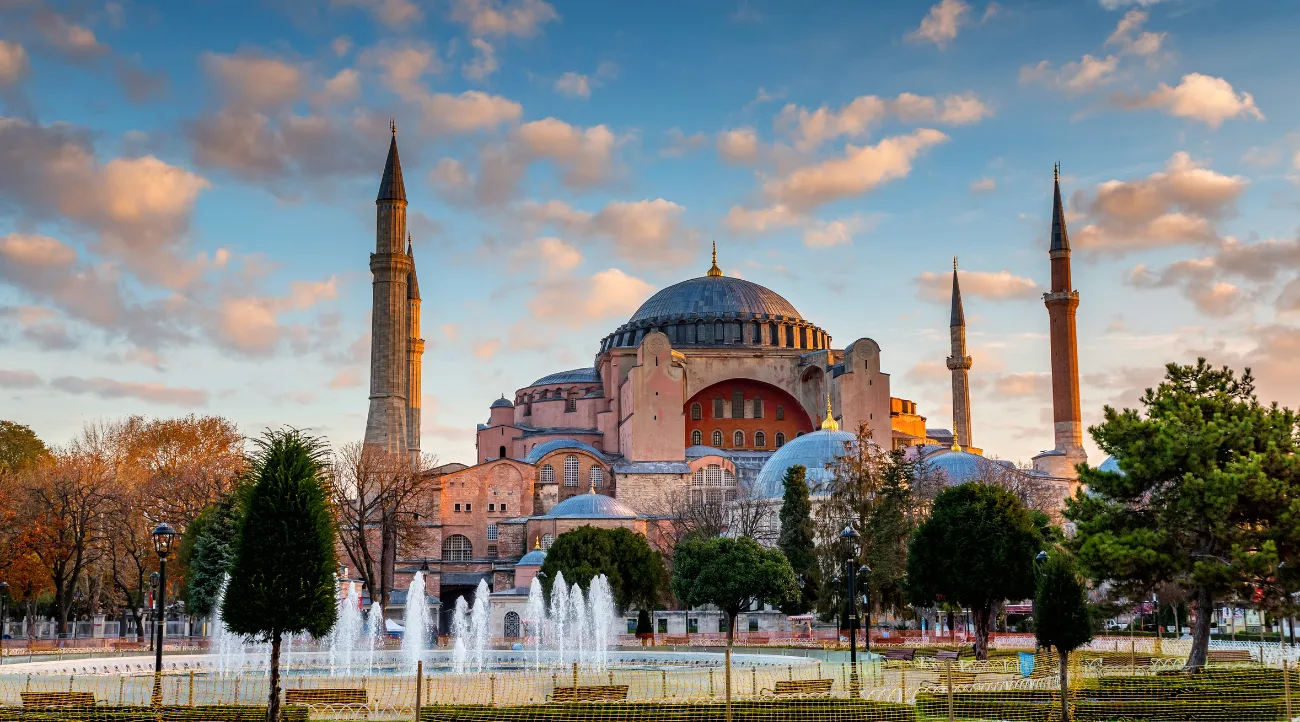
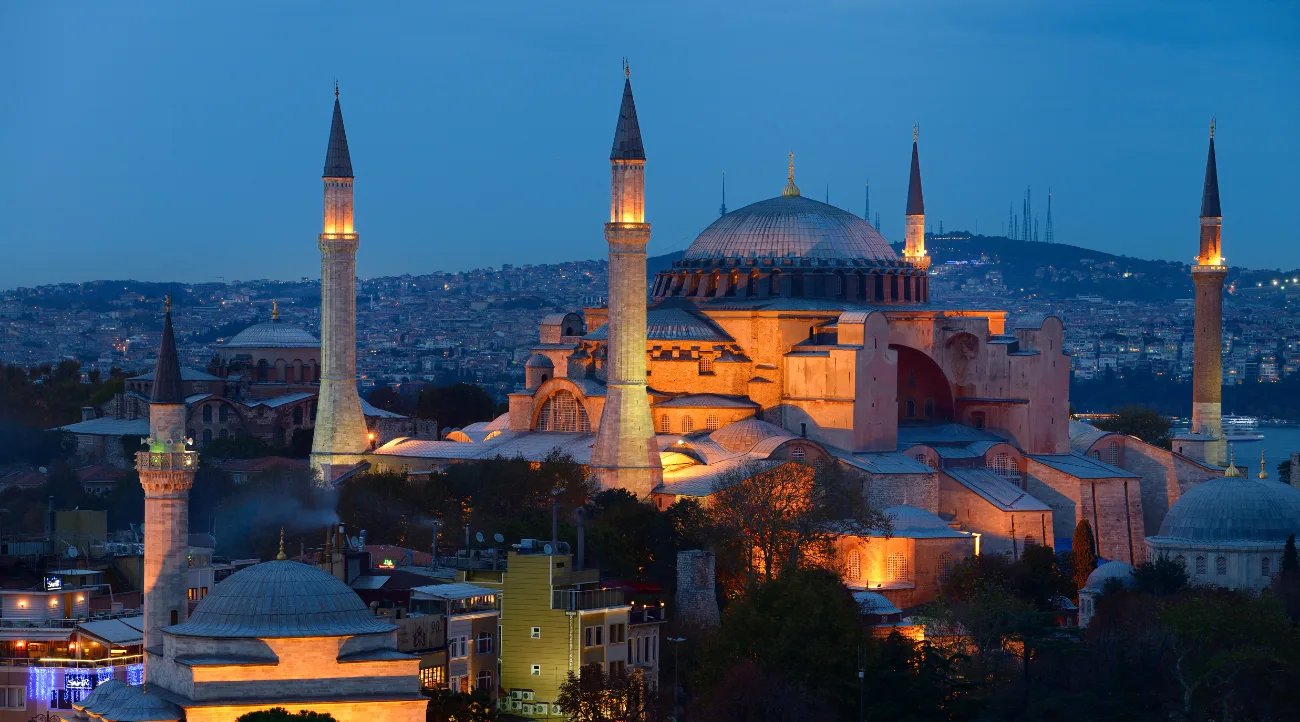
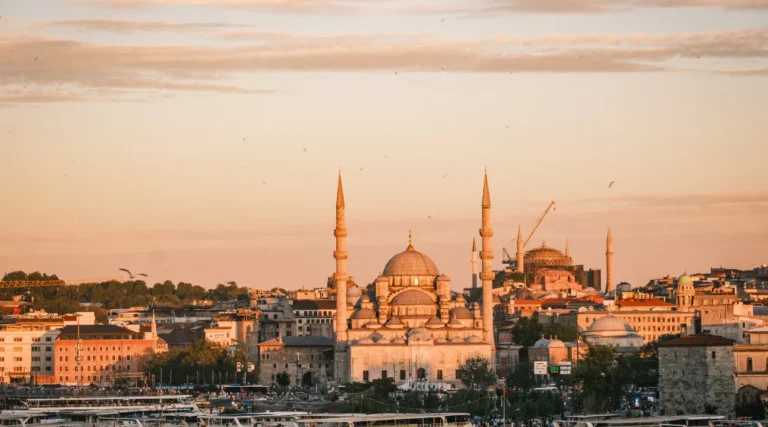
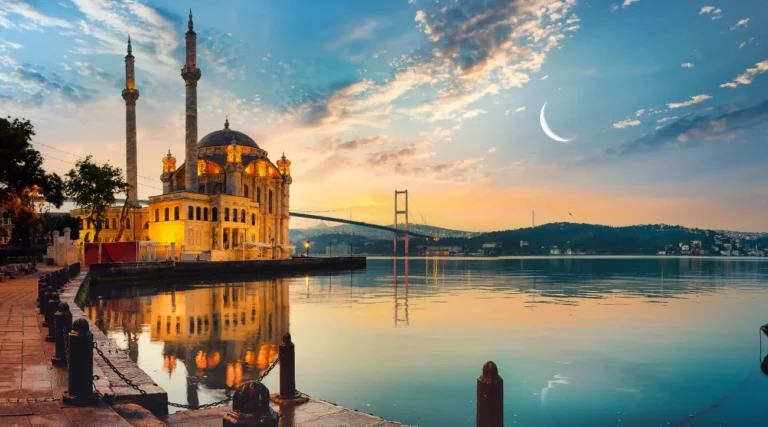
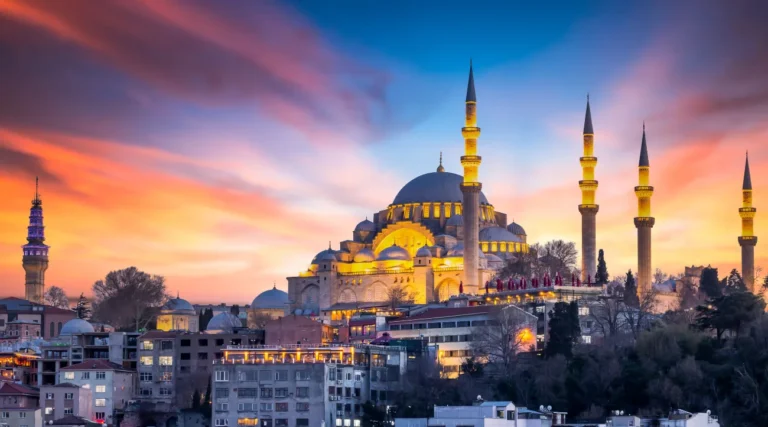
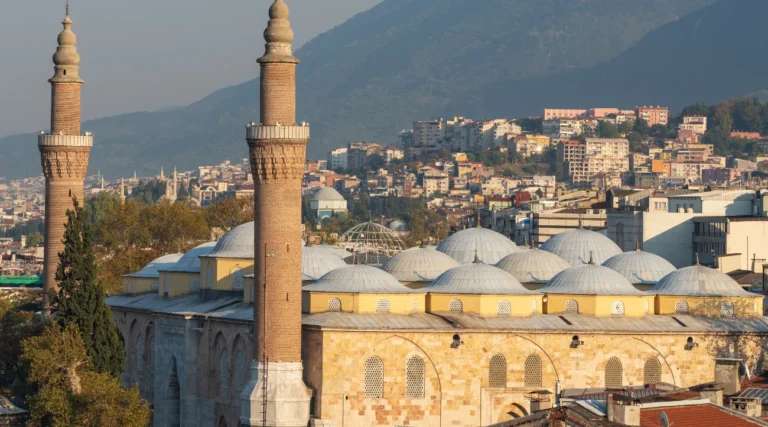
The Blue Mosque, officially the Sultan Ahmed Mosque, faces Hagia Sophia across the gardens of Sultanahmet Square. Built between 1609 and 1616 for the young Sultan Ahmed I, it is famous for its six minarets and its cascade of domes.
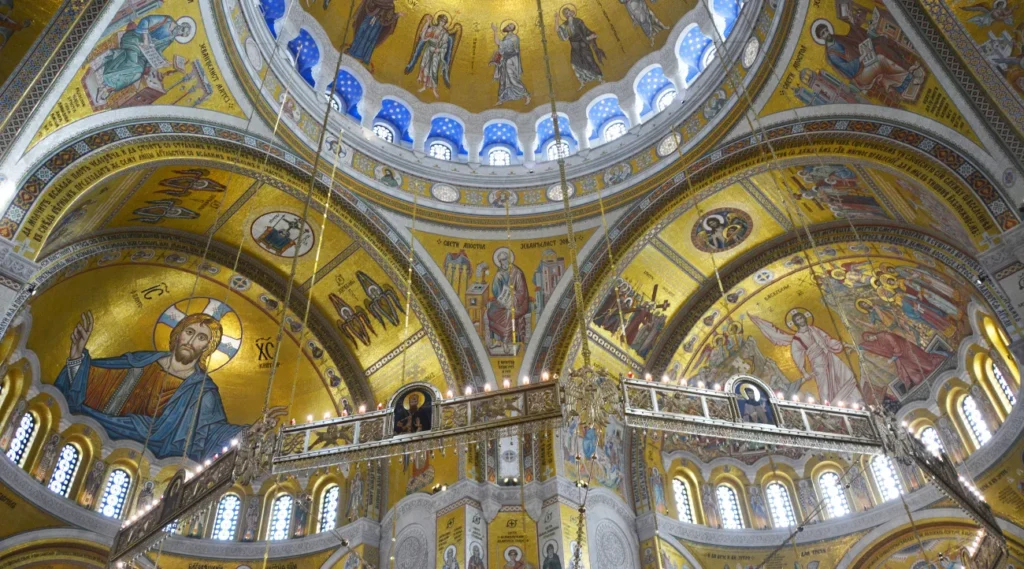
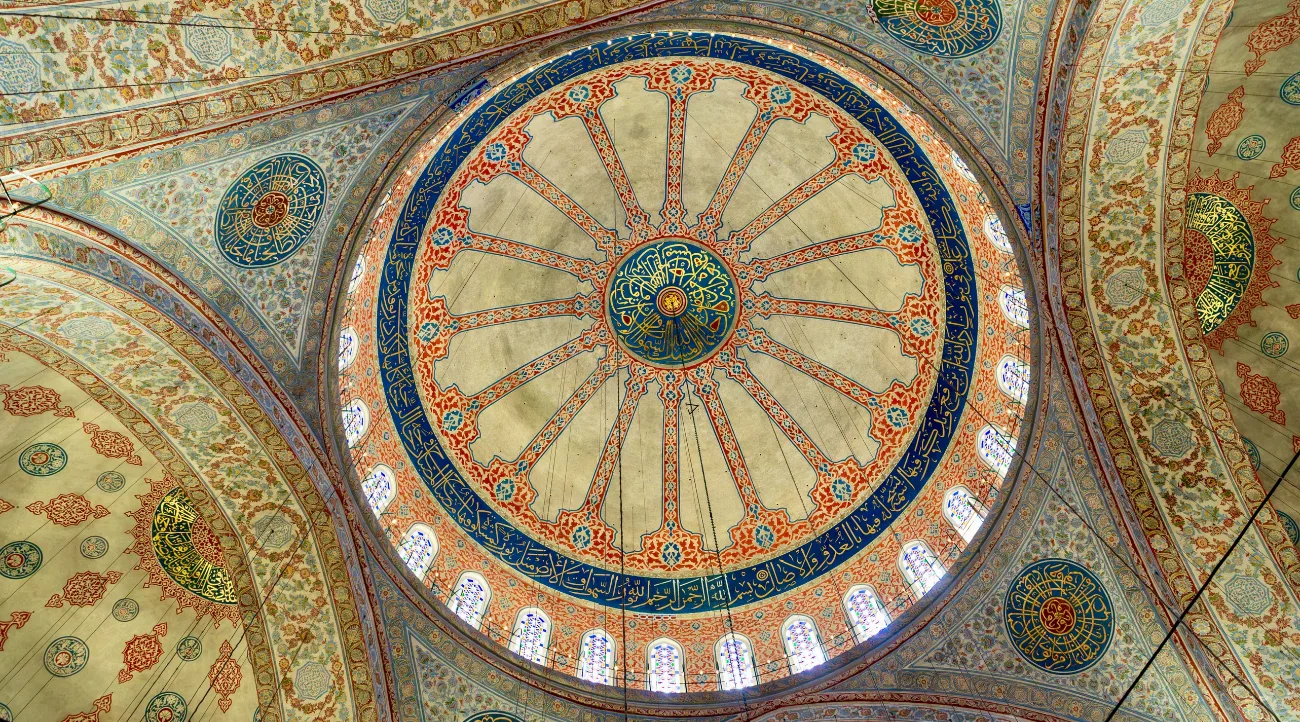
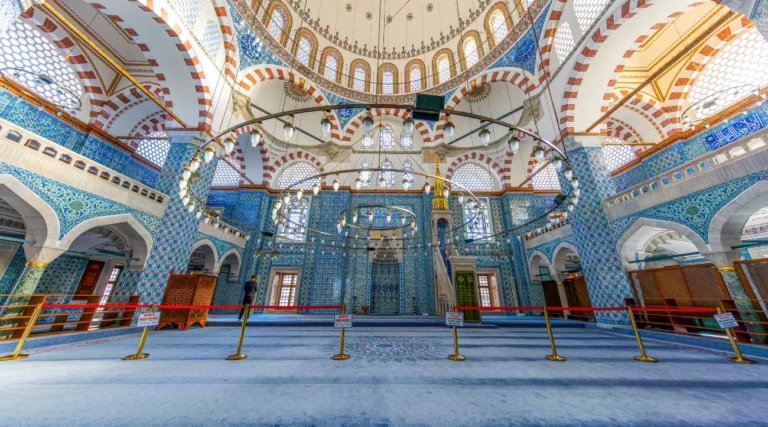
Its nickname comes from the more than 20,000 hand-made Iznik tiles that cover the walls of the interior. It is a working mosque, and entry is free for visitors outside prayer times.
Blue Mosque opening hours and admission
The mosque is open to visitors every day, from the morning until the evening prayer, but it closes to tourists for about an hour around each of the daily prayers. On Fridays visitors can enter only after the midday prayer. Prayer times change through the year, so check them for your date.
What to see inside the Blue Mosque
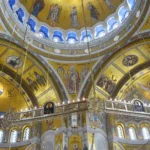
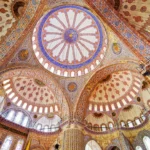
Inside, the light from more than 200 windows falls on a single vast prayer hall. Stand under the central dome, then look closely at the tiles and the details around the walls.
Blue Mosque visit at a glance
A quick summary to plan your visit and choose the right time of day.
How to visit the Blue Mosque
Allow 30–45 minutes on your own, longer with a tour. Visitors enter from the side facing the Hippodrome, take off their shoes and carry them in the bags provided. Dress modestly: shoulders and knees covered, and women cover their hair.
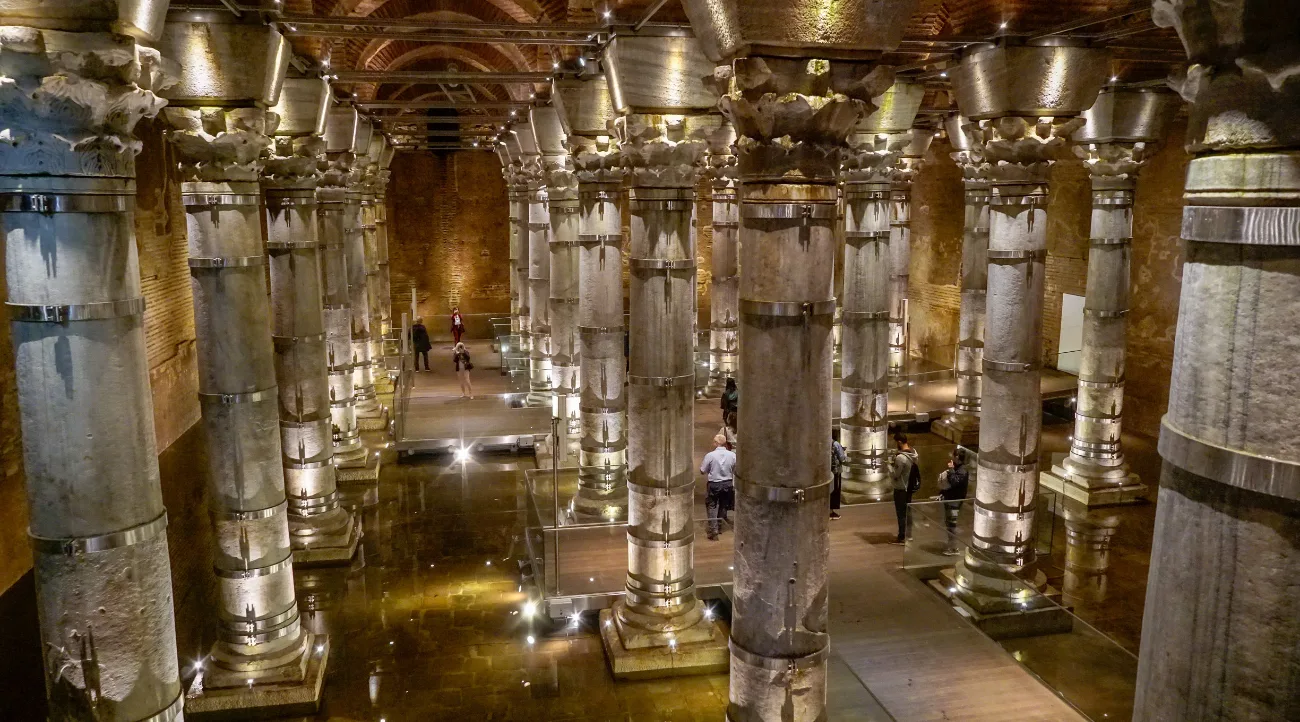
You do not need a ticket. The options below are guided tours and combinations with Hagia Sophia, the Basilica Cistern or other sights of Sultanahmet, for those who want the stories behind the building.
- Entry is free; there is no official ticket.
- The mosque closes to visitors during the five daily prayers.
- Shoes come off at the door: bags are provided.
- Scarves and wraps are lent at the entrance.
- Check the prayer times for the day before you go.
- Visit early, then cross the square to Hagia Sophia.
- Look at the mosque from the Hippodrome for the view of the domes.
- Keep quiet and avoid photos of people praying.
How to reach the Blue Mosque
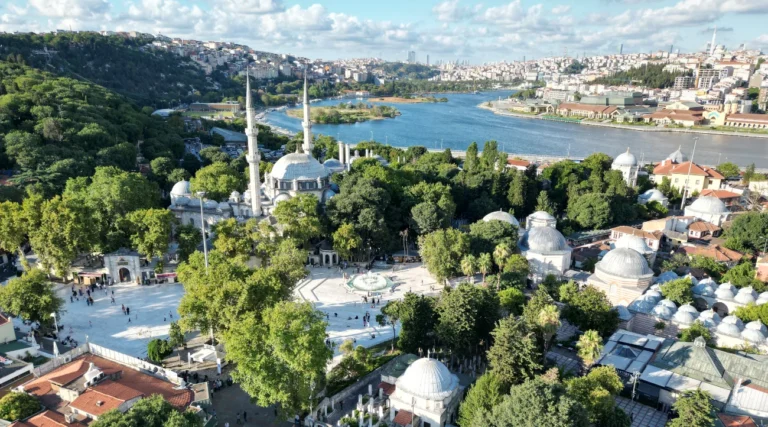
The mosque stands on the south side of Sultanahmet Square, between Hagia Sophia and the Hippodrome. The visitor entrance is on the Hippodrome side.
A sultan’s mosque facing Hagia Sophia
Sultan Ahmed I was only nineteen when he ordered a great mosque next to Hagia Sophia and on the site of Byzantine palaces. The architect Sedefkâr Mehmed Ağa, a pupil of the great Sinan, completed it in 1616.
The mosque was conceived as a complex, with a school, a hospital, a market, a kitchen for the poor and the tomb of the sultan, who died the year after its completion.
In recent years a long restoration cleaned the tiles and the painted decoration, bringing back the colours of the interior. The mosque has remained in use for prayer for more than four centuries.
Details and stories to look out for
- The prayer hall is lit by more than 200 windows, once filled with stained glass.
- The elephant feet columns are about five metres in diameter.
- A heavy chain hangs at the courtyard entrance on the Hippodrome side, so that riders had to bow their heads.
- The tiles show more than fifty different tulip designs.
- At night the mosque is lit up and looks spectacular from the square.
Blue Mosque tours and Sultanahmet experiences
Find your stay near the Blue Mosque
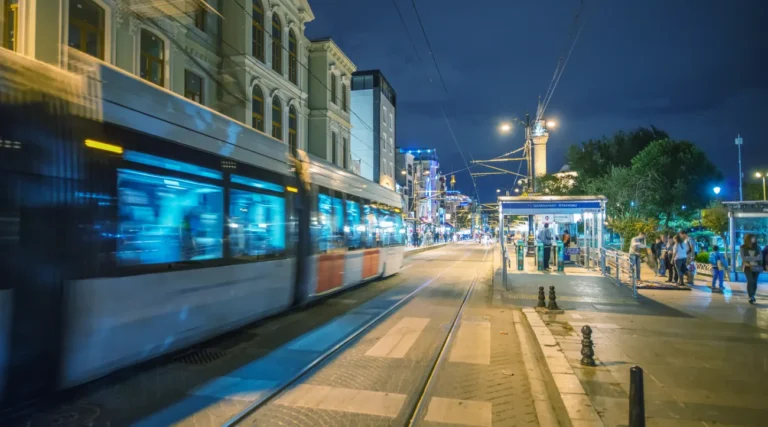
Staying in Sultanahmet lets you visit the mosque early, before the queues, and hear the call to prayer from your room. Compare the noise reviews and the distance to the T1 tram before booking.
Frequently Asked Questions - FAQ
More activities and experiences in Istanbul