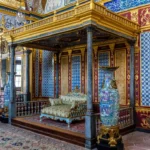
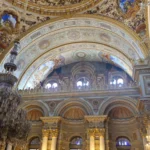
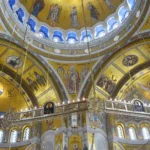
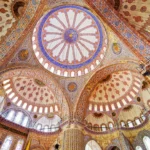
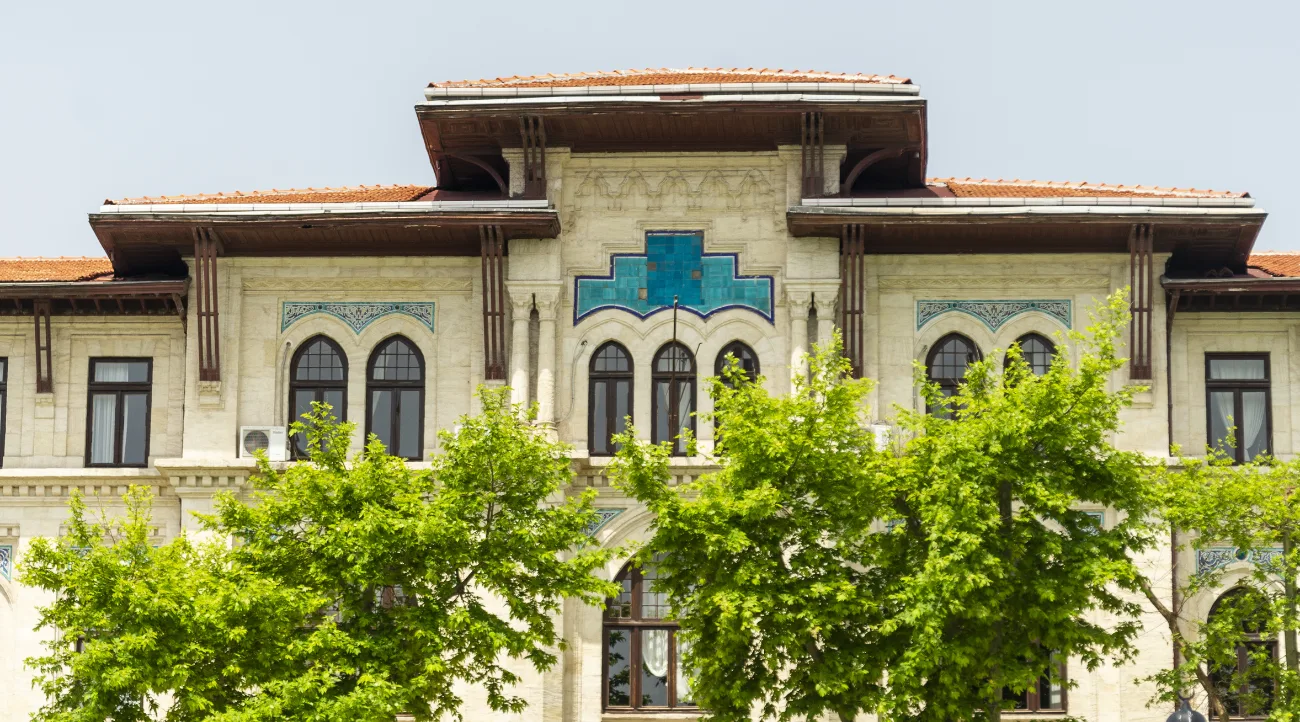
The Museum of Turkish and Islamic Arts occupies the palace of İbrahim Pasha, grand vizier and friend of Suleiman the Magnificent, on the edge of the Hippodrome. It is one of the very few private palaces of the sixteenth century still standing in Istanbul.
Its collections range from early Islamic manuscripts to Seljuk and Ottoman objects, and it is famous for one of the finest carpet collections in the world. It is also one of the calmest museums in Sultanahmet.
Museum of Turkish and Islamic Arts opening hours and admission
The museum opens every day from 09:00, with longer hours in summer than in winter. Last entry is shortly before closing. Hours can change on religious holidays, so check the times for your date before you go.
What to see in the Museum of Turkish and Islamic Arts
The rooms are arranged around the courtyard of the palace. Give most of your time to the carpet halls, then move on to the manuscripts and the ethnographic section.
Museum of Turkish and Islamic Arts at a glance
A quick summary to plan your visit and choose the right time of day.
How to visit the Museum of Turkish and Islamic Arts
Allow one to one and a half hours. The museum is right on the Hippodrome, so it fits easily between the Blue Mosque and Hagia Sophia.
The options below include skip-the-line entry with an audio guide and other tickets for Sultanahmet. Compare the inclusions, and check the city passes if you plan to visit many museums.
- The museum is a short walk from the Blue Mosque.
- The carpet collection is the highlight: start there.
- The courtyard café overlooks the Hippodrome.
- Labels are in Turkish and English.
- Visit in the middle of the day, when the mosques are busiest.
- Look out of the windows of the audience hall for the view of the Hippodrome.
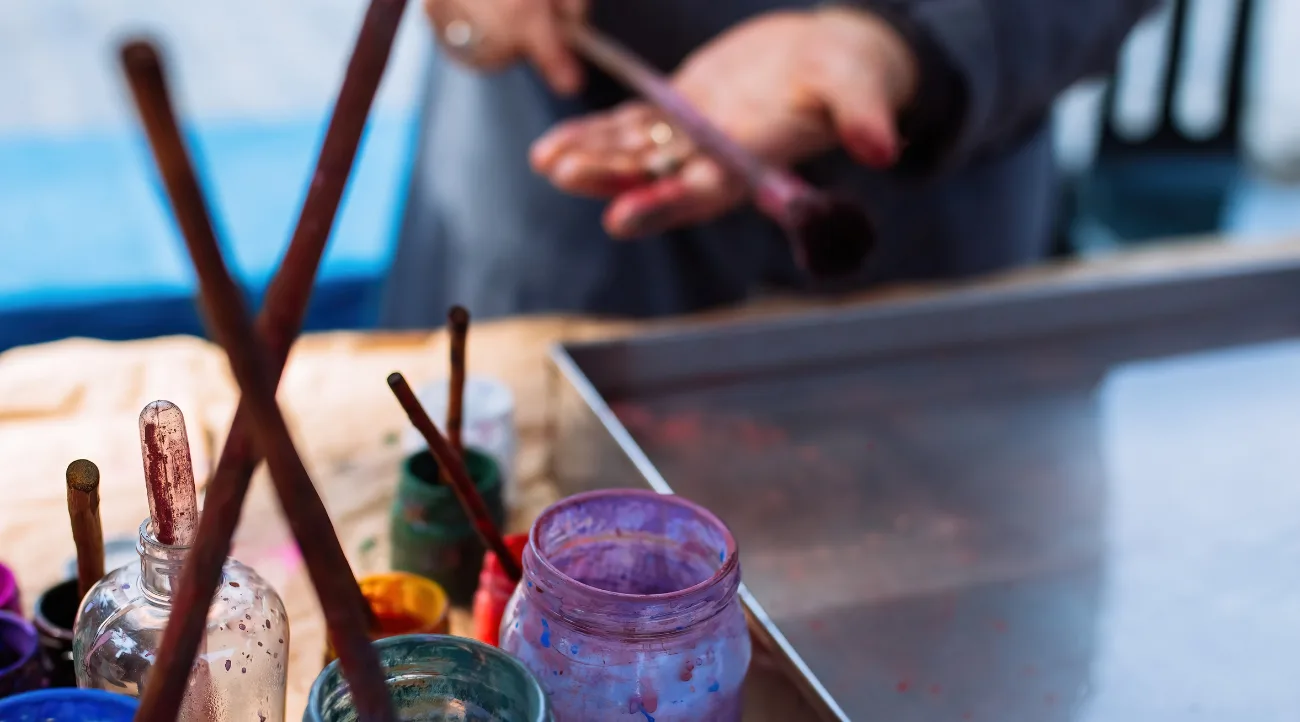
- Combine the museum with a carpet weaving workshop.
- Check if your city pass includes the museum.
How to reach the Museum of Turkish and Islamic Arts
The museum faces the Hippodrome and the Blue Mosque in Sultanahmet. The entrance is on the western side of the square.
From a vizier’s palace to a museum of Islamic art
The palace was built in the early sixteenth century and given by Suleiman the Magnificent to İbrahim Pasha, his grand vizier and close friend. Its size, facing the Hippodrome, showed the power of a man who was second only to the sultan, until his execution in 1536.
The museum was founded in 1914 to protect works of art from mosques and foundations across the empire. It moved into the restored palace in 1983.
Today its collections cover more than a thousand years of Islamic art, from the Umayyads and the Seljuks to the late Ottoman period.
Details and stories to look out for
- The palace is one of the largest private residences of the Ottoman period still standing.
- Some carpets here are of the types shown in Renaissance paintings by Holbein and Lotto.
- The Seljuk carpets come from the Alaeddin Mosque in Konya.
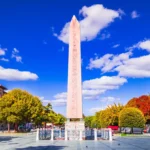
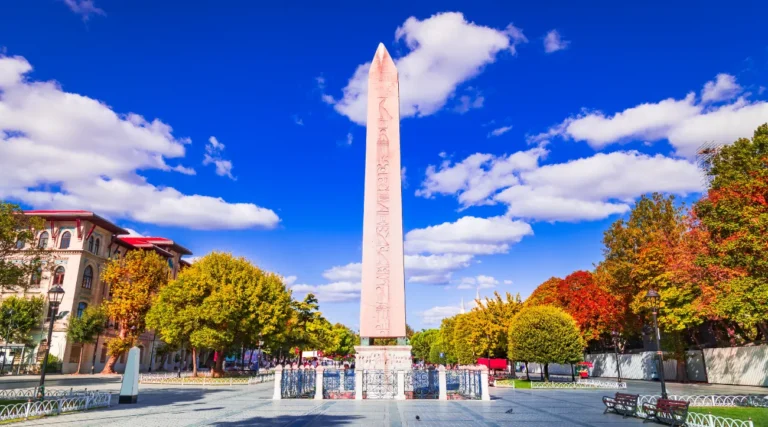
- From the windows you can see the Hippodrome’s Egyptian obelisk.
- The courtyard café is one of the quietest places in Sultanahmet.
Museum tickets and Turkish art workshops
Find your stay near the museum
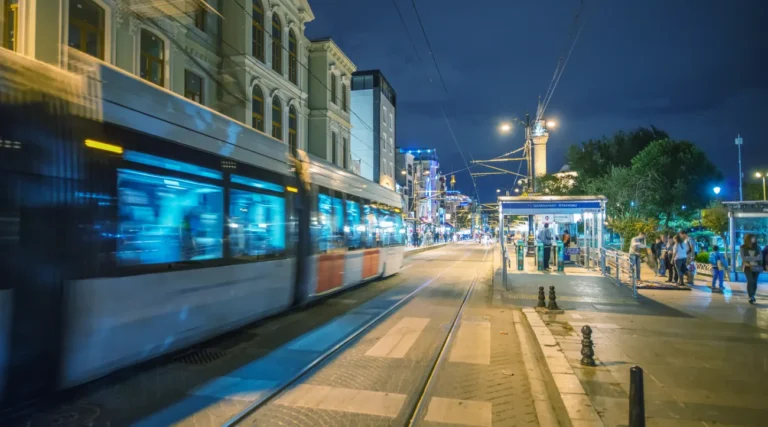
Staying in Sultanahmet puts the museum, the Blue Mosque, Hagia Sophia and the Hippodrome a few minutes away on foot. Compare location, reviews and access to the T1 tram before booking.
Frequently Asked Questions - FAQ
More activities and experiences in Istanbul