





























In short
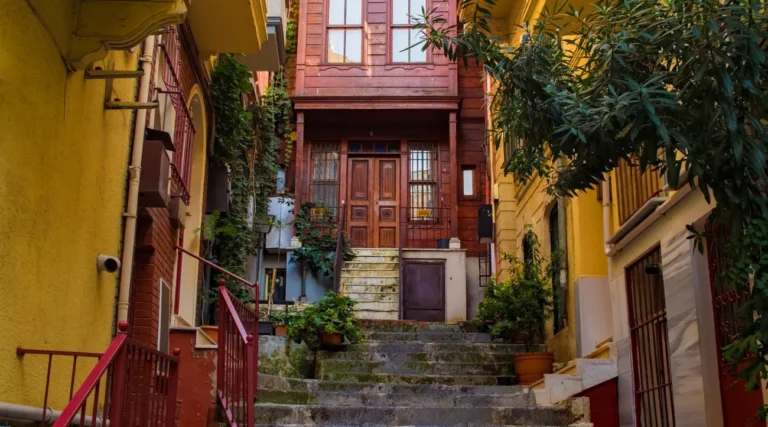
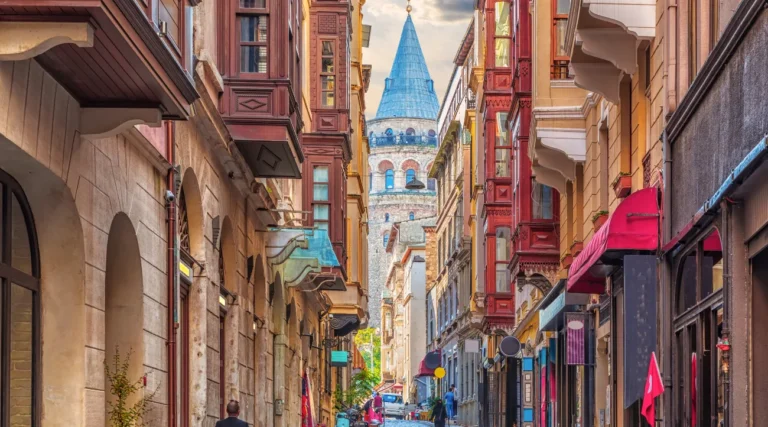
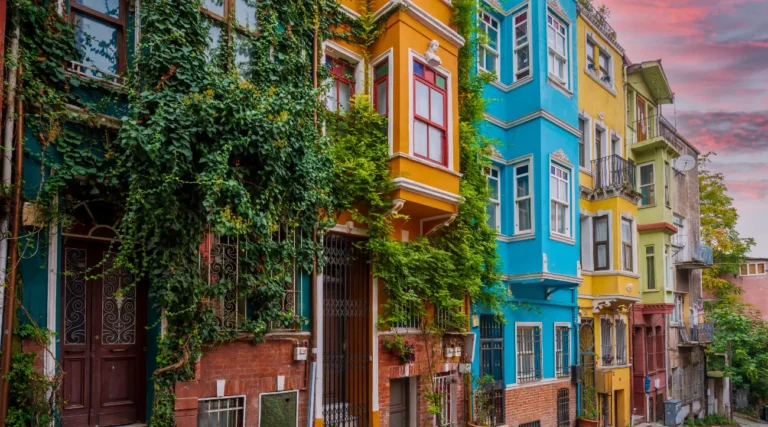
Balat and Fener are two neighbouring districts on the shore of the Golden Horn. For centuries they were home to Greek, Jewish and Armenian communities, and their steep lanes are lined with colourful wooden and brick houses.
Today the area mixes old churches and synagogues with antique shops, cafés and street art. It is one of the most photogenic corners of Istanbul and a welcome change from the crowds of Sultanahmet.
☰ Table of content
The perfect walk along the Golden Horn
Start at the waterfront in Fener, visit the Patriarchate and the Bulgarian Church, then climb the lanes of Balat towards the colourful houses of Kiremit Street. Weekday mornings are the quietest.
-
Recommended walk 2–3 hours
For the main churches, the colourful streets and a coffee break.
-
Local customs
People live in these houses: be discreet with photos and do not block doorways or steps.
What to see in Balat and Fener
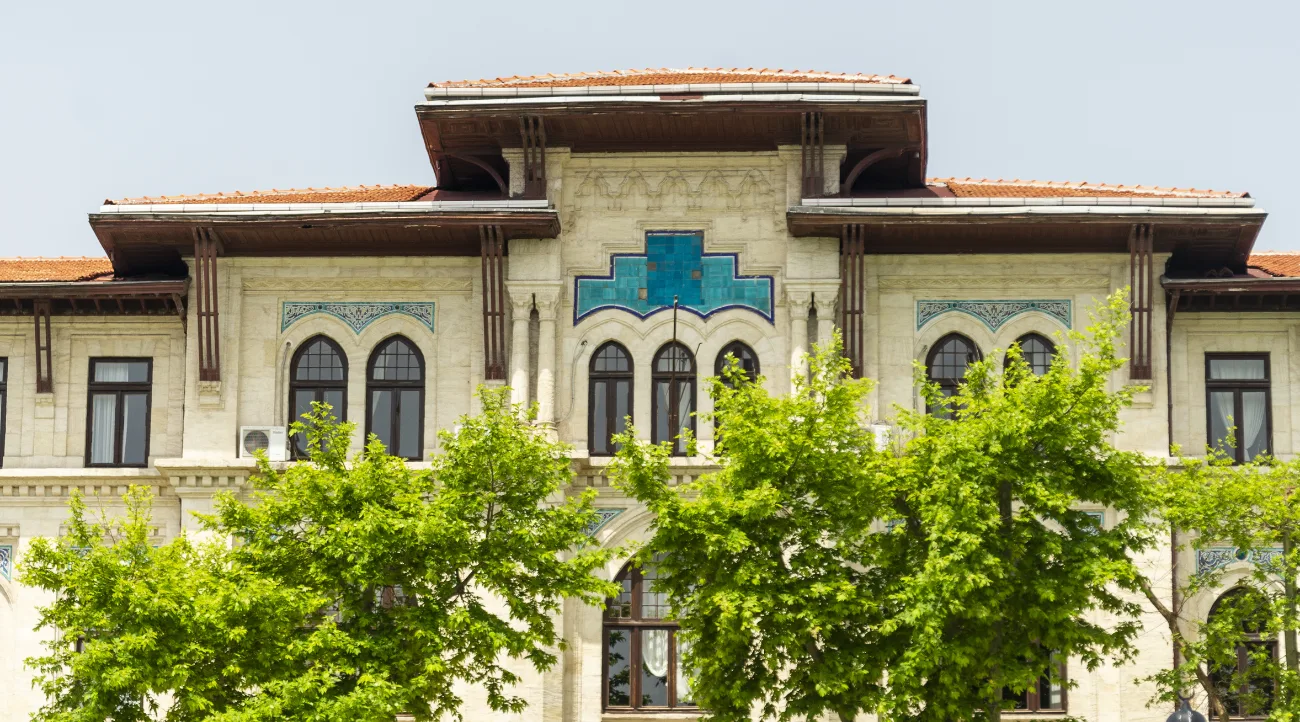
The pleasure is in wandering, but a few landmarks give shape to the walk. Look out for the red brick school on the hill: you will see it from almost everywhere.
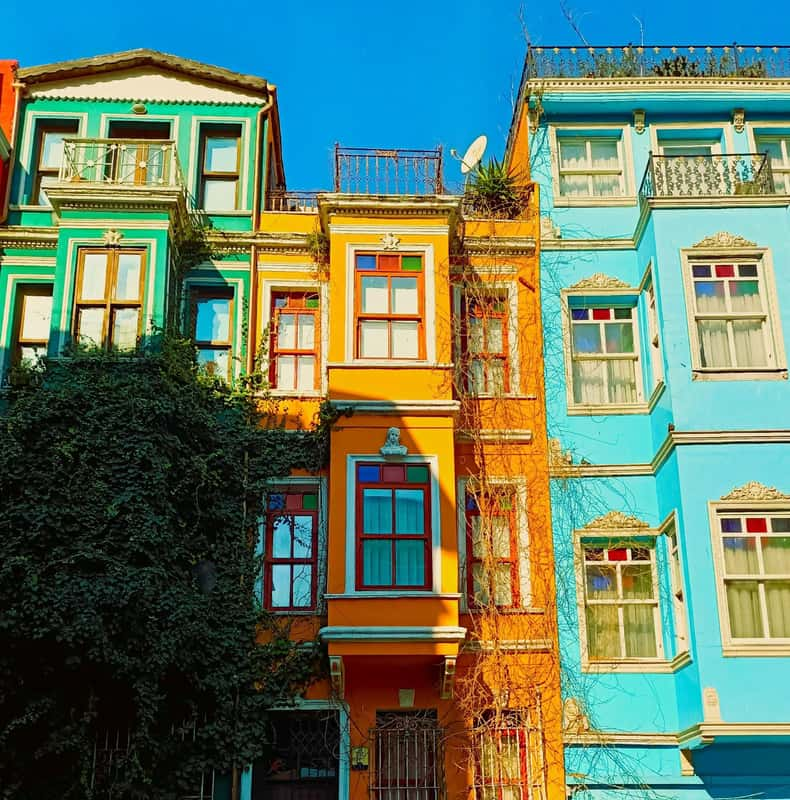
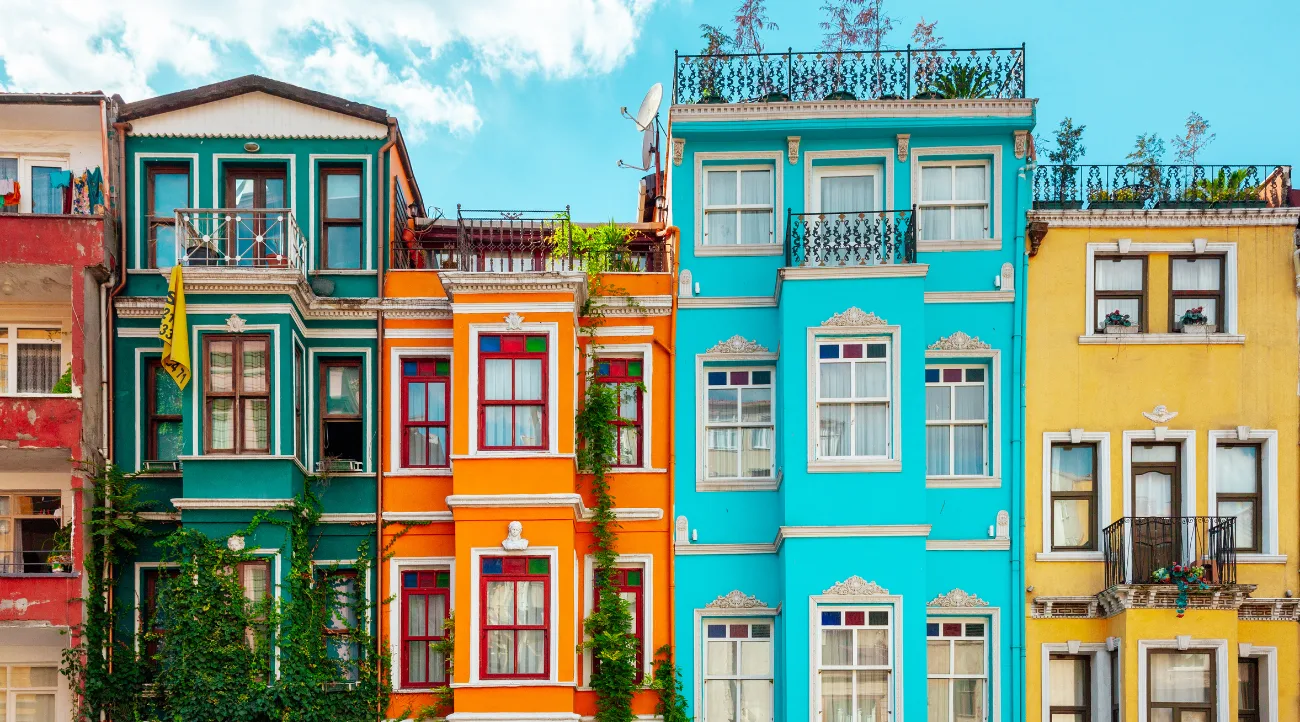
The colourful houses Must see
Painted façades on Kiremit Street and the lanes around it, the classic image of Balat.
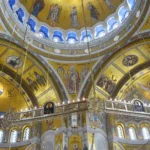
Bulgarian St Stephen Church Must see
A church made of prefabricated cast iron, shipped from Vienna and assembled here in the 1890s.
The Ecumenical Patriarchate Historic
The seat of the Orthodox Patriarch of Constantinople, with the Church of St George.
The Phanar Greek Orthodox College
The great red brick school on the hill, known as the Red Castle.
Ahrida Synagogue
One of the oldest synagogues in Istanbul, founded by Jews from Ohrid; visits by arrangement.
Balat and Fener at a glance
A quick summary to plan your walk and choose the right time of day.
Best moment
Weekday mornings for quiet streets and soft light
Crowd
Busy with photographers at weekends
Kid friendly
Steep streets and steps: not easy with strollers
Unmissable
The colourful houses, St Stephen Church and the Patriarchate
Type of experience
A free walk through historic neighbourhoods
What to expect
Steep lanes, local life, cafés and antique shops
Explore Balat and Fener with a guide
A guide brings the history of these neighbourhoods to life, from the Byzantine and Greek heritage of Fener to the Jewish past of Balat, and shows you churches and streets you might miss.
The options below are guided walks of Fener and Balat, some combined with the Chora Church or a cruise. Compare the duration and the meeting point before booking.

Galata Tower & Bridge, Spice Bazaar, Fener & Balat: Half-day Guided Walking Tour

Istanbul Fener Balat Walking Tour by Art Historian

Istanbul: Fener Balat Half-day Guided Walking Tour
Good to know
- The streets are steep, with steps and uneven paving.
- Churches can have limited opening hours.
- Be respectful: these are residential streets.
- Cafés and antique shops are concentrated in central Balat.
Practical tips
- Arrive by ferry along the Golden Horn.
- Walk uphill to Chora Church after Balat.
- Bring comfortable shoes for the slopes.
- Stop for breakfast in one of the cafés on Vodina Street.
How to reach Balat and Fener
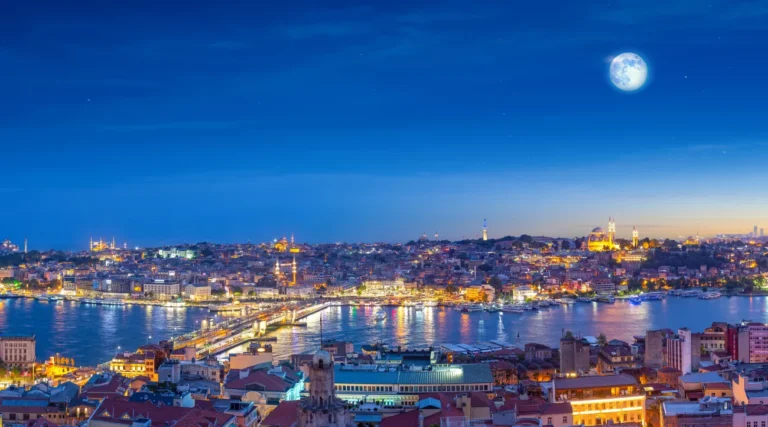
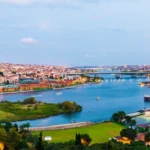
Balat and Fener lie on the southern shore of the Golden Horn, north-west of Eminönü. The waterfront road links them with the rest of the old city.
Golden Horn ferries from Karaköy and Üsküdar stop at Fener and Balat.
Buses from Eminönü along the Golden Horn stop at Fener and Balat in about 15–20 minutes.
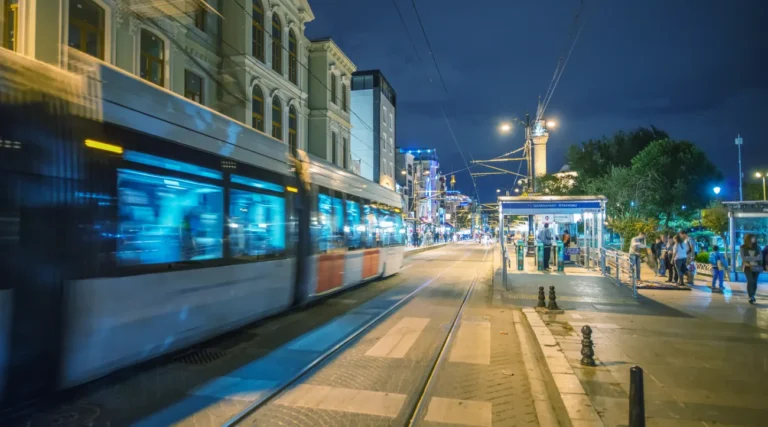
The T5 tram from Eminönü runs along the Golden Horn towards Balat.
Balat, Fatih, 34087 Istanbul
Greek, Jewish and Armenian neighbourhoods
Fener, the old Phanar, became the heart of the Greek Orthodox community after the conquest of 1453, when the Patriarchate settled here. Wealthy Phanariot families built mansions along the slopes.
Read allShow less
Read allShow less
Balat was home to a large Jewish community, including Sephardic Jews who arrived after their expulsion from Spain in 1492, as well as Armenians and Greeks. Over the twentieth century most of these communities left, and the area became poorer and quieter.
Restoration projects in recent decades renewed many houses, and Balat became a favourite of photographers, artists and young Istanbul residents.
Details and stories to look out for
- St Stephen Church is one of the few cast iron churches in the world.
- The Patriarchate’s main gate has stayed closed since 1821.
- The Red Castle school is one of the oldest Greek schools in the city.
- Old wooden houses with bay windows are called cumba.
- The Golden Horn waterfront is now a long park for walking and cycling.
Balat walks and Istanbul photoshoots
Find your stay in Balat
Staying in Balat gives you a local, colourful base far from the crowds, with cafés and the Golden Horn on your doorstep. Transport is slower than in the centre, so check the ferry and bus links before booking.
Frequently Asked Questions - FAQ
Is Balat worth visiting?
Yes, for its colourful streets, its churches and a more local side of Istanbul.
How long should I spend there?
About 2–3 hours to explore Balat and Fener on foot.
How do I get to Balat?
By Golden Horn ferry, by bus from Eminönü or by the T5 tram.
Is Balat safe?
Yes, it is a residential area; use normal city precautions.
What is the best time to visit?
Weekday mornings, when the streets are quiet and the light is soft.
Can I visit the Bulgarian Church?
Yes, the restored St Stephen Church is open to visitors; dress respectfully.
Is it suitable for strollers?
Not really: the streets are steep and have steps.
What can I combine it with?
The Chora Church, the Theodosian Walls and a ferry on the Golden Horn.