





















In short
Rumeli Fortress (Rumeli Hisarı) climbs the hillside at the narrowest point of the Bosphorus. Sultan Mehmed II built it in only a few months in 1452, a year before the conquest of Constantinople, to control the ships sailing to the city.
Its three great towers and walls face the older Anadolu Fortress on the Asian shore. Today it is an open-air museum, and one of the most striking sights of any Bosphorus cruise.
Planning to see Rumeli Fortress?
Compare Bosphorus cruises that sail past the fortress and the bridges.
☰ Table of content
Rumeli Fortress opening hours and admission
The fortress is run as a museum with its own opening days and ticket. It has been closed for long restoration works in recent years, so check whether it is open before you go. From the outside and from the water you can see it at any time.
Hours
-
Museum Check before you go
Restoration works can close it
-
Outside views At all hours
From the shore road and the water
-
Cruises Daily
Many pass in front of the fortress
Prices
-
Museum entry Set by the Ministry
When the fortress is open
-
Bosphorus cruises From about €7
See the fortress from the water
-
Sunset yacht trips Higher
Smaller boats with drinks
What to see at Rumeli Fortress
The fortress is built on a steep slope, with walls linking three main towers and several smaller ones. When open, paths and stairs lead up to viewpoints over the strait.
The three great towers Must see
Named after the viziers who built them: Halil Pasha, Saruca Pasha and Zağanos Pasha.
The Bosphorus view Must see
The narrowest point of the strait, with the Fatih Sultan Mehmet Bridge just to the north.
Anadolu Fortress Opposite
The older fortress on the Asian shore, built by Bayezid I.
The walls and gates
Massive walls following the slope, with gates towards the shore and the hill.
The village of Rumeli Hisarı
Waterfront cafés and breakfast places at the foot of the fortress.
Rumeli Fortress at a glance
A quick summary to plan your visit and choose the right time of day.
Best time
Morning or late afternoon; a Bosphorus cruise for the full view
Crowds
Usually calm
With children
Steep paths and steps inside the walls
Unmissable
The towers, the walls and the narrowest point of the Bosphorus
Suggested visit length
A medieval fortress on the shore of the strait
What to expect
A short stop or a longer museum visit when open
See Rumeli Fortress from the water
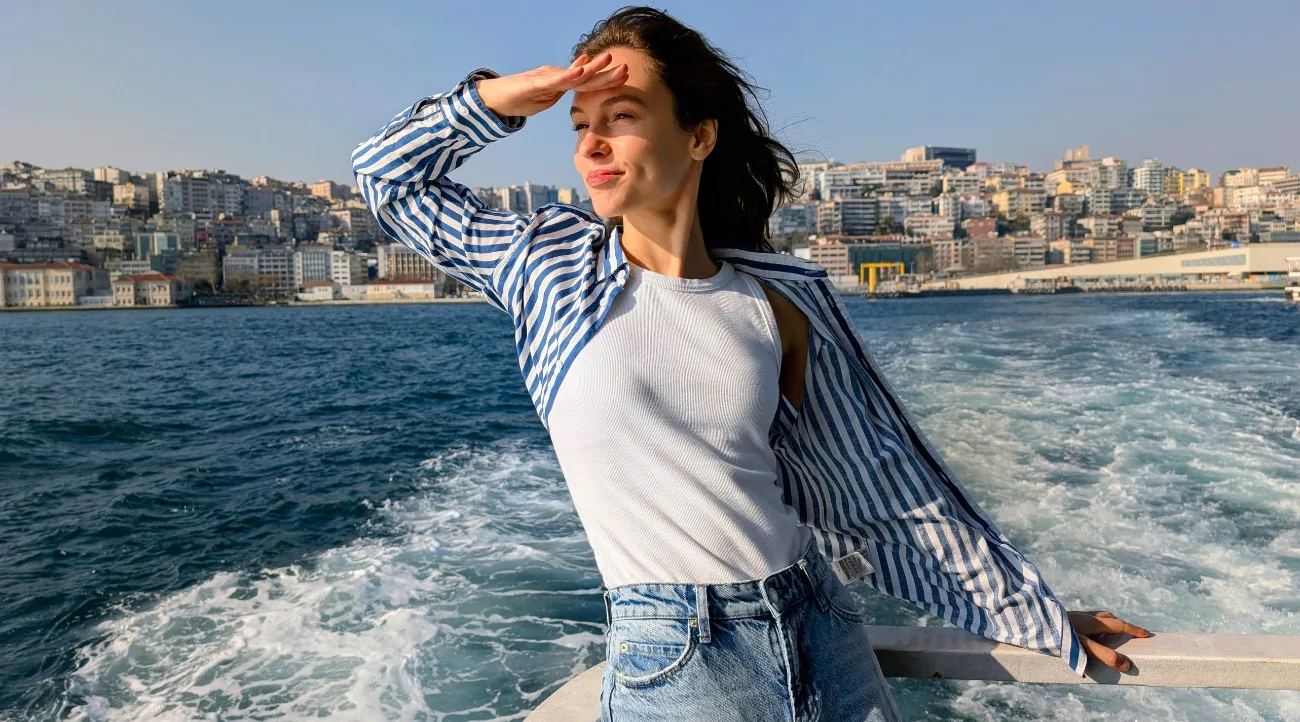
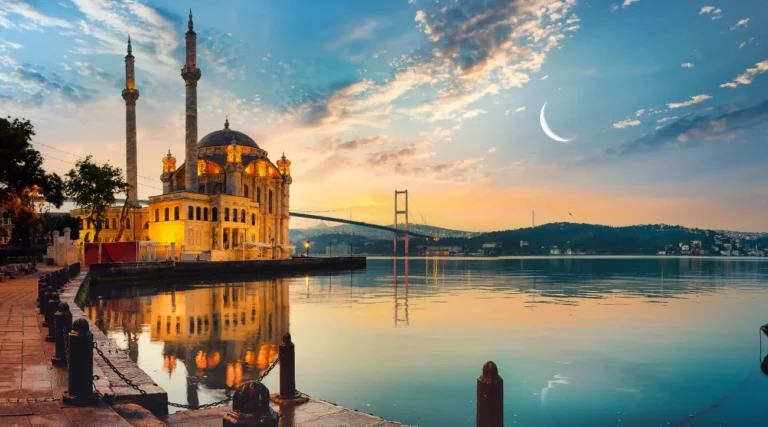
The best way to see the size of Rumeli Fortress is from a boat on the Bosphorus. Most cruises sail up to the Fatih Sultan Mehmet Bridge, right in front of the fortress, before turning back.
The options below are Bosphorus cruises of different lengths. Compare the route, the duration and the departure pier before booking.

Istanbul: Guided Bosphorus Sightseeing Cruise + Audio Guide

Bosphorus Explorer: 2-Hour Cruise Throughout the Day

Istanbul: Daytime or Sunset Sightseeing Cruise & Audio Guide
Good to know
- Check whether the museum is open before going inside.
- The paths inside the walls are steep.
- The shore road below is busy with traffic.
- Cafés and breakfast places are at the foot of the walls.
Practical tips
- Combine the fortress with Bebek and Emirgan.
- Have a Turkish breakfast in Rumeli Hisarı village.
- See it from a cruise for the full scale of the walls.
- Walk along the shore from Bebek in about 20 minutes.
How to reach Rumeli Fortress
The fortress stands on the European shore of the Bosphorus, between Bebek and Baltalimanı, below the Fatih Sultan Mehmet Bridge.
Buses from Kabataş and Beşiktaş run along the shore to Rumeli Hisarı in about 30–40 minutes.
From Bebek, walk north along the waterfront in about 20 minutes.
Bosphorus cruises pass in front of the fortress; some ferries stop nearby.
Rumeli Fortress, Rumeli Hisarı, Yahya Kemal Cd., 34470 Sarıyer/Istanbul
The castle that cut off Constantinople
In the spring of 1452, the young Sultan Mehmed II ordered a fortress at the narrowest point of the Bosphorus, opposite the older Anadolu Fortress. Thousands of workers finished it in about four months.
Read allShow less
Read allShow less
Its cannons could stop ships carrying help to Constantinople, and the fortress earned the name “Throat Cutter”. After the conquest of 1453 it lost its military role and was used as a customs post and prison.
Restored in the twentieth century, it became an open-air museum and a venue for summer concerts.
Details and stories to look out for
- The fortress was nicknamed Boğazkesen, “the throat cutter”.
- Each of the three main towers was built by a different vizier.
- The Bosphorus is only about 700 metres wide here.
- The Fatih Sultan Mehmet Bridge, opened in 1988, rises just to the north.
- Summer concerts were once held in the open-air theatre inside the walls.
Bosphorus cruises and sunset yacht trips
Find your stay near Rumeli Fortress
Staying on the upper Bosphorus, around Bebek and Emirgan, means waterfront walks and calm evenings, but longer journeys to the old city. Compare transport links before booking.
Frequently Asked Questions - FAQ
Can I visit inside Rumeli Fortress?
When the museum is open, yes; it has been closed for restoration in recent years, so check before going.
When was it built?
In 1452, in about four months, by Mehmed II.
Can I see it from a cruise?
Yes, most Bosphorus cruises sail in front of the fortress.
How do I get there?
By bus along the shore from Kabataş or Beşiktaş, or on foot from Bebek.
What is opposite the fortress?
Anadolu Fortress on the Asian shore.
Is it suitable for children?
Yes, but the paths are steep inside the walls.
What is nearby?
Bebek, Emirgan Park and the Fatih Sultan Mehmet Bridge.
Why was it built?
To control the Bosphorus and cut off help to Constantinople before the siege of 1453.