






























In short
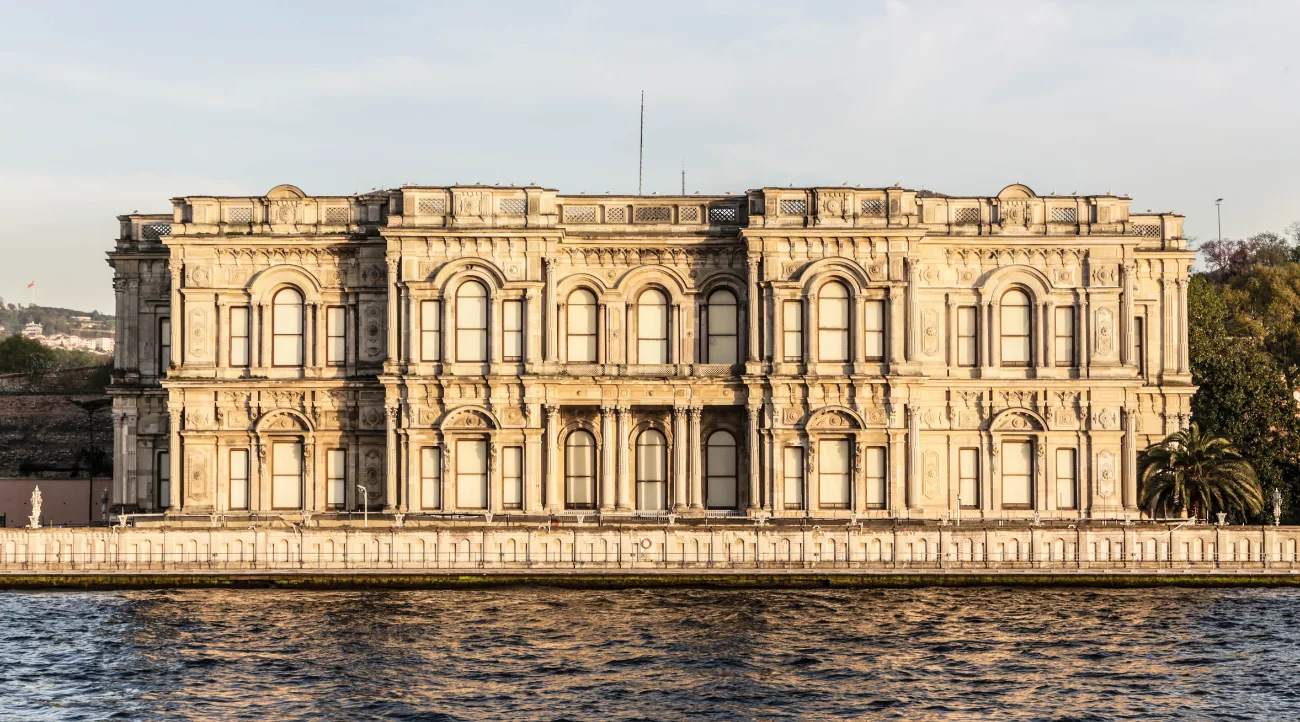
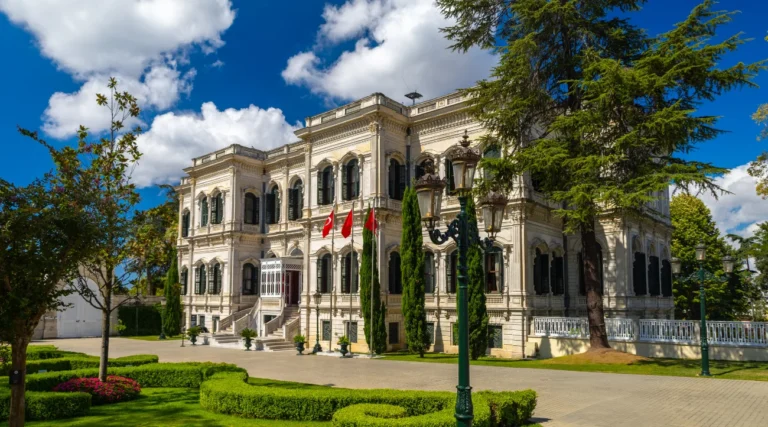
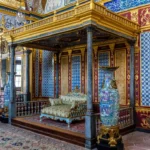
Beylerbeyi Palace is the Ottoman summer palace on the Asian shore of the Bosphorus, right below the first Bosphorus bridge. Built in the 1860s for Sultan Abdülaziz, it was used as a summer residence and to host foreign royalty.
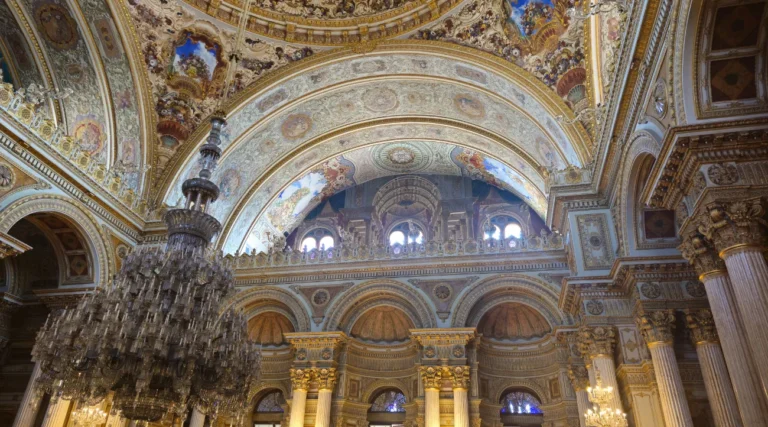
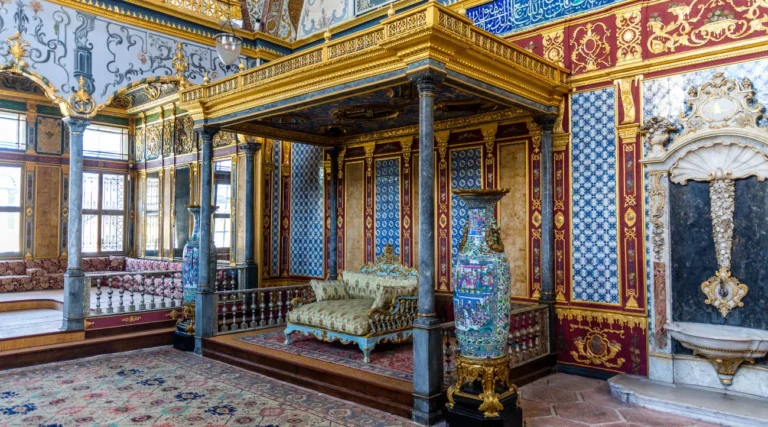
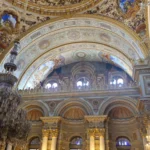
Smaller and much quieter than Dolmabahçe, it has marble halls, crystal chandeliers, a hall with a pool and fountain, and terraced gardens that climb the hill behind the palace.
Planning a visit to Beylerbeyi Palace?
Compare entry tickets with an audio guide and half-day tours of the Asian side that include the palace.
☰ Table of content
Beylerbeyi Palace opening hours and admission
The palace opens Tuesday to Sunday from 09:00 and closes in the late afternoon; it is closed on Mondays. Last entry is about an hour before closing, and hours can change on religious holidays or during official events. Check the times for your date before you go.
Hours
-
Tuesday to Sunday From 09:00
Closes in the late afternoon
-
Monday Closed
Weekly closing day
-
Last entry About 1 hour before closing
Visits follow a set route
Prices
-
Entry with audio guide From €17
Skip the ticket desk
-
Asian side tours Higher
Transport and guide included
-
Children under 6 Free
Bring proof of age
What to see inside Beylerbeyi Palace
Visits follow a set route through the Selamlık and the Harem, then you are free to explore the gardens and the waterfront.
The Pool Hall Must see
A ground-floor hall with a marble pool and fountain, designed to keep the palace cool in summer.
The terraced gardens Must see
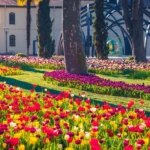
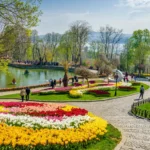
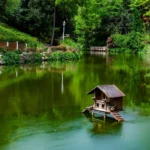
Gardens with magnolias, a pond and old pavilions climbing the hill behind the palace.
Guest rooms of royalty History
Rooms where foreign guests such as Empress Eugénie of France stayed during their visits.
The sea pavilions
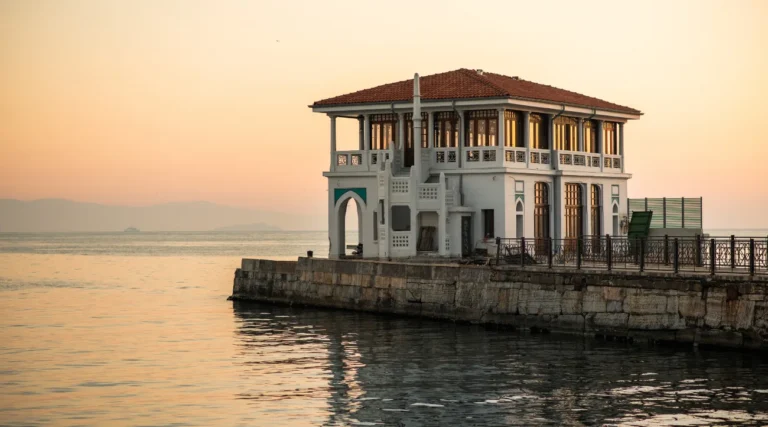
Two small marble kiosks on the water, one for men and one for women, with views of the strait.
The view of the bridge
The first Bosphorus bridge rises right above the palace, a striking contrast with the Ottoman façades.
Beylerbeyi Palace visit at a glance
A quick summary to plan your visit and choose the right time of day.
Best time
Weekday mornings; spring and early summer for the gardens
Crowds
Usually calm, with occasional tour groups
With children
Children under 6 enter free; the gardens give room to move
Unmissable
The Pool Hall, the gardens and the sea pavilions
Suggested visit length
Allow 1–1.5 hours with the gardens
What to expect
A set indoor route with shoe covers; no photos in the rooms
How to visit Beylerbeyi Palace
Allow one to one and a half hours for the rooms and the gardens. The palace is on the Asian side, so combine it with Üsküdar, Çamlıca Hill or a walk along the Bosphorus shore.
The options below include entry with an audio guide and half-day tours of the Asian side with transport. Compare the inclusions and the meeting point before booking.

Half-Day Afternoon Istanbul Asia Tour With Beylerbeyi Palace

Beylerbeyi Palace Skip-the-Line Ticket with Audio Guide

Istanbul: Beylerbeyi Palace Skip-the-Line Ticket & Audio Guide
Good to know
- The palace is closed on Mondays.
- Photography is not allowed in the rooms.
- Shoe covers are provided for the indoor route.
- The gardens can be visited after the rooms.
Practical tips
- Take the ferry to Üsküdar for the views, then a short bus ride.
- Walk the waterfront to see the sea pavilions.
- Combine the palace with Çamlıca Hill or Üsküdar.
- Visit in spring, when the gardens are in bloom.
How to reach Beylerbeyi Palace
The palace stands on the shore of Beylerbeyi, north of Üsküdar, directly below the 15 July Martyrs Bridge. The entrance is on the coastal road.
Take a public ferry to Üsküdar from Eminönü, Karaköy or Beşiktaş in about 15–20 minutes.
From Üsküdar, buses along the Bosphorus shore reach Beylerbeyi in about 15 minutes.
A taxi from Üsküdar takes about 10 minutes, depending on traffic.
Beylerbeyi Palace, Beylerbeyi, Abdullahağa Cd., 34676 Üsküdar/Istanbul
A summer palace for sultans and guests
Sultan Abdülaziz commissioned the palace in 1861 on the site of an older wooden palace. The architects of the Balyan family designed it in a mix of Ottoman and European styles, smaller and more intimate than Dolmabahçe across the water.
Read allShow less
Read allShow less
The palace served as a summer residence and as a guest house for foreign dignitaries. Empress Eugénie of France stayed here in 1869, on her way to the opening of the Suez Canal.
Sultan Abdülhamid II spent his last years at Beylerbeyi and died here in 1918. Today the palace is run by the National Palaces administration and is open to visitors as a museum.
Details and stories to look out for
- Empress Eugénie is said to have admired the palace so much that she copied ideas for her own rooms.
- The Pool Hall was designed to cool the palace in the summer heat.
- The palace was built mainly in white marble on a cut-stone base.
- The sea pavilions were used for bathing and for watching the Bosphorus.
- A tunnel for the coastal road runs under the palace gardens.
Palace tickets and cruises on the Bosphorus
Find your stay near Beylerbeyi Palace
Beylerbeyi and Üsküdar are quiet and local, with views of the European shore. Stay here for a calm base on the Asian side, and compare the distance to the ferry piers before booking.
Frequently Asked Questions - FAQ
On which day is Beylerbeyi Palace closed?
The palace is closed on Mondays.
How long does a visit take?
Plan 1–1.5 hours for the rooms and the gardens.
Can I take photos inside?
No. Photography is not allowed in the rooms, but you can take photos in the gardens.
How do I get to Beylerbeyi Palace?
Take a ferry to Üsküdar, then a bus north along the shore for about 15 minutes, or a taxi.
Is Beylerbeyi worth visiting if I have seen Dolmabahçe?
Yes. It is smaller, quieter and has beautiful gardens and sea pavilions on the Asian shore.
Who stayed at Beylerbeyi Palace?
Foreign guests such as Empress Eugénie of France; Sultan Abdülhamid II spent his last years here.
Is the visit suitable for children?
Yes. The indoor route is short and the gardens give children room to move.
Can I combine the palace with other sights?
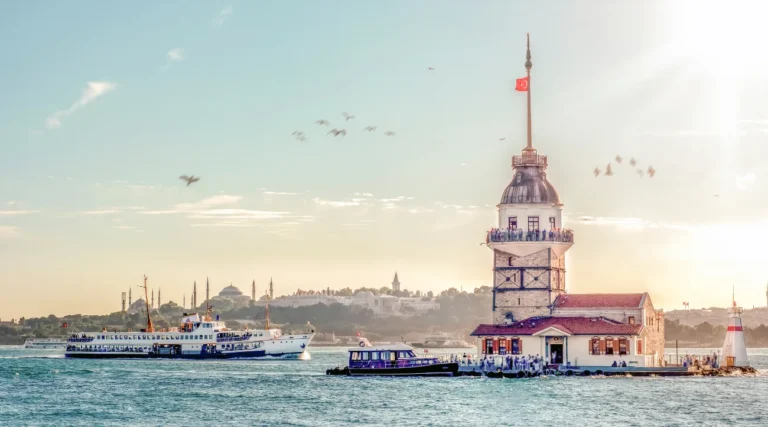
Yes. Combine it with Üsküdar, the Maiden’s Tower or Çamlıca Hill on the Asian side.