



































Explore all cities

Theodosius Cistern: Byzantine Columns & Light Shows

A 5th-century Byzantine cistern near Sultanahmet: 32 marble columns, light projections and few crowds

In short

The Theodosius Cistern, known in Turkish as Şerefiye Sarnıcı, was built in the fifth century under Emperor Theodosius II to store water for Constantinople. Hidden for centuries under later buildings, it was restored and opened to visitors in recent years.

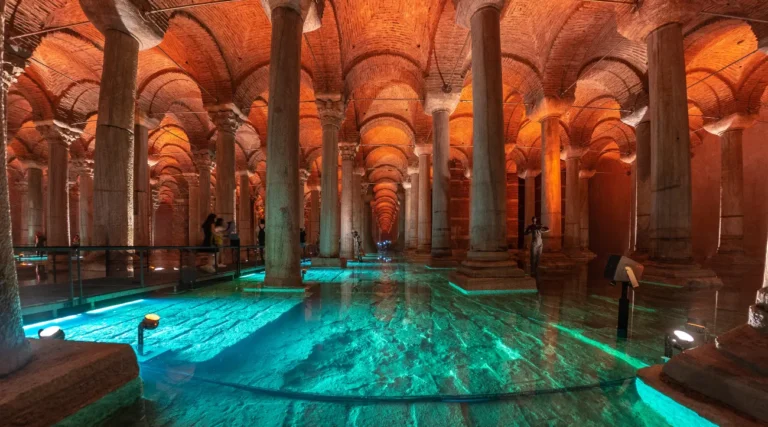
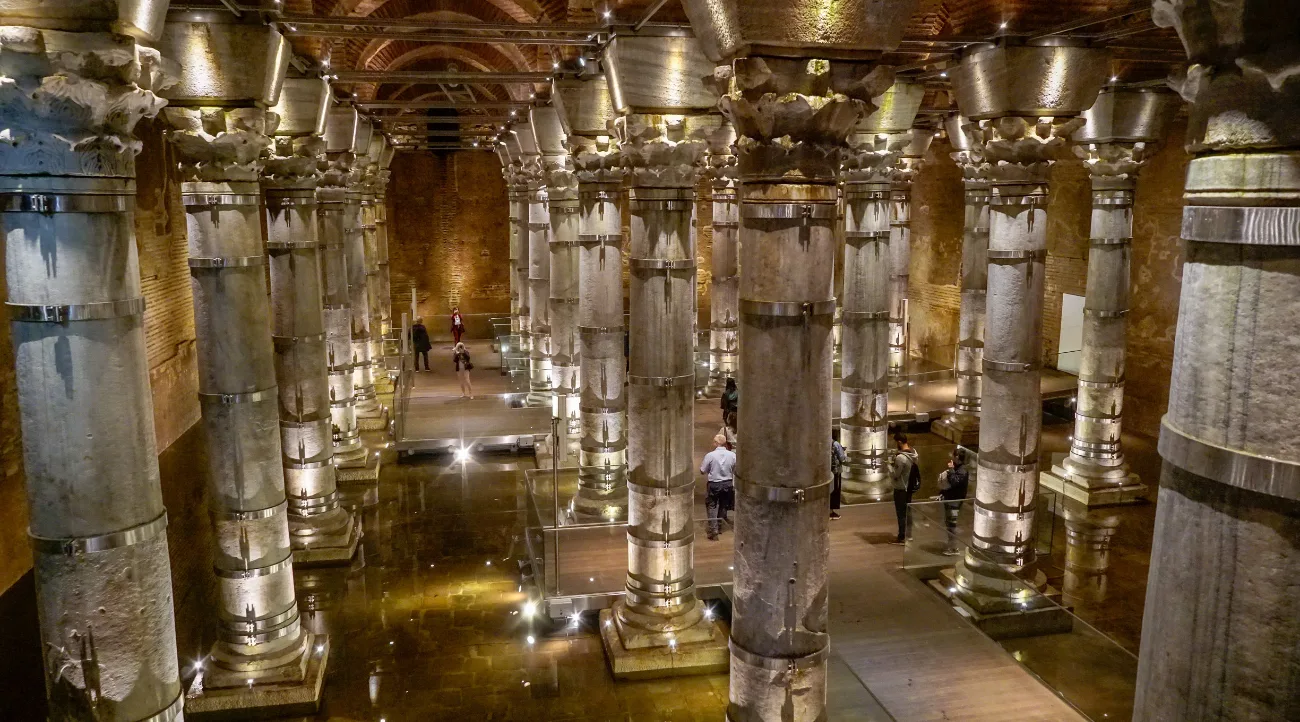
Inside, 32 marble columns rise from the floor, lit by projections and art installations. Smaller and quieter than the Basilica Cistern, it is a ten-minute walk from Sultanahmet.

☰ Table of content

Theodosius Cistern opening hours and admission

The cistern is open every day, from the morning until the evening. Light and sound shows run during the visit. Hours can change on public holidays, so check the times for your date before you go.

Hours

  • Every day Morning to evening

    No weekly closing day

  • Light shows During the visit

    Projections on the columns

  • Last entry Before closing

    Allow 30 minutes inside

Prices

  • Entry Set by the city

    Official price for foreign visitors

  • Entry with audio guide From €25

    Online ticket booked in advance

  • Old city bundles Higher

    With a guide and other sights

What to see inside the Theodosius Cistern

The cistern is a single vaulted hall. Walk the raised path around the columns and stay for the projections, which change the atmosphere of the space.

1

The 32 marble columns Must see

Columns with Corinthian capitals in four rows, holding up the brick vaults.

2

The light installations Must see

Projections and colours on the columns and vaults that change during the visit.

3

The brick vaults Byzantine

Fifth-century brick vaults, still watertight after more than 1,500 years.

4

The entrance building

A modern pavilion on Piyerloti Street that leads down into the cistern.

5

The old city above

Çemberlitaş, the Column of Constantine and the Grand Bazaar are a few minutes away.

Theodosius Cistern visit at a glance

A quick summary to plan your visit and choose the right time of day.

How to visit the Theodosius Cistern

The visit is short: allow about 30 minutes. It is a quieter alternative to the Basilica Cistern, or a good addition if you love Byzantine architecture.

The options below include skip-the-line entry with an audio guide and old city bundles. Compare what each option includes before booking.

x

Theodosius Cistern: Skip The Line Ticket + Audio Guide

See the marble columns and enjoy modern exhibitions
Istanbul Blue Mosque, Hagia Sophia & Cistern of Theodosius

Istanbul Blue Mosque, Hagia Sophia & Cistern of Theodosius

Visit Hagia Sophia, Blue Mosque, and Cistern on a 3-hour guided tour. Explore in small groups with skip the line tickets included. Learn about Istanbul’s rich Ottoman and…
Theodosius Cistern Skip-the-Line Entry Ticket

Theodosius Cistern Skip-the-Line Entry Ticket

Skip-the-line entry to the 5th-century Theodosius Cistern, with its marble columns and light installations.

Good to know

  • The cistern is open every day.
  • It is much quieter than the Basilica Cistern.
  • The floor can be damp: wear shoes with grip.
  • Photography without flash is allowed.

Practical tips

  • Combine it with the Grand Bazaar and Çemberlitaş.
  • Visit in the middle of the day to escape the heat.
  • Stay for a full cycle of the light show.
  • Walk on to the Basilica Cistern to compare the two.

How to reach the Theodosius Cistern

The entrance is on Piyerloti Street in Binbirdirek, between Sultanahmet and Çemberlitaş.

Tram

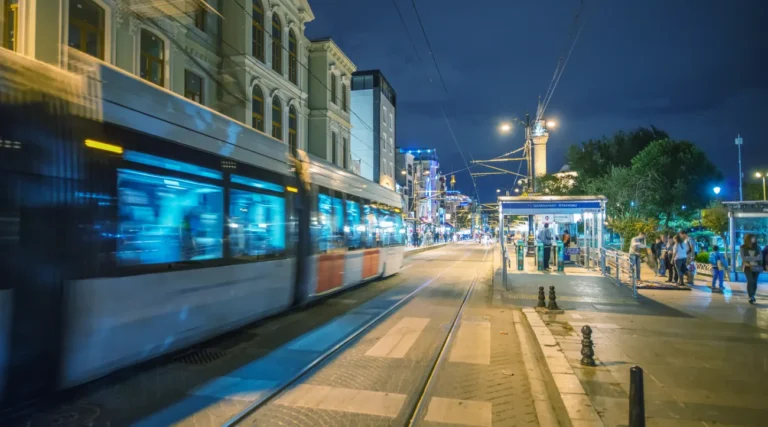
Take the T1 tram to Çemberlitaş; the cistern is about 5 minutes on foot.

On foot

From Sultanahmet Square, walk along Divanyolu and turn left in about 10 minutes.

Ferry

Ferries arrive at Eminönü; from there take the T1 tram uphill.

Walking times to the Theodosius Cistern
5
min · Walk
Çemberlitaş tram stop
10
min · Walk
Sultanahmet Square
10
min · Walk
Grand Bazaar
Approximate walking estimates; allow for crossings and your own pace.

A Byzantine reservoir rediscovered

The cistern was built between 428 and 443, during the reign of Theodosius II, to collect water brought by aqueduct into the city. It is one of the many reservoirs that kept Constantinople supplied during sieges.

Over the centuries it was forgotten under houses and later under a municipal building. Restored by the local municipality, it opened to visitors in 2018 as a venue for light shows and exhibitions.

Today it offers an intimate view of Byzantine engineering just steps from the busiest streets of the old city.

Details and stories to look out for

  • Its Turkish name, Şerefiye, comes from a later building above it.
  • The cistern measures about 45 by 25 metres.
  • It is one of more than a hundred Byzantine cisterns under Istanbul.
  • The columns are reused from older buildings.
  • It hosts exhibitions and events in some periods.

Cistern tickets and old city tours

Find your stay near the Theodosius Cistern

Staying in Sultanahmet puts the cistern, the Grand Bazaar and Hagia Sophia within walking distance. Compare location, reviews and access to the T1 tram before booking.

Frequently Asked Questions - FAQ

What is the Theodosius Cistern?

A fifth-century Byzantine cistern with 32 marble columns, now open with light installations.
About 30 minutes.

It is smaller and quieter; many visitors enjoy seeing both.

Yes, check the hours for your date.

Yes, the lights and colours are popular with children.

Take the T1 tram to Çemberlitaş and walk about 5 minutes.

Yes, without flash.

The Grand Bazaar, Çemberlitaş and Sultanahmet Square.

More activities and experiences in Istanbul

You might also be interested in...

The journey continues…

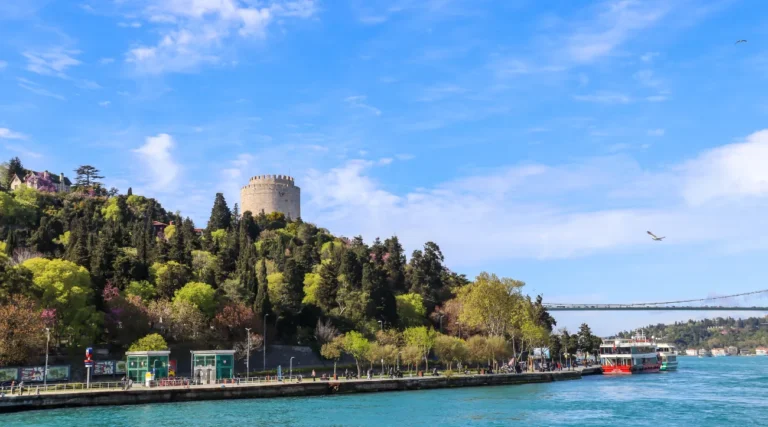
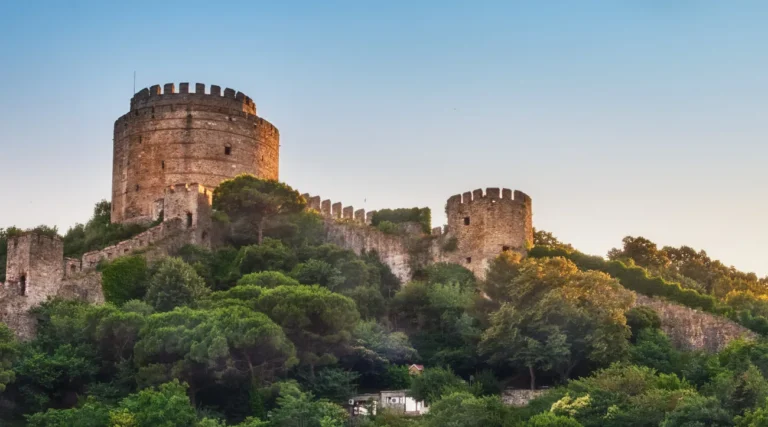
Rumeli Hisarı fortress on the Bosphorus
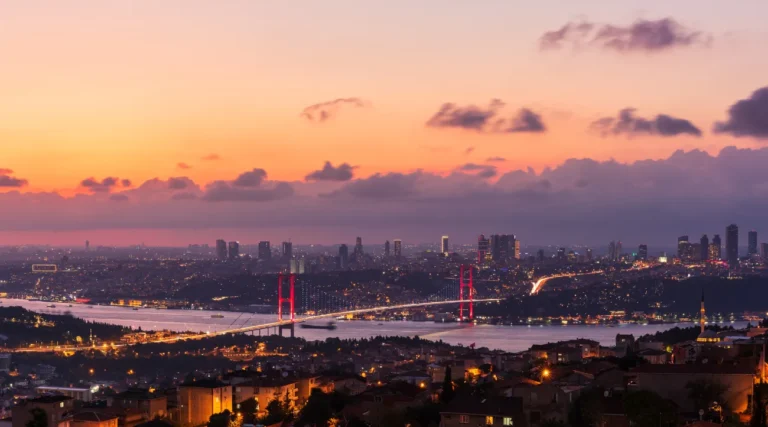
The Bosphorus Bridge and the Istanbul skyline at sunset
Traveller looking at a flight information board in an airport
Street cart selling simit bagels in Istanbul
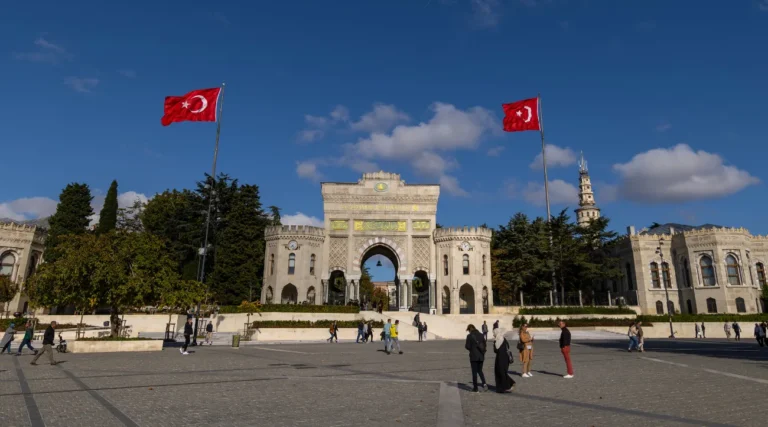
Istanbul University gate on Beyazıt Square in the old city
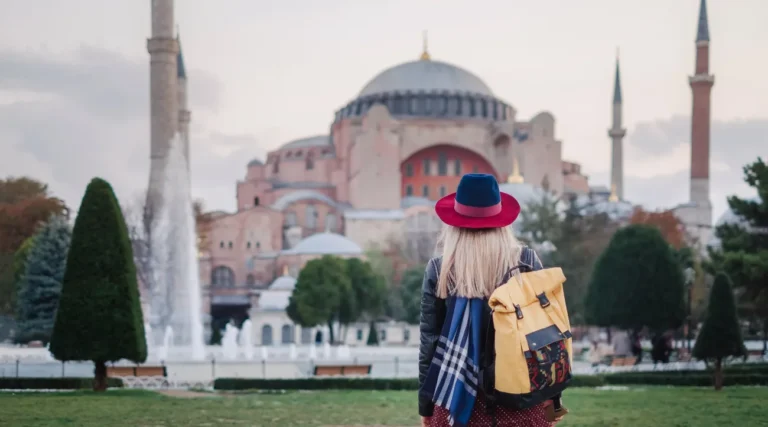
Woman travelling near the Hagia Sophia

Must-Do Activities & Tours

Share:
Prev
Rumeli Fortress: Mehmed II’s Castle on the Bosphorus
Next
Yıldız Palace: The Last Ottoman Court & Visitor Guide