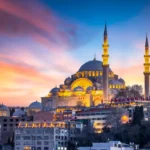
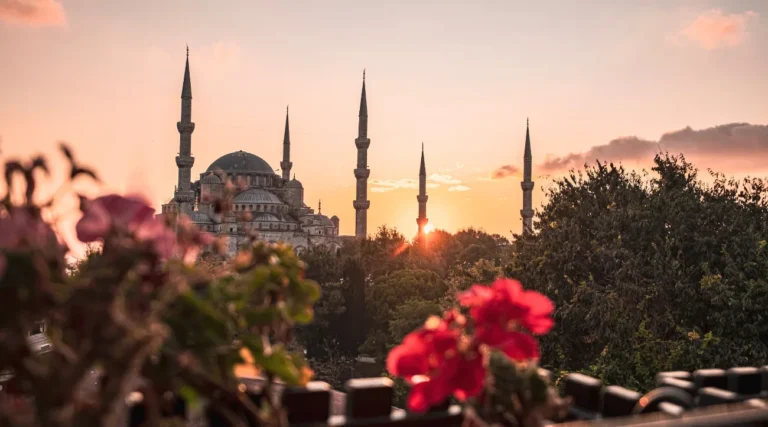
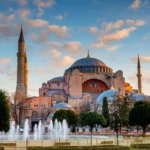
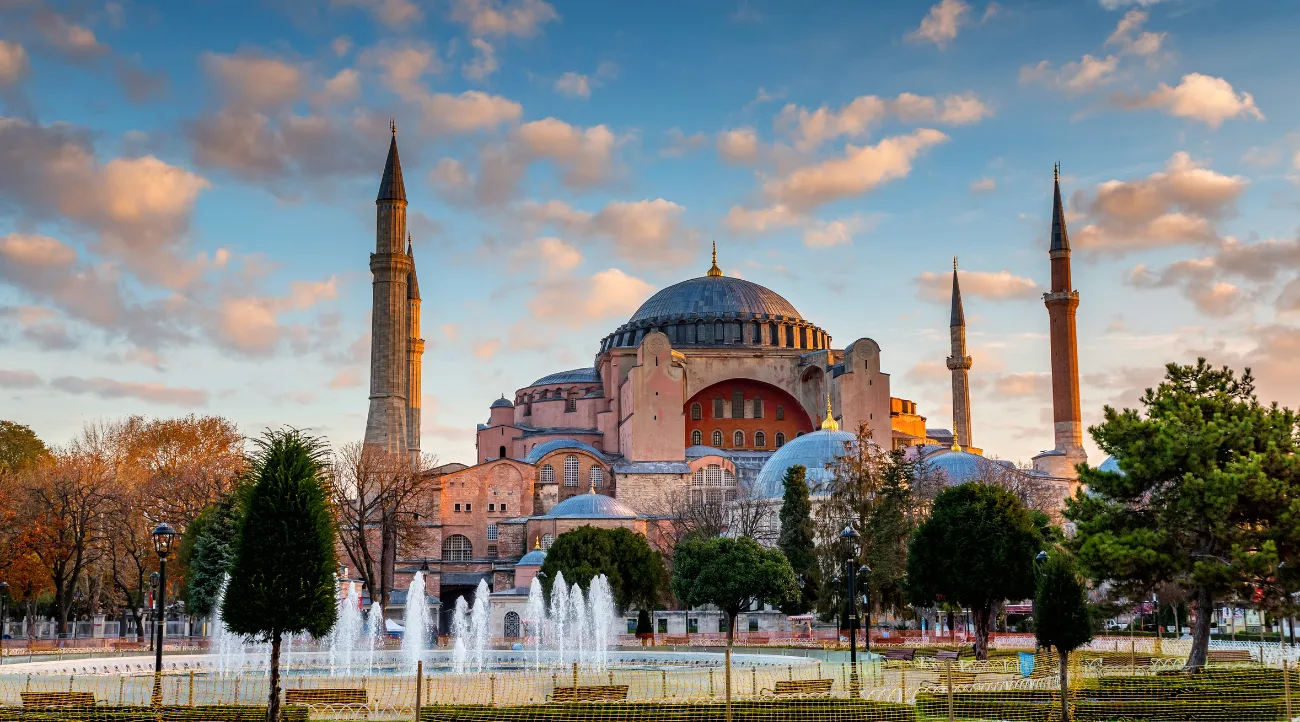
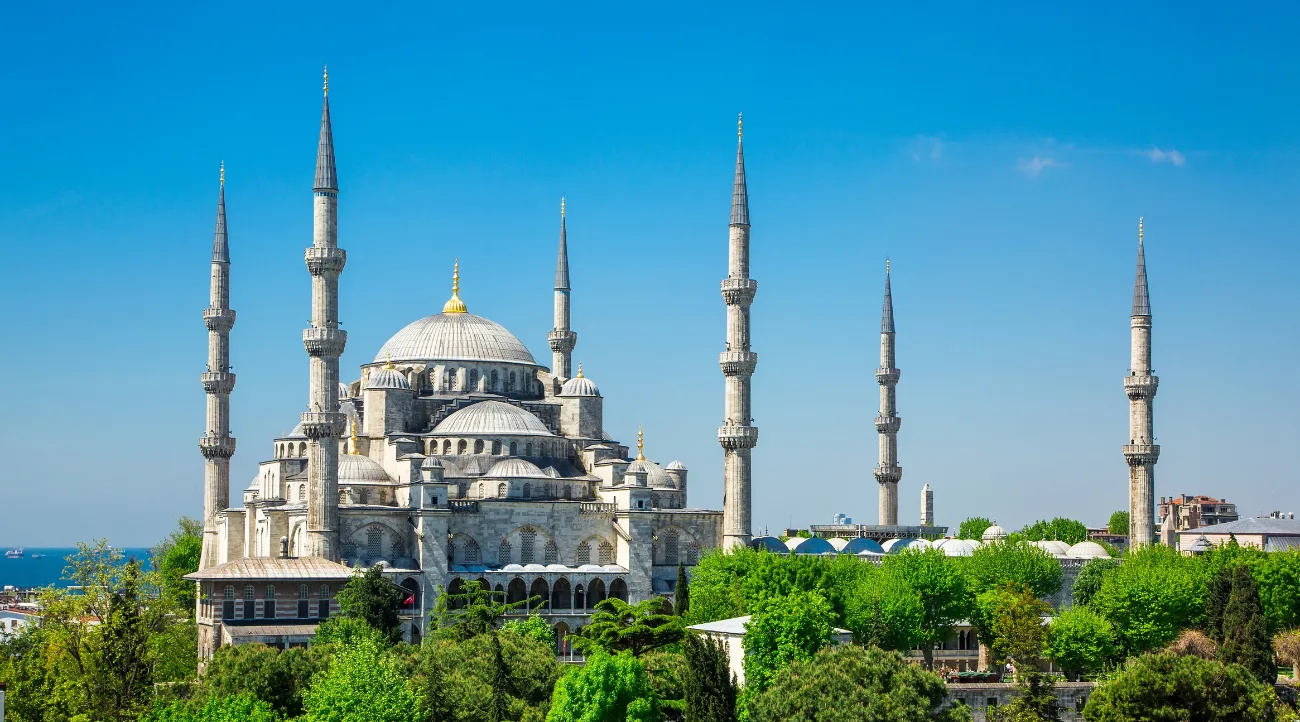
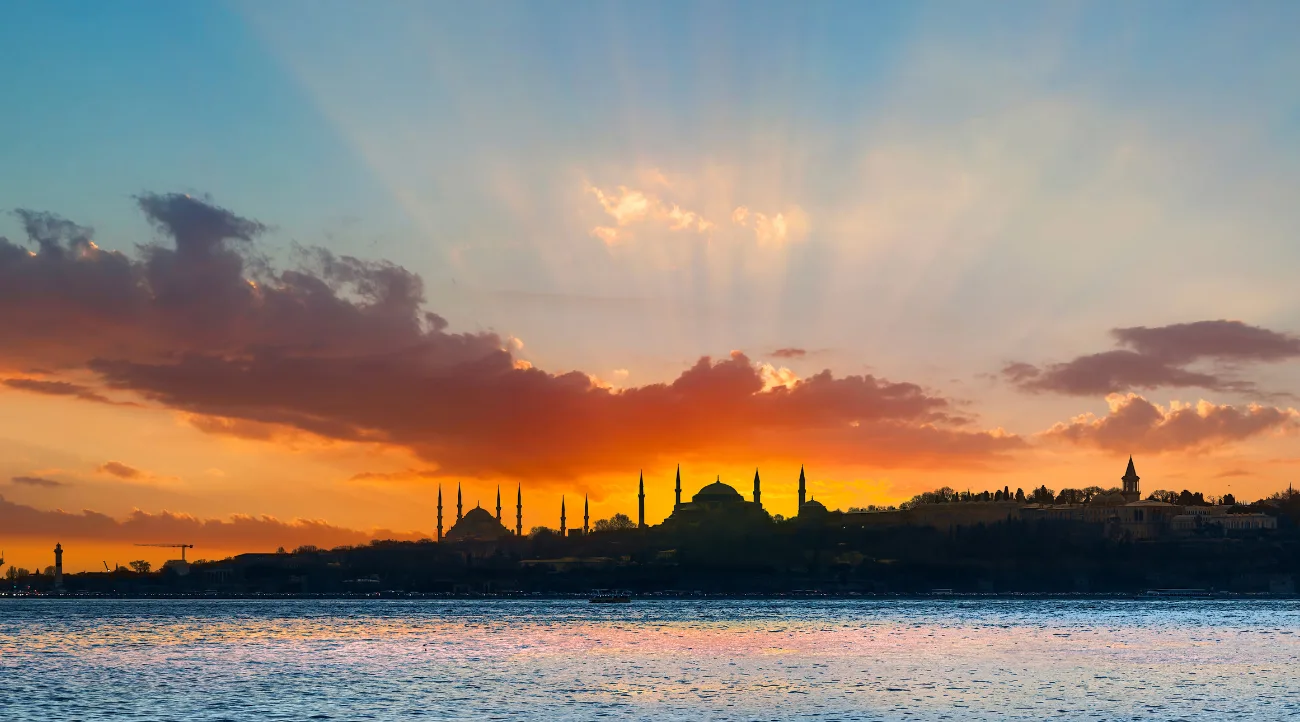
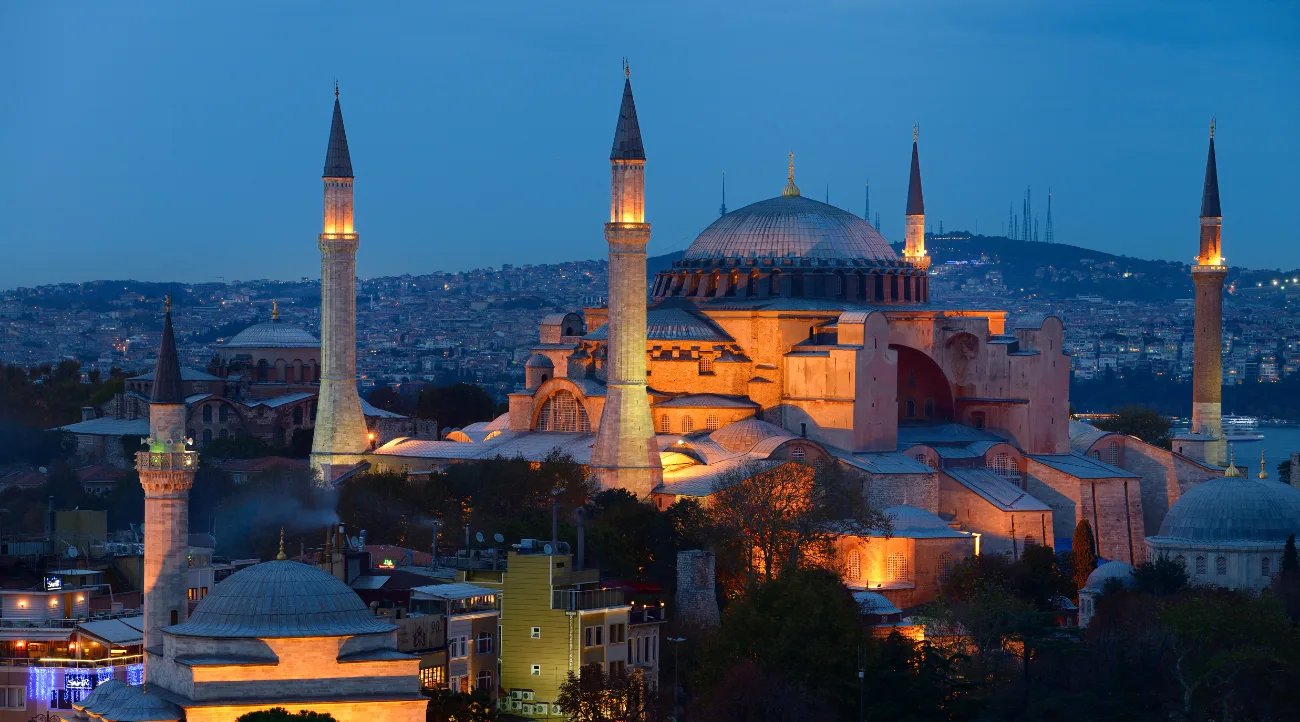
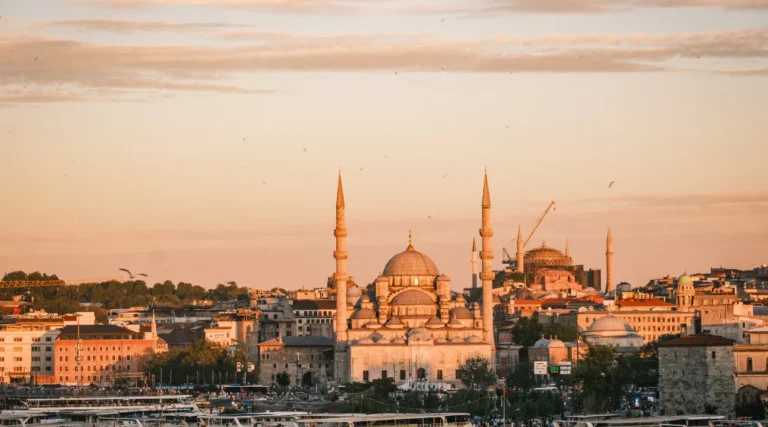
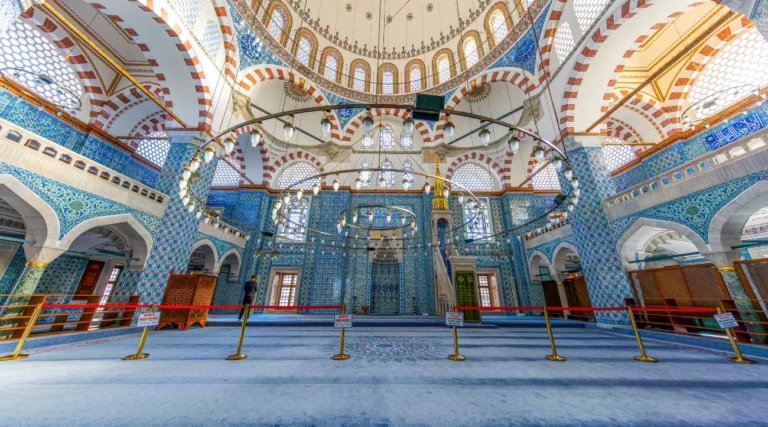
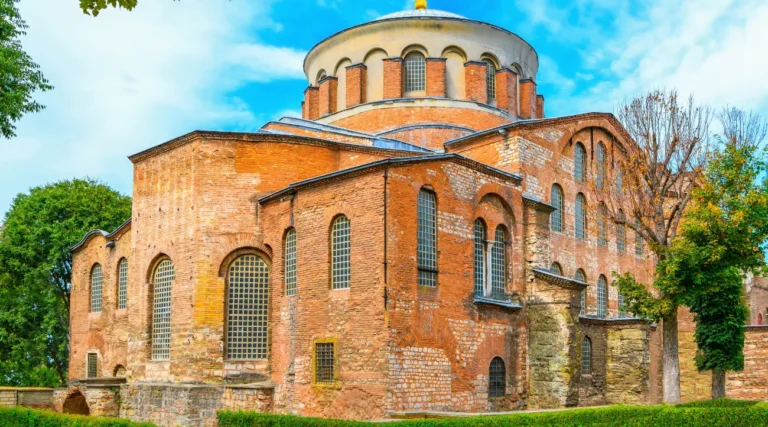
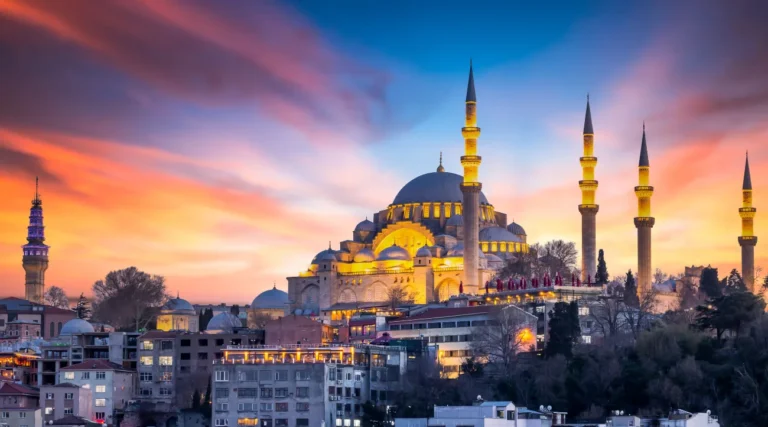
Hagia Sophia has dominated the skyline of Istanbul for almost fifteen centuries. Built in only five years under Emperor Justinian, it was the largest church in Christendom for nearly a thousand years, became an imperial mosque after 1453, a museum in 1934 and, since 2020, a mosque again.
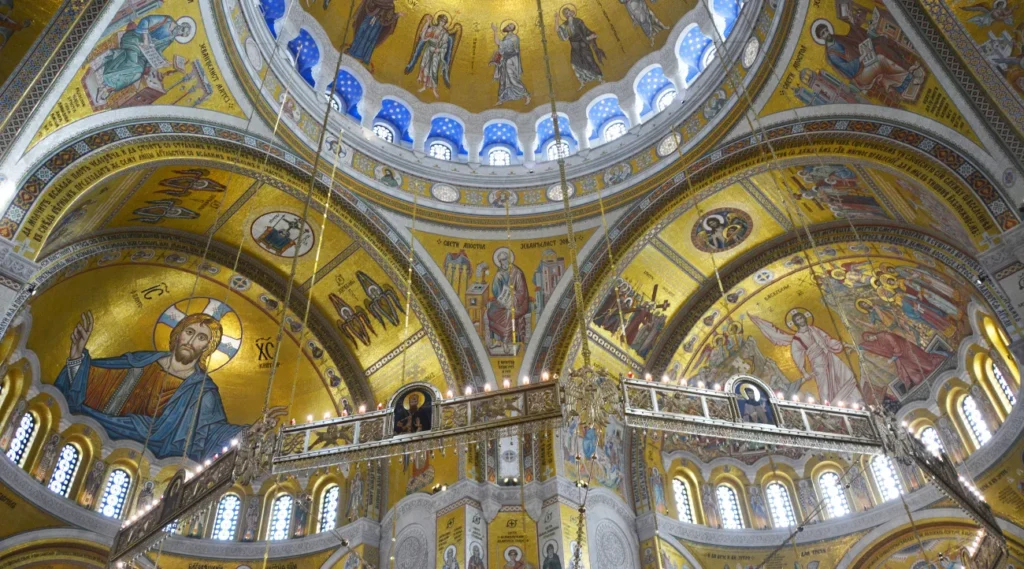
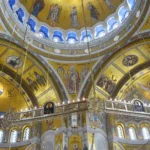
Worshippers use the ground-floor prayer hall, while visitors follow a dedicated route through the upper galleries, where you see the great dome up close and the most famous Byzantine mosaics.
Hagia Sophia opening hours and admission
The visitor route is open every day from 09:00 until the evening, but as an active mosque Hagia Sophia closes to tourists during prayers. On Fridays the route closes around the midday prayer, so plan a morning or late-afternoon visit and check the times for your date.
What to see inside Hagia Sophia
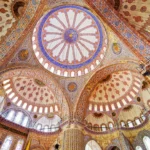
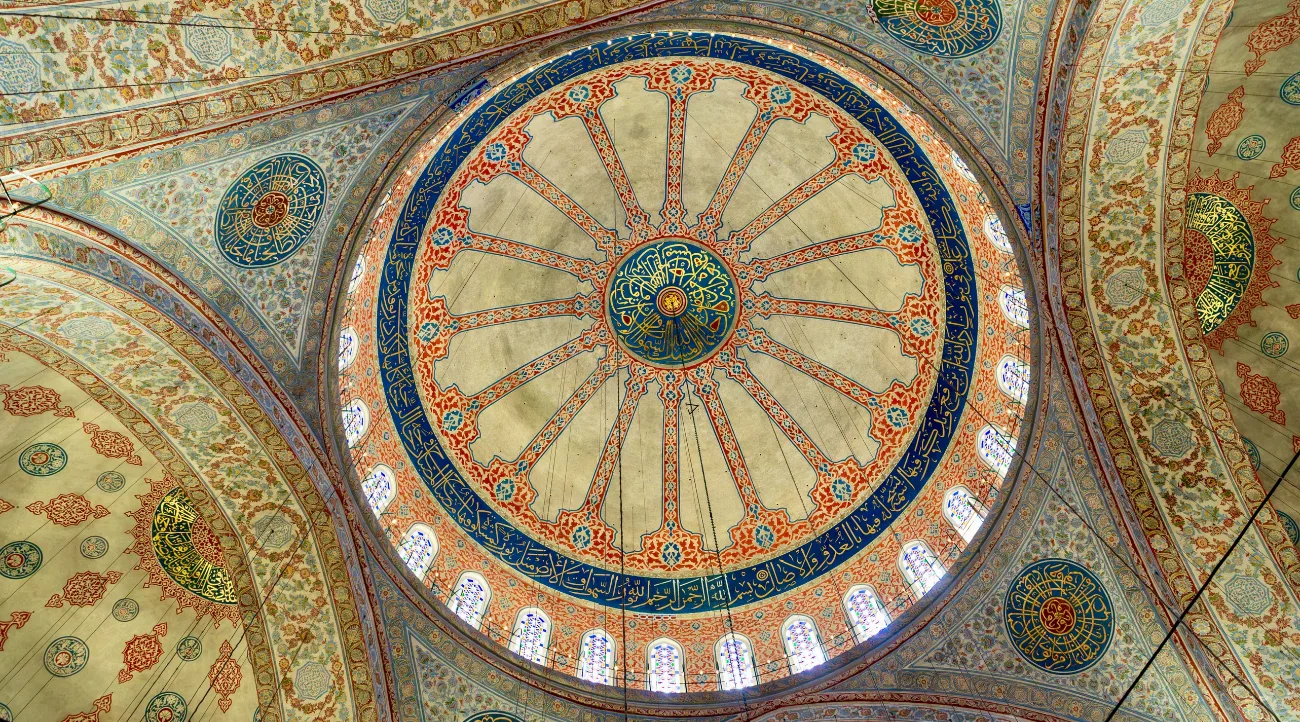
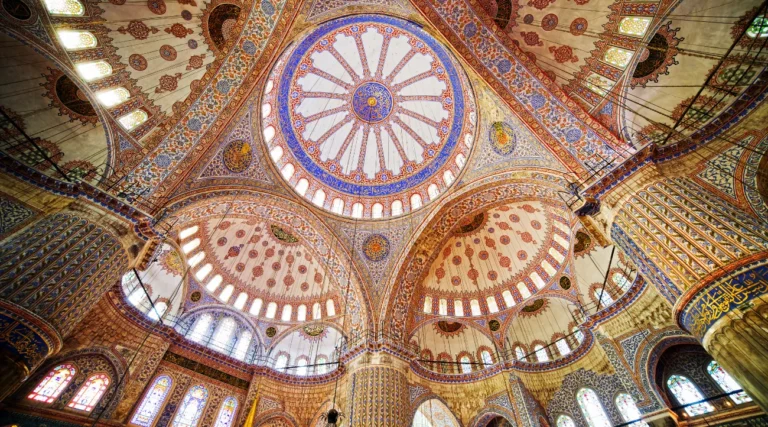
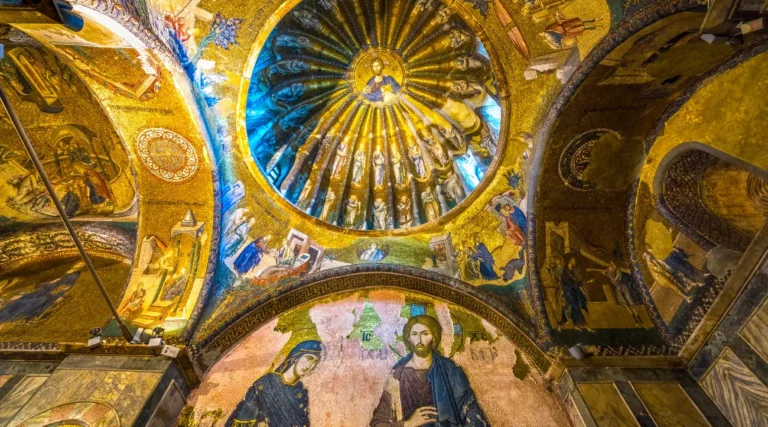
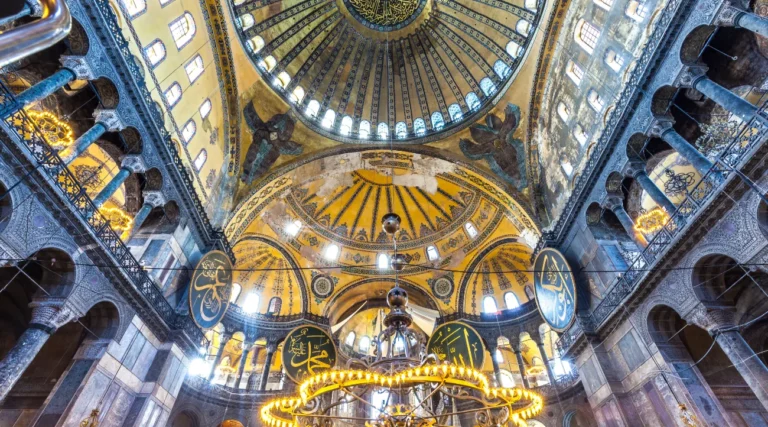
From the upper galleries you look straight into the great dome and down into the prayer hall. Take time for the mosaics, which are easy to miss in the half-light.
Hagia Sophia visit at a glance
A quick summary to plan your visit and choose the right time of day.
How to visit Hagia Sophia
Allow 45–90 minutes for the gallery route. Visitors use a dedicated entrance and follow a set path up the ramps to the galleries. Dress modestly: shoulders and knees covered, and women cover their hair.
The options below include skip-the-line entry, audio guides and guided visits that combine Hagia Sophia with the Blue Mosque, the Basilica Cistern or Topkapı Palace. Compare the inclusions and the meeting point before booking.
- Hagia Sophia is an active mosque: the route closes during prayers.
- On Fridays the route closes around the midday prayer.
- Shoulders and knees must be covered; women cover their hair.
- Visitors use the tourist entrance, not the worshippers’ door.
- Go at opening time or in the late afternoon.
- Bring your own scarf to save time at the entrance.
- Look for the Viking runes scratched into a gallery balustrade.
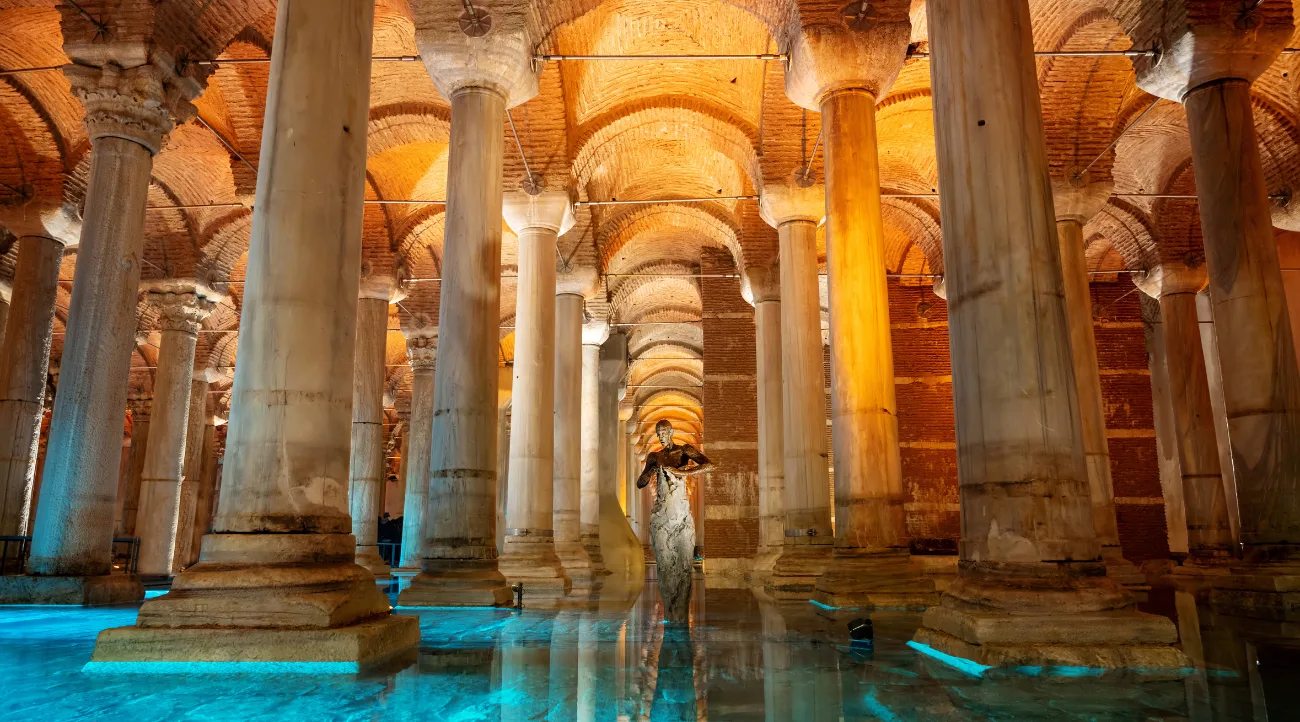
- Combine the visit with the Basilica Cistern, a few minutes away.
How to reach Hagia Sophia
Hagia Sophia stands between Sultanahmet Square and Topkapı Palace, facing the Blue Mosque across the gardens. The tourist entrance is on the side facing the palace.
From Justinian’s church to mosque, museum and mosque again
The present building is the third church on this site. After the Nika riots destroyed the previous one, Emperor Justinian asked the architects Anthemius of Tralles and Isidore of Miletus to build something without equal. It was completed in 537, and its dome astonished visitors for centuries.
When Mehmed II took Constantinople in 1453, he converted the church into a mosque. Minarets, a mihrab and later the great calligraphic roundels were added, while many mosaics were plastered over rather than destroyed.
In 1934 the Turkish Republic turned Hagia Sophia into a museum, and restorers uncovered the mosaics. In 2020 it was reconverted into a mosque; since then visitors follow a separate route through the galleries.
Details and stories to look out for
- The dome rests on pendentives, a solution that inspired Ottoman mosque builders for centuries.
- A runic inscription left by a Viking guard can still be read in the galleries.
- The Marble Door in the south gallery once divided the space used for church councils.
- Some columns came from older temples brought to Constantinople.
- The building survived several earthquakes, which led to the massive buttresses outside.
Hagia Sophia tickets and guided tours of the old city
Find your stay near Hagia Sophia
Staying in Sultanahmet puts Hagia Sophia, the Blue Mosque, the Basilica Cistern and Topkapı a few minutes away on foot. You can visit at opening time before the crowds, then rest at your hotel in the middle of the day.
Frequently Asked Questions - FAQ
More activities and experiences in Istanbul