























In short
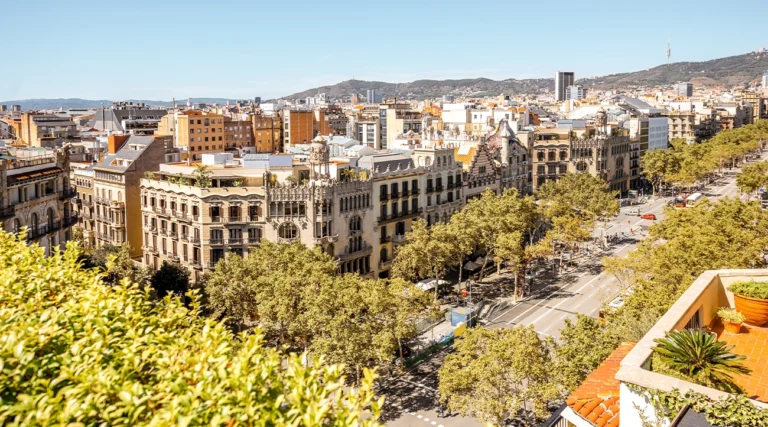
Developed during the late nineteenth-century urban expansion, this broad boulevard showcases the crowning achievements of Catalan Modernism alongside international luxury boutiques. Its wide stone pavements feature distinctive organic tiles designed by Antoni Gaudí, ornate cast-iron lampposts, and monumental residential facades built for wealthy industrial dynasties. Walking its length offers an open-air museum of modernista genius, high fashion, and elegant dining.
1.3-kilometer boulevard linking Plaça de Catalunya to Gràcia.
Showcase avenue of Catalan Modernism and luxury shopping.
Home to masterworks Casa Batlló and Casa Milà.
Paved with Gaudí hexagonal tiles and iron lampposts.
Served by Catalunya, Passeig de Gràcia, and Diagonal.
☰ Table of content
The perfect stop
Broad stone walkways and sculpted iron lampposts border an elegant avenue showcasing the finest architectural creations of Catalan Modernism.
-
Recommended stop time 45'
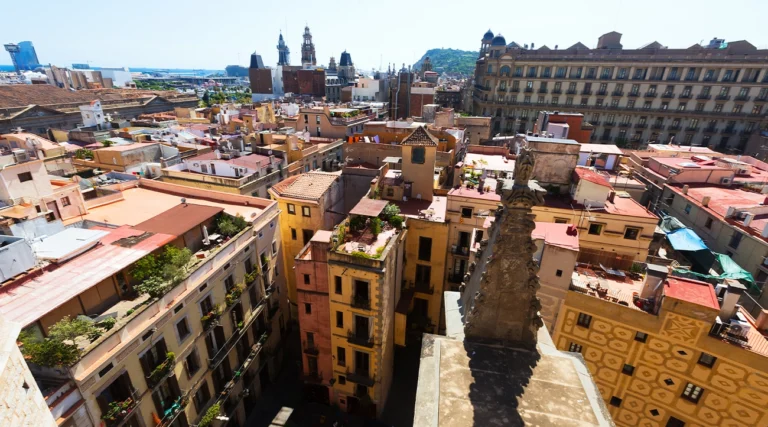
Allows ample time to study the contrasting facades along the Manzana de la Discordia, rest upon Gaudí ceramic benches, inspect undulating stone balconies, and photograph the iconic rooftops.
-
Local customs
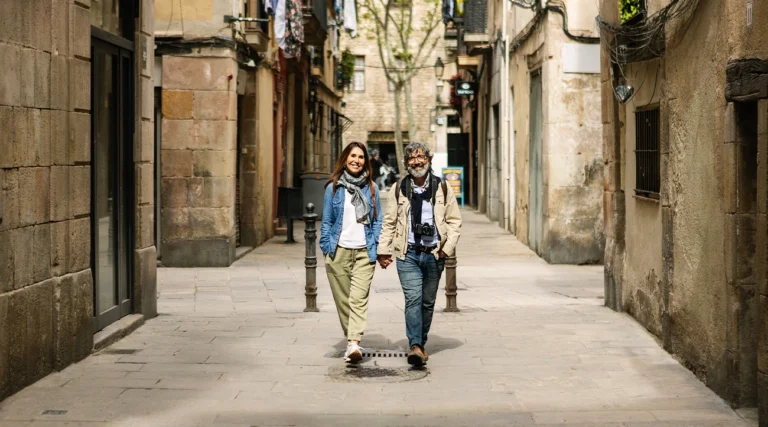
Locals settle onto the carved stone bench-lampposts to read afternoon newspapers, families window-shop along grand luxury displays, and shoppers step inside heritage cafes for traditional hot chocolate with freshly fried churros.
What to see on Passeig de Gràcia
You can find contrasting facades competing for beauty and sculpted stone rooftops, these five landmarks define the avenue’s monumental identity.
Manzana de la Discordia
Iconic block featuring rival modernist architectural masterworks.
Casa Batlló Masterpiece
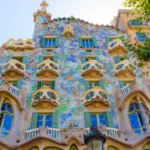
Visionary Gaudí residence inspired by marine forms.
Casa Amatller
Neo-Gothic residence featuring Dutch stepped gables.
Casa Lleó Morera
Delicate floral palace designed by Domènech Montaner.
Casa Milà Masterpiece
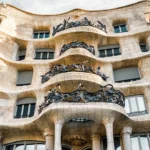
Undulating stone building known as La Pedrera.
Quick summary of Passeig de Gràcia
If you stroll along Passeig de Gràcia combines world-class modernista architecture, upscale shopping, and wide leafy urban walkways.
Best moment
Mid-morning between 9:00 and 11:00
Crowd
Moderate to heavy
Kid friendly
Highly friendly
Unmissable
The exterior facades of Casa Batlló, Casa Milà, and Gaudí's hexagonal pavement tiles.
Type of experience
Open-air architectural walking tour, high-end shopping, and photography.
What to expect
Majestic modernist facades, luxury designer boutiques, wide stone pavements, and busy street crossings.
Explore activities on Passeig de Gràcia
Discover the avenue’s iconic heritage with skip-the-line tickets to Casa Batlló, guided rooftop tours of Casa Milà, and architectural walks.

Gaudí Houses: Guided Tour

3 Houses of Gaudí

Casa Vicens Gaudí: Skip The Line Ticket
Good to know
Wide sidewalks prevent crowding: ensure comfortable strolls anytime.
Three metro stops connect: Catalunya, Passeig de Gràcia, and Diagonal.
Historic facade restorations happen: protective netting may cover buildings.
Upscale boutiques line avenue: designer flagships with higher pricing.
Practical tips
Book facade tickets early: reserve Casa Batlló slots weeks ahead.
Look at the floor: walk over Gaudí hexagonal pavement tiles.
Photograph facades in morning: catch bright southern sunlight on stone.
Cross streets for perspectives: wide avenues require opposite sidewalk views.
How to reach Passeig de Gràcia
Getting here is simple thanks to its extensive transit connections across metro, suburban rail, and bus lines.
Ride lines L1, L2, L3, or L4 to Passeig de Gràcia or Catalunya, or line L5 to Diagonal.
Catch municipal routes 7, 22, 24, V15, or D50, which run along or parallel to the avenue.
Stroll directly north from Plaça de Catalunya or walk south from the Vila de Gràcia district.
Passeig de Gràcia, Barcelona
Official Transport in Barcelona
History of Passeig de Gràcia
Before its transformation into an aristocratic boulevard, this path existed as the Camí de Jesús, an unpaved rural road connecting the walled medieval city of Barcelona with the independent farming village of Gràcia. In the 1820s, city officials began modernizing the pathway with leafy plane trees and public gardens, turning it into a favored weekend excursion route for strolling citizens.
Read allShow less
Read allShow less
The definitive transformation arrived with the 1859 approval of Ildefons Cerdà’s revolutionary expansion plan, the Eixample. Cerdà designed Passeig de Gràcia as the central prestige axis of his grid layout, giving it an unprecedented width of 42 meters to accommodate pedestrian promenades, carriage traffic, and garden spaces. As the old defensive walls fell, the road became the urban link between the medieval quarters and northern neighborhoods.
During the late nineteenth and early twentieth centuries, wealthy textile barons and bourgeois industrialists turned the avenue into their primary stage of social status. Families competed fiercely to construct the most extravagant private mansions, hiring visionary architects such as Antoni Gaudí, Lluís Domènech i Montaner, and Josep Puig i Cadafalch. This fierce artistic rivalry turned private homes into radical modernist declarations.
The boulevard’s artistic zenith culminated in the famous Manzana de la Discordia, where contrasting masterworks stood directly beside one another. Over the twentieth century, the mansions transitioned into cultural museums, corporate banks, and luxury brand flagships, cementing Passeig de Gràcia as Catalonia’s premier boulevard of international elegance and modernista heritage.
Curiosities about Passeig de Gràcia
The Discord block: named after Greek myth because three rival architects built competing mansions side by side on one block.

- Gaudí tiles underfoot: the pavement is laid with hexagonal panot tiles designed by Antoni Gaudí showing stylized sea creatures.
- Benches with built-in lampposts: the elaborate white ceramic benches double as streetlights, designed in 1906 by Pere Falqués.
- Rural country origin: the avenue originally existed as a dirt country path connecting Barcelona to the separate village of Gràcia.
- The stone quarry nickname: locals mockingly nicknamed Casa Milà La Pedrera due to its rough, undulating limestone cliff facade.
Tickets and tours on Passeig de Gràcia
Find your stay on Passeig de Gràcia
From prestigious five-star luxury hotels with panoramic rooftop pools to refined boutique rooms housed inside historic nineteenth-century buildings, discover the ideal retreat for an elevated city experience near Casa Batlló and Milà.
Frequently Asked Questions - FAQ
What is the best time to photograph the modernist facades?
Morning light illuminates Casa Batlló and Casa Amatller, while late afternoon sunshine best highlights the rooftop curves of Casa Milà.
Can you enter Casa Batlló and Casa Milà on the same day?
Yes, both houses sit just a five-minute walk apart, though booking separate timed entry slots in advance is essential.
Are the Gaudí street tiles original historic pieces?
The current hexagonal pavement tiles are modern reproductions of Gaudí’s original 1904 design created for Casa Batlló.
Is Passeig de Gràcia safe for walking at night?
Yes, the boulevard is exceptionally well-lit, active, and patrolled, making it one of the safest thoroughfares in central Barcelona.
How long does it take to walk the full length of the boulevard?
A steady walk from Plaça de Catalunya to Diagonal takes around twenty minutes, extending to two hours when stopping for facades.
Which metro stop is closest to the Gaudí houses?
Passeig de Gràcia metro station sits beside Casa Batlló, while Diagonal station stops closest to Casa Milà.
What does Manzana de la Discordia mean?
The phrase translates to “Apple of Discord,” referencing both a city block and the contrasting architectural styles of rival architects.

Is the avenue completely accessible for wheelchairs and strollers?
Yes, the sidewalks are exceptionally wide and level, with smooth stone ramps and elevator-equipped metro stations throughout.